თანხის დაბრუნების გარანტია · 100 დღე უფასო მიწოდება მთელ მსოფლიოში
449 587ნამუშევრები 30 613მხატვრები 4 660მუზეუმები 32ენები
ვალუტა
    ენა
      ატელიე · დაარსდა 2015 წელს · პარიზი, საფრანგეთი
      AllPaintingsStore
      allpaintingsstore.com
      Catalogue entry

      Anxiety, because

      1915. Acrylic On Canvas.

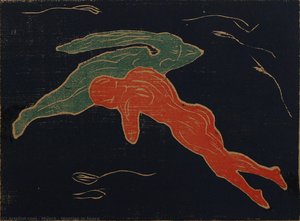
      Fig. 1. ედვარდ मुंხ, Anxiety, because, 1915. Shown as the reproduction you are specifying: , .

      § 1Catalogue data

      § 2Abstract

      კოლექციონირებადი ნივთის აღწერა

      მხატვრის ბიოგრაფია

      აღმოაჩინეთ ედვარდ მუნკი (1863-1944), გამოხატვითი ხელოვნების პიონერი! აღფრთოვანებულიყავით "სcream" და სხვა ტილოებით, რომლებიც შესულია შიშის, სიკვდილის, სიყვარულისა და ფსიქოლოგიური თემების შესწავლისას. ისტორიული მნიშვნელობის მქონე ნორვეგიელი მხატვარი.

      § 3Commentary

      A Silent Plea from the Precipice: Edvard Munch’s “Anxiety, because”

      Edvard Munch's "Anxiety, because," created in 1915, isn’t merely a drawing; it’s a raw, visceral embodiment of the psychological landscape of its time. The image depicts a group of figures perched precariously on the edge of a cliff, their faces turned towards an unseen horizon – a posture that immediately speaks to vulnerability and a profound sense of unease. The stark black and white palette amplifies this feeling, stripping away any potential distraction and forcing the viewer to confront the unsettling reality presented before them. It’s a work born from Munch's deeply personal struggles with loss, illness, and an enduring awareness of mortality, themes that relentlessly informed his artistic output.

      Munch’s technique here is deliberately loose and expressive, prioritizing emotional impact over meticulous detail. The figures are rendered with broad, gestural strokes, their forms dissolving into the surrounding rock formation. This blurring of boundaries – between individual and environment, self and landscape – reflects a key aspect of Munch's artistic philosophy: the interconnectedness of human experience and the natural world. He wasn’t interested in creating realistic representations; instead, he sought to capture the *feeling* of an emotion, translating internal turmoil into visible form. The lack of shading and precise lines contributes to the drawing’s unsettling quality, lending it a dreamlike, almost hallucinatory atmosphere.

      The Weight of Personal History

      To understand “Anxiety, because,” one must delve into the context of Munch's life. His childhood was profoundly shaped by tragedy – the deaths of his mother and sister from tuberculosis at young ages instilled in him a lifelong preoccupation with illness, death, and the fragility of human existence. His father, a devout Lutheran, fostered a sense of religious anxiety that further complicated Munch’s emotional landscape. These experiences weren't simply biographical details; they became the bedrock upon which he built his artistic language, informing his recurring motifs of sickness, despair, and isolation. The drawing can be interpreted as a visual manifestation of this inherited trauma, a collective expression of grief and fear passed down through generations.

      Furthermore, Munch’s own struggles with mental illness – including periods of intense anxiety and depression – undoubtedly influenced the work's somber tone. He famously described his creative process as “a battle against life,” suggesting that art was not merely a means of expression but also a form of survival. "Anxiety, because" embodies this struggle; it’s a testament to the artist’s ability to transform personal suffering into a universally resonant image.

      Symbolism and the Unseen Horizon

      The cliff itself is a potent symbol within the drawing. It represents not just a physical location but also a metaphorical precipice – a point of no return, a threshold between life and death, sanity and madness. The figures’ unified gaze towards the horizon suggests a shared experience of dread, as if they are all contemplating an impending doom. The fact that we cannot see what lies beyond the cliff face further intensifies the sense of mystery and uncertainty. It's a deliberate withholding of information, forcing the viewer to project their own anxieties onto the scene.

      The composition’s asymmetry – with the large rock formation dominating the left side of the image – creates a feeling of imbalance and instability. This visual disruption mirrors the emotional turmoil depicted within the drawing, reinforcing its overall sense of unease. The figures themselves are rendered in varying states of distress: some appear frozen in silent contemplation, while others seem to be actively struggling against an unseen force.

      A Timeless Exploration of Human Emotion

      "Anxiety, because" remains a powerfully evocative work of art over a century after its creation. It’s not a comfortable image; it confronts us with the darker aspects of human experience – fear, grief, and the awareness of our own mortality. Yet, it is precisely this unflinching honesty that makes it so compelling. Munch's ability to translate these complex emotions into a single, arresting drawing speaks to his genius as an artist and his profound understanding of the human psyche. A reproduction of this piece offers a unique opportunity to engage with one of the most significant works in modern art history, inviting contemplation on the enduring nature of anxiety and the search for meaning in a world often fraught with uncertainty.

      კითხვები და პასუხები

      ედვარდ मुंხ-ის „Anxiety, because“-ის ფერები გაჯერებული თუ მკრთალია?

      ედვარდ मुंხ-ის „Anxiety, because“ ფერების სირთულე (დამკვეთភាព) არის Muted. სირთულე აღწერს, თუ რამდენად მკვეთრი ან მკვდარია ფერები.

      რა არის ძირითადი ფერი, რომელიც ედვარდ मुंხ-ის „Anxiety, because“-ში დომინირებს?

      "Anxiety, because" უფრო მეტად Green to Violet Spectrum ტონს ეკვრის.

      რა ქვეყანას მიეკუთვნება Expressionist Anxiety-ის ნამუშევარი „Anxiety, because“?

      "Anxiety, because" თავის შემქმნელის სამშობლოს მეშვეობით აკავშირებს Expressionist Anxiety სტილს შვედეთი-სთან.
      § 4The artist

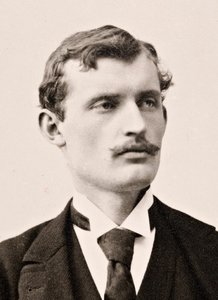
      ედვარდ मुंხ

      ედვარდ मुंხ

      1863 - 1944, შვედეთი

      Quick facts about ედვარდ मुंხ

      • Artistic Movement Or Style: ექსპრესიონიზმი
      • Artists Or Movements Influenced By This Artist: ['გერმანული ექსპრესიონიზმი']
      • Artists Who Influenced This Artist:
        • პოლ გაგანი
        • ვინსენტ ვან გოგი
        • ენრი დე ტულუზ-ლოთრეკი
      • Date Of Birth: 1863 წლის 12 დეკემბერი
      • Date Of Death: 1944 წლის 23 იანვარი
      • Full Name: ედვარდ მუნხი
      • Nationality: ნორვეგიელი
      • Notable Artworks:
        • The Scream
        • Madonna
        • The Sick Child
      • Place Of Birth: ადელსბრუკი, შვედეთი

      მხატვრის ბიოგრაფია

      შADOWNİՑ გარს შემოფარული ജീവിതით: ედვარდ მუნკის სამყარო

      ედვარდ მუნკი, 1863 წელს ნორვეგიის მკაცრ ლანდშაფტებში დაბადებული მხატვარი, რომლის ნაწარმოებებიც თანสมัยობის ეპოქის შიშებისა და გრძნობრივი ტრაგიზმთან ასოცირდება. მისი ജീവിതს, რომელიც სიკვდილისა და მუდმივად არსებულ მელანქოლიასთან იყო განუყოფლად დაკავშირებული, უაღრესად გამოხატვითი ხელოვნების სათავეს წარმოადგენდა. ბავშვობიდანვე, დედისა და დას გარდაცვალების ტკივილით ნაჭრილი, მუნკმა სიკვდილის, ავადმყოფებისა და ადამიანური არსებობის ხაფითვის თემატიკას უაღრესი ძალით შეინახა. ეს გამოცდილებები 단순ი ბიოგრაფიული დეტალები არ იყო; ისინი მისი მხატვრული აღქმის საფუძველს წარმოადგენდნენ, შეუწყობდაუდებლად აძლიერებდნენ შიშების, მწუხარებისა და სურვილების შინაგანი სამყაროს შესწავლას. მამის მკაცრი რელიგიური შეხედულებები და მისივე 정신ის ავადმყოფობა კიდევ უფრო ღრმავებდა მუნკის სამყაროში არსებულ შიშს, რომელიც არა მხოლოდ მის προσωπულ ცხოვრებას, არამედ მისი ნახატების სიმბოლურ ენასაც ფორმირებდა. ის უბრალოდ სცენებს არ აღწერდა; ის შინაგანი მდგომარეობის გარეგნულ화를 ახდენდა, ფსიქოლოგიური ტკივილს ვიზუალურ სახედ თარგმნიდა.

      გამოხატვის జన్ეზი: გავლენები და მხატვრული განვითარება

      მუნკის მხატვრული მოგზაურობა დაიწყო კრისტიანის სამეფო ხელოვნების სკოლაში სწავლით, მაგრამ ჰანს იეგერის ბოჰემური წრეებთან და ნი힐ისტურ ფილოსოფიასთან შეხება მის 창의력을 ნამდვილად გაზარდა. იეგერმა მუნკის უწოდებია ტრადიციული აკადემიური სტილის εγκαταუყრება და საკუთარი სუბიექტური გამოცდილების სიღრმეებში ჩაღმავლება, კონცეფცია, რომელსაც მან "სულის მხატვრობა" უწოდა. ეს გადამწყვეტი მომენტი მუნკის გამორჩეული სტილის დასაწყისად marcó – ხასიათი сырой გრძნობებით, დისტორცირებული ფორმებით და ბუნებრივი წარმოების უარყოფითი მიდგომით. პარიზში მისი მოგზაურობები 1890-იან წლებში მასთან познакомил буржуазіული Пост-импрессионистური მოძრაობის გაღრმავებასთან, სადაც ის პოლ გოგენის, ვინცენტ ვან გოგისა და ანრი დე ტულუზ-ლოთრეკისგან 영향을 받았습니다. ფერის смелый გამოყენება, გამოხატვითი ხაზები და ემოციური ინტენსივობა მუნკის საკუთარი მხატვრული მიდგომების შესაბამისობაში იყო, რაც მას უნიკალური ვიზუალური ენა შექმნის საშუალებას აძლევდა, რომელიც უღრმეს ადამიანურ ემოციებს გადმოსცემდა. ბერლინში მისი დრო ასევე გადამწყვეტი აღმოჩნდა, რამაც მას პიესტა ავგუსტ სტრინდბერგთან познакомил, რომლის ფსიქოლოგიური თემების შესწავლამ კიდევ უფრო გაზარდა მუნკის მხატვრული კვლევები.

      მნიშვნელოვანი ხედვები: ძირითადი ნაშრომები და მათი სიმბოლური მნიშვნელობა

      მუნკის ოქროს საგანძირობა populated by images that have become deeply ingrained in the collective consciousness. The Scream, perhaps his most iconic work, transcends its status as a painting to become a universal symbol of existential angst. The swirling, fiery landscape and the figure’s contorted face embody a primal scream against the indifference of the universe. Madonna, a controversial and deeply personal piece, explores themes of sexuality, motherhood, and mortality with unsettling frankness. Recurring motifs like The Sick Child – inspired by the loss of his sister Sophie – serve as poignant reminders of Munch’s childhood trauma and the ever-present specter of death. Melancholy I & II, powerful depictions of profound sadness and isolation, reveal a vulnerability that is both deeply personal and universally relatable. These works aren't simply representations of external reality; they are windows into the artist’s soul, offering viewers an unflinching glimpse into the darkest corners of the human psyche. Munch didn’t aim to create beautiful images; he sought to convey truth – even if that truth was painful and unsettling.

      მემკვიდრეობა: ისტორიული მნიშვნელობა და მდგრადი გავლენა

      ედვარდ მუნკის წვლილი თანამედროვე ხელოვნებაში შეუდარებელია. ის გამოხატვითობის განვითარებაში გადამწყვეტი ფიგურაა, რომელიც გზას უთოფრობს იმ მხატვრებს, რომლებიც სუბიექტური ემოციების მნიშვნელობას წარმოადგენდნენ ობიექტური წარმოსადგენლად. მისი შიშველი შესწავლა უნივერსალური ადამიანური გამოცდილებებისა – სიყვარული, დაკარგვა, შფოთვა და სიკვდილი – დღესაც აინტერესებს მაყურებლებს, რაც მის ადგილს ხელოვნებაში ერთ-ერთ ყველაზე влиятельным და მდგრად ფიგურად ամրlaştırდა. მისი ნაშრომები მნიშვნელოვნად повлиял последующим поколениям художников, влияя на движения, такие как немецкий экспрессионизм и за его пределами. მან გაბედა სიკეთის მუქი მხარის αντιμετώებას, გამოწვევას უწოდებდა ხელოვნების ტრადიციულ აღქმებს. მაშინაც კი, როდესაც ის დიდება და აღიარება მიაღწია – რაც ოსლოს მუნკის Музеумის შექმნით დასრულდა – მისი προσωπული ცხოვრება არასტაბილური იყო, რომელიც 정신ის ავადმყოფების პერიოდებით იყო χαρακτηρισμένη. თუმცა, ყველაფრის მიუხედავად, ის 계속해서 δημιουργούσε, оставляя за собой работу, которая продолжает провоцировать, бросать вызов и вдохновлять. Munch’s legacy isn't just about the paintings themselves; it’s about the courage to confront the complexities of human existence and to translate those experiences into art that speaks to the deepest parts of our being.

      § 5Comparanda

      § 6Questions

      მოკლე ფაქტები

      • Subject or theme: Anxiety, Fear, Grief
      • Medium: Drawing (Black & White)
      • Title: Anxiety, because
      • Artistic style: Symbolic, Emotional
      • Notable elements: Cliffside figures

      ტესტი ხელოვნების შესახებ

      თითოეულ კითხვაზე მხოლოდ ერთი სწორი პასუხია.

      კითხვა 1:
      The artwork ‘Anxiety, because’ by Edvard Munch primarily explores which of the following themes?
      კითხვა 2:
      Considering Edvard Munch’s biography, what likely influenced his exploration of themes like anxiety and mortality in this work?
      კითხვა 3:
      Based on the image description, what is a key visual element that contributes to the overall atmosphere of unease?
      კითხვა 4:
      In what year was Edvard Munch likely creating this work, as indicated in the provided information?
      კითხვა 5:
      Edvard Munch is most associated with which artistic movement?

      § 7Cite this entry

      AllPaintingsStore.com, “ედვარდ मुंხ, Anxiety, because (1915)”, https://allpaintingsstore.com/ka/art/edvard-munch-anxiety-because-6WHKE7-en/ArtistReproduction/ (accessed 2 ოქტომბერი 2026).

      § 8The reproduction

      ხელით შესრულებული ზეთის საღებავით რეპროდუქცია

      ტილოზე შესრულებული ფერწერიანი ზეთប្រდათი, თქვენთვის სასურველი ზომისა და ჩარჩოსთვის, ჩვენი ხელოვანების მიერ შეკვეთის საფუძველზე დამზადებული. ( გადართვა ბეჭდვის რეჟიმზე გადასვლა ციფრულ გამოსახულებაზე)

      It is specified on the order sheet in the margin; the present state of that sheet reads as follows.

      Anxiety, because

      რეპროდუქციის ტექნიკა

      რეპროდუქციის ზომა

      -

      დასახელებული ხელოვანთა შერჩეული კოლექცია

      უფრო მეტი დეტალიზაცია, დახვეწილობა და დამატებითი დამუშავების დრო

      -

      რეკლამაციის ჩარჩო

      -

      -

      ნებისმიერი მხარისთვის 105 სმ-ზე (დაახლოებით 41 ინჩი) მეტი ზომის ხელოვნებული ნამუშევრების ან რეპროდუქციებისთვის, ჩარჩო მოგზავნდება დაშლილ კომპლექტში. ეს მეთოდი უზრუნველყოფს უსაფრთხო მიწოდებას და თავიდან აგაცილებთ ტრანსპორტირებისას შესაძლო დაზიანებას.

      საჭიროა პროფესიონალური აწყობა - ეს არ არის თვითმომსახურების (DIY) პროდუქტი.
      კომპლექტის აწყობა და ტილოს დაჭიმვა უნდა განახორციელოს გამოცდილმა პროფესიონალმა ჩარჩოს დამამზადებელმა, ხის წებოს (არ შედის კომპლექტში), ტილოს დაჭიმვის ბერჭებისა და საკრამების გამოყენებით, რათა წებოს გასაშრობად ღერძები სწორად და სტაბილურად დაფიქსირდეს. არასწორი აწყობა ან ტილოს არათანაბარი დაჭიმვა შეიძლება გამოიწვიოს ნამუშევრის სამუდამო დაზიანება, რაც არ იფარება ჩვენი გარანტიით.

      • კომპლექტში შედის მყარი ხის ყველა ღერძი, ზუსტად გაზომილი და საჭირო ზომაზე დაჭრილი.

      • აწყობისთვის გამოიყენება მოთავსებული ხრახნები; ასევე დაგჭირდებათ ხის წებო კუთხეების დასაკავშირებლად, რომელიც კომპლექტში არ შედის და თქვენმა ჩარჩოს დამამზადებელმა უნდა შეიძინოს დამოუკიდებლად.

      • საჭიროა პროფესიონალური ხელსაწყოები, რომლებიც არ შედის კომპლექტში: ტილოს დაჭიმვის ბრჭყალები (დამჭერი) და სამჭედლები, რათა წებოს გასაშრობ პროცესში რამკოს კუთხეები სწორად ფიქსირდეს.

      მნიშვნელოვანია:
      კუთხეების დასაკავშირებლად საჭიროა ხის წებო; სანამ წებო სრულად გაშრება, ღერძები დაფიქსირებული უნდა იყოს საკავშირეებით, ხოლო აწყობილ ჩარჩოზე ტილოს დასჭიმად საჭიროა ტილოს დასჭიმელი ბრჭჭვალი. არცერთი ეს ნივთი არ შედის კომპლექტში. გთხოვთ, ამ ზომის შეკვეთამდე წინასწარ დაგეგმოთ გამოცდილი პროფესიონალი ჩარჩოს დამზადებელი.

      სახელოვანი ფირფიტა

      -

      -

      დამცავი ლაქი

      ბზინვარე ლაქი (აფერსკვიატებს ფერებს და იცავს სინათლისა და ტენისგან)

      -

      ჩემი ნამუშევრის პერსონალიზაცია

      რა შეიძლება შეიცვალოს (მაგალითები): სახის შეცვლა მომხმარებლის ფოტოთი; შინაური ცხოველის დამატება (მაგალითად, კატის დგებით შეცვლა); ფონზე ფარული შეტყობინების დამატება; ფონის ლანდშაფტის ან ელემენტების შეცვლა.

      -

      სასწრაფო მიწოდება

      მიწოდება მსოფლიო მასშტაბით () 3-4 კვირაში, სტანდარტული 5 კვირის ნაცვლად. (31 ოქტომბერი). ხარისხზე კომპრომისის გაკეთება არ მოხდება.

      -

      ექსპრეს-მიწოდება

      მიწოდება მსოფლიოს მასშტაბით (), 5 კვირაში. (7 ნოემბერი).

      მოყვება

      ჯამური ღირებულება

      ₾ 671

      Included with every order

      • უფასო ექსპრეს მიწოდება მთელ მსოფლიოში
      • მაღალი ხარისხის ტილო
      • ტრანსპორტირების სრული დაზღვევა
      • საბაჟო გადასახადების დაბრუნების გარანტია
      • ფერების სრული შესაბამისობის გარანტია
      • დაბრუნების 100-დღიანი პერიოდი (მხოლოდ წარმოების დეფექტის შემთხვევაში)
      • 100% თანხის სრული დაბრუნების გარანტია
      • ფასდაკლება დიდი რაოდენობით შეკვეთისას
      აღმოაჩინეთ ხელოვნების ნაწარმოებები თემების, სტილისა და მახასიათებლების მიხედვით დაჯგუფებული.
      Order sheet