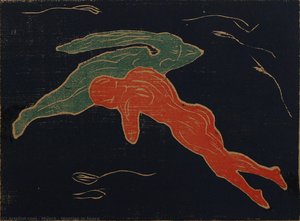
1902. ზეთი ტილოზე, 89.0 x 61.0 cm.

§ 1კატალოგის ინფორმაცია

- 89.0 x 61.0 cm


§ 2აბსტრაქტული
კოლექციონირებადი ნივთის აღწერა
/media/museums/images/thumbnails/14/cf/14cf3bda530849a8a1186f1a30bd3b8f.jpg
 გააგრძელეთ კითხვა
მხატვრის ბიოგრაფია
აღმოაჩინეთ ედვარდ მუნკი (1863-1944), გამოხატვითი ხელოვნების პიონერი! აღფრთოვანებულიყავით "სcream" და სხვა ტილოებით, რომლებიც შესულია შიშის, სიკვდილის, სიყვარულისა და ფსიქოლოგიური თემების შესწავლისას. ისტორიული მნიშვნელობის მქონე ნორვეგიელი მხატვარი.
§ 3კომენტარი
The Fisherman
Edvard Munch, a pivotal figure in modern art, is globally renowned for his iconic works that capture the essence of human emotions. Among his notable creations is The Fisherman, an oil on canvas painting from 1902 that embodies the spirit of Expressionism.Artistic Inspiration and Style
The Fisherman is thought to be inspired by a similar theme depicted in a painting by Annibale Carracci, an Italian Baroque painter. This influence is evident in the composition and subject matter, yet Munch’s interpretation is distinctly Expressionist. The painting features a man wearing a white jacket with a red scarf around his neck, standing against a green background. His face is obscured, but he holds a pipe in his mouth and wears a hat on his head. The loose brushstrokes and vibrant colors characteristic of Expressionism convey a palpable sense of unease and anxiety—a deliberate departure from the objective representation favored by earlier artistic movements.Historical Significance
This painting was initially purchased at auction in 1986 for 1.6 million francs. However, after its exhibition, it was recognized as a genuine work by Nicolas Poussin, leading to a significant increase in value. The Louvre and the Museum of Fine Arts in Lyon eventually acquired the painting in 2007 for 17 million euros. It is now housed at the Museum of Fine Arts in Lyon. The painting’s journey through the art market underscores its enduring appeal and confirms its place as a cornerstone of artistic heritage.Expressionist Elements
The Fisherman exemplifies Expressionism through its emphasis on subjective interpretation and emotional experience. Munch’s masterful use of color—particularly the jarring juxtaposition of red against green—amplifies the painting's psychological impact. The distorted form of the fisherman contributes to a feeling of disorientation and vulnerability, mirroring the artist’s own preoccupation with existential anxieties. It stands as a powerful testament to Expressionism’s commitment to portraying inner turmoil rather than simply depicting external reality.Relevance in Modern Art
Edvard Munch's work, including The Fisherman, has had a profound impact on modern art. His influence can be seen in various artistic styles and movements that followed Expressionism—from Surrealism to Abstract Expressionism—demonstrating the lasting legacy of his groundbreaking vision. For those interested in exploring more of Munch’s oeuvre, AllPaintingsStore offers handmade oil painting reproductions of his masterpieces.- The Fisherman by Edvard Munch
- Biography of Edvard Munch
- Top 5 Famous Expressionism Artists of All Time
კითხვები და პასუხები
რა გამოყენება და სივრცეა რეკომენდებული ედვარდ मुंხ-ის „მებაღა“-ისთვის?
ედვარდ मुंხ-ის „მებაღა“ რეკომენდებულია აქცენტირება-ისთვის და იდეალური იქნება მისაღები ოთახი-ში დასამონტაჟებლად. გამოყენების დანიშნულება და სივრცე ერთობლივად განსაზღვრავს, თუ სად მოუხდება რეკრედუქცია საუკეთესოდ განთავსებას.
ზოგადად, „მებაღა“ უფრო ნათელია თუ უფრო მუქი?
„მებაღა“-ის საერთო სიკაშკაშე არის ბრწყინვალე, ხოლო მისი განათება — რბილი განათება.
რა სიკაშკაშეს ახასიათებს ნამუშევარს ედვარდ मुंხ-ის „მებაღა“?
„მებაღა“-ის ფერები გამოირჩევა რბილი განათება სიკაშკაშით.


 ბეჭდვის რეჟიმზე გადართვა


 ნებისმიერი მხარისთვის 105 სმ-ზე (დაახლოებით 41 ინჩი) მეტი ზომის ხელოვნებული ნამუშევრების ან რეპროდუქციებისთვის, ჩარჩო მოგზავნდება დაშლილ კომპლექტში. ეს მეთოდი უზრუნველყოფს უსაფრთხო მიწოდებას და თავიდან აგაცილებთ ტრანსპორტირებისას შესაძლო დაზიანებას.