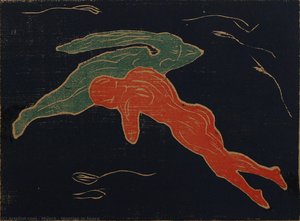
1903. ზეთი ტილოზე, 82.0 x 81.0 cm.

§ 1Catalogue data
 ზეთი ტილოზე
- კედლის ხელოვნება
- ექსპრესიონზმი
 1903
1903 82.0 x 81.0 cm
§ 2Abstract
კოლექციონირებადი ნივთის აღწერა
გამოცადეთ სიმშვიდე ედვარდ მუნკის „ტყესთან“ ერთად. ეს 1903 წლის ექსპრესიონისტული შედევრი ასახავს ბუნების არსსა და ემოციურ სიღრმეს. ფლობეთ ხელოვნების ისტორიას! #EdvardMunch #Expressionism
 სრული ტექსტის ნახვა
მხატვრის ბიოგრაფია
აღმოაჩინეთ ედვარდ მუნკი (1863-1944), გამოხატვითი ხელოვნების პიონერი! აღფრთოვანებულიყავით "სcream" და სხვა ტილოებით, რომლებიც შესულია შიშის, სიკვდილის, სიყვარულისა და ფსიქოლოგიური თემების შესწავლისას. ისტორიული მნიშვნელობის მქონე ნორვეგიელი მხატვარი.
§ 3Commentary
Edvard Munch's "Forest": A Study in Tranquility and Expressionism
Edvard Munch, a renowned Norwegian artist celebrated for his pivotal role in the Expressionist movement, created “Forest” in 1903. This evocative work transcends a simple depiction of nature; it’s an exploration of human connection to the environment, rendered with a profound sense of tranquility and emotional depth characteristic of Munch's artistic vision.
Composition and Artistic Technique
“Forest,” measuring 82 x 81 cm, is executed in oil on canvas. The composition centers around three prominent trees in the foreground, their lush green leaves conveying a feeling of vitality and health. These are contrasted by the presence of pine trees receding into the background, creating depth and perspective within the scene. Above, a blue sky dotted with clouds enhances the atmospheric quality of the forest. A solitary figure stands near the painting's center, seemingly observing or appreciating the natural beauty surrounding them. This inclusion subtly introduces a human element, emphasizing the interplay between humanity and nature.
Munch’s technique in “Forest” is notable for its expressive use of color and brushwork. While rooted in observation, the colors are heightened and intensified to convey emotional resonance rather than strict realism – a hallmark of Expressionism. The application of paint isn't smooth or blended; instead, visible brushstrokes contribute to the painting’s dynamic energy and sense of immediacy.
Expressionist Influences and Symbolism
“Forest” exemplifies Munch’s commitment to Expressionism, an artistic movement that prioritized subjective emotional experience over objective representation. The vibrant colors and emotive depiction of nature are central to this style. Unlike Impressionists who sought to capture fleeting moments of light, Munch aimed to portray the inner world of feeling. The forest itself can be interpreted symbolically – representing a sanctuary, a place of introspection, or even a reflection of the artist’s own psychological state.
Munch's other works, such as Four girls in Arsgardstrand and The Ladies on the Bridge, further demonstrate his mastery of conveying emotional depth through color and expressive brushwork, solidifying his place as a leading figure in Expressionism.
Historical Context and Legacy
Created during a period of significant artistic innovation, “Forest” reflects the broader cultural shifts occurring at the turn of the 20th century. The rise of industrialization and urbanization led to a growing sense of alienation and anxiety, which found expression in art movements like Expressionism. Munch’s work resonated with this mood, offering a powerful visual language for exploring complex emotions.
While “Forest” may not be permanently housed within the Österreichische Galerie Belvedere in Vienna, it aligns with the gallery's focus on modern Austrian art and the broader trends of the Expressionist movement. For further exploration of Edvard Munch’s life and artistic contributions, resources such as Hanns Skolle and the comprehensive history of painting at History of Painting provide valuable insights.
Emotional Impact and Enduring Appeal
“Forest” invites viewers to contemplate their own relationship with nature and find solace in its serenity. The painting’s ability to evoke a sense of calm and harmony, coupled with its striking visual style, ensures its enduring appeal as a significant contribution to the world of Expressionism. It serves not only as a beautiful work of art but also as a poignant reflection on the human condition and our connection to the natural world.
კითხვები და პასუხები
1903 წელს შექმნილი „ტყე“ ედვარდ मुंხ-ის შემოქმედების რომელი პერიოდის შესაბამისობაა?
მისი 1903 წლის თარიღიდან გამომდინარე, „ტყე“ ეკუთვნის ედვარდ मुंხ-ის მოღვაწეობის სიმწიფის პერიოდი-ს.
რა არის ორიგინალი ედვარდ मुंხ-ის „ტყე“-ის ზომები?
ედვარდ मुंხ-ის „ტყე“ ნამუშევრის დაფიქსირებული ზომებია 82 x 81 cm. რეკროდუქციების შეკვეთა შესაძლებელია სხვა ზომებშიც, პროპორციების სრული შენარჩუნებით.
სად შემიძლია ედვარდ मुंხ-ის „ტყე“-ის ციფრული გამოსახულების შეძენა?
ედვარდ मुंხ-ის „ტყე“-ის ციფრული გამოსახულების შეძენა შესაძლებელია მის ციფრული გამოსახულება გვერდზე: მაღალი გარჩევადობის ციფრული გამოსახულების ჩამოტვირთვა.


 გადართვა ბეჭდვის რეჟიმზე


 ნებისმიერი მხარისთვის 105 სმ-ზე (დაახლოებით 41 ინჩი) მეტი ზომის ხელოვნებული ნამუშევრების ან რეპროდუქციებისთვის, ჩარჩო მოგზავნდება დაშლილ კომპლექტში. ეს მეთოდი უზრუნველყოფს უსაფრთხო მიწოდებას და თავიდან აგაცილებთ ტრანსპორტირებისას შესაძლო დაზიანებას.