ნახვა ინტერьерში
 გაგზავნა
 გაზიარება
 დეტალები
 გზამკვლევი

 ჩამოტვირთვა
 მსგავსები
 რენტგენოგრაფიული კვლევა
 სლაიდშოუ
 სტატისტიკა
Vampire


 სრული ტექსტის ნახვა
გიკლე / ხელოვნების პრინტი
მუზეუმის დონის ჟიკლე ან ტილოზე ბეჭდვა სწრაფი წარმოებისა და დასრულების მოქნილი ვარიანტებით. ( შეიძინეთ ხელით შესრულებული ნახატი გადასვლა ციფრულ გამოსახულებაზე)




P118B ₾10

P118H ₾10

P118W ₾10

P438Z ₾10

P508JH ₾12

P508YH ₾12

P805H ₾10

P805Z ₾10

P919BZ ₾10

P919G ₾10

P919XJ ₾10

P959ZH ₾10

P968JZ ₾12

W106C ₾8

W218G ₾10

W218JH ₾8

W218Y ₾10

W307PJ ₾10

W316G ₾10

W316PJ ₾8

W316Y ₾10

W398PJ ₾8

W4111J ₾10

W500HY ₾15

W500JH ₾15

W692G ₾12

W849H ₾8

W940BG ₾15

W953PJ ₾8




აირჩიეთ ჩვენს მიერ წინასწარ განსაზღვრული ზომებიდან, რომლებიც ნაწარმოების ორიგინალურ პროპორციებს შეესაბამება.

შეიყვანეთ თქვენთვის საჭირო სიგანე და სიმაღლე, რათა იგი მოერგოს თქვენს ჩარჩოს ან კედელს. ბეჭდვისას შესაძლებელია მხოლოდ მისი შემცირება და არა გაზრდა, ამიტომ სხვა ფორმის ზომის შემთხვევაში გამოსახულება ნაწილობრივ იკარგება. სანამ რაიმეს დაბეჭდავთ, ჩვენ გამოგიგზავნით ციფრულ მაკეტს დასდასტურებლად. ამ გვერდზე ნაჩვენები სურათი არ ასახავს რეალურ ჭრას — ამას მხოლოდ მაკეტი გვიჩვენებს.
მიწოდება მთელ მსოფლიოში () 2 კვირაში, სტანდარტული 4/5 კვირის ნაცვლად. (27 ოქტომბერი)

უფასო ექსპრეს მიწოდება მთელ მსოფლიოში

მაღალი ხარისხის ტილო

ტრანსპორტირების სრული დაზღვევა

საბაჟო გადასახადების დაბრუნების გარანტია

ფერების სრული შესაბამისობის გარანტია

დაბრუნების 100-დღიანი პერიოდი (მხოლოდ წარმოების დეფექტის შემთხვევაში)

100% თანხის სრული დაბრუნების გარანტია

ფასდაკლება დიდი რაოდენობით შეკვეთისას
 მინის ჩარჩოს არჩევანი ხელმისაწვდომია მხოლოდ 110 სმ-მდე ზომისთვის

Vampire
გიკლე / ხელოვნების პრინტი
რეპროდუქციის ზომა
-


ჯამური ღირებულება
₾ 167
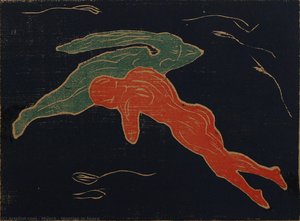
A Descent Into Darkness: Exploring Edvard Munch’s “Vampire”
Edvard Munch's "Vampire," painted in 1894, isn’t merely a depiction of a nocturnal scene; it’s a visceral plunge into the artist’s own tormented psyche. This expressionist masterpiece, rendered in stark black and white photography, captures a moment suspended between terror and an unsettling fascination – a visual embodiment of Munch's lifelong struggle with mortality, illness, and the pervasive sense of dread that haunted his existence. The photograph itself, a faithful reproduction of the original painting, immediately draws the viewer into its shadowed world, hinting at the emotional intensity contained within.
The composition is dominated by a figure lying prone, their head turned away from the viewer, seemingly lost in contemplation or perhaps confronting an unseen horror. Two birds, wings outstretched and poised mid-flight, flank this central figure – symbols of both predatory instinct and fleeting hope. Their placement isn’t casual; they actively participate in the scene's unsettling drama, suggesting a constant threat lurking just beyond perception. The stark contrast between light and shadow is crucial to Munch’s technique, creating an atmosphere of palpable unease. He employed a limited palette, emphasizing the dramatic interplay of tones to heighten the emotional impact, foregoing detailed rendering for expressive brushstrokes that convey raw feeling.
The Weight of Personal Trauma
To understand “Vampire,” one must delve into the deeply personal context of Munch’s life. The painting emerged during a period of intense psychological distress, fueled by the early deaths of his mother and sister from tuberculosis – experiences that irrevocably shaped his artistic vision. These losses weren't simply biographical events; they became foundational to his exploration of themes like sickness, death, and the fragility of human existence. His father’s strict religious beliefs further contributed to a sense of unease, creating an environment where emotional expression was often suppressed, leading Munch to find solace and release through art.
The figure in "Vampire" is widely interpreted as a self-portrait, embodying Munch's own anxieties and vulnerabilities. The averted gaze suggests a retreat from the world, a desire to escape the horrors he perceived within himself and around him. The birds, often associated with both life and death, could represent the inescapable forces of nature or perhaps even the predatory aspects of human relationships – mirroring the artist’s own feelings of being hunted by his demons.
Symbolism and Expressionist Techniques
Munch's use of symbolism is deliberately ambiguous, inviting multiple interpretations. The “vampire” itself isn’t explicitly depicted; instead, it’s implied through the atmosphere of dread and the predatory birds. This deliberate vagueness allows viewers to project their own fears and anxieties onto the scene, making "Vampire" a profoundly personal experience. The painting exemplifies key elements of Expressionism – an artistic movement that sought to convey subjective emotions rather than objective reality. Munch’s distorted forms, exaggerated lines, and intense color palette (though rendered in monochrome here) are all designed to evoke a powerful emotional response.
Furthermore, the photograph's stark black and white treatment amplifies the painting's inherent drama. The absence of color forces the viewer to focus on the composition, line, and texture – elements that contribute significantly to the work’s unsettling atmosphere. The technique mirrors Munch’s broader exploration of light and shadow as metaphors for psychological states, highlighting the interplay between darkness and illumination within the human soul.
A Timeless Exploration of Human Darkness
"Vampire" remains a hauntingly relevant artwork, continuing to resonate with audiences today. It's not a comfortable image; it confronts us with our own fears about mortality, illness, and the darker aspects of human nature. As a reproduction offered by AllPaintingsStore.com, this piece provides an exceptional opportunity to experience Munch’s genius firsthand, bringing his intensely personal vision into your home or studio. The meticulous detail captured in the photograph ensures that every nuance of the original painting is faithfully reproduced, allowing you to appreciate the artist's masterful technique and profound emotional depth.
კითხვები და პასუხები
შესაძლებელია თუ არა დამატებული რეალობის (AR) გამოყენება იმისათვის, რომ ედვარდ मुंხ-ის „Vampire“ ჩემს ოთახში ვნახო?
შეგიძლიათ ნახოთ ედვარდ मुंხ-ის „Vampire“ თქვენს საკუთარ კედელზე ნამუშევრის AR წინასწარი ნახვა გვერდის მეშვეობით, თავსდამხვევი რეალობის გამოყენებით თავსებად მოწყობილობაზე.
სად და რა დანიშნულებისთვის არის რეკომენდებული "Vampire"?
"Vampire" რეკომენდებულია Accent-ისთვის, ხოლო საუკეთესო სივრცე არის Living Room."
რა ტიპის ნამუშევარია "Vampire"?
"Vampire" არის WallArt ნამუშევარი.


მხატვრის ბიოგრაფია
შADOWNİՑ გარს შემოფარული ജീവിതით: ედვარდ მუნკის სამყარო
ედვარდ მუნკი, 1863 წელს ნორვეგიის მკაცრ ლანდშაფტებში დაბადებული მხატვარი, რომლის ნაწარმოებებიც თანสมัยობის ეპოქის შიშებისა და გრძნობრივი ტრაგიზმთან ასოცირდება. მისი ജീവിതს, რომელიც სიკვდილისა და მუდმივად არსებულ მელანქოლიასთან იყო განუყოფლად დაკავშირებული, უაღრესად გამოხატვითი ხელოვნების სათავეს წარმოადგენდა. ბავშვობიდანვე, დედისა და დას გარდაცვალების ტკივილით ნაჭრილი, მუნკმა სიკვდილის, ავადმყოფებისა და ადამიანური არსებობის ხაფითვის თემატიკას უაღრესი ძალით შეინახა. ეს გამოცდილებები 단순ი ბიოგრაფიული დეტალები არ იყო; ისინი მისი მხატვრული აღქმის საფუძველს წარმოადგენდნენ, შეუწყობდაუდებლად აძლიერებდნენ შიშების, მწუხარებისა და სურვილების შინაგანი სამყაროს შესწავლას. მამის მკაცრი რელიგიური შეხედულებები და მისივე 정신ის ავადმყოფობა კიდევ უფრო ღრმავებდა მუნკის სამყაროში არსებულ შიშს, რომელიც არა მხოლოდ მის προσωπულ ცხოვრებას, არამედ მისი ნახატების სიმბოლურ ენასაც ფორმირებდა. ის უბრალოდ სცენებს არ აღწერდა; ის შინაგანი მდგომარეობის გარეგნულ화를 ახდენდა, ფსიქოლოგიური ტკივილს ვიზუალურ სახედ თარგმნიდა.
გამოხატვის జన్ეზი: გავლენები და მხატვრული განვითარება
მუნკის მხატვრული მოგზაურობა დაიწყო კრისტიანის სამეფო ხელოვნების სკოლაში სწავლით, მაგრამ ჰანს იეგერის ბოჰემური წრეებთან და ნი힐ისტურ ფილოსოფიასთან შეხება მის 창의력을 ნამდვილად გაზარდა. იეგერმა მუნკის უწოდებია ტრადიციული აკადემიური სტილის εγκαταუყრება და საკუთარი სუბიექტური გამოცდილების სიღრმეებში ჩაღმავლება, კონცეფცია, რომელსაც მან "სულის მხატვრობა" უწოდა. ეს გადამწყვეტი მომენტი მუნკის გამორჩეული სტილის დასაწყისად marcó – ხასიათი сырой გრძნობებით, დისტორცირებული ფორმებით და ბუნებრივი წარმოების უარყოფითი მიდგომით. პარიზში მისი მოგზაურობები 1890-იან წლებში მასთან познакомил буржуазіული Пост-импрессионистური მოძრაობის გაღრმავებასთან, სადაც ის პოლ გოგენის, ვინცენტ ვან გოგისა და ანრი დე ტულუზ-ლოთრეკისგან 영향을 받았습니다. ფერის смелый გამოყენება, გამოხატვითი ხაზები და ემოციური ინტენსივობა მუნკის საკუთარი მხატვრული მიდგომების შესაბამისობაში იყო, რაც მას უნიკალური ვიზუალური ენა შექმნის საშუალებას აძლევდა, რომელიც უღრმეს ადამიანურ ემოციებს გადმოსცემდა. ბერლინში მისი დრო ასევე გადამწყვეტი აღმოჩნდა, რამაც მას პიესტა ავგუსტ სტრინდბერგთან познакомил, რომლის ფსიქოლოგიური თემების შესწავლამ კიდევ უფრო გაზარდა მუნკის მხატვრული კვლევები.
მნიშვნელოვანი ხედვები: ძირითადი ნაშრომები და მათი სიმბოლური მნიშვნელობა
მუნკის ოქროს საგანძირობა populated by images that have become deeply ingrained in the collective consciousness. The Scream, perhaps his most iconic work, transcends its status as a painting to become a universal symbol of existential angst. The swirling, fiery landscape and the figure’s contorted face embody a primal scream against the indifference of the universe. Madonna, a controversial and deeply personal piece, explores themes of sexuality, motherhood, and mortality with unsettling frankness. Recurring motifs like The Sick Child – inspired by the loss of his sister Sophie – serve as poignant reminders of Munch’s childhood trauma and the ever-present specter of death. Melancholy I & II, powerful depictions of profound sadness and isolation, reveal a vulnerability that is both deeply personal and universally relatable. These works aren't simply representations of external reality; they are windows into the artist’s soul, offering viewers an unflinching glimpse into the darkest corners of the human psyche. Munch didn’t aim to create beautiful images; he sought to convey truth – even if that truth was painful and unsettling.
მემკვიდრეობა: ისტორიული მნიშვნელობა და მდგრადი გავლენა
ედვარდ მუნკის წვლილი თანამედროვე ხელოვნებაში შეუდარებელია. ის გამოხატვითობის განვითარებაში გადამწყვეტი ფიგურაა, რომელიც გზას უთოფრობს იმ მხატვრებს, რომლებიც სუბიექტური ემოციების მნიშვნელობას წარმოადგენდნენ ობიექტური წარმოსადგენლად. მისი შიშველი შესწავლა უნივერსალური ადამიანური გამოცდილებებისა – სიყვარული, დაკარგვა, შფოთვა და სიკვდილი – დღესაც აინტერესებს მაყურებლებს, რაც მის ადგილს ხელოვნებაში ერთ-ერთ ყველაზე влиятельным და მდგრად ფიგურად ամրlaştırდა. მისი ნაშრომები მნიშვნელოვნად повлиял последующим поколениям художников, влияя на движения, такие как немецкий экспрессионизм и за его пределами. მან გაბედა სიკეთის მუქი მხარის αντιμετώებას, გამოწვევას უწოდებდა ხელოვნების ტრადიციულ აღქმებს. მაშინაც კი, როდესაც ის დიდება და აღიარება მიაღწია – რაც ოსლოს მუნკის Музеумის შექმნით დასრულდა – მისი προσωπული ცხოვრება არასტაბილური იყო, რომელიც 정신ის ავადმყოფების პერიოდებით იყო χαρακτηρισμένη. თუმცა, ყველაფრის მიუხედავად, ის 계속해서 δημιουργούσε, оставляя за собой работу, которая продолжает провоцировать, бросать вызов и вдохновлять. Munch’s legacy isn't just about the paintings themselves; it’s about the courage to confront the complexities of human existence and to translate those experiences into art that speaks to the deepest parts of our being.
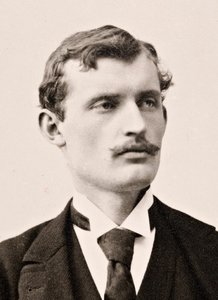
ედვარდ मुंხ
1863 - 1944 , შვედეთი
მოკლე ფაქტები
- Artistic Movement Or Style: ექსპრესიონიზმი
- Artists Or Movements Influenced By This Artist: ['გერმანული ექსპრესიონიზმი']
- Artists Who Influenced This Artist:
- პოლ გაგანი
- ვინსენტ ვან გოგი
- ენრი დე ტულუზ-ლოთრეკი
- Date Of Birth: 1863 წლის 12 დეკემბერი
- Date Of Death: 1944 წლის 23 იანვარი
- Full Name: ედვარდ მუნხი
- Nationality: ნორვეგიელი
- Notable Artworks:
- The Scream
- Madonna
- The Sick Child
- Place Of Birth: ადელსბრუკი, შვედეთი
მსგავსი სტატიები

Dark Masterpieces: 10 Iconic Paintings Dominated by Black Tones |
Explore 10 iconic paintings dominated by black tones, from Rembrandt’s chiaroscuro to Goya's dark expressions. Discover the stories behind these masterpieces & find museum-quality art reproductions for your home at .

White on Canvas: 10 Masterpieces & Timeless Elegance for Your Home Decor
Explore 10 iconic white paintings by Monet, Whistler & Rothko! Discover the stories behind these serene masterpieces and their impact on art history. Find museum-quality reproductions for your home decor at .

ექსპრესიონიზმის 10 შედევრი: ხელოვნება, რომელიც განაჩაღებს გრძნობებს
აღმოფრთოვანდით ექსპრესიონიზმის შედევრებით! ვან გოგი, მუნკი და სხვა ოსტატების 10 ყველაზე მნიშვნელოვანი ტილო. შეიგრძენემოციები, ფერები და ისტორია. იხილეთ ხელოვნების შესანიშნავი კოლექცია AllPaintingsStore.com-ზე!

Edvard Munch: Anxiety, Modernity & the Dawn of Expressionism
Explore the profound world of Edvard Munch, pioneer of Expressionism. Discover the origins of 'The Scream' & his haunting depictions of anxiety, mortality, and love. Expert analysis & high-quality reproductions at AllPaintingsStore.

ედვარდ მუნკის 25 შედევრი: ხელოვნების ისტორია თქვენს სახლში | AllPaintingsStore
გაიცანით ედვარდ მუნკის 25 შედევრი! ექსპრესიონიზმის გენიის ნახატები, შფოთვისა და მელანქოლიის ისტორია. შეიძინეთ ხარისხიანი რეკრეაციები AllPaintingsStore-ზე და შექმნით თქვენი სახლის უნიკალური ინტერიერი. აღმოაჩინეთ მთელი კოლექცია ონლაინ!