თანხის დაბრუნების გარანტია · 100 დღე უფასო მიწოდება მთელ მსოფლიოში
449 587ნამუშევრები 30 613მხატვრები 4 660მუზეუმები 32ენები
Catalogue entry

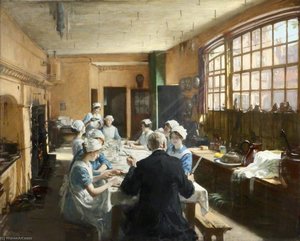
File Cutters

1917. , 31.0 x 47.0 cm.

Fig. 1. Edward Frederick Skinner, File Cutters, 1917. Shown as the reproduction you are specifying: , .

§ 1Catalogue data

ზომები
31.0 x 47.0 cm

§ 2Abstract

კოლექციონირებადი ნივთის აღწერა

Explore 'File Cutters' by Edward Frederick Skinner (1917). A detailed oil painting capturing Victorian-era factory life & women’s labor. Academic realism, industrial detail. Perfect for art collectors!

მხატვრის ბიოგრაფია

Edward Frederick Skinner (1865-1924) was a British painter known for his realistic depictions of industrial scenes, factories, and wartime production. Explore his captivating works documenting the era's labor & machinery.

§ 3Commentary

The painting "File Cutters" by Edward Frederick Skinner is a remarkable representation of the industrial era, showcasing women working together in a factory setting. Created in 1917, this oil on canvas piece measures 31 x 47 cm and is currently housed at the Science Museum in the United Kingdom.

Industrial Setting and Women's Roles

The scene depicts a group of women seated at tables with sewing machines, engaged in the production of clothing items such as dresses. The atmosphere suggests an industrial setting where teamwork and collaboration are essential. This painting highlights the significant role women played in the workforce during this period, often working in factories and contributing to the war effort. Key aspects of the painting include the attention to detail in the depiction of the sewing machines and the factory environment. The women appear focused and engaged in their tasks, demonstrating the importance of their work. For more information on industrial-themed paintings, visit Otto Friedrich Wilhelm Lietz: Industry in the Visual Arts at the Grohmann Museum.

Artist and Style

Edward Frederick Skinner was a notable artist known for his contributions to the representation of industrial scenes. His style often featured detailed depictions of machinery and factory settings, as seen in "File Cutters" and other works like Coiling and Setting Springs and Making Bessemer Steel. These paintings provide a glimpse into the industrial era, showcasing the evolution of manufacturing processes. Handmade oil painting reproductions of "File Cutters" by Edward Frederick Skinner are available at AllPaintingsStore, allowing art enthusiasts to own a piece of history. These reproductions are carefully crafted to capture the essence and detail of the original painting, making them a valuable addition to any art collection.
The "File Cutters" by Edward Frederick Skinner is a significant artwork that highlights the importance of women's roles in the industrial era. Its detailed depiction of factory life and machinery makes it a fascinating piece for art enthusiasts and historians alike.

კითხვები და პასუხები

ცნობილია თუ არა სხვა სახელებით „File Cutters“-ის ავტორი, Edward Frederick Skinner?

Edward Frederick Skinner ასევე ცნობილია როგორც E F Skinner.

რას გამოსახავს "File Cutters"?

Edward Frederick Skinner-ის „File Cutters“-ზე გამოსახულია: industrial labor, women workers”, “factory life”, “victorian era”, “detailed art”, “social commentary”, “1917 history”.

რა არის Edward Frederick Skinner-ის „File Cutters“-ის დომინანტური ფერი?

Edward Frederick Skinner-ის „File Cutters“-ში დომინირებს Warm Sunset Tones ტონალობა.

§ 4The artist

Quick facts about Edward Frederick Skinner

  • Artistic Movement Or Style: Realism
  • Artists Or Movements Influenced By This Artist: ['Arts and Crafts Movement']
  • Artists Who Influenced This Artist: ['William Morris']
  • Date Of Birth: 1865
  • Date Of Death: 1924
  • Full Name: Edward Frederick Skinner
  • Nationality: British
  • Notable Artworks:
    • Factory Scene I
    • Coal Mine Landscape
  • Place Of Birth: London, England

მხატვრის ბიოგრაფია

The Chronicler of the Industrial Soul

Edward Frederick Skinner, a name synonymous with the gritty, unvarnished reality of Britain’s industrial zenith, occupied a unique space in the early 20th-century art world. Born in London in 1865, Skinner emerged during an era defined by rapid technological expansion and a profound shift in the social fabric of the nation. While many of his contemporaries sought refuge in the ethereal beauty of idealized landscapes or the timeless grace of mythological subjects, Skinner turned his gaze toward the smoke-filled horizons of factories, mills, and workshops. His work serves as a visceral window into an age of iron and steam, capturing the transformative impact of machinery upon the human spirit and the physical landscape of England.

His artistic foundation was laid within the prestigious halls of the Slade School of Fine Art, where he underwent rigorous training under the watchful eyes of masters such as Frederic Leighton and Joseph Hooker. This academic lineage bestowed upon him a meticulous command of traditional techniques and an unwavering commitment to precision. It was this very discipline that allowed him to approach industrial subjects not with mere observation, but with a profound anatomical and structural accuracy. Skinner did not merely paint machines; he understood their weight, their texture, and the way they interacted with the light and the laborers who tended them.

A Realist Vision of Progress and Labor

The true essence of Skinner’s oeuvre lies in his refusal to romanticize the hardships of the working class. His breakthrough came through a seriesed of paintings that documented the pulsating heart of British industry. In works such as File Cutters, created in 1917, he captures the quiet intensity of women engaged in factory production. Through his brush, the rhythmic movement of sewing machines and the focused expressions of the laborers become symbols of a collective national effort. He utilized light not to soften the harshness of the factory floor, but to illuminate the dignity found within strenuous toil.

Skinner’s mastery of composition allowed him to weave complex narratives of productivity and order. In Forging Files, he employs a sophisticated use of warm colors and soft lighting to create a sense of familiarity within the industrial setting, yet he maintains an unflinching eye for the mechanical details that define the era. His ability to balance the monumental presence of heavy machinery with the delicate human elements of his subjects created a tension that mirrored the societal shifts of his time. Whether depicting the heat of a forge or the organized chaos of a machine shop, Skinner’s canvases act as historical documents, preserving the atmosphere of an era that was rapidly being reshaped by the very tools he so lovingly rendered.

War, Propaganda, and Lasting Legacy

As the shadows of World War I descended upon Europe, Skinner’s artistic mission took on a new, more urgent dimension. His talent was harnessed for the purpose of documentation and national morale, leading to commissions from the British Government. During this period, his work became an essential component of a concerted propaganda campaign, illustrating the vital role of munitions factories, naval shipyards, and the preparation of soldiers. In paintings like One of the Machine Shops, he captured the scale of wartime production, where large-scale weaponry and heavy transport were integrated into the daily landscape of labor.

The historical significance of Edward Frederick Skinner extends far beyond the aesthetic value of his oil paintings. He remains a pivotal figure for understanding the visual identity of the Industrial Age. His legacy is found in the way he bridged the gap between fine art and social documentation, elevating the factory floor to the status of a worthy subject for high art. Today, his works, many of which are preserved in institutions like the Science Museum in the United Kingdom, continue to offer profound insights into the evolution of manufacturing, the changing roles of women in the workforce, and the enduring, complex relationship between humanity and the machines we create.

§ 5Comparanda

§ 6Questions

§ 7Cite this entry

AllPaintingsStore.com, “Edward Frederick Skinner, File Cutters (1917)”, https://allpaintingsstore.com/ka/art/edward-frederick-skinner-file-cutters-AR28W2-en/ArtistReproduction/ (accessed 4 ოქტომბერი 2026).

§ 8The reproduction

ხელით შესრულებული ზეთის საღებავით რეპროდუქცია

ტილოზე შესრულებული ფერწერიანი ზეთប្រდათი, თქვენთვის სასურველი ზომისა და ჩარჩოსთვის, ჩვენი ხელოვანების მიერ შეკვეთის საფუძველზე დამზადებული. ( გადართვა ბეჭდვის რეჟიმზე გადასვლა ციფრულ გამოსახულებაზე)

It is specified on the order sheet in the margin; the present state of that sheet reads as follows.

File Cutters

რეპროდუქციის ტექნიკა

რეპროდუქციის ზომა

-

დასახელებული ხელოვანთა შერჩეული კოლექცია

უფრო მეტი დეტალიზაცია, დახვეწილობა და დამატებითი დამუშავების დრო

-

რეკლამაციის ჩარჩო

-

-

ნებისმიერი მხარისთვის 105 სმ-ზე (დაახლოებით 41 ინჩი) მეტი ზომის ხელოვნებული ნამუშევრების ან რეპროდუქციებისთვის, ჩარჩო მოგზავნდება დაშლილ კომპლექტში. ეს მეთოდი უზრუნველყოფს უსაფრთხო მიწოდებას და თავიდან აგაცილებთ ტრანსპორტირებისას შესაძლო დაზიანებას.

საჭიროა პროფესიონალური აწყობა - ეს არ არის თვითმომსახურების (DIY) პროდუქტი.
კომპლექტის აწყობა და ტილოს დაჭიმვა უნდა განახორციელოს გამოცდილმა პროფესიონალმა ჩარჩოს დამამზადებელმა, ხის წებოს (არ შედის კომპლექტში), ტილოს დაჭიმვის ბერჭებისა და საკრამების გამოყენებით, რათა წებოს გასაშრობად ღერძები სწორად და სტაბილურად დაფიქსირდეს. არასწორი აწყობა ან ტილოს არათანაბარი დაჭიმვა შეიძლება გამოიწვიოს ნამუშევრის სამუდამო დაზიანება, რაც არ იფარება ჩვენი გარანტიით.

  • კომპლექტში შედის მყარი ხის ყველა ღერძი, ზუსტად გაზომილი და საჭირო ზომაზე დაჭრილი.

  • აწყობისთვის გამოიყენება მოთავსებული ხრახნები; ასევე დაგჭირდებათ ხის წებო კუთხეების დასაკავშირებლად, რომელიც კომპლექტში არ შედის და თქვენმა ჩარჩოს დამამზადებელმა უნდა შეიძინოს დამოუკიდებლად.

  • საჭიროა პროფესიონალური ხელსაწყოები, რომლებიც არ შედის კომპლექტში: ტილოს დაჭიმვის ბრჭყალები (დამჭერი) და სამჭედლები, რათა წებოს გასაშრობ პროცესში რამკოს კუთხეები სწორად ფიქსირდეს.

მნიშვნელოვანია:
კუთხეების დასაკავშირებლად საჭიროა ხის წებო; სანამ წებო სრულად გაშრება, ღერძები დაფიქსირებული უნდა იყოს საკავშირეებით, ხოლო აწყობილ ჩარჩოზე ტილოს დასჭიმად საჭიროა ტილოს დასჭიმელი ბრჭჭვალი. არცერთი ეს ნივთი არ შედის კომპლექტში. გთხოვთ, ამ ზომის შეკვეთამდე წინასწარ დაგეგმოთ გამოცდილი პროფესიონალი ჩარჩოს დამზადებელი.

სახელოვანი ფირფიტა

-

-

დამცავი ლაქი

ბზინვარე ლაქი (აფერსკვიატებს ფერებს და იცავს სინათლისა და ტენისგან)

-

ჩემი ნამუშევრის პერსონალიზაცია

რა შეიძლება შეიცვალოს (მაგალითები): სახის შეცვლა მომხმარებლის ფოტოთი; შინაური ცხოველის დამატება (მაგალითად, კატის დგებით შეცვლა); ფონზე ფარული შეტყობინების დამატება; ფონის ლანდშაფტის ან ელემენტების შეცვლა.

-

სასწრაფო მიწოდება

მიწოდება მსოფლიო მასშტაბით () 3-4 კვირაში, სტანდარტული 5 კვირის ნაცვლად. (1 ნოემბერი). ხარისხზე კომპრომისის გაკეთება არ მოხდება.

-

ექსპრეს-მიწოდება

მიწოდება მსოფლიოს მასშტაბით (), 5 კვირაში. (8 ნოემბერი).

მოყვება

ჯამური ღირებულება

₾ 997

Included with every order

  • უფასო ექსპრეს მიწოდება მთელ მსოფლიოში
  • მაღალი ხარისხის ტილო
  • ტრანსპორტირების სრული დაზღვევა
  • საბაჟო გადასახადების დაბრუნების გარანტია
  • ფერების სრული შესაბამისობის გარანტია
  • დაბრუნების 100-დღიანი პერიოდი (მხოლოდ წარმოების დეფექტის შემთხვევაში)
  • 100% თანხის სრული დაბრუნების გარანტია
  • ფასდაკლება დიდი რაოდენობით შეკვეთისას
Order sheet