თანხის დაბრუნების გარანტია · 100 დღე უფასო მიწოდება მთელ მსოფლიოში
449 564ნამუშევრები 30 613მხატვრები 4 660მუზეუმები 32ენები
კატალოგის ჩანაწერი

Two swimmers, Fehmarn

Oil On Canvas.

away ფრაგმენტი 1. ერნსტ ლუი დიო ბი 치 კირ შ ნᅥ რ, Two swimmers, Fehmarn. წარმოდგენილია როგორც თქვენ მიერ მითითებული რეპროდუქცია: , .

§ 1კატალოგის მონაცემები

§ 2აბსტრაქტული

კოლექციონირებადი ნივთის აღწერა

მხატვრის ბიოგრაფია

ერნსტ ლუი დიქშერი გერმანელი მხატვარი ბელა-ალლიანსი პლატზი ბერლინის ცენტრალურ მოედანი და ტრუმფე მეგობრობის ძეგლი ჩადებულია გამოხდა სტილისთვის და ფანტაზია სურათში. მისი ნაწარმავები და მხატვრობა გერმანელი expressãoისტების ერთგვარ ლიდერს წარმოადგენენ და ბერლინის დედაქალაქის ცენტრალურ მოედანი და ტრუმფე მეგობრობის ძეგლი ჩადებულია გამოხდა სტილისთვის და ფანტაზია სურათში.

§ 3კომენტარი

Two Swimmers, Fehmarn: A Fragment of Expressionist Anxiety

“Two Bathers on the Fehmarn Coast” by Ernst Ludwig Kirchner isn’t merely a depiction of figures submerged in water; it's a visceral distillation of anxieties simmering beneath the surface of early 20th-century Germany. Painted in 1912, this artwork embodies the core tenets of Expressionism – subjective experience prioritized over objective representation—and captures a moment fraught with psychological tension that continues to resonate today. The painting resides within the portfolio of Die Brücke (“The Bridge”), a group of German artists who sought to liberate art from academic constraints and express raw emotion through distorted forms and jarring color palettes.

Composition and Technique: Flattened Perspective, Bold Brushstrokes

Kirchner’s compositional choices immediately establish an unsettling atmosphere. The canvas eschews traditional perspective, presenting a flattened plane where the two swimmers dominate the frame, compressing the space and intensifying the feeling of immediacy. Their poses are deliberately ambiguous—one appearing to ascend from the depths while the other remains submerged—suggesting vulnerability alongside movement. Kirchner’s masterful technique utilizes thick impasto paint application, creating a palpable textural surface that conveys the urgency of the scene. Bold, expressive brushstrokes carve out contours and define shapes with uncompromising conviction, mirroring the turbulent emotional landscape depicted. The artist deliberately avoids anatomical accuracy, prioritizing the conveyance of feeling over precise detail—a hallmark of Expressionist aesthetics.

Color Palette and Symbolism: Blues and Reds – Heat Within Cool

The color scheme is dominated by blues and pinks/reds, a striking juxtaposition that speaks to the painting’s underlying psychological complexity. The deep azure of the water serves as a grounding element against which the figures' flesh tones—ranging from pale pinks to reds—burst forth with unsettling vibrancy. These colors aren’t merely descriptive; they embody heat and intensity, mirroring the emotional turmoil experienced by the subjects. Above the waterline, Kirchner employs muted browns and blacks, hinting at the desolate shoreline and reinforcing the sense of isolation. The color choices are laden with symbolic significance – the blues representing calmness yet concealing hidden anxieties, while the reds embodying passion and danger—reflecting the broader cultural concerns of the time regarding societal upheaval and personal vulnerability.

Historical Context: Weimar Republic Uncertainty

“Two Swimmers” emerged during the Weimar Republic, a period marked by political instability, economic hardship, and burgeoning artistic experimentation. Kirchner’s work reflects the pervasive anxieties surrounding these developments – fears of fragmentation, loss of identity, and impending doom. The Expressionist movement itself was born from disillusionment with bourgeois values and a desire to confront the darker aspects of human experience. Artists like Kirchner sought to bypass rational thought and tap into primal emotions—fear, despair, ecstasy—to communicate truths inaccessible through conventional artistic methods. This painting stands as a testament to the power of art to capture not just what is seen but what is felt.

Emotional Impact: A Portrait of Psychological Discomfort

Ultimately, “Two Swimmers” succeeds in conveying profound psychological discomfort. The distorted forms and jarring color combinations unsettle the viewer, forcing them to confront uncomfortable truths about human vulnerability and isolation. Kirchner’s masterful use of light—diffused and uneven—further contributes to this unsettling effect, creating a space devoid of comfort or reassurance. Viewing this artwork is akin to stepping into a realm where logic yields to emotion, prompting contemplation on themes of anxiety, exposure, and the precariousness of existence – enduring legacies of Expressionist art and Kirchner’s singular vision.

კითხვები და პასუხები

რისთვის არის რეკომენდებული "Two swimmers, Fehmarn"-ის პრინტის გამოყენება?

ერნსტ ლუი დიო ბი 치 კირ შ ნᅥ რ-ის „Two swimmers, Fehmarn“-ის რეპროდუქცია რეკომენდებულია Accent-ისთვის. ეს შეკვეთა ეფუძნება ნამუშევრის შინაარსს, განწყობასა და ფერებს.

რა არის ერნსტ ლუი დიო ბი 치 კირ შ ნᅥ რ-ის „Two swimmers, Fehmarn“-ის აღქმადი სიკაშკაშე?

აღქმული სიკაშკაშის თვალსაზრისით, ერნსტ ლუი დიო ბი 치 კირ შ ნᅥ რ-ის „Two swimmers, Fehmarn“ არის balanced.

შეიძლება თუ არა "Two swimmers, Fehmarn" შეძენა როგორც მხატვრული პრინტი?

ერნსტ ლუი დიო ბი 치 კირ შ ნᅥ რ-ის „Two swimmers, Fehmarn“-ის პრინტი შეგიძლიათ პირდაპირ მისი ხელოვნების მაღალი ხარისხის ბეჭედი გვერდიდან შეუკვეთოთ: ხელოვნების მაღალი ხარისხის ბეჭდური ბამბის ტილოს ან საარქივო ტილოს ქაღალდის ბაზაზე.
§ 4ხატულა

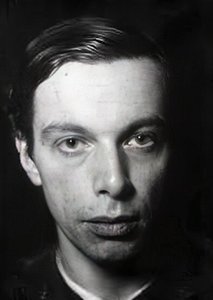
მოკლე ფაქტები ერნსტ ლუი დიო ბი 치 კირ შ ნᅥ რ შესახებ

  • Artistic Movement Or Style: ექსპრესიონიზმი
  • Artists Who Influenced This Artist:
    • ალბრეხტი დურერი
    • ვინსენტი ვან გოხი
    • ედვარდი მუნხ
  • Date Of Birth: 6 მაისი 1880
  • Date Of Death: 15 ივნისი 1938
  • Full Name: Ernst Ludwig Kirchner
  • Nationality: გერმანელი
  • Notable Artworks:
    • სტურიტის სველი დანდები
    • დი ბრიუხე
    • სავაჭრო სადგომები და კაფეები
  • Place Of Birth: ასშაფენბურგი, გერმანია

მხატვრის ბიოგრაფია

Ernst Ludwig Kirchner (1880-1938): A Life Forged in Expression

Ernst Ludwig Kirchner, a name inextricably linked to the visceral heart of German Expressionism, emerged from a formative period – the cusp of monumental societal shifts – shaping an artistic trajectory defined by both fervent innovation and profound personal torment. His birth in Aschaffenburg, Bavaria, in 1880, initiated a life irrevocably molded by artistic experimentation and shadowed by psychological complexities. The evolving landscapes surrounding his childhood, dictated largely by his father’s profession as a paper scientist, instilled within him an inherent sense of displacement—a feeling that would subsequently permeate the very core of his oeuvre. From Frankfurt to Perlen, and culminating in his settled existence in Chemnitz, Kirchner absorbed the burgeoning anxieties characteristic of Germany's accelerating modernization, fueling a creative impulse rooted in confronting these turbulent currents. Initially steered toward architecture at Königliche Technische Hochschule Dresden, it was an instinctive yearning for painting—a rejection of academic formalism coupled with admiration for masters like Albrecht Dürer—that ultimately cemented his artistic vocation. He found kinship amongst fellow rebels – Fritz Bleyl, Karl Schmidt-Rottluff, and Erich Heckel – forging bonds that irrevocably altered the trajectory of 20th-century art history.

Die Brücke: A Collective Response to Modern Anxiety

Kirchner’s artistic journey gained momentum in 1905 with his pivotal membership in *Die Brücke* (“The Bridge”), an artistic collective dedicated to bridging the chasm between traditional aesthetics and a more emotionally charged artistic idiom. This wasn't merely stylistic preference; it represented a fundamental philosophical stance—a resolute determination to transcend prevailing societal norms and embrace a radically honest portrayal of human experience. The group’s inspiration drew from sources often marginalized by the established art world: primitive art originating in Africa and Oceania, the audacious chromatic palette championed by Vincent van Gogh, and Edvard Munch's haunting exploration of psychological depths. Rejecting idealized representations of beauty favored by academic painting, *Die Brücke* artists deliberately distorted forms, employed jarring color combinations, and utilized expressive brushwork to convey the pervasive anxieties underpinning modern life. Kirchner’s formative works born from this collaborative spirit pulsed with an unrestrained energy—a reflection of the collective's shared conviction that artistic expression could serve as a conduit for confronting existential uncertainties. The studio became a crucible for experimentation, mirroring the broader societal upheaval of the era and fostering a dialogue between tradition and innovation.

Early Influences & Artistic Training

Kirchner’s formative years were marked by intellectual curiosity and a burgeoning appreciation for visual art. His father's occupation as Professor of Paper Sciences instilled in him an awareness of craftsmanship and meticulous observation—skills that would prove invaluable to his artistic development. Attending Königliche Technische Hochschule Dresden provided him with foundational architectural training alongside intensive artistic instruction, cultivating his understanding of perspective drawing and the historical study of art. Notably, he befriended Fritz Bleyl during his studies, sharing a profound intellectual kinship characterized by spirited debate regarding artistic philosophy and aesthetic ideals. This friendship profoundly shaped Kirchner’s worldview—a conviction that art possessed the capacity to transcend superficial appearances and grapple with fundamental questions concerning human existence. His early explorations encompassed meticulous botanical drawings alongside ambitious architectural sketches—demonstrating a multifaceted approach to visual representation rooted in both scientific rigor and artistic sensitivity.

The Expressionist Style: Distortion & Emotion

Kirchner’s artistic style swiftly distinguished itself from prevailing academic conventions, establishing him as a pioneer of German Expressionism. Rejecting the pursuit of idealized beauty—a hallmark of Impressionism—he embraced distortion, jarring color palettes, and expressive brushwork to convey profound emotional states. Influenced particularly by Henri Matisse and Edvard Munch, Kirchner deliberately manipulated form and color to heighten the impact of his compositions—creating visual narratives that prioritized psychological resonance over literal accuracy. His canvases pulsated with an energy born from confronting anxieties about humanity’s place in the modern world—a preoccupation reflected in recurring motifs such as urban landscapes populated by solitary figures grappling with existential dilemmas. The studio served as a locus for experimentation, mirroring the broader societal turbulence of the period and fostering a dialogue between tradition and innovation. Kirchner's masterful handling of pigment—characterized by visible brushstrokes and bold color combinations—became synonymous with the Expressionist aesthetic—a testament to his unwavering commitment to artistic truthfulness.

Legacy & Recognition: Facing Adversity

Kirchner’s artistic career was tragically curtailed by the rise of Nazism in 1933, resulting in devastating consequences for his work and personal life. Over six hundred of his paintings were confiscated and deemed “degenerate” art—a politically motivated act that inflicted irreparable damage upon his reputation and severed him from mainstream German cultural discourse. Suffering from debilitating illness—likely exacerbated by psychological trauma—Kirchner retreated to Davos, Switzerland, seeking solace amidst the tranquil Alpine landscape. Despite facing persecution and declining health, he continued to create—producing evocative depictions of mountains and forests imbued with a palpable sense of melancholy and longing. Tragically, Kirchner succumbed to suicide in 1938—a poignant end to a life dedicated to artistic expression and confronting existential anxieties. Nevertheless, Ernst Ludwig Kirchner’s enduring legacy persists as a cornerstone of German Expressionism—inspiring generations of artists with his uncompromising vision and masterful technique. His paintings continue to resonate powerfully today—serving as a testament to the transformative potential of art to grapple with profound questions concerning human experience and societal change.

§ 5დამსგავსი ნამუშევრები

§ 6კითხვები

მოკლე ფაქტები

  • Notable elements or techniques: Bold brushstrokes, Impasto
  • Year: 1912
  • Influences: Dürer
  • Medium: Oil on canvas
  • Artist: Ernst Ludwig Kirchner

ტესტი ხელოვნების შესახებ

თითოეულ კითხვაზე მხოლოდ ერთი სწორი პასუხია.

კითხვა 1:
What artistic movement is Ernst Ludwig Kirchner’s ‘Two Swimmers, Fehmarn’ primarily associated with?
კითხვა 2:
The painting utilizes a flattened perspective. What does this technique contribute to the overall impression of the artwork?
კითხვა 3:
What dominant color palette is employed in ‘Two Swimmers, Fehmarn’, reflecting the mood and atmosphere conveyed by the artwork?
კითხვა 4:
Kirchner’s use of thick brushstrokes and impasto technique aims to achieve what artistic effect?
კითხვა 5:
According to the description, what symbolic element is suggested by the depiction of nude figures in ‘Two Swimmers, Fehmarn’?

§ 7მოიყვანეთ ციტატა ამ ჩანაწერიდან

AllPaintingsStore.com, “ერნსტ ლუი დიო ბი 치 კირ შ ნᅥ რ, Two swimmers, Fehmarn”, https://allpaintingsstore.com/ka/art/ernst-ludwig-kirchner-two-swimmers-fehmarn-8LHTTM-en/ArtistReproduction/ (დათარიღდა 6 ოქტომბერი 2026).

§ 8რეკრედუქცია

ხელით შესრულებული ზეთის საღებავით რეპროდუქცია

ტილოზე შესრულებული ფერწერიანი ზეთប្រდათი, თქვენთვის სასურველი ზომისა და ჩარჩოსთვის, ჩვენი ხელოვანების მიერ შეკვეთის საფუძველზე დამზადებული. ( გადართვა ბეჭდვის რეჟიმზე გადასვლა ციფრულ გამოსახულებაზე)

ეს მითითებულია შეკვეთის ფურცლის გვერდითა მხარეში; ამ ფურცლის ამჟამინდელი მდგომარეობა შემდეგნაირად გამოიძახებს:

Two swimmers, Fehmarn

რეპროდუქციის ტექნიკა

რეპროდუქციის ზომა

-

დასახელებული ხელოვანთა შერჩეული კოლექცია

უფრო მეტი დეტალიზაცია, დახვეწილობა და დამატებითი დამუშავების დრო

-

რეკლამაციის ჩარჩო

-

-

ნებისმიერი მხარისთვის 105 სმ-ზე (დაახლოებით 41 ინჩი) მეტი ზომის ხელოვნებული ნამუშევრების ან რეპროდუქციებისთვის, ჩარჩო მოგზავნდება დაშლილ კომპლექტში. ეს მეთოდი უზრუნველყოფს უსაფრთხო მიწოდებას და თავიდან აგაცილებთ ტრანსპორტირებისას შესაძლო დაზიანებას.

საჭიროა პროფესიონალური აწყობა - ეს არ არის თვითმომსახურების (DIY) პროდუქტი.
კომპლექტის აწყობა და ტილოს დაჭიმვა უნდა განახორციელოს გამოცდილმა პროფესიონალმა ჩარჩოს დამამზადებელმა, ხის წებოს (არ შედის კომპლექტში), ტილოს დაჭიმვის ბერჭებისა და საკრამების გამოყენებით, რათა წებოს გასაშრობად ღერძები სწორად და სტაბილურად დაფიქსირდეს. არასწორი აწყობა ან ტილოს არათანაბარი დაჭიმვა შეიძლება გამოიწვიოს ნამუშევრის სამუდამო დაზიანება, რაც არ იფარება ჩვენი გარანტიით.

  • კომპლექტში შედის მყარი ხის ყველა ღერძი, ზუსტად გაზომილი და საჭირო ზომაზე დაჭრილი.

  • აწყობისთვის გამოიყენება მოთავსებული ხრახნები; ასევე დაგჭირდებათ ხის წებო კუთხეების დასაკავშირებლად, რომელიც კომპლექტში არ შედის და თქვენმა ჩარჩოს დამამზადებელმა უნდა შეიძინოს დამოუკიდებლად.

  • საჭიროა პროფესიონალური ხელსაწყოები, რომლებიც არ შედის კომპლექტში: ტილოს დაჭიმვის ბრჭყალები (დამჭერი) და სამჭედლები, რათა წებოს გასაშრობ პროცესში რამკოს კუთხეები სწორად ფიქსირდეს.

მნიშვნელოვანია:
კუთხეების დასაკავშირებლად საჭიროა ხის წებო; სანამ წებო სრულად გაშრება, ღერძები დაფიქსირებული უნდა იყოს საკავშირეებით, ხოლო აწყობილ ჩარჩოზე ტილოს დასჭიმად საჭიროა ტილოს დასჭიმელი ბრჭჭვალი. არცერთი ეს ნივთი არ შედის კომპლექტში. გთხოვთ, ამ ზომის შეკვეთამდე წინასწარ დაგეგმოთ გამოცდილი პროფესიონალი ჩარჩოს დამზადებელი.

სახელოვანი ფირფიტა

-

-

დამცავი ლაქი

ბზინვარე ლაქი (აფერსკვიატებს ფერებს და იცავს სინათლისა და ტენისგან)

-

ჩემი ნამუშევრის პერსონალიზაცია

რა შეიძლება შეიცვალოს (მაგალითები): სახის შეცვლა მომხმარებლის ფოტოთი; შინაური ცხოველის დამატება (მაგალითად, კატის დგებით შეცვლა); ფონზე ფარული შეტყობინების დამატება; ფონის ლანდშაფტის ან ელემენტების შეცვლა.

-

სასწრაფო მიწოდება

მიწოდება მსოფლიო მასშტაბით () 3-4 კვირაში, სტანდარტული 5 კვირის ნაცვლად. (3 ნოემბერი). ხარისხზე კომპრომისის გაკეთება არ მოხდება.

-

ექსპრეს-მიწოდება

მიწოდება მსოფლიოს მასშტაბით (), 5 კვირაში. (10 ნოემბერი).

მოყვება

ჯამური ღირებულება

₾ 736

მოყვება თითოეულ შეკვეთასთან ერთად

  • უფასო ექსპრეს მიწოდება მთელ მსოფლიოში
  • მაღალი ხარისხის ტილო
  • ტრანსპორტირების სრული დაზღვევა
  • საბაჟო გადასახადების დაბრუნების გარანტია
  • ფერების სრული შესაბამისობის გარანტია
  • დაბრუნების 100-დღიანი პერიოდი (მხოლოდ წარმოების დეფექტის შემთხვევაში)
  • 100% თანხის სრული დაბრუნების გარანტია
  • ფასდაკლება დიდი რაოდენობით შეკვეთისას
შეკვეთის ფურცელი