


 წინასწარი ნახვა
 გაგზავნა
 გაზიარება
 დეტალები

 ჩამოტვირთვა
 მსგავსები
 რენტგენოგრაფიული კვლევა
 სლაიდშოუ
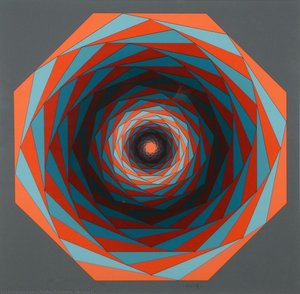
Waves #4

 გადასართად დაწვრილებით ნახეთ
გიკლე / ხელოვნების პრინტი
მუზეუმის დონის ჟიკლე ან ტილოზე ბეჭდვა სწრაფი წარმოებისა და დასრულების მოქნილი ვარიანტებით. ( შეიძინეთ ხელით შესრულებული ნახატი შეიძინეთ გამოსახულება)




































აირჩიეთ ჩვენს მიერ წინასწარ განსაზღვრული ზომებიდან, რომლებიც ნაწარმოების ორიგინალურ პროპორციებს შეესაბამება.

თქვენ შეგიძლიათ მიუთითოთ საკუთარი ზომები კონკრეტული ჩარჩოსთვის ან სივრცისთვის მოსარგებლებლად. თუ თქვენ მიერ არჩეული ზომა არ შეესაბამება ორიგინალი გამოსახულების პროპორციებს, ჩვენ ან დავჭრით ნამუშევარს, ან გავაფართოვებთ გამოსახულებას სარკული ან ერთფეროვანი კიდეებით. წარმოების დაწყებამდე თქვენს დასამტკიცებლად გამოგეგზავნებათ ციფრული მაკეტი.
გთხოვთ, გაითვალისწინოთ, რომ ეკრანზე ნაჩვენები წინასწარი ნახვა არ ასახავს რეალურ ჭრას ან გაფართოებას. მხოლოდ მაკეტზე იქნება ზუსტად წარმოდგენილი საბოლოო კომპოზიცია.
მიუხედავად იმისა, რომ ინდივიდუალური ზომები ხელმისაწვდომია, ორიგინალური პროპორციების შესანარჩუნებლად გირჩევთ, აირჩიოთ ზომა წინასწარ განსაზღვრული სიისგან.
მიწოდება მთელ მსოფლიოში () 2 კვირაში, სტანდარტული 4/5 კვირის ნაცვლად. (20 აგვისტო)

უფასო ექსპრეს მიწოდება მთელ მსოფლიოში

საბამად მაღალი ხარისხის ტილო

სრული ტრანსპორტირების დაზღვევა

საბაჟო გადასახადების დაბრუნების გარანტია

ფერების სრული შესაბამისობის გარანტია

60-დღიანი დაბრუნების პოლიტიკა (მხოლოდ დეფექტის შემთხვევაში)

100% თანხის დაბრუნების გარანტია

ფასდაკლება დიდი რაოდენობით შეკვეთისას
 მინის ჩარჩოს არჩევანი ხელმისაწვდომია მხოლოდ 110 სმ-ზე ნაკლები ზომისთვის

Waves #4
გიკლე / ხელოვნების პრინტი
რეკლამაციის ზომა
-


საბოლოო ფასი
$ 64
დაკავშირებული ნამუშევრები




მხატვრის ბიოგრაფია
A Pioneer of Japanese Wrestling: The Legacy of Etsuko Takahashi
Etsuko Takahashi, also known as etsuko mita, is a name that resonates deeply within the world of professional wrestling, particularly in Japan. Born in Fukuoka in 1969, her career wasn’t defined by lengthy championships or mainstream celebrity, but rather by innovation and a profound impact on the technical landscape of women's wrestling. Takahashi emerged during a period of significant change for *All Japan Women's Pro-Wrestling* (AJW), an organization that was pioneering the sport for female athletes. While many wrestlers focused on charisma and established storylines, Takahashi dedicated herself to refining her in-ring skills and developing a unique, powerful style.
Early Career and the Dream Orca Years
Takahashi’s journey began in 1987, entering AJW alongside future stars like Manami Toyota and Toshiyo Yamada. This debut class represented a new wave of athleticism within the promotion. Early on, she formed the tag team “Dream Orca” with Yamada, showcasing a promising partnership that unfortunately faced interruption due to injury. Despite this setback, Takahashi continued to hone her craft, demonstrating an early aptitude for complex maneuvers and a willingness to push physical boundaries. A brief run with the AJW Tag Team Championship alongside Yamada highlighted their potential, but it was the formation of Las Cachorras Orientales (LCO) that would truly define her career trajectory.
The Rise of Las Cachorras Orientales and the Death Valley Driver
In 1992, Takahashi joined forces with Mima Shimoda and, briefly, Akira Hokuto to create Las Cachorras Orientales. This team wasn’t merely a wrestling unit; it was a force that challenged conventional norms. LCO quickly gained recognition for their aggressive style and willingness to engage in hard-hitting matches. However, Takahashi's most enduring contribution came with the creation of the *Death Valley Driver*. This devastating maneuver – a fireman’s carry takeover where the opponent is flipped over into a backbreaker position – became her signature move and revolutionized wrestling technique. It wasn’t simply about power; it required precise timing, strength, and an understanding of biomechanics. The Death Valley Driver quickly became adopted by wrestlers worldwide, cementing Takahashi's place in wrestling history as a true innovator.
Tag Team Successes and Continued Evolution
Throughout the 1990s and early 2000s, LCO enjoyed considerable success, capturing multiple championships including the JWP Tag Team Championship, the UWA World Women's Tag Team Championship, and notably, the WWWA World Tag Team Championship in 1997. These victories weren’t just accolades; they were testaments to Takahashi’s dedication and her ability to adapt and evolve as a wrestler. She wasn’t content with simply executing the Death Valley Driver; she continually refined her overall skillset, incorporating new holds and counters into her repertoire. Her matches became known for their technical complexity and intensity.
Retirement and Lasting Influence
Etsuko Takahashi retired on November 1, 2009, in a poignant final match against former tag team partner Makoto. The event wasn’t just a farewell; it was a celebration of her career and the impact she had on the sport. Her final tag team match alongside Mima Shimoda, though a loss to Kyoko Inoue and Nanae Takahashi, served as a fitting tribute to her years of dedication. While she may no longer be actively competing in the ring, her legacy continues to inspire generations of wrestlers. The Death Valley Driver remains a staple maneuver, and her commitment to technical excellence serves as a benchmark for aspiring athletes. Takahashi’s story is a powerful reminder that true innovation isn't always about flashy moves or mainstream recognition; it’s about pushing boundaries, refining skills, and leaving an indelible mark on the world you inhabit.

etsuko takahashi
1969 - , Japan
მოკლე ინფორმაცია
- Artistic Movement Or Style: Professional Wrestling
- Date Of Birth: 1969
- Full Name: Etsuko Takahashi
- Nationality: Japanese
- Notable Artworks: ['Waves #4']
- Place Of Birth: Fukuoka, Japan


