თანხის დაბრუნების გარანტია · 100 დღე უფასო მიწოდება მთელ მსოფლიოში
449 581ნამუშევრები 30 615მხატვრები 4 660მუზეუმები 32ენები
ვალუტა
    ენა
      ატელიე · დაარსდა 2015 წელს · პარიზი, საფრანგეთი
      AllPaintingsStore
      allpaintingsstore.com
      ნახვა ინტერьерში ნახვა AR რეჟიმში გადართვა ბეჭდვის რეჟიმზე გადასვლა ციფრულ გამოსახულებაზე გაგზავნა
      დეტალები გზამკვლევი დამატება ფავორიტებში ჩამოტვირთვა მსგავსები რენტგენოგრაფიული კვლევა სლაიდშოუ სტატისტიკა

      Machine element

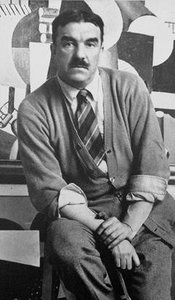
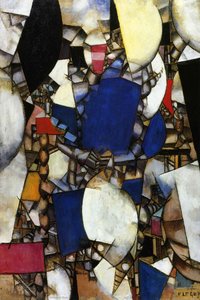
      ფერნანდ ლეგე (1881-1955) - ფრანგი მხატვერი, რომელმაც კუბიზმს უნიკალური ინტერპრეაცია მოგოცა. მისი გამორჩეული ტილოები, როგორიცაა "ტუბიზმი" და პოპ-არტის წინამორბედი, აღნიშნავს თანამედროვე ხელოვნების მნიშვნელოვან ეტაპს.

      ხელით შესრულებული ზეთის საღებავით რეპროდუქცია

      ტილოზე შესრულებული ფერწერიანი ზეთប្រდათი, თქვენთვის სასურველი ზომისა და ჩარჩოსთვის, ჩვენი ხელოვანების მიერ შეკვეთის საფუძველზე დამზადებული. ( გადართვა ბეჭდვის რეჟიმზე გადასვლა ციფრულ გამოსახულებაზე)

      Corner sample of the P118B picture frame: ღუმლში ჩამჭედი პოლისტიროლი, 5 cm wide and 3 cm thick
      P118B 10
      Corner sample of the P118H picture frame: ღუმლში ჩამჭედი პოლისტიროლი, 5 cm wide and 3 cm thick
      P118H 10
      Corner sample of the P118W picture frame: ღუმლში ჩამჭედი პოლისტიროლი, 5 cm wide and 3 cm thick
      P118W 10
      Corner sample of the P438Z picture frame: ღუმლში ჩამჭედი პოლისტიროლი, 5.5 cm wide and 3.5 cm thick
      P438Z 10
      Corner sample of the P508JH picture frame: ღუმლში ჩამჭედი პოლისტიროლი, 7 cm wide and 3.5 cm thick
      P508JH 12
      Corner sample of the P508YH picture frame: ღუმლში ჩამჭედი პოლისტიროლი, 7 cm wide and 3.5 cm thick
      P508YH 12
      Corner sample of the P805H picture frame: ღუმლში ჩამჭედი პოლისტიროლი, 5 cm wide and 3.5 cm thick
      P805H 10
      Corner sample of the P805Z picture frame: ღუმლში ჩამჭედი პოლისტიროლი, 5 cm wide and 3.5 cm thick
      P805Z 10
      Corner sample of the P919BZ picture frame: ღუმლში ჩამჭედი პოლისტიროლი, 7 cm wide and 3.5 cm thick
      P919BZ 10
      Corner sample of the P919G picture frame: ღუმლში ჩამჭედი პოლისტიროლი, 7 cm wide and 3.5 cm thick
      P919G 10
      Corner sample of the P919XJ picture frame: ღუმლში ჩამჭედი პოლისტიროლი, 7 cm wide and 3.5 cm thick
      P919XJ 10
      Corner sample of the P959ZH picture frame: ღუმლში ჩამჭედი პოლისტიროლი, 5 cm wide and 3 cm thick
      P959ZH 10
      Corner sample of the P968JZ picture frame: ღუმლში ჩამჭედი პოლისტიროლი, 6 cm wide and 4 cm thick
      P968JZ 12
      Corner sample of the W106C picture frame: მასიური ხე, 5 cm wide and 3 cm thick
      W106C 8
      Corner sample of the W218G picture frame: მასიური ხე, 5 cm wide and 3 cm thick
      W218G 10
      Corner sample of the W218JH picture frame: მასიური ხე, 5 cm wide and 3 cm thick
      W218JH 8
      Corner sample of the W218Y picture frame: მასიური ხე, 5 cm wide and 3 cm thick
      W218Y 10
      Corner sample of the W307PJ picture frame: მასიური ხე, 6 cm wide and 3 cm thick
      W307PJ 10
      Corner sample of the W316G picture frame: მასიური ხე, 6 cm wide and 3 cm thick
      W316G 10
      Corner sample of the W316PJ picture frame: მასიური ხე, 6 cm wide and 3 cm thick
      W316PJ 8
      Corner sample of the W316Y picture frame: მასიური ხე, 6 cm wide and 3 cm thick
      W316Y 10
      Corner sample of the W398PJ picture frame: მასიური ხე, 5 cm wide and 3 cm thick
      W398PJ 8
      Corner sample of the W4111J picture frame: მასიური ხე, 6.5 cm wide and 3.5 cm thick
      W4111J 10
      Corner sample of the W500HY picture frame: მასიური ხე, 7 cm wide and 5 cm thick
      W500HY 15
      Corner sample of the W500JH picture frame: მასიური ხე, 7 cm wide and 5 cm thick
      W500JH 15
      Corner sample of the W692G picture frame: მასიური ხე, 8 cm wide and 4 cm thick
      W692G 12
      Corner sample of the W849H picture frame: მასიური ხე, 5 cm wide and 3 cm thick
      W849H 8
      Corner sample of the W940BG picture frame: მასიური ხე, 7.5 cm wide and 4.5 cm thick
      W940BG 15
      Corner sample of the W953PJ picture frame: მასიური ხე, 6 cm wide and 3.5 cm thick
      W953PJ 8

      სტანდარტული ზომა
      ინდივიდუალური ზომა
      CM
      INCH

      აირჩიეთ ჩვენს მიერ წინასწარ განსაზღვრული ზომებიდან, რომლებიც ნაწარმოების ორიგინალურ პროპორციებს შეესაბამება.

      სიგანე
      სიმაღლე

      შეიყვანეთ თქვენთვის საჭირო სიგანე და სიმაღლე, რათა ნახატი მოერგოს თქვენს ჩარჩოს ან კედელს. ვინაიდან ეს ნამუშევარი ხელით არის შესრულებული, სხვა ფორმის ზომის შემთხვევაში, მხატვარმა შესაძლოა სურათის გარშემო ოდნავ მეტი დატოვოს ან შეამციროს — არჩევანი თქვენზეა. დაწყებამდე, დასამტკიცებლად, ჩვენ გამოგიგზავნით ციფრულ მაკეტს. ამ გვერდზე ნაჩვენები სურათი არ ასახავს რეალურ შედეგს — რეალური სახე მხოლოდ მაკეტზე ჩანს.

      რა შეიძლება შეიცვალოს: სახის ჩანაცვლება მომხმარებლის ფოტოთი; შინაური ცხოველის დამატება (მაგ., კატის ჩანაცვლება ძაღლით); ფონზე ფარული შეტყობინების დამატება; ფონის პეიზაჟის ან ელემენტების შეცვლა.
      შეკვეთის შემდეგ, AllPaintingsStore.com გუნდი დაგიკავშირდებათ ელექტრონული ფოსტით ინსტრუქციებისთვის და გამოგიგზავნით წინასწარ ნახაზს (mockup).

      მიწოდება მსოფლიო მასშტაბით -ში 3/4 კვირაში, სტანდარტული 5 კვირის ნაცვლად. (22 ოქტომბერი). ხარისხზე კომპრომისის გაკეთება არ მოხდება.

      უფასო ექსპრეს მიწოდება მთელ მსოფლიოში
      მაღალი ხარისხის ტილო
      ტრანსპორტირების სრული დაზღვევა
      საბაჟო გადასახადების დაბრუნების გარანტია
      ფერების სრული შესაბამისობის გარანტია
      დაბრუნების 100-დღიანი პერიოდი (მხოლოდ წარმოების დეფექტის შემთხვევაში)
      100% თანხის სრული დაბრუნების გარანტია
      ფასდაკლება დიდი რაოდენობით შეკვეთისას

      ჯამური ღირებულება

      ₾ 674

      Machine element

      რეპროდუქციის ტექნიკა

      რეპროდუქციის ზომა

      -

      ჯამური ღირებულება

      ₾ 674

      მოკლე ფაქტები

      • Subject or theme: Mechanical forms; Industrial landscape
      • Location: Musée National d'Art Moderne, Paris
      • Notable elements or techniques: Geometric shapes; Pistons; Cogs
      • Dimensions: 146 x 97 cm
      • Influences: Paris Air Show
      • Movement: Cubism

      ტესტი ხელოვნების შესახებ

      თითოეულ კითხვაზე მხოლოდ ერთი სწორი პასუხია.

      კითხვა 1:
      What artistic movement heavily influenced Fernand Léger’s style during the creation of Machine Element?
      კითხვა 2:
      The painting depicts a head composed primarily of what type of geometric elements?
      კითხვა 3:
      What was Fernand Léger inspired by during his visit to the Paris Air Show in 1912?
      კითხვა 4:
      Machine Element is housed at which museum in Paris?
      კითხვა 5:
      What technique did Léger employ to convey the impersonal nature of a new machine age?

      A Symphony of Gears and Emotion: Exploring Fernand Léger’s Machine Element

      Fernand Léger's "Machine Element," painted in 1924, isn’t merely an image; it’s a declaration—a bold assertion that art could embrace the burgeoning anxieties and exhilarations of the industrial age without abandoning its capacity for profound expression. Created during Léger’s intensely productive Tubist period, this artwork transcends simple depiction, presenting instead a meticulously crafted visual language designed to communicate the pervasive influence of machinery on human experience. It resides within the Musée National d'Art Moderne in Paris, acquired through the generosity of Baronne Eva Gourgaud, and stands as a testament to Léger’s unwavering commitment to pushing artistic boundaries.

      The Tubist Aesthetic: Geometric Precision Meets Organic Form

      Léger’s Tubism—derived from “tube,” referencing the cylindrical shapes dominant in his visual vocabulary—represents a radical departure from traditional Cubism. While Picasso and Braque fractured objects into intersecting planes, Léger sought to distill their essence into simplified geometric forms – cones, cylinders, and disks – arranged in shallow spaces that evoked a sense of flatness and immediacy. This deliberate reduction wasn’t an exercise in nihilistic abstraction; rather, it was a conscious effort to capture the impersonal logic of the machine while simultaneously hinting at underlying organic contours. As Léger himself eloquently stated, “I want to express the idea of the machine.” The resulting compositions possess a striking visual harmony, achieved through careful consideration of color palettes and spatial relationships.

      A Portrait of Progress: Influences and Context

      Léger’s artistic vision was profoundly shaped by his encounter with the Paris Air Show in 1912 – an event that ignited his fascination with aeronautics and propelled him to contemplate the transformative potential of modern technology. This preoccupation mirrored the broader cultural landscape of the time, marked by rapid industrial expansion and a growing awareness of humanity’s relationship with increasingly powerful machines. The painting echoes themes explored in Léger's experimental film “Le Ballet Mécanique,” which similarly investigated the interplay between human movement and mechanical precision. These influences underscore the artwork’s significance as a product of its era, reflecting anxieties about societal change alongside optimism for scientific advancement.

      Symbolism Beneath the Surface: Red Backdrop and Clock Faces

      Beyond its geometric formalism, “Machine Element” is imbued with subtle symbolic resonance. The dominant red backdrop serves not merely as color but as an emotional anchor—representing energy, passion, and perhaps even a hint of danger. It contrasts sharply with the cool tones of the mechanical components, creating visual tension that mirrors the complexities inherent in reconciling human emotion with technological progress. Furthermore, the inclusion of two clocks – one positioned prominently at the top left corner and another nestled near the bottom right—adds layers of meaning. They symbolize time itself, emphasizing the relentless march forward dictated by industrial society and prompting contemplation on the passage of life amidst a rapidly evolving world.

      Emotional Resonance: A Quiet Triumph of Vision

      Ultimately, “Machine Element” succeeds in conveying a powerful emotional response despite its seemingly sterile aesthetic. Léger’s masterful manipulation of form and color communicates not just what *is* seen but what *feels*. The painting invites viewers to consider the human condition within the context of technological advancement—to grapple with questions of identity, purpose, and connection amidst a world increasingly dominated by machines. It remains a captivating masterpiece, demonstrating Léger’s unparalleled ability to transform abstract concepts into emotionally resonant visual narratives.

      კითხვები და პასუხები

      სად შემიძლია ვიყიდო ფერნანდ ლეგე-ის „Machine element“-ის ხელით ნათესლი?

      "Machine element" ხელმისაწვდომია, როგორც ლენის ტილოზე შესრულებული ზეთწარმოთი, ხელით ნათესლით. შეკვეთის განთავსება და ზომების არჩევა შესაძლებელია მისი ხელით ნათესლიერი რეპროდუქცია გვერდის მეშვეობით.

      ფერნანდ ლეგე-ის „Machine element“ ტიპის ნამუშევარია: ფერწერილობა, ნახატი თუ გრავიურა?

      "Machine element" არის WallArt ნამუშევარი.

      რამდენი წლის იყო ფერნანდ ლეგე, როდესაც „Machine element“ შეიქმნა?

      როდესაც 1924 წელს შექმნა „Machine element“, ფერნანდ ლეგე, რომელიც 1881-ში დაიბადა, 43 წლის იყო.


      მხატვრის ბიოგრაფია

      ფერნანდ ლეგერი: მანქანური ეპოქის მხატვარი

      ფერნანდ ლეგერი, ნამდვილი სახელი ჟოზეფ ფერნან ანრი ლეგერი, დაიბადა 1881 წლის 4 თებერვალს არჟენტანსკოში, საფრანგეთში. მისი ბავშვობა გაატარა ნორმანდიის სოფლის პეიზაჟებში, რაც მის შემდგომ შემოქმედებაში ხშირად მოიხსენიება. მისი მამა მეცხვარე იყო, ხოლო დედა – თავდაყვᱮრებული ქალი, რომელმაც დიდი გავლენა მოახდინა ლეგერის პირველ პერიოდში. თავდაპირველად, ლეგერს ჰქონდა განათლება არქიტექტურაში, თუმცა მალევე გადაინაცვლა მხატვრობისკენ, რაც მისი ცხოვრების მთავარი მიმართულება გახდა. პარიზში ჩასვლის შემდეგ, მან სწავლა დაიწყო დეკორატიული ხელოვნების სკოლაში და მოგვიანებით, ცდილობდა ჩასვეს ბიელინის აკადემიაში, თუმცა უშედეგოდ. ამ პერიოდში მან მუშაობა დაიწყო არქიტექტურულ დრაფტთან, რაც მნიშვნელოვანი გამოცდილება აღმოჩნდა მისი შემდგომი კარიერისთვის.

      კუბიზმის განვითარება და "ტურბიზმი"

      XX საუკუნის დასაწყისი საფრანგეთისთვის რთული პერიოდი იყო – სწორედ მაშინ დაიწყო კუბიზმის წარმოშობა, რომელიც რადიკალურად შეცვალა ხელოვნების მსვლელობა. პოლ სეზანის შემოქმედების ნახვის შემდეგ ლეგერის ცხოვრებაში დიდი ცვლილება მოხდა. სეზანის გეომეტრიული ფორმებისა და ობიექტების ანალიზი მისმა მიერ ხელოვნების აღქმასაც შეუცვალა. ლეგერი აქტიურად ჩართულა კუბისტური მოძრაობაში, თუმცა მან საკუთარი, უნიკალური სტილი შექმნა, რომელიც კრიტიკოსებმა "ტურბიზმად" назвали. "ტურბიზმი" ხასიათდება ცილინდრულ ფორმებით, გაფანტული სივრცეებით და მკაფიო ფერების კონტრასტებით. ეს სტილი მანქანების ესთეტიკას ასახავს და წარმოადგენს ლეგერის შემოქმედების ერთ-ერთ მთავარ ნიშანს. 1909 წელს, მონპარნასში სტუდიის გაქირავებამ მას საშუალება მისცა გაიცნო სხვა მნიშვნელოვანი მხატვრები, როგორებიც არიან ალექსანდრე არჩიპენკო, ჟაკ ლიპიციცი და რობერტ დელონე. "ოქროს განყოფილებაში" (Section d'Or) მისი მონაწილეობა კიდევ უფრო გა deepened his exploration of mathematical principles in art.

      პირველი მსოფლიო ომი და მექანიზაციის აღნიშვნა

      პირველი მსოფლიო ომი ლეგერის ცხოვრებაში ტრაგიკული მოვლენა იყო, თუმცა მან მასზე შემოქმედებითი გავლენაც იქონია. მilitარებაში მომუშავე პერიოდისას მან უამრავ ჩანაწერს დახატა სამხედრო ტექნიკის შესახებ, რაც მის შემდგომ მუშაობაში გამოიხატება. ომის შემდეგ ლეგერის სტილი კიდევ უფრო გამარკვიათ და მანქანებისადმი მისი სიმპათია უფრო მკაფიო გახდა. მისი ტილოები ხასიათდება 단순화ებული ფორმებით, მკაფიო კონტურებით და ფერადი პლასტიკით, რაც მანქანების დინამიკასა და ეფექტურობას ასახავს. "სოლჯატი მუნთაში" (Soldier with a Pipe) მისი ამ პერიოდის ერთ-ერთი გამორჩეული ნაწარმოებია, რომელიც წარმოადგენს მექანიკური სიზუსტის სიმბოლურ გამოხატვას.

      შემდგომი შემოქმედება და მემკვიდრეობა

      ომის შემდეგ ლეგერი განაგრძო ექსპერიმენტები სხვადასხვა სახის ხელოვნების დარგში, მათ შორის სკულპტურისა და κινηოქინოსტან. მისმა "საზოგადოებრივი ნოველების" (Paysages animés) სერიამ გააერთიანა ადამიანური ფიგურები და მანქანები ჰარმონიულ კომპოზიციაში, რაც წარმოადგენს ორგანული და არავარგის ფორმების შერწყმას. ფერნანდ ლეგერის შემოქმედება მნიშვნელოვანი წინაპირობა იყო პოპ-არტის განვითარებისთვის. მისი გავლენა იგრძნობა როი ლიხტენშტეინისა და ენდი უორჰოლის შემოქმედებაში. ლეგერი იყო ისტორიაში გამორჩეული მხატვარი, რომელმაც მანქანების ეპოქას თავისი ხელოვნებით უნიკალური სახე მისცა. მისი ნამუშევრები დღესდღეობით მსოფლიოს წამყვან მუზეუმებშია განთავსებული და წარმოადგენს თანამედროვე ხელოვნების ერთ-ერთ ყველაზე მნიშვნელოვან ძეგლს. მისი მემკვიდრეობა არის არა მხოლოდ მხატვრის სახელი, არამედ თანამედროვეობის პროფეტის ტიტული.
      ფერნანდ ლეგე

      ფერნანდ ლეგე

      1881 - 1955 , საფრანგეთი

      მოკლე ფაქტები

      • Artistic Movement Or Style: კუბიზმი, ტუბიზმი
      • Artists Or Movements Influenced By This Artist: ['Pop Art']
      • Artists Who Influenced This Artist: ['პოლ სეზანი']
      • Date Of Birth: 1881 წლის 4 თებერვალი
      • Date Of Death: 1955 წლის 17 აგვისტო
      • Full Name: ფერნანდ ლეგე
      • Nationality: საფრანგეთი
      • Notable Artworks:
        • The Sitted Woman
        • Machine Element
        • The Great Parade
        • The City
      • Place Of Birth: არგენტანი, საფრანგო
      აღმოაჩინეთ ხელოვნების ნაწარმოებები თემების, სტილისა და მახასიათებლების მიხედვით დაჯგუფებული.