თანხის დაბრუნების გარანტია · 100 დღე უფასო მიწოდება მთელ მსოფლიოში
449 582ნამუშევრები 30 618მხატვრები 4 705მუზეუმები 32ენები
ვალუტა
    ენა
      ატელიე · დაარსდა 2015 წელს · პარიზი, საფრანგეთი
      AllPaintingsStore
      allpaintingsstore.com
      ნახვა ინტერьерში ნახვა AR რეჟიმში გადართვა ბეჭდვის რეჟიმზე გადასვლა ციფრულ გამოსახულებაზე გაგზავნა
      დეტალები გზამკვლევი დამატება ფავორიტებში ჩამოტვირთვა მსგავსები რენტგენოგრაფიული კვლევა სლაიდშოუ სტატისტიკა

      The crossing

      Explore Fernand Léger’s striking modernist masterpiece, 'The Crossing,' embodying Cubist geometry and vibrant color palettes. This monumental painting captures the industrial spirit of its era, inviting viewers to contemplate form and movement within a captivating visual experience.

      ფერნანდ ლეგე (1881-1955) - ფრანგი მხატვერი, რომელმაც კუბიზმს უნიკალური ინტერპრეაცია მოგოცა. მისი გამორჩეული ტილოები, როგორიცაა "ტუბიზმი" და პოპ-არტის წინამორბედი, აღნიშნავს თანამედროვე ხელოვნების მნიშვნელოვან ეტაპს.

      ხელით შესრულებული ზეთის საღებავით რეპროდუქცია

      ტილოზე შესრულებული ფერწერიანი ზეთប្រდათი, თქვენთვის სასურველი ზომისა და ჩარჩოსთვის, ჩვენი ხელოვანების მიერ შეკვეთის საფუძველზე დამზადებული. ( გადართვა ბეჭდვის რეჟიმზე გადასვლა ციფრულ გამოსახულებაზე)

      Corner sample of the P118B picture frame: moulded polystyrene, 5 cm wide and 3 cm thick
      P118B 10
      Corner sample of the P118H picture frame: moulded polystyrene, 5 cm wide and 3 cm thick
      P118H 10
      Corner sample of the P118W picture frame: moulded polystyrene, 5 cm wide and 3 cm thick
      P118W 10
      Corner sample of the P438Z picture frame: moulded polystyrene, 5.5 cm wide and 3.5 cm thick
      P438Z 10
      Corner sample of the P508JH picture frame: moulded polystyrene, 7 cm wide and 3.5 cm thick
      P508JH 12
      Corner sample of the P508YH picture frame: moulded polystyrene, 7 cm wide and 3.5 cm thick
      P508YH 12
      Corner sample of the P805H picture frame: moulded polystyrene, 5 cm wide and 3.5 cm thick
      P805H 10
      Corner sample of the P805Z picture frame: moulded polystyrene, 5 cm wide and 3.5 cm thick
      P805Z 10
      Corner sample of the P919BZ picture frame: moulded polystyrene, 7 cm wide and 3.5 cm thick
      P919BZ 10
      Corner sample of the P919G picture frame: moulded polystyrene, 7 cm wide and 3.5 cm thick
      P919G 10
      Corner sample of the P919XJ picture frame: moulded polystyrene, 7 cm wide and 3.5 cm thick
      P919XJ 10
      Corner sample of the P959ZH picture frame: moulded polystyrene, 5 cm wide and 3 cm thick
      P959ZH 10
      Corner sample of the P968JZ picture frame: moulded polystyrene, 6 cm wide and 4 cm thick
      P968JZ 12
      Corner sample of the W106C picture frame: solid wood, 5 cm wide and 3 cm thick
      W106C 8
      Corner sample of the W218G picture frame: solid wood, 5 cm wide and 3 cm thick
      W218G 10
      Corner sample of the W218JH picture frame: solid wood, 5 cm wide and 3 cm thick
      W218JH 8
      Corner sample of the W218Y picture frame: solid wood, 5 cm wide and 3 cm thick
      W218Y 10
      Corner sample of the W307PJ picture frame: solid wood, 6 cm wide and 3 cm thick
      W307PJ 10
      Corner sample of the W316G picture frame: solid wood, 6 cm wide and 3 cm thick
      W316G 10
      Corner sample of the W316PJ picture frame: solid wood, 6 cm wide and 3 cm thick
      W316PJ 8
      Corner sample of the W316Y picture frame: solid wood, 6 cm wide and 3 cm thick
      W316Y 10
      Corner sample of the W398PJ picture frame: solid wood, 5 cm wide and 3 cm thick
      W398PJ 8
      Corner sample of the W4111J picture frame: solid wood, 6.5 cm wide and 3.5 cm thick
      W4111J 10
      Corner sample of the W500HY picture frame: solid wood, 7 cm wide and 5 cm thick
      W500HY 15
      Corner sample of the W500JH picture frame: solid wood, 7 cm wide and 5 cm thick
      W500JH 15
      Corner sample of the W692G picture frame: solid wood, 8 cm wide and 4 cm thick
      W692G 12
      Corner sample of the W849H picture frame: solid wood, 5 cm wide and 3 cm thick
      W849H 8
      Corner sample of the W940BG picture frame: solid wood, 7.5 cm wide and 4.5 cm thick
      W940BG 15
      Corner sample of the W953PJ picture frame: solid wood, 6 cm wide and 3.5 cm thick
      W953PJ 8

      სტანდარტული ზომა
      ინდივიდუალური ზომა
      CM
      INCH

      აირჩიეთ ჩვენს მიერ წინასწარ განსაზღვრული ზომებიდან, რომლებიც ნაწარმოების ორიგინალურ პროპორციებს შეესაბამება.

      სიგანე
      სიმაღლე

      თქვენ შეგიძლიათ მიუთითოთ თქვენთვის სასურველი ზომები კონკრეტული ჩარჩოს ან სივრცის შესაბამისად. თუ თქვენ მიერ არჩეული ზომა არ შეესაბამება ორიგინალი გამოსახულების პროპორციებს, ჩვენ ან შევაჭრებთ ნაწარმოებს, ან ტილოზე დავამატებთ ხელით მოხატულ ელემენტებს. წარმოების დაწყებამდე, დასამტკიცებლად გამოგეგზავნებათ ციფრული მაკეტი.
      გთხოვთ, გაითვალისწინოთ, რომ ეკრანზე ნაჩვენები წინასწარი შეხედულება არ ასახავს რეალურ შეჭრას ან გაფართოებას. საბოლოო კომპოზიციას ზუსტად მხოლოდ მაკეტი წარმოაჩენს.
      მიუხედავად იმისა, რომ შესაძლებელია ინდივიდუალური ზომების შერჩევა, ორიგინალური პროპორციების შენარჩუნებისათვის გირჩევთ, გამოიყენოთ წინასწარ განსაზღვრული სიის ზომები.

      რა შეიძლება შეიცვალოს: სახის ჩანაცვლება მომხმარებლის ფოტოთი; შინაური ცხოველის დამატება (მაგ., კატის ჩანაცვლება ძაღლით); ფონზე ფარული შეტყობინების დამატება; ფონის პეიზაჟის ან ელემენტების შეცვლა.
      შეკვეთის შემდეგ, AllPaintingsStore.com გუნდი დაგიკავშირდებათ ელექტრონული ფოსტით ინსტრუქციებისთვის და გამოგიგზავნით წინასწარ ნახაზს (mockup).

      მიწოდება მსოფლიო მასშტაბით -ში 3/4 კვირაში, სტანდარტული 5 კვირის ნაცვლად. (11 ოქტომბერი). ხარისხზე კომპრომისის გაკეთება არ მოხდება.

      უფასო ექსპრეს მიწოდება მთელ მსოფლიოში
      მაღალი ხარისხის ტილო
      ტრანსპორტირების სრული დაზღვევა
      საბაჟო გადასახადების დაბრუნების გარანტია
      ფერების სრული შესაბამისობის გარანტია
      დაბრუნების 100-დღიანი პერიოდი (მხოლოდ წარმოების დეფექტის შემთხვევაში)
      100% თანხის სრული დაბრუნების გარანტია
      ფასდაკლება დიდი რაოდენობით შეკვეთისას

      ჯამური ღირებულება

      ₾ 673

      The crossing

      რეპროდუქციის ტექნიკა

      რეპროდუქციის ზომა

      -

      ჯამური ღირებულება

      ₾ 673

      მოკლე ფაქტები

      • Artist: Fernand Léger
      • Medium: Oil on canvas
      • Artistic style: Abstract Expressionism
      • Location: Private Collection
      • Subject or theme: Industrial landscape
      • Notable elements or techniques: Bold geometric shapes, red poles

      ტესტი ხელოვნების შესახებ

      თითოეულ კითხვაზე მხოლოდ ერთი სწორი პასუხია.

      კითხვა 1:
      What artistic movement is Fernand Léger’s ‘The Crossing’ primarily associated with?
      კითხვა 2:
      Which color dominates the composition of 'The Crossing', symbolizing industrial strength and modernity?
      კითხვა 3:
      'The Crossing' utilizes geometric shapes like triangles, squares, and circles. What is the significance of this stylistic choice in conveying Léger’s vision?
      კითხვა 4:
      The painting includes a prominent red structure resembling an industrial object. What does this element contribute to the artwork’s overall message?
      კითხვა 5:
      Fernand Léger's early artistic style, Tubism, is characterized by its focus on...

      A Symphony of Industrial Geometry

      In the vibrant landscape of early twentieth-century modernism, few works capture the rhythmic pulse of progress as evocatively as Fernand Léger’s "The Crossing." Painted between 1923 and 1924, this masterpiece serves as a profound visual manifesto, standing at the intersection of rural tradition and the relentless march of the machine age. Rather than retreating into the ethereal realms of pure abstraction, Léger utilizes the foundational principles of Cubism to anchor his subject in a tangible, albeit transformed, reality. The canvas presents a scene inspired by the landscapes of Normandy, yet it is a landscape viewed through the lens of a new era—one where the organic curves of nature are being reshaped by the sharp, decisive edges of industrial geometry.

      The composition is anchored by a striking red structure that commands the viewer's attention, acting as a monumental centerpiece that symbolizes the burgeoning architectural and industrial edifices of the time. Through a masterful use of triangles, squares, and circles, Léger constructs a world that feels both solid and dynamic. This deliberate simplification of form does not strip the scene of its soul; instead, it distiguishes the strength and structural integrity of modernity. For the discerning collector or interior designer, this piece offers a sophisticated balance of bold color and structured form, making it an ideal focal point for spaces that celebrate contemporary elegance and architectural strength.

      Technique, Texture, and the Spirit of Modernity

      Léger’s technical execution in "The Crossing" is nothing short of visceral. Moving away from the delicate, blended transitions favored by the Impressionists, Léger employs a bold, almost muscular application of oil paint. The texture of the canvas often feels palpable, with thick layers of pigment creating a surface that possesses its own physical presence. This heavy-handed approach mirrors the very subject matter he depicts—the weight of steel, the solidity of stone, and the unyielding nature of industrial progress. His palette is strategically deployed to create emotional resonance; the interplay between primary reds, deep blues, and vibrant yellows creates a high-contrast environment that vibrates with energy.

      Beyond the mere depiction of objects, the painting captures a sense of movement and tension. The inclusion of subtle human figures amidst the geometric landscape introduces a poignant narrative element, reminding us of the human experience within this rapidly changing world. There is a fascinating duality at play: the permanence of the industrial structures contrasted with the fleeting presence of life. This tension makes "The Crossing" more than just a decorative object; it is an intellectual journey. For those seeking to adorn a home or gallery with art that provokes thought and conversation, this work provides a timeless connection to the era when the world first learned to dance to the rhythm of the machine.

      Whether viewed as a historical document of the post-war era or as a stunning example of Cubist innovation, "The Crossing" remains an essential piece for any serious collection. It invites the viewer to find beauty in the mechanical, grace in the geometric, and a profound sense of wonder in the structured evolution of our modern world.

      კითხვები და პასუხები

      რომელ ხელოვანს მიეწერება "The crossing"?

      "The crossing" შექმნილია ფერნანდ ლეგე-ის მიერ. ამ გვერდზე მოცემული ინფორმაცია აღწერს ფერნანდ ლეგე-ის ორიგინალურ ნამუშევარს.

      ფერნანდ ლეგე-ის „The crossing“ ნათელი თუ ბნელი ნამუშევარია?

      აღქმული სიკაშკაშის თვალსაზრისით, ფერნანდ ლეგე-ის „The crossing“ არის balanced.

      შეიძლება თუ არა "The crossing" შეძენა როგორც მხატვრული პრინტი?

      ფერნანდ ლეგე-ის „The crossing“-ის პრინტი შეგიძლიათ პირდაპირ ეს გვერდი-ზე შეუკვეთოთ: ხელოვნების მაღალი ხარისხის ბეჭდური ბამბის ტილოს ან საარქივო ტილოს ქაღალდის ბაზაზე.

      რა ტიპის ნამუშევარია ფერნანდ ლეგე-ის „The crossing“?

      კატალოგში, ფერნანდ ლეგე-ის „The crossing“ დახარისხებულია, როგორც WallArt. ეს კატეგორია გეხმარებათ მსგავსი ნამუშევრების პოვნაში.

      შესაძლებელია "The crossing" უფრო დეტალურად შევისწოვო?

      "The crossing" შესაძლებელია ფენად ფენად დავათვალიეროთ ნამუშევრის რენტგენოგრაფია გვერდზე, რომელიც წარმოადგენს ინტერაქტიულ ვიზუალურ ხელსნოს, რესტავრატორის სინათლის მაგიდის შთაგონებით შექმნილით და გამოსახულების თერთმეტ ოპტიკურ შრეზე დაფუძნებული წაკითხვადობით.

      ვინ ყიდის ფერნანდ ლეგე-ის „The crossing“-ის ხელით ნათესლობილ ასლებს?

      ფერნანდ ლეგე-ის „The crossing“-ის ხელით ნათესლიერი ასლები იყიდება ეს ვებსაიტი-ზე: ლენის ტილოზე შესრულებული ზეთწარმოთი, ხელით ნათესლით, შეკვეთით ეს გვერდი-დან.

      რა გამოყენება და სივრცეა რეკომენდებული ფერნანდ ლეგე-ის „The crossing“-ისთვის?

      ფერნანდ ლეგე-ის „The crossing“-ისთვის რეკომენდებულია (Accent) გამოყენება და (Living Room) სივრცე.


      მხატვრის ბიოგრაფია

      ფერნანდ ლეგერი: მანქანური ეპოქის მხატვარი

      ფერნანდ ლეგერი, ნამდვილი სახელი ჟოზეფ ფერნან ანრი ლეგერი, დაიბადა 1881 წლის 4 თებერვალს არჟენტანსკოში, საფრანგეთში. მისი ბავშვობა გაატარა ნორმანდიის სოფლის პეიზაჟებში, რაც მის შემდგომ შემოქმედებაში ხშირად მოიხსენიება. მისი მამა მეცხვარე იყო, ხოლო დედა – თავდაყვᱮრებული ქალი, რომელმაც დიდი გავლენა მოახდინა ლეგერის პირველ პერიოდში. თავდაპირველად, ლეგერს ჰქონდა განათლება არქიტექტურაში, თუმცა მალევე გადაინაცვლა მხატვრობისკენ, რაც მისი ცხოვრების მთავარი მიმართულება გახდა. პარიზში ჩასვლის შემდეგ, მან სწავლა დაიწყო დეკორატიული ხელოვნების სკოლაში და მოგვიანებით, ცდილობდა ჩასვეს ბიელინის აკადემიაში, თუმცა უშედეგოდ. ამ პერიოდში მან მუშაობა დაიწყო არქიტექტურულ დრაფტთან, რაც მნიშვნელოვანი გამოცდილება აღმოჩნდა მისი შემდგომი კარიერისთვის.

      კუბიზმის განვითარება და "ტურბიზმი"

      XX საუკუნის დასაწყისი საფრანგეთისთვის რთული პერიოდი იყო – სწორედ მაშინ დაიწყო კუბიზმის წარმოშობა, რომელიც რადიკალურად შეცვალა ხელოვნების მსვლელობა. პოლ სეზანის შემოქმედების ნახვის შემდეგ ლეგერის ცხოვრებაში დიდი ცვლილება მოხდა. სეზანის გეომეტრიული ფორმებისა და ობიექტების ანალიზი მისმა მიერ ხელოვნების აღქმასაც შეუცვალა. ლეგერი აქტიურად ჩართულა კუბისტური მოძრაობაში, თუმცა მან საკუთარი, უნიკალური სტილი შექმნა, რომელიც კრიტიკოსებმა "ტურბიზმად" назвали. "ტურბიზმი" ხასიათდება ცილინდრულ ფორმებით, გაფანტული სივრცეებით და მკაფიო ფერების კონტრასტებით. ეს სტილი მანქანების ესთეტიკას ასახავს და წარმოადგენს ლეგერის შემოქმედების ერთ-ერთ მთავარ ნიშანს. 1909 წელს, მონპარნასში სტუდიის გაქირავებამ მას საშუალება მისცა გაიცნო სხვა მნიშვნელოვანი მხატვრები, როგორებიც არიან ალექსანდრე არჩიპენკო, ჟაკ ლიპიციცი და რობერტ დელონე. "ოქროს განყოფილებაში" (Section d'Or) მისი მონაწილეობა კიდევ უფრო გა deepened his exploration of mathematical principles in art.

      პირველი მსოფლიო ომი და მექანიზაციის აღნიშვნა

      პირველი მსოფლიო ომი ლეგერის ცხოვრებაში ტრაგიკული მოვლენა იყო, თუმცა მან მასზე შემოქმედებითი გავლენაც იქონია. მilitარებაში მომუშავე პერიოდისას მან უამრავ ჩანაწერს დახატა სამხედრო ტექნიკის შესახებ, რაც მის შემდგომ მუშაობაში გამოიხატება. ომის შემდეგ ლეგერის სტილი კიდევ უფრო გამარკვიათ და მანქანებისადმი მისი სიმპათია უფრო მკაფიო გახდა. მისი ტილოები ხასიათდება 단순화ებული ფორმებით, მკაფიო კონტურებით და ფერადი პლასტიკით, რაც მანქანების დინამიკასა და ეფექტურობას ასახავს. "სოლჯატი მუნთაში" (Soldier with a Pipe) მისი ამ პერიოდის ერთ-ერთი გამორჩეული ნაწარმოებია, რომელიც წარმოადგენს მექანიკური სიზუსტის სიმბოლურ გამოხატვას.

      შემდგომი შემოქმედება და მემკვიდრეობა

      ომის შემდეგ ლეგერი განაგრძო ექსპერიმენტები სხვადასხვა სახის ხელოვნების დარგში, მათ შორის სკულპტურისა და κινηოქინოსტან. მისმა "საზოგადოებრივი ნოველების" (Paysages animés) სერიამ გააერთიანა ადამიანური ფიგურები და მანქანები ჰარმონიულ კომპოზიციაში, რაც წარმოადგენს ორგანული და არავარგის ფორმების შერწყმას. ფერნანდ ლეგერის შემოქმედება მნიშვნელოვანი წინაპირობა იყო პოპ-არტის განვითარებისთვის. მისი გავლენა იგრძნობა როი ლიხტენშტეინისა და ენდი უორჰოლის შემოქმედებაში. ლეგერი იყო ისტორიაში გამორჩეული მხატვარი, რომელმაც მანქანების ეპოქას თავისი ხელოვნებით უნიკალური სახე მისცა. მისი ნამუშევრები დღესდღეობით მსოფლიოს წამყვან მუზეუმებშია განთავსებული და წარმოადგენს თანამედროვე ხელოვნების ერთ-ერთ ყველაზე მნიშვნელოვან ძეგლს. მისი მემკვიდრეობა არის არა მხოლოდ მხატვრის სახელი, არამედ თანამედროვეობის პროფეტის ტიტული.
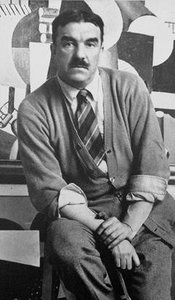
      ფერნანდ ლეგე

      ფერნანდ ლეგე

      1881 - 1955 , საფრანგეთი

      მოკლე ფაქტები

      • Artistic Movement Or Style: კუბიზმი, ტუბიზმი
      • Artists Or Movements Influenced By This Artist: ['Pop Art']
      • Artists Who Influenced This Artist: ['პოლ სეზანი']
      • Date Of Birth: 1881 წლის 4 თებერვალი
      • Date Of Death: 1955 წლის 17 აგვისტო
      • Full Name: ფერნანდ ლეგე
      • Nationality: საფრანგეთი
      • Notable Artworks:
        • The Sitted Woman
        • Machine Element
        • The Great Parade
        • The City
      • Place Of Birth: არგენტანი, საფრანგო
      აღმოაჩინეთ ხელოვნების ნაწარმოებები თემების, სტილისა და მახასიათებლების მიხედვით დაჯგუფებული.