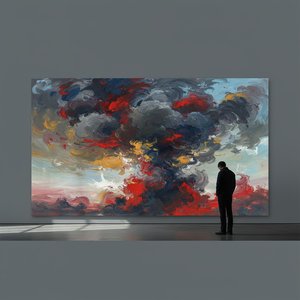
1968. Oil On Canvas, 57.0 x 76.0 cm. National Gallery of Victoria.

§ 1Catalogue data
 Oil On Canvas
- WallArt
- Abstract Expressionism
 1968
1968- Modern
 57.0 x 76.0 cm
 National Gallery of Victoria
ეს ნაწარმოები დაცულია საავტორო უფლებებით
ამ გვერდზე წარმოდგენილი ნამუშევარი დაცულია საავტორო უფლების შესახებ კანონმდებლობით, რაც იმას ნიშნავს, რომ ჩვენ არ გვაქვს მისი იდენტური რეპროდუქციის შექმნის ან გაყიდვის სამართლებრივი უფლება. აღნიშნული დაცვა უზრუნველყოფილია ისეთი საერთაშორისო შეთანხმებებით, როგორიცაა ბერნის კონვენცია და ეროვნული კანონმდებლობით, მათ შორის იმ კანონებით, რომლებიც დეტალურად არის გაწერილი აშშ-ის საავტორო უფლების შესახებ კანონი - თავი 17.
როგორც პატივისცემით სავსე და კანონიერი ალტერნატივა, ჩვენ გთავაზობთ ორიგინალით შთაგონებულ, ინდივიდუალურ, ხელით შესრულებულ ნამუშევრებს. ჩვენი ოსტატ და პროფესიონალი ხელოვანები საგულდაგულოდ სწავლობენ ორიგინალის სტილს, განწყობასა და მხატვრულ არსს, რათა შექმნან ახალი, უნიკალური ნამუშევარი, რომელიც იგივე ემოციას აღძრავს და, ამავდროულად, თავად წარმოადგენს დამოუკიდებელ, ორიგინალურ შემოქმედებას.
ეს მეთოდი სრულად შეესაბამება საავტორო უფლებების რეგულაციებს, რადგან ის არ გულისხმობს დაცული ნამუშევრის კოპირებას ან დუბლირებას. ამგვარად, ეს წარმოადგენს შემოქმედებით რეინტერპრეტაციას — ახალ ნახატს, რომელიც შთაგონებითაა განპირობებული ორიგინალით, თუმცა არ არის მის იდენტურ ასლს.
 გაეცანით მეტს
§ 2Abstract
კოლექციონირებადი ნივთის აღწერა
Fred Williams’ "Burning Tree Stump" (1968) captures Australian bushfires in abstract expressionism. Explore layered forms, muted tones & raw emotion of this iconic landscape piece.
მხატვრის ბიოგრაფია
აღმოაჩინეთ ფრედერიკ რონალდ უილიამსი, ავსტრალიელი ლენდშაფტების ოსტატი. გაეცანით მის შემოქმედებას და ინოვაციურ გრავიურებს.
§ 3Commentary
The Embers of Memory: Reimagining Fred Williams
In the evocative depths of "Burning Tree Stump" (1968), the viewer is not merely observing a landscape, but is instead pulled into the visceral heart of an Australian bushfire. Frederick Ronald Williams, one of Australia’s most profound twentieth-century landscapists, achieves here a masterful synthesis of abstract expressionism and raw, elemental truth. The painting does not rely on the literal depiction of flame or smoke; rather, it utilizes a sophisticated language of layered forms and muted tones to capture the very essence of destruction and rebirth. As the eye wanders across the canvas, one encounters a densely populated scene where shapes emerge from a field like ghosts of the bush, creating a sense of movement that is both chaotic and strangely rhythmic.
The technique employed by Williams is nothing short of hypnotic. Utilizing a wet-on-wet approach, he allows oil paints to bleed and merge directly upon the canvas, a method that facilitates the organic, amorphous shapes that define this piece. There is a beautiful tension between thick, tactile impasto patches and delicate, translucent washes, providing a structural depth that invites close inspection. The perspective is intentionally flattened, eschewing traditional linear depth in favor of a gestural abstraction where space is suggested through shifts in color density and the overlapping of organic forms. This creates an immersive experience, as if the viewer is standing amidst the swirling heat and settling ash of a landscape in transition.
A Palette of Somber Elegance
For the discerning collector or interior designer, the color story of "Burning Tree Stump" offers a sophisticated anchor for any high-end space. The palette is dominated by a soulful arrangement of muted browns, charcoal grays, and soft off-whites, evoking the scorched earth and heavy skies of an overcast Australian afternoon. Yet, within this somber atmosphere, Williams introduces subtle, unexpected punctuations of blue and hints of crimson. These small splashes of color act as emotional sparks, preventing the composition from becoming static and instead imbuing it with a flickering, living energy.
Beyond its aesthetic brilliance, the painting carries a profound symbolic weight. It speaks to the collective experience of a continent shaped by fire, touching upon themes of anonymity, resilience, and the disorientation of nature's most powerful forces. The way the figures—or perhaps they are merely fragments of trees and earth—cluster in the foreground creates a sense of being part of a larger, shared consciousness. To possess a reproduction of this work is to bring more than just decoration into a room; it is to invite a conversation about history, the raw power of the natural world, and the enduring beauty found within the aftermath of change.
კითხვები და პასუხები
როგორ არის ისტორიულად განსაზღვრული "Burning tree stump"?
ფრედერიკ რონალდ უილიამსი-ის „Burning tree stump“ მიეკუთვნება Abstract Expressionism სტილის მიმდევრობას, Modern პერიოდში. ეს ორი ელემენტი ერთობლივად გან menentukan ნამუშევრის ადგილს ხელოვნების ისტორიაში.
არის ფრედერიკ რონალდ უილიამსი-ის „Burning tree stump“ პორტრეტული, პეიზაჟური თუ კვადრატული კომპოზიცია?
ფრედერიკ რონალდ უილიამსი-ის „Burning tree stump“ არის Landscape კომპოზიცია.បრিনტის ზომის შერჩევამდე ღირს პროპორციების გადამოწმება.
ფრედერიკ რონალდ უილიამსი-ის შემოქმედების რომელ პერიოდს მიეკუთვნება „Burning tree stump“?
"Burning tree stump" ეკუთვნის ფრედერიკ რონალდ უილიამსი-ის შემოქმედებითი კარიერის Mature Period პერიოდს. ეს კლასიფიკაცია ნამუშევარს ხელოვანის შემოქმედებითი განვითარების ეტაპთან აკავშირებს.


![Untitled (rome [wall]) (1961) — საი თვომბლი, Abstract Expressionism](/media/artworks/images-thumb/02/29/022976d5294bf560184bd33a69805420.jpg)

 გადართვა ბეჭდვის რეჟიმზე


 ნებისმიერი მხარისთვის 105 სმ-ზე (დაახლოებით 41 ინჩი) მეტი ზომის ხელოვნებული ნამუშევრების ან რეპროდუქციებისთვის, ჩარჩო მოგზავნდება დაშლილ კომპლექტში. ეს მეთოდი უზრუნველყოფს უსაფრთხო მიწოდებას და თავიდან აგაცილებთ ტრანსპორტირებისას შესაძლო დაზიანებას.