


 წინასწარი ნახვა
 გაგზავნა
 გაზიარება
 დეტალები
 გზამკვლევი

 ჩამოტვირთვა
 მსგავსები
 რენტგენოგრაფიული კვლევა
 სლაიდშოუ
 სტატისტიკა
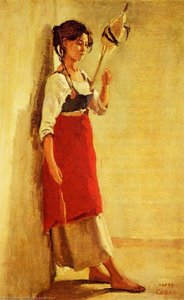
Woman of Italy
 Post-Impressionism
 1909
1909 64.0 x 55.0 cm
 გადასართად დაწვრილებით ნახეთ
ხელით ნაკვეთი ზეთის ტილოს რეპროდუქცია
ტილოზე შესრულებული ფერწერიანი ზეთប្រდათი, თქვენთვის სასურველი ზომისა და ჩარჩოსთვის, ჩვენი ხელოვანების მიერ შეკვეთის საფუძველზე დამზადებული. ( გადართვა ბეჭდზე გადასვლა ციფრულ გამოსახულებაზე)




































აირჩიეთ ჩვენს მიერ წინასწარ განსაზღვრული ზომებიდან, რომლებიც ნაწარმოების ორიგინალურ პროპორციებს შეესაბამება.

თქვენ შეგიძლიათ მიუთითოთ თქვენთვის სასურველი ზომები კონკრეტული ჩარჩოს ან სივრცის შესაბამისად. თუ თქვენ მიერ არჩეული ზომა არ შეესაბამება ორიგინალი გამოსახულების პროპორციებს, ჩვენ ან შევაჭრებთ ნაწარმოებს, ან ტილოზე დავამატებთ ხელით მოხატულ ელემენტებს. წარმოების დაწყებამდე, დამტკიცებისთვის გამოგეგზავნებათ ციფრული მაკეტი.
გთხოვთ, გაითვალისწინოთ, რომ ეკრანზე ნაჩვენები წინასწარი შეხედულება არ ასახავს რეალურ შეჭრას ან გაფართოებას. საბოლოო კომპოზიციას ზუსტად მხოლოდ მაკეტი წარმოაჩენს.
მიუხედავად იმისა, რომ შესაძლებელია ინდივიდუალური ზომების შერჩევა, ორიგინალური პროპორციების შენარჩუნებისათვის გირჩევთ, გამოიყენოთ წინასწარ განსაზღვრული სიის ზომები.
შეკვეთის შემდეგ, AllPaintingsStore.com გუნდი დაგიკავშირდებათ ელექტრონული ფოსტით ინსტრუქციებისთვის და გამოგიგზავნით წინასწარ ნახაზს (mockup).
მიწოდება მსოფლიო მასშტაბით -ში 3/4 კვირაში, სტანდარტული 5 კვირის ნაცვლად. (21 სექტემბერი). ხარისხზე კომპრომისის გაკეთება არ მოხდება.

უფასო ექსპრეს მიწოდება მთელ მსოფლიოში

საბამად მაღალი ხარისხის ტილო

სრული ტრანსპორტირების დაზღვევა

საბაჟო გადასახადების დაბრუნების გარანტია

ფერების სრული შესაბამისობის გარანტია

დაბრუნების 100-დღიანი პოლიტიკა (მხოლოდ დეფექტის შემთხვევაში)

100% თანხის დაბრუნების გარანტია

ფასდაკლება დიდი რაოდენობით შეკვეთისას
 მინის ჩარჩოს არჩევანი ხელმისაწვდომია მხოლოდ 110 სმ-ზე ნაკლები ზომისთვის

Woman of Italy
რეკლამაციის ტექნიკა
რეკლამაციის ზომა
-


საბოლოო ფასი
$ 258
დაკავშირებული ნამუშევრები



მხატვრის ბიოგრაფია
A Bridge Between Worlds: The Life and Art of Fujishima Takeji
Fujishima Takeji, born in Kagoshima in 1867, emerged as a pivotal figure during a period of profound transformation in Japanese art. His life coincided with the rapid modernization of Japan following the Meiji Restoration, an era that witnessed a fervent embrace of Western ideas alongside a deep reverence for traditional culture. This dynamic tension became the defining characteristic of Takeji’s artistic journey, positioning him at the forefront of the *yōga* movement – the adoption of Western painting techniques by Japanese artists. His early life, rooted in the samurai class through his father's lineage as a retainer to the Shimazu clan, instilled within him a sense of discipline and tradition that would subtly inform his later artistic explorations. Though initially studying traditional *nihonga* painting with Hirayama Tōgaku, Takeji felt an undeniable pull towards the innovations unfolding in Western art, leading him to Tokyo and a dedicated pursuit of oil painting under masters like Yamamoto Hōsui and Yukihiko Soyama.Forging a New Aesthetic: Romanticism, Impressionism, and Art Nouveau
Takeji’s artistic style wasn't defined by strict adherence to any single Western school but rather by a masterful synthesis of various influences. He absorbed the tenets of Romanticism, imbuing his works with a sense of emotional depth and dramatic narrative. This was coupled with an appreciation for Impressionism’s emphasis on capturing fleeting moments and the effects of light – though filtered through a distinctly Japanese sensibility. His 1891 debut piece, “Muzan” (Cruelty), garnered attention from the influential novelist Mori Ōgai, signaling his rising prominence within the art world. Later, a sojourn to Europe in 1905 proved transformative. Studying under Fernand Cormon and Carolus-Duran in Paris and Italy respectively, he honed his technical skills while further refining his artistic vision. The influence of Art Nouveau began to subtly weave its way into his compositions, adding an element of decorative elegance and flowing lines. This unique blend resulted in a style that was both distinctly Japanese and undeniably modern – a harmonious fusion of East and West. Works like “Woman of Italy” (1909) beautifully demonstrate this synthesis, showcasing Western portraiture techniques applied to a subject imbued with a delicate Japanese aesthetic.Themes and Techniques: A Celebration of Beauty and Nostalgia
Throughout his career, Fujishima Takeji consistently explored themes that resonated deeply within the Japanese cultural landscape. He frequently depicted women – often historical figures or idealized representations of feminine beauty – rendered with a sensitivity and grace that captivated audiences. Flowers, butterflies, and landscapes also featured prominently in his oeuvre, serving as vehicles for expressing both aesthetic pleasure and subtle emotional undertones. “From the Notebooks: Mourning for Butterflies” exemplifies this approach; its delicate watercolor rendering evokes a sense of wistful melancholy and fleeting beauty, reminiscent of *ukiyo-e* prints yet executed with a distinctly Western painterly technique. His landscapes, such as "Distant View of Awajishima" (1929), are not merely representations of scenery but rather evocative mood pieces that capture the serene atmosphere and subtle nuances of the natural world. Takeji’s technical mastery was evident in his skillful handling of oil paint and watercolor, achieving a remarkable balance between realism and expressive brushwork.Legacy and Influence: Shaping Modern Japanese Art
Fujishima Takeji's impact on the development of modern Japanese painting is undeniable. As a professor at the Tokyo Art School and a member of the Imperial Art Academy, he played a crucial role in shaping the next generation of artists. While not directly involved with the *nihonga* movement – which sought to revitalize traditional Japanese art forms – his work within the *yōga* sphere indirectly influenced its development by demonstrating the possibilities of incorporating Western techniques while retaining a distinctly Japanese identity. He paved the way for other artists to explore new avenues of artistic expression, bridging the gap between tradition and modernity. His recognition with the prestigious Order of Culture in 1937 solidified his position as one of Japan’s most important artists. Today, his works are held in prominent collections, including the Fujikawa Galleries in Japan, continuing to inspire and captivate audiences with their timeless beauty and enduring artistic significance. He remains a testament to the power of cross-cultural exchange and the transformative potential of art.
Fujishima Takeji
1867 - 1943 , Japan
მოკლე ინფორმაცია
- Artistic Movement Or Style:
- Yōga
- Post-Impressionism
- Art Nouveau
- Romanticism
- Artists Or Movements Influenced By This Artist: ['Nihonga movement']
- Artists Who Influenced This Artist:
- Yamamoto Hōsui
- Kuroda Seiki
- Date Of Birth: October 15, 1867
- Date Of Death: 1943
- Full Name: Fujishima Takeji
- Nationality: Japanese
- Notable Artworks:
- Mourning for Butterflies
- Woman of Italy
- Distant View Awajishima
- Place Of Birth: Kagoshima, Japan
დაკავშირებული სტატიები

Oil on Canvas: A Historical & Technical Exploration of a Timeless Artistic Medium
Explore the rich history & enduring techniques of oil painting on canvas. Discover the science behind its longevity, conservation practices, and contemporary relevance. Expert insights for art enthusiasts.

Oil on Board Masters: 10 Paintings That Redefined Art | AllPaintingsStore
Explore 10 legendary 'Oil on Board' masterpieces by Van Gogh, Monet & more! Discover art history, iconic styles like Impressionism, and find museum-quality reproductions to elevate your home decor. Explore the full collection online at AllPaintingsStore.com.

The Enduring Power of Painting: A Historical & Contemporary Exploration of Form and Emotion
Explore the rich history & enduring techniques of oil painting with AllPaintingsStore. Discover masterpieces, learn about art collecting, and find authentic handmade reproductions crafted by skilled artists.

The Enduring Legacy of Oil on Canvas: Technique, History & Aesthetic Impact
Explore the rich history & techniques of oil painting – from Renaissance masters to Impressionism. Discover pigments, layering methods, and why this timeless medium endures. Expert insights for artists & art enthusiasts.

ზეთის საღებავის მუდმივი მემკვიდრეობა: ტექნიკა, ისტორია და თანამედროვე პრაქტიკა
გაიგეთ ზეთის საღებავის ფერწერის ისტორია, ტექნიკა და თანამედროვე პრაქტიკა. პროფესიონალური მხატვრების რჩევები, ქართული ხელოვნების მიმოხილვა და ინსტრუქციები თქვენი შემოქმედებისთვის.

