


 წინასწარი ნახვა
 გაგზავნა
 გაზიარება
 დეტალები

 ჩამოტვირთვა
 მსგავსები
 რენტგენოგრაფიული კვლევა
 სლაიდშოუ
Untitled

 გადასართად დაწვრილებით ნახეთ
გიკლე / ხელოვნების პრინტი
მუზეუმის დონის ჟიკლე ან ტილოზე ბეჭდვა სწრაფი წარმოებისა და დასრულების მოქნილი ვარიანტებით. ( შეიძინეთ ხელით შესრულებული ნახატი შეიძინეთ გამოსახულება)




































აირჩიეთ ჩვენს მიერ წინასწარ განსაზღვრული ზომებიდან, რომლებიც ნაწარმოების ორიგინალურ პროპორციებს შეესაბამება.

თქვენ შეგიძლიათ მიუთითოთ საკუთარი ზომები კონკრეტული ჩარჩოსთვის ან სივრცისთვის მოსარგებლებლად. თუ თქვენ მიერ არჩეული ზომა არ შეესაბამება ორიგინალი გამოსახულების პროპორციებს, ჩვენ ან დავჭრით ნამუშევარს, ან გავაფართოვებთ გამოსახულებას სარკული ან ერთფეროვანი კიდეებით. წარმოების დაწყებამდე თქვენს დასამტკიცებლად გამოგეგზავნებათ ციფრული მაკეტი.
გთხოვთ, გაითვალისწინოთ, რომ ეკრანზე ნაჩვენები წინასწარი ნახვა არ ასახავს რეალურ ჭრას ან გაფართოებას. მხოლოდ მაკეტზე იქნება ზუსტად წარმოდგენილი საბოლოო კომპოზიცია.
მიუხედავად იმისა, რომ ინდივიდუალური ზომები ხელმისაწვდომია, ორიგინალური პროპორციების შესანარჩუნებლად გირჩევთ, აირჩიოთ ზომა წინასწარ განსაზღვრული სიისგან.
მიწოდება მთელ მსოფლიოში () 2 კვირაში, სტანდარტული 4/5 კვირის ნაცვლად. (19 აგვისტო)

უფასო ექსპრეს მიწოდება მთელ მსოფლიოში

საბამად მაღალი ხარისხის ტილო

სრული ტრანსპორტირების დაზღვევა

საბაჟო გადასახადების დაბრუნების გარანტია

ფერების სრული შესაბამისობის გარანტია

60-დღიანი დაბრუნების პოლიტიკა (მხოლოდ დეფექტის შემთხვევაში)

100% თანხის დაბრუნების გარანტია

ფასდაკლება დიდი რაოდენობით შეკვეთისას
 მინის ჩარჩოს არჩევანი ხელმისაწვდომია მხოლოდ 110 სმ-ზე ნაკლები ზომისთვის

Untitled
გიკლე / ხელოვნების პრინტი
რეკლამაციის ზომა
-


საბოლოო ფასი
$ 64
დაკავშირებული ნამუშევრები




მხატვრის ბიოგრაფია
George Keyt: Sri Lanka's Visionary Modernist
George Percival Sproule Keyt (1901 – 1993) stands as Sri Lanka’s most distinguished modern painter, a figure whose distinctive style—rooted in Cubism and imbued with Buddhist symbolism—continues to fascinate art historians and collectors alike. Born in Colombo, Ceylon (now Sri Lanka), Keyt possessed an innate artistic talent nurtured by his father, a solicitor who recognized and encouraged his son's burgeoning passion for drawing from a young age. This early fascination extended beyond mere hobby; it fueled a lifelong devotion to the study of art and literature, profoundly shaped by the spiritual aura of the Malwatte Vihara—the oldest Buddhist temple in Sri Lanka—and its surrounding landscape.- Early Education & Influences: Keyt’s formal education commenced at Trinity College Kandy, a prestigious colonial school upholding traditions reminiscent of British public schools. This environment instilled in him a rigorous intellectual discipline alongside an appreciation for classical art forms and humanist ideals.
- Buddhist Awakening & Artistic Vision: The profound impact of Buddhism on Keyt's worldview is undeniable. He became a fervent advocate for the Buddhist revival movement, dedicating himself to preserving Sri Lanka’s cultural heritage and exploring its spiritual dimensions within his artistic practice.
- Cubist Roots & Artistic Style: Influenced by Henri Matisse and particularly captivated by the ancient Buddhist art of Nagarjunakonda, Sanchi, and Gandhara—sites renowned for their monumental sculptures and intricate iconography—Keyt embraced Cubism as his dominant stylistic approach. This movement’s fragmentation and geometric abstraction served as a springboard for expressing complex ideas about perception and reality.
Notable Works & Recurring Themes
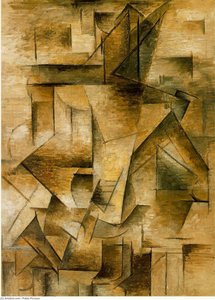
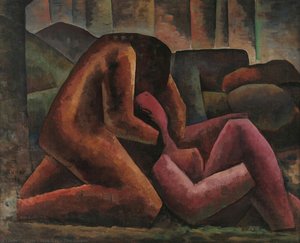
Keyt's oeuvre is characterized by recurring motifs drawn from Jataka tales—stories recounting the previous lives of Buddha—which he skillfully rendered in vibrant color palettes and dynamic compositions. His paintings often depict serene landscapes imbued with Buddhist symbolism, reflecting his deep connection to Sri Lanka’s spiritual landscape. Among his most celebrated pieces include “Untitled (Man, Woman and Child)” and “Untitled,” which exemplify his masterful technique and profound artistic vision. These works demonstrate Keyt's ability to distill complex philosophical concepts into visually arresting images that resonate with viewers across cultures.Literary Contributions & Translation Efforts
Beyond painting, Keyt was a prolific poet whose essays eloquently articulated his understanding of the painter’s role and creative process. His translation of “The Gita Govinda” into English (1940) and Sinhalese stands as a testament to his literary prowess and commitment to disseminating Eastern wisdom to Western audiences. Illustrated with his own delicate line drawings, these translations captured Keyt's artistic sensibility alongside his scholarly rigor—a harmonious blend that cemented his reputation as a multifaceted intellectual and artist.Recognition & Legacy
George Keyt’s work gained international acclaim throughout his lifetime, securing prominent positions in esteemed museums like St George’s Chapel (United Kingdom) and the George Daniell Museum (Miami Beach). His enduring influence on Sri Lankan art history is undeniable, establishing him as a cornerstone of modern Sri Lankan artistic expression. Today, reproductions of Keyt's paintings continue to inspire artists and collectors worldwide, ensuring that his visionary aesthetic—characterized by Cubist innovation and Buddhist contemplation—remains relevant in the 21st century.
მოკლე ინფორმაცია
- Artistic Movement Or Style: Cubism
- Artists Or Movements Influenced By This Artist:
- Buddhist art
- Nagarjunakonda
- Artists Who Influenced This Artist: ['Henri Matisse']
- Date Of Death: 1993
- Full Name: George Percival Sproule Keyt
- Nationality: Sri Lankan
- Notable Artworks:
- Untitled (Man, Woman and Child)
- Untitled
- Place Of Birth: Sri Lanka (Kandy)


