თანხის დაბრუნების გარანტია · 100 დღე უფასო მიწოდება მთელ მსოფლიოში
449 582ნამუშევრები 30 618მხატვრები 4 705მუზეუმები 32ენები
ვალუტა
    ენა
      ატელიე · დაარსდა 2015 წელს · პარიზი, საფრანგეთი
      AllPaintingsStore
      allpaintingsstore.com
      ნახვა ინტერьерში ნახვა AR რეჟიმში გადართვა ბეჭდვის რეჟიმზე გადასვლა ციფრულ გამოსახულებაზე გაგზავნა
      დეტალები გზამკვლევი დამატება ფავორიტებში ჩამოტვირთვა მსგავსები რენტგენოგრაფიული კვლევა სლაიდშოუ სტატისტიკა

      Rooftops at Ceret

      Explore Georges Braque’s ‘Rooftops at Ceret’ (1911), a groundbreaking Cubist masterpiece. Discover fragmented forms, grey tones & dynamic composition – a key work in 20th-century art.

      გაითვალისწინებათ მეგობრებო! გიორგი ბრაკე ფრანგი მხატვარი და კუბიზმის პლენერა იყო და მისი ნაწარმოებები სხეპს და სიცნებას ახალი დონემდე გააჩნდათ. აღნიშნული მეგობრებო და შეფასებათა დამახასიათებელი ბრაკის ძირითადი კოლაჟები და სახლები ლესტაკზე და სხვებიდან არის და მისი მნიშვნელოვანი როლი კუბიზმის ისტორიაშია და მის მიერ შექმნილი ნაწარმოებები მოდელი და ინსპირაცია არიან სხვა მხატვრებისთვის და ბრაკის გავლე

      ამ გვერდზე წარმოდგენილი ნამუშევარი დაცულია საავტორო უფლების შესახებ კანონმდებლობით, რაც იმას ნიშნავს, რომ ჩვენ არ გვაქვს მისი იდენტური რეპროდუქციის შექმნის ან გაყიდვის სამართლებრივი უფლება. აღნიშნული დაცვა უზრუნველყოფილია ისეთი საერთაშორისო შეთანხმებებით, როგორიცაა ბერნის კონვენცია და ეროვნული კანონმდებლობით, მათ შორის იმ კანონებით, რომლებიც დეტალურად არის გაწერილი აშშ-ის საავტორო უფლების შესახებ კანონი - თავი 17.

      როგორც პატივისცემით სავსე და კანონიერი ალტერნატივა, ჩვენ გთავაზობთ ორიგინალით შთაგონებულ, ინდივიდუალურ, ხელით შესრულებულ ნამუშევრებს. ჩვენი ოსტატ და პროფესიონალი ხელოვანები საგულდაგულოდ სწავლობენ ორიგინალის სტილს, განწყობასა და მხატვრულ არსს, რათა შექმნან ახალი, უნიკალური ნამუშევარი, რომელიც იგივე ემოციას აღძრავს და, ამავდროულად, თავად წარმოადგენს დამოუკიდებელ, ორიგინალურ შემოქმედებას.

      ეს მეთოდი სრულად შეესაბამება საავტორო უფლებების რეგულაციებს, რადგან ის არ გულისხმობს დაცული ნამუშევრის კოპირებას ან დუბლირებას. ამგვარად, ეს წარმოადგენს შემოქმედებით რეინტერპრეტაციას — ახალ ნახატს, რომელიც შთაგონებითაა განპირობებული ორიგინალით, თუმცა არ არის მის იდენტურ ასლს.

      ხელით შესრულებული ზეთის საღებავით რეპროდუქცია

      ტილოზე შესრულებული ფერწერიანი ზეთប្រდათი, თქვენთვის სასურველი ზომისა და ჩარჩოსთვის, ჩვენი ხელოვანების მიერ შეკვეთის საფუძველზე დამზადებული. ( გადართვა ბეჭდვის რეჟიმზე გადასვლა ციფრულ გამოსახულებაზე)

      Corner sample of the P118B picture frame: moulded polystyrene, 5 cm wide and 3 cm thick
      P118B 10
      Corner sample of the P118H picture frame: moulded polystyrene, 5 cm wide and 3 cm thick
      P118H 10
      Corner sample of the P118W picture frame: moulded polystyrene, 5 cm wide and 3 cm thick
      P118W 10
      Corner sample of the P438Z picture frame: moulded polystyrene, 5.5 cm wide and 3.5 cm thick
      P438Z 10
      Corner sample of the P508JH picture frame: moulded polystyrene, 7 cm wide and 3.5 cm thick
      P508JH 12
      Corner sample of the P508YH picture frame: moulded polystyrene, 7 cm wide and 3.5 cm thick
      P508YH 12
      Corner sample of the P805H picture frame: moulded polystyrene, 5 cm wide and 3.5 cm thick
      P805H 10
      Corner sample of the P805Z picture frame: moulded polystyrene, 5 cm wide and 3.5 cm thick
      P805Z 10
      Corner sample of the P919BZ picture frame: moulded polystyrene, 7 cm wide and 3.5 cm thick
      P919BZ 10
      Corner sample of the P919G picture frame: moulded polystyrene, 7 cm wide and 3.5 cm thick
      P919G 10
      Corner sample of the P919XJ picture frame: moulded polystyrene, 7 cm wide and 3.5 cm thick
      P919XJ 10
      Corner sample of the P959ZH picture frame: moulded polystyrene, 5 cm wide and 3 cm thick
      P959ZH 10
      Corner sample of the P968JZ picture frame: moulded polystyrene, 6 cm wide and 4 cm thick
      P968JZ 12
      Corner sample of the W106C picture frame: solid wood, 5 cm wide and 3 cm thick
      W106C 8
      Corner sample of the W218G picture frame: solid wood, 5 cm wide and 3 cm thick
      W218G 10
      Corner sample of the W218JH picture frame: solid wood, 5 cm wide and 3 cm thick
      W218JH 8
      Corner sample of the W218Y picture frame: solid wood, 5 cm wide and 3 cm thick
      W218Y 10
      Corner sample of the W307PJ picture frame: solid wood, 6 cm wide and 3 cm thick
      W307PJ 10
      Corner sample of the W316G picture frame: solid wood, 6 cm wide and 3 cm thick
      W316G 10
      Corner sample of the W316PJ picture frame: solid wood, 6 cm wide and 3 cm thick
      W316PJ 8
      Corner sample of the W316Y picture frame: solid wood, 6 cm wide and 3 cm thick
      W316Y 10
      Corner sample of the W398PJ picture frame: solid wood, 5 cm wide and 3 cm thick
      W398PJ 8
      Corner sample of the W4111J picture frame: solid wood, 6.5 cm wide and 3.5 cm thick
      W4111J 10
      Corner sample of the W500HY picture frame: solid wood, 7 cm wide and 5 cm thick
      W500HY 15
      Corner sample of the W500JH picture frame: solid wood, 7 cm wide and 5 cm thick
      W500JH 15
      Corner sample of the W692G picture frame: solid wood, 8 cm wide and 4 cm thick
      W692G 12
      Corner sample of the W849H picture frame: solid wood, 5 cm wide and 3 cm thick
      W849H 8
      Corner sample of the W940BG picture frame: solid wood, 7.5 cm wide and 4.5 cm thick
      W940BG 15
      Corner sample of the W953PJ picture frame: solid wood, 6 cm wide and 3.5 cm thick
      W953PJ 8

      სტანდარტული ზომა
      ინდივიდუალური ზომა
      CM
      INCH

      აირჩიეთ ჩვენს მიერ წინასწარ განსაზღვრული ზომებიდან, რომლებიც ნაწარმოების ორიგინალურ პროპორციებს შეესაბამება.

      სიგანე
      სიმაღლე

      თქვენ შეგიძლიათ მიუთითოთ თქვენთვის სასურველი ზომები კონკრეტული ჩარჩოს ან სივრცის შესაბამისად. თუ თქვენ მიერ არჩეული ზომა არ შეესაბამება ორიგინალი გამოსახულების პროპორციებს, ჩვენ ან შევაჭრებთ ნაწარმოებს, ან ტილოზე დავამატებთ ხელით მოხატულ ელემენტებს. წარმოების დაწყებამდე, დასამტკიცებლად გამოგეგზავნებათ ციფრული მაკეტი.
      გთხოვთ, გაითვალისწინოთ, რომ ეკრანზე ნაჩვენები წინასწარი შეხედულება არ ასახავს რეალურ შეჭრას ან გაფართოებას. საბოლოო კომპოზიციას ზუსტად მხოლოდ მაკეტი წარმოაჩენს.
      მიუხედავად იმისა, რომ შესაძლებელია ინდივიდუალური ზომების შერჩევა, ორიგინალური პროპორციების შენარჩუნებისათვის გირჩევთ, გამოიყენოთ წინასწარ განსაზღვრული სიის ზომები.

      რა შეიძლება შეიცვალოს: სახის ჩანაცვლება მომხმარებლის ფოტოთი; შინაური ცხოველის დამატება (მაგ., კატის ჩანაცვლება ძაღლით); ფონზე ფარული შეტყობინების დამატება; ფონის პეიზაჟის ან ელემენტების შეცვლა.
      შეკვეთის შემდეგ, AllPaintingsStore.com გუნდი დაგიკავშირდებათ ელექტრონული ფოსტით ინსტრუქციებისთვის და გამოგიგზავნით წინასწარ ნახაზს (mockup).

      მიწოდება მსოფლიო მასშტაბით -ში 3/4 კვირაში, სტანდარტული 5 კვირის ნაცვლად. (11 ოქტომბერი). ხარისხზე კომპრომისის გაკეთება არ მოხდება.

      უფასო ექსპრეს მიწოდება მთელ მსოფლიოში
      მაღალი ხარისხის ტილო
      ტრანსპორტირების სრული დაზღვევა
      საბაჟო გადასახადების დაბრუნების გარანტია
      ფერების სრული შესაბამისობის გარანტია
      დაბრუნების 100-დღიანი პერიოდი (მხოლოდ წარმოების დეფექტის შემთხვევაში)
      100% თანხის სრული დაბრუნების გარანტია
      ფასდაკლება დიდი რაოდენობით შეკვეთისას

      ჯამური ღირებულება

      ₾ 673

      Rooftops at Ceret

      რეპროდუქციის ტექნიკა

      რეპროდუქციის ზომა

      -

      ჯამური ღირებულება

      ₾ 673

      მოკლე ფაქტები

      • style: Abstract, Cubist
      • movement: Cubism
      • medium: Oil on canvas (presumed)
      • dimensions: 88 x 64 cm
      • title: Rooftops at Ceret
      • artist: Georges Braque

      ტესტი ხელოვნების შესახებ

      თითოეულ კითხვაზე მხოლოდ ერთი სწორი პასუხია.

      კითხვა 1:
      To which artistic movement does 'Rooftops at Ceret' most strongly belong?
      კითხვა 2:
      Georges Braque is most famously known for pioneering which artistic development alongside Pablo Picasso?
      კითხვა 3:
      What is a defining characteristic of the style evident in 'Rooftops at Ceret'?
      კითხვა 4:
      Based on the description, how would you characterize the perspective in 'Rooftops at Ceret'?
      კითხვა 5:
      In what year was 'Rooftops at Ceret' created?

      A Glimpse into Cubist Deconstruction: Braque’s *Rooftops at Ceret* (1911)

      Georges Braque's *Rooftops at Ceret*, painted in 1911, is a pivotal work exemplifying the early stages of Cubism – a revolutionary art movement he pioneered alongside Pablo Picasso. This isn’t a depiction *of* rooftops as much as it is an exploration *through* them; a fracturing and reassembling of visual experience into a dynamic interplay of geometric forms.

      Deconstructing Reality: Style & Technique

      The artwork showcases Braque's masterful command of analytical Cubism. The scene, inspired by the village of Ceret in Southern France – a frequent artistic retreat – is reduced to its essential components: planes, angles, and intersecting lines. Notice how traditional perspective is entirely abandoned; depth is suggested not through realistic rendering but through overlapping shapes and tonal variations.
      • Geometric Abstraction: The composition is dominated by a fragmented landscape of angular forms, primarily in muted tones of grey, brown, and gold.
      • Limited Palette & Texture: Braque employs a restrained color palette to emphasize form over hue. The texture, achieved through visible brushstrokes and layering of paint, adds depth and tactile quality.
      • Flattened Space: The lack of strong highlights or shadows contributes to the flattening of pictorial space, characteristic of early Cubist works.

      Historical Context: The Birth of a Revolution

      1911 was a crucial year for Braque and Picasso. They were deeply engaged in dismantling traditional artistic conventions, questioning how we perceive and represent the world around us. *Rooftops at Ceret* reflects this intellectual pursuit. It moves away from merely imitating reality to analyzing and reconstructing it on canvas. This period saw them experimenting with multiple viewpoints simultaneously – attempting to capture a more complete understanding of an object or scene by showing all its facets at once.

      Symbolism & Interpretation

      While seemingly abstract, the fractured forms in *Rooftops at Ceret* can be interpreted symbolically. The broken planes might represent the fragmentation of modern life, the disruption of traditional values, or simply a new way of seeing. The rooftops themselves, though abstracted, hint at human presence and shelter, grounding the composition despite its radical departure from realism. It’s important to remember that Cubism wasn't about depicting *what* things look like, but rather *how* we see them – our cognitive process of understanding form and space.

      Emotional Impact & Aesthetic Appeal

      Despite its intellectual underpinnings, *Rooftops at Ceret* possesses a compelling aesthetic quality. The dynamic arrangement of shapes creates a sense of movement and energy. The muted color palette evokes a feeling of quiet contemplation, while the complex interplay of forms invites prolonged visual exploration. This artwork is not merely an historical artifact; it’s a visually stimulating piece that continues to resonate with viewers today. Its sophisticated abstraction makes it a striking addition to any collection or interior space – offering a timeless expression of artistic innovation and intellectual rigor. The size (88 x 64 cm) lends itself well to both intimate settings and larger gallery displays.

      კითხვები და პასუხები

      ვინ არის „Rooftops at Ceret“-ის ავტორი?

      სამ 작품ის „Rooftops at Ceret“ ავტორი არის ჟორჟ ბრაკე. ნამუშევარი დატრიალებულია ჟორჟ ბრაკე-ის სახელით.

      არის ჟორჟ ბრაკე-ის „Rooftops at Ceret“ პორტრეტული, პეიზაჟური თუ კვადრატული კომპოზიცია?

      ჟორჟ ბრაკე-ის „Rooftops at Ceret“ არის Portrait კომპოზიცია.បრিনტის ზომის შერჩევამდე ღირს პროპორციების გადამოწმება.

      რა არის ორიგინალი ჟორჟ ბრაკე-ის „Rooftops at Ceret“-ის ზომები?

      ორიგინალში „Rooftops at Ceret“ ზომას შეადგენს 88 x 64 cm. ორიგინალის ზომები სასარგებლო ორიგინალის რეპროდუქციის ზომის შერჩევისას.

      რა ქვეყანას მიეკუთვნება Cubism-ის ნამუშევარი „Rooftops at Ceret“?

      "Rooftops at Ceret" შექმნილია ჟორჟ ბრაკე-ის მიერ, რომელიც დაბადებულია საფრანგეთი-ში და მოძრავი არის Cubism სტილის წარმომადგენელი. ხელოვანის წარმოშობა ამ ნამუშევარს აკავშირებს Cubism მიმდინარეობასთან, რომელსაც საფრანგეთი-ის ხელოვანები ასრულებენ.

      რა ასაკში შექმნა ჟორჟ ბრაკე-მა „Rooftops at Ceret“?

      ჟორჟ ბრაკე 29 წლის იყო, როდესაც 1911 წელს შექმნა „Rooftops at Ceret“. ასაკი გამოთვლილია ხელოვანის დაბადების წლის, 1882, საფუძველზე.

      რა არის ჟორჟ ბრაკე-ის „Rooftops at Ceret“-ის შექმნის თარიღი?

      ჟორჟ ბრაკე-ის „Rooftops at Ceret“ შეიქმნა 1911 წელს.

      შესაძლებელია თუ არა დამატებული რეალობის (AR) გამოყენება იმისათვის, რომ ჟორჟ ბრაკე-ის „Rooftops at Ceret“ ჩემს ოთახში ვნახო?

      შეგიძლიათ ნახოთ ჟორჟ ბრაკე-ის „Rooftops at Ceret“ თქვენს საკუთარ კედელზე ნამუშევრის AR წინასწარი ნახვა გვერდის მეშვეობით, თავსდამხვევი რეალობის გამოყენებით თავსებად მოწყობილობაზე.


      მხატვრის ბიოგრაფია

      Early Life and Artistic Foundations

      Georges Braque, born in Argenteuil, France, in 1882, embarked on a path deeply intertwined with the evolving landscape of modern art. His upbringing within a family of house painters and decorators instilled in him not only a technical mastery of materials but also an early appreciation for form and structure. Though initially following in his father’s trade, Braque's inherent artistic inclinations soon led him to formal training at the École des Beaux-Arts in Le Havre, marking the beginning of his journey toward becoming one of the most influential painters of the 20th century. This foundation—a blend of practical craftsmanship and academic study—would prove crucial as he later deconstructed and reimagined traditional artistic conventions.

      Moving to Paris in 1902, Braque continued his studies at the Académie Humbert, immersing himself in the vibrant artistic milieu of the city. It was here that he encountered artists like Marie Laurencin and Francis Picabia, forging connections that would shape his early development. His initial works reflected the prevailing influences of Impressionism and Post-Impressionism, but a pivotal encounter with the bold colors and expressive freedom of Fauvism in 1905 ignited a new direction in his artistic exploration.

      The Embrace of Fauvism and the Dawn of Cubism

      Braque’s adoption of Fauvist principles—characterized by intense, non-naturalistic color and emotional expression—is vividly exemplified in paintings like The Patience. This period saw him working alongside artists such as Henri Matisse and André Derain, experimenting with vibrant palettes and simplified forms. However, Braque's engagement with Fauvism was not merely imitative; he infused it with a unique sensibility, tempering the movement’s unrestrained exuberance with a more restrained and analytical approach.

      A turning point arrived in 1907 with his exposure to the retrospective exhibition of Paul Cézanne's work. Cézanne’s emphasis on geometric forms and multiple perspectives profoundly impacted Braque, setting the stage for his groundbreaking collaboration with Pablo Picasso. Beginning in 1908, these two artistic titans embarked on a period of intense intellectual exchange that would give birth to Cubism—a revolutionary movement that shattered traditional notions of representation.

      Together, Braque and Picasso developed Analytical Cubism, dissecting objects into fragmented geometric shapes and presenting multiple viewpoints simultaneously. Works like Houses at L'Estaque demonstrate this early phase, showcasing a radical departure from conventional perspective and a focus on the underlying structure of forms. Their palette became deliberately muted, emphasizing form over color, as they sought to represent the totality of an object’s presence rather than merely its appearance.

      Innovation Through Fragmentation and Collage

      The partnership between Braque and Picasso continued to push the boundaries of artistic expression, leading to the development of Synthetic Cubism around 1912. This phase saw the introduction of collage—the incorporation of real-world materials such as newspaper clippings, wallpaper, and fabric into paintings. This innovation challenged the traditional hierarchy between painting and sculpture, blurring the lines between art and life.

      Braque’s pioneering use of *papier collé* (pasted paper) marked a significant turning point in his artistic evolution. By integrating fragments of everyday objects into his compositions, he disrupted the illusionistic space of traditional painting and introduced a new level of materiality and texture. This technique not only expanded the formal possibilities of art but also reflected a growing interest in the relationship between representation and reality.

      The outbreak of World War I in 1914 brought an interruption to this intense collaboration, as Braque was called upon for military service. His wartime experiences profoundly affected his artistic vision, leading him to explore more personal and lyrical themes in his post-war work.

      Later Years and Enduring Legacy

      Following the war, Braque’s style evolved beyond the strict confines of Cubism, incorporating elements of classical composition and a renewed interest in still life. While retaining the geometric influences that had defined his earlier work, he developed a more nuanced and contemplative approach to painting. His later landscapes and interiors are characterized by their serene atmosphere and subtle harmonies of color.

      Throughout his career, Braque remained committed to exploring the fundamental principles of form, space, and representation. He continued to experiment with different materials and techniques, pushing the boundaries of artistic expression until his death in 1963. His influence on subsequent generations of artists is immeasurable, shaping the course of modern art and inspiring countless painters, sculptors, and collagists.

      Georges Braque’s legacy extends beyond his individual artworks; he fundamentally altered our understanding of how we perceive and represent the world around us. His collaborative spirit with Picasso, coupled with his own unique artistic vision, cemented his place as a true pioneer of modern art—a master who dared to challenge conventions and redefine the possibilities of painting.

      Influences and Notable Works

      • Influenced By: Henri Matisse, André Derain, Paul Cézanne
      • Key Works: Houses at L'Estaque, The Patience, Violin and Palette, Mandola
      • Impact on Art History: Revolutionized 20th-century art through Cubism; challenged traditional notions of perspective and representation.
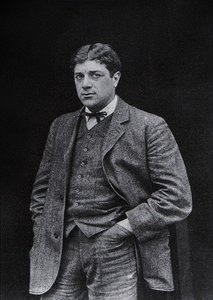
      ჟორჟ ბრაკე

      ჟორჟ ბრაკე

      1882 - 1963 , საფრანგეთი

      მოკლე ფაქტები

      • Artistic Movement Or Style: კუბიზმი და ფავიზმი
      • Artists Or Movements Influenced By This Artist: ['პროცედების დ სიცნობისთვის და კუბიზმი']
      • Artists Who Influenced This Artist:
        • ჰენრი მატის და სსრფ.
        • პაბლო პიკასო და სსრფ.
      • Date Of Birth: 13 მაისი 1882 წ.
      • Date Of Death: 1963 წ.
      • Full Name: Georges Braque
      • Nationality: ფრანგილია
      • Notable Artworks:
        • სახლები ლესტაკზე
        • procédés დ სიცნობისთვის
        • ვიოლინა და პალეტი
        • მანდოლა
      • Place Of Birth: არგენტეუილი სსრფ.
      აღმოაჩინეთ ხელოვნების ნაწარმოებები თემების, სტილისა და მახასიათებლების მიხედვით დაჯგუფებული.