თანხის დაბრუნების გარანტია · 100 დღე უფასო მიწოდება მთელ მსოფლიოში
449 587ნამუშევრები 30 613მხატვრები 4 660მუზეუმები 32ენები
ვალუტა
    ენა
      ატელიე · დაარსდა 2015 წელს · პარიზი, საფრანგეთი
      AllPaintingsStore
      allpaintingsstore.com
      Catalogue entry

      Vanitas

      1939. Mixed Media.

      Fig. 1. ჟორჟ ბრაკე, Vanitas, 1939. Shown as the reproduction you are specifying: , .

      § 1Catalogue data

      § 2Abstract

      კოლექციონირებადი ნივთის აღწერა

      Georges Braque’s haunting ‘Vanitas,’ painted in 1939, confronts mortality through Cubist fragmentation and muted earthy tones—a masterful meditation on decay and remembrance within the heart of modernist art. Explore this iconic piece and bring timeless beauty into your home.

      მხატვრის ბიოგრაფია

      გაითვალისწინებათ მეგობრებო! გიორგი ბრაკე ფრანგი მხატვარი და კუბიზმის პლენერა იყო და მისი ნაწარმოებები სხეპს და სიცნებას ახალი დონემდე გააჩნდათ. აღნიშნული მეგობრებო და შეფასებათა დამახასიათებელი ბრაკის ძირითადი კოლაჟები და სახლები ლესტაკზე და სხვებიდან არის და მისი მნიშვნელოვანი როლი კუბიზმის ისტორიაშია და მის მიერ შექმნილი ნაწარმოებები მოდელი და ინსპირაცია არიან სხვა მხატვრებისთვის და ბრაკის გავლე

      § 3Commentary

      A Silent Dialogue with Mortality

      In the quiet, somber depths of Georges Braque’s 1939 masterpiece, "Vanitas," viewers are invited into a profound meditation on the fleeting nature of existence. Created during a period of immense global tension, this work transcends the boundaries of a traditional still life to become an evocative visual poem. At its heart lies a stark, haunting juxtaposition: a skull resting upon a draped couch, positioned alongside a crucifix. This arrangement serves as a powerful memento mori, a reminder of the inevitability of death that has resonated through art history for centuries. Braque does not merely present objects; he orchestrates a confrontation between the physical world and the spiritual unknown, inviting the observer to contemplate the heavy weight of time.

      The composition is far more than a collection of items; it is a carefully curated landscape of symbolism. As one’s gaze wanders through the scene, they encounter a chair representing the stillness of repose, and vases holding withered flowers that whisper of beauty long since faded. A bottle, a bowl, and even books with blank pages act as silent witnesses to the transience of human endeavor—knowledge and wisdom rendered hollow by the march of time. For the discerning collector or interior designer, this painting offers a sophisticated layer of intellectual depth, making it an ideal centerpiece for spaces designed for reflection, study, or quiet contemplation.

      The Mastery of Cubist Deconstruction

      Technically, "Vanitas" is a triumph of Braque’s mature style, showcasing his ability to blend the structural innovations of Cubism with a deeply emotive sensibility. Rather than relying on traditional, singular perspectives, Braque employs fragmented planes and overlapping forms to dismantle the solidity of the objects. This technique creates a sense of movement within the stillness, as if the very air around the skull is vibrating with the memory of what once was. The artist’s masterful use of a muted, earthy palette—rich browns, warm ochres, and soft creams—avoids dramatic spectacle in favor of a solemn, atmospheric grace.

      The tactile quality of the work further enhances its emotional resonance. By skillfully blending oil paint with pastel chalk, Braque achieved a textured surface that invites the eye to linger on every brushstroke and grain. This interplay of media lends a physical presence to the decay depicted, making the withered petals and the weathered bone feel tangibly real. For those seeking a high-quality reproduction, this texture is essential; it captures the soul of the original, bringing the somber beauty of Braque’s vision into the modern home with all its historical gravity and artistic prestige.

      An Enduring Legacy for Modern Interiors

      Beyond its historical significance, "Vanitas" possesses a timeless aesthetic appeal that transcends the era of its creation. Its subdued tones and complex composition allow it to integrate seamlessly into diverse interior design schemes, from the minimalist modern gallery style to more traditional, classical settings. It serves as an anchor of sophistication, providing a conversation piece that is both intellectually stimulating and visually arresting.

      To possess a reproduction of this work is to hold a fragment of the modernist revolution. It is an invitation to pause in a fast-paced world and engage with the profound truths of our shared human experience. Whether adorning a private library or a curated living space, Braque’s "Vanitas" brings with it an aura of wisdom, elegance, and an enduring respect for the beautiful mystery of life and its inevitable conclusion.

      კითხვები და პასუხები

      რა არის ჟორჟ ბრაკე-ის „Vanitas“-ის ფეროვანი იდენტობა?

      ჟორჟ ბრაკე-ის „Vanitas“-ის ფეროვანი იდენტობა: Earthy პალიტრა, რომელსაც დომინირებს Rosy Brown (#bab080).

      რა ატმოსფეროს ქმნის ჟორჟ ბრაკე-ის „Vanitas“ ინტერიერში?

      თავისი Calm განწყობით, „Vanitas“ რეკომენდებულია Living Room-ისთვის.

      აქვს თუ არა ნამუშევარს „Vanitas“ დამატებული რეალობის (AR) წინასწარი ნახვის ფუნქცია?

      „Vanitas“-ს აქვს augmented reality (AR) წინასწარი ნახვის ფუნქცია: ნამუშევრის AR წინასწარი ნახვა გვერდი მას თქვენს საკუთარ სივრცეში, თავსებად მოწყობილობაზე აჩვენებს.
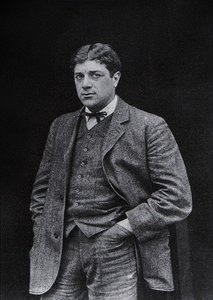
      § 4The artist

      ჟორჟ ბრაკე

      ჟორჟ ბრაკე

      1882 - 1963, საფრანგეთი

      Quick facts about ჟორჟ ბრაკე

      • Artistic Movement Or Style: კუბიზმი და ფავიზმი
      • Artists Or Movements Influenced By This Artist: ['პროცედების დ სიცნობისთვის და კუბიზმი']
      • Artists Who Influenced This Artist:
        • ჰენრი მატის და სსრფ.
        • პაბლო პიკასო და სსრფ.
      • Date Of Birth: 13 მაისი 1882 წ.
      • Date Of Death: 1963 წ.
      • Full Name: Georges Braque
      • Nationality: ფრანგილია
      • Notable Artworks:
        • სახლები ლესტაკზე
        • procédés დ სიცნობისთვის
        • ვიოლინა და პალეტი
        • მანდოლა
      • Place Of Birth: არგენტეუილი სსრფ.

      მხატვრის ბიოგრაფია

      Early Life and Artistic Foundations

      Georges Braque, born in Argenteuil, France, in 1882, embarked on a path deeply intertwined with the evolving landscape of modern art. His upbringing within a family of house painters and decorators instilled in him not only a technical mastery of materials but also an early appreciation for form and structure. Though initially following in his father’s trade, Braque's inherent artistic inclinations soon led him to formal training at the École des Beaux-Arts in Le Havre, marking the beginning of his journey toward becoming one of the most influential painters of the 20th century. This foundation—a blend of practical craftsmanship and academic study—would prove crucial as he later deconstructed and reimagined traditional artistic conventions.

      Moving to Paris in 1902, Braque continued his studies at the Académie Humbert, immersing himself in the vibrant artistic milieu of the city. It was here that he encountered artists like Marie Laurencin and Francis Picabia, forging connections that would shape his early development. His initial works reflected the prevailing influences of Impressionism and Post-Impressionism, but a pivotal encounter with the bold colors and expressive freedom of Fauvism in 1905 ignited a new direction in his artistic exploration.

      The Embrace of Fauvism and the Dawn of Cubism

      Braque’s adoption of Fauvist principles—characterized by intense, non-naturalistic color and emotional expression—is vividly exemplified in paintings like The Patience. This period saw him working alongside artists such as Henri Matisse and André Derain, experimenting with vibrant palettes and simplified forms. However, Braque's engagement with Fauvism was not merely imitative; he infused it with a unique sensibility, tempering the movement’s unrestrained exuberance with a more restrained and analytical approach.

      A turning point arrived in 1907 with his exposure to the retrospective exhibition of Paul Cézanne's work. Cézanne’s emphasis on geometric forms and multiple perspectives profoundly impacted Braque, setting the stage for his groundbreaking collaboration with Pablo Picasso. Beginning in 1908, these two artistic titans embarked on a period of intense intellectual exchange that would give birth to Cubism—a revolutionary movement that shattered traditional notions of representation.

      Together, Braque and Picasso developed Analytical Cubism, dissecting objects into fragmented geometric shapes and presenting multiple viewpoints simultaneously. Works like Houses at L'Estaque demonstrate this early phase, showcasing a radical departure from conventional perspective and a focus on the underlying structure of forms. Their palette became deliberately muted, emphasizing form over color, as they sought to represent the totality of an object’s presence rather than merely its appearance.

      Innovation Through Fragmentation and Collage

      The partnership between Braque and Picasso continued to push the boundaries of artistic expression, leading to the development of Synthetic Cubism around 1912. This phase saw the introduction of collage—the incorporation of real-world materials such as newspaper clippings, wallpaper, and fabric into paintings. This innovation challenged the traditional hierarchy between painting and sculpture, blurring the lines between art and life.

      Braque’s pioneering use of *papier collé* (pasted paper) marked a significant turning point in his artistic evolution. By integrating fragments of everyday objects into his compositions, he disrupted the illusionistic space of traditional painting and introduced a new level of materiality and texture. This technique not only expanded the formal possibilities of art but also reflected a growing interest in the relationship between representation and reality.

      The outbreak of World War I in 1914 brought an interruption to this intense collaboration, as Braque was called upon for military service. His wartime experiences profoundly affected his artistic vision, leading him to explore more personal and lyrical themes in his post-war work.

      Later Years and Enduring Legacy

      Following the war, Braque’s style evolved beyond the strict confines of Cubism, incorporating elements of classical composition and a renewed interest in still life. While retaining the geometric influences that had defined his earlier work, he developed a more nuanced and contemplative approach to painting. His later landscapes and interiors are characterized by their serene atmosphere and subtle harmonies of color.

      Throughout his career, Braque remained committed to exploring the fundamental principles of form, space, and representation. He continued to experiment with different materials and techniques, pushing the boundaries of artistic expression until his death in 1963. His influence on subsequent generations of artists is immeasurable, shaping the course of modern art and inspiring countless painters, sculptors, and collagists.

      Georges Braque’s legacy extends beyond his individual artworks; he fundamentally altered our understanding of how we perceive and represent the world around us. His collaborative spirit with Picasso, coupled with his own unique artistic vision, cemented his place as a true pioneer of modern art—a master who dared to challenge conventions and redefine the possibilities of painting.

      Influences and Notable Works

      • Influenced By: Henri Matisse, André Derain, Paul Cézanne
      • Key Works: Houses at L'Estaque, The Patience, Violin and Palette, Mandola
      • Impact on Art History: Revolutionized 20th-century art through Cubism; challenged traditional notions of perspective and representation.

      § 5Comparanda

      § 6Questions

      მოკლე ფაქტები

      • Year: 1939
      • Notable elements or techniques: Skull, Cross, Decorative Items
      • Title: Vanitas
      • Movement: Cubism
      • Artistic style: Still Life

      ტესტი ხელოვნების შესახებ

      თითოეულ კითხვაზე მხოლოდ ერთი სწორი პასუხია.

      კითხვა 1:
      What artistic movement is Georges Braque’s ‘Vanitas’ primarily associated with?
      კითხვა 2:
      The skull in the painting symbolizes what concept commonly found in Vanitas paintings?
      კითხვა 3:
      What is a key characteristic of Braque’s depiction of the furniture items (couch, chairs, bench)?
      კითხვა 4:
      The inclusion of objects like vases, bottles, bowls, and books contributes to the overall theme of ‘Vanitas’. What does this thematic element represent?
      კითხვა 5:
      Georges Braque’s ‘Vanitas’ was created in 1939. Considering the historical context, what significant event influenced artistic production during this period?

      § 7Cite this entry

      AllPaintingsStore.com, “ჟორჟ ბრაკე, Vanitas (1939)”, https://allpaintingsstore.com/ka/art/georges-braque-vanitas-8LJ2B8-en/ArtistReproduction/ (accessed 2 ოქტომბერი 2026).

      § 8The reproduction

      ხელით შესრულებული ზეთის საღებავით რეპროდუქცია

      ტილოზე შესრულებული ფერწერიანი ზეთប្រდათი, თქვენთვის სასურველი ზომისა და ჩარჩოსთვის, ჩვენი ხელოვანების მიერ შეკვეთის საფუძველზე დამზადებული. ( გადართვა ბეჭდვის რეჟიმზე გადასვლა ციფრულ გამოსახულებაზე)

      It is specified on the order sheet in the margin; the present state of that sheet reads as follows.

      Vanitas

      რეპროდუქციის ტექნიკა

      რეპროდუქციის ზომა

      -

      დასახელებული ხელოვანთა შერჩეული კოლექცია

      უფრო მეტი დეტალიზაცია, დახვეწილობა და დამატებითი დამუშავების დრო

      -

      რეკლამაციის ჩარჩო

      -

      -

      ნებისმიერი მხარისთვის 105 სმ-ზე (დაახლოებით 41 ინჩი) მეტი ზომის ხელოვნებული ნამუშევრების ან რეპროდუქციებისთვის, ჩარჩო მოგზავნდება დაშლილ კომპლექტში. ეს მეთოდი უზრუნველყოფს უსაფრთხო მიწოდებას და თავიდან აგაცილებთ ტრანსპორტირებისას შესაძლო დაზიანებას.

      საჭიროა პროფესიონალური აწყობა - ეს არ არის თვითმომსახურების (DIY) პროდუქტი.
      კომპლექტის აწყობა და ტილოს დაჭიმვა უნდა განახორციელოს გამოცდილმა პროფესიონალმა ჩარჩოს დამამზადებელმა, ხის წებოს (არ შედის კომპლექტში), ტილოს დაჭიმვის ბერჭებისა და საკრამების გამოყენებით, რათა წებოს გასაშრობად ღერძები სწორად და სტაბილურად დაფიქსირდეს. არასწორი აწყობა ან ტილოს არათანაბარი დაჭიმვა შეიძლება გამოიწვიოს ნამუშევრის სამუდამო დაზიანება, რაც არ იფარება ჩვენი გარანტიით.

      • კომპლექტში შედის მყარი ხის ყველა ღერძი, ზუსტად გაზომილი და საჭირო ზომაზე დაჭრილი.

      • აწყობისთვის გამოიყენება მოთავსებული ხრახნები; ასევე დაგჭირდებათ ხის წებო კუთხეების დასაკავშირებლად, რომელიც კომპლექტში არ შედის და თქვენმა ჩარჩოს დამამზადებელმა უნდა შეიძინოს დამოუკიდებლად.

      • საჭიროა პროფესიონალური ხელსაწყოები, რომლებიც არ შედის კომპლექტში: ტილოს დაჭიმვის ბრჭყალები (დამჭერი) და სამჭედლები, რათა წებოს გასაშრობ პროცესში რამკოს კუთხეები სწორად ფიქსირდეს.

      მნიშვნელოვანია:
      კუთხეების დასაკავშირებლად საჭიროა ხის წებო; სანამ წებო სრულად გაშრება, ღერძები დაფიქსირებული უნდა იყოს საკავშირეებით, ხოლო აწყობილ ჩარჩოზე ტილოს დასჭიმად საჭიროა ტილოს დასჭიმელი ბრჭჭვალი. არცერთი ეს ნივთი არ შედის კომპლექტში. გთხოვთ, ამ ზომის შეკვეთამდე წინასწარ დაგეგმოთ გამოცდილი პროფესიონალი ჩარჩოს დამზადებელი.

      სახელოვანი ფირფიტა

      -

      -

      დამცავი ლაქი

      ბზინვარე ლაქი (აფერსკვიატებს ფერებს და იცავს სინათლისა და ტენისგან)

      -

      ჩემი ნამუშევრის პერსონალიზაცია

      რა შეიძლება შეიცვალოს (მაგალითები): სახის შეცვლა მომხმარებლის ფოტოთი; შინაური ცხოველის დამატება (მაგალითად, კატის დგებით შეცვლა); ფონზე ფარული შეტყობინების დამატება; ფონის ლანდშაფტის ან ელემენტების შეცვლა.

      -

      სასწრაფო მიწოდება

      მიწოდება მსოფლიო მასშტაბით () 3-4 კვირაში, სტანდარტული 5 კვირის ნაცვლად. (30 ოქტომბერი). ხარისხზე კომპრომისის გაკეთება არ მოხდება.

      -

      ექსპრეს-მიწოდება

      მიწოდება მსოფლიოს მასშტაბით (), 5 კვირაში. (6 ნოემბერი).

      მოყვება

      ჯამური ღირებულება

      ₾ 671

      Included with every order

      • უფასო ექსპრეს მიწოდება მთელ მსოფლიოში
      • მაღალი ხარისხის ტილო
      • ტრანსპორტირების სრული დაზღვევა
      • საბაჟო გადასახადების დაბრუნების გარანტია
      • ფერების სრული შესაბამისობის გარანტია
      • დაბრუნების 100-დღიანი პერიოდი (მხოლოდ წარმოების დეფექტის შემთხვევაში)
      • 100% თანხის სრული დაბრუნების გარანტია
      • ფასდაკლება დიდი რაოდენობით შეკვეთისას
      Order sheet