თანხის დაბრუნების გარანტია · 100 დღე უფასო მიწოდება მთელ მსოფლიოში
449 587ნამუშევრები 30 613მხატვრები 4 660მუზეუმები 32ენები
ვალუტა
    ენა
      ატელიე · დაარსდა 2015 წელს · პარიზი, საფრანგეთი
      AllPaintingsStore
      allpaintingsstore.com
      Catalogue entry

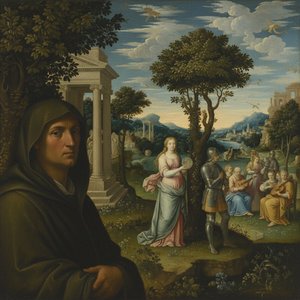
      The Pity

      1505. Oil On Canvas, 65.0 x 90.0 cm. Gallerie dell’Accademia.

      Fig. 1. ჯოვანი ბელინი, The Pity, 1505. Shown as the reproduction you are specifying: , .

      § 1Catalogue data

      § 2Abstract

      კოლექციონირებადი ნივთის აღწერა

      'Pieta' was created in 1505 by Giovanni Bellini in High Renaissance style. Find more prominent pieces of religious painting at Wikiart.org – best visual art ...

      მხატვრის ბიოგრაფია

      Ջოვანი ბელინი Վენিসের հայտնի նկարչություն է՝ որտեղ պաշտպանված են բացառիկ գույները և լուսային արձանագրությունը։ Այդ նկարչության հետազոտողների շարքում էին գործերով Մորգիոնե և ტიթյան։ Նրա կենսագրությունն ու ստեղծագործական ժառանգությունն անփոխադարձ են Վենետեցի արվեստագիտության համար։

      § 3Commentary

      A Symphony of Sorrow: The Soul of Bellini’s Masterpiece

      In the quiet, hallowed halls of the Gallerie dell'Accademia in Venice, there exists a window into the profound depths of human grief and divine compassion. Giovanni Bellini’s “The Pity,” completed in 1505, is not merely a painting; it is a visceral experience of spiritual reflection. As one of the undisputed titans of the High Renaissance, Bellini possessed an unparalleled ability to bridge the gap between the rigid traditions of Byzantine iconography and the burgeoning humanism of his era. In this work, we witness the pinnacle of Venetian mastery, where the heavy weight of mortality meets the ethereal lightness of grace. The scene captures a moment of devastating intimacy: Mary cradling the broken body of Jesus, a composition that resonates with an eternal, quiet ache that transcends the centuries.

      The emotional landscape of the painting is as vast as the Venetian sky depicted in its background. Bellini utilizes a masterful chiaroscuro, manipulating light and shadow to sculpt the figures with a lifelike tenderness. The way the soft light falls upon the serene, yet lifeless, features of Christ and the sorrowful countenance of Mary invites the viewer into a state of meditative empathy. For the collector or the lover of fine art, this piece offers more than visual beauty; it provides a profound emotional anchor, a focal point for contemplation that brings a sense of historical gravity and spiritual peace to any space.

      Technique and the Venetian Glow

      To understand the brilliance of “The Pity,” one must appreciate Bellini’s revolutionary use of oil paint. Unlike the tempera methods of his predecessors, the slow-drying nature of oil allowed Bellini to achieve subtle tonal gradations and a luminous, translucent quality that seems to radiate from within the canvas itself. This technique is particularly evident in the rich, deep blues of Mary’s robes and the delicate, fleshy tones of Christ’s skin. The artist’s ability to layer glazes creates a sense of depth and atmosphere, making the lush greenery and the distant, castle-topped hill feel as though they are breathing within the frame.

      The composition is a masterclass in balanced tension. While the central figures command our immediate attention through their emotional gravity, Bellini skillfully guides the eye toward the stylized Venetian landscape. This juxtaposition of the intimate, tragic foreground with the enduring, tranquil background serves to underscore the theme of eternal life amidst earthly suffering. For interior designers seeking to infuse a room with character and depth, a high-quality reproduction of this work offers a sophisticated interplay of color and light, capable of transforming a contemporary setting into a sanctuary of classical elegance.

      A Legacy of Devotion and Artistry

      The historical context of “The Pity” is deeply intertwined with the golden age of Venice. Born into a lineage of great painters, Giovanni Bellini refined the language of color that would define the Venetian school for generations. This painting, a devotional work likely intended for private contemplation, embodies the era's shift toward more humanized religious subjects. The tenderness of the maternal embrace reflects a growing interest in the human element of sacred narratives, making the divine feel accessible and profoundly relatable.

      Owning or displaying a reproduction of such a masterpiece is an invitation to participate in this storied tradition. It is a piece that speaks to the enduring power of compassion and the beauty found in vulnerability. Whether placed in a curated gallery, a scholarly study, or a refined living space, “The Pity” serves as a timeless testament to Bellini’s genius—a work that continues to capture the hearts of those who find beauty in the delicate balance of sorrow and light.

      კითხვები და პასუხები

      ჯოვანი ბელინი-ის „The Pity“ ნათელი თუ ბნელი ნამუშევარია?

      ზოგადად, „The Pity“-ის სინათლის დონე შეფასებულია როგორც deep_shadow. აღქმადი სიკაშკაშე აღწერს, თუ რამდენად ღია ან ბნელი ჩანს ნამუშევარი.

      რა პერიოდში შეიქმნა ჯოვანი ბელინი-ის „The Pity“?

      ჯოვანი ბელინი-ის „The Pity“ მიეკუთვნება Renaissance პერიოდს. ეს ეპოქა ნამუშევარს ისტორიულ კონტექსტს სძენს.

      რა პროპორციები აქვს ჯოვანი ბელინი-ის „The Pity“-ს და რა ზომის არის იგი?

      სურათის "The Pity" ფორმატი არის Landscape, ხოლო ორიგინალის ზომა შეადგენს 65 x 90 cm-ს. ორივე მათგანი სასარგებლოა რეპროდუქციის დაგეგმვისას.

      § 4The artist

      ჯოვანი ბელინი

      ჯოვანი ბელინი

      1433 - 1516, იტალია

      Quick facts about ჯოვანი ბელინი

      • Artistic Movement Or Style: เรเนซองส์ วินเชียสกูล
      • Artists Who Influenced This Artist:
        • ยาโคโป เบลินี
        • เจนทิล เบลินี
        • แอนดรา มันเทเนกา
      • Date Of Birth: ค.ศ. 1430
      • Date Of Death: ค.ศ. 1516
      • Full Name: Giovanni Bellini
      • Nationality: อิตาลี
      • Notable Artworks:
        • เซนต์ยอร์แกเมในทะเล
        • การเปลี่ยนรูปพระแม่มารีย์
        • การขึ้นครองราชย์ของพระนางมารีย์
      • Place Of Birth: เวนิส ประเทศอิตาลี

      მხატვრის ბიოგრაფია

      A Venetian Master: The Life and Legacy of Giovanni Bellini

      Giovanni Bellini, a name synonymous with the blossoming Renaissance in Venice, stands as a pivotal figure bridging the gap between the traditions of Byzantine art and the innovative spirit that would define the 16th century. Born around 1430 – though some sources suggest 1433 – into a family deeply entrenched in the artistic world, Bellini’s journey was one of continuous evolution, marked by a profound sensitivity to color, light, and the burgeoning humanism of his era. The precise nature of his familial relationships has been debated; for years Jacopo Bellini was considered his father, but art historian Daniel Wallace Maze claims Giovanni's true paternal lineage involved Gentile Bellini, establishing a complex family dynamic that shaped his formative years. Regardless of these intricacies, young Giovanni grew up immersed in a workshop brimming with creativity and technical expertise, absorbing the foundations of painting from an early age. His initial training likely involved the traditional tempera techniques favored at the time, but it was his innate talent for observation and emotional expression that would set him apart.

      Early Influences and Artistic Development

      The artistic landscape of 15th-century Venice was a unique blend of influences. The city’s position as a major trading hub exposed its artists to diverse styles and ideas, while the Byzantine heritage continued to exert a strong pull. Bellini's early works reflect this duality. Initially, his style bore the mark of his father and brother, Gentile, with compositions often characterized by meticulous detail and a somewhat restrained emotional palette. However, even in these early pieces, hints of his future brilliance began to emerge – a delicate handling of light, a growing interest in naturalistic settings, and an ability to imbue religious figures with a palpable sense of human pathos. The influence of Andrea Mantegna, his brother-in-law, is also readily apparent during this period, particularly in the clarity of line and sculptural forms. Bellini’s early commissions often involved collaborative projects, such as his contributions to the Scuola di San Marco alongside Gentile and other prominent Venetian artists. These large-scale works provided invaluable experience and allowed him to hone his skills while working alongside some of the most talented painters of the day.

      Revolutionizing Venetian Painting: Color, Light, and Oil

      Bellini’s true revolution lay in his embrace of oil paint. While not the inventor of the technique, he was among the first Venetian artists to fully exploit its potential. Unlike tempera, which dried quickly and demanded a precise, linear approach, oil paint allowed for greater blending, richer colors, and subtle gradations of tone. This newfound freedom enabled Bellini to create paintings with an unprecedented depth and luminosity. His use of color became increasingly sophisticated, moving away from the bright, often harsh hues of earlier Venetian painting towards a more nuanced and harmonious palette. He masterfully captured the effects of light and atmosphere, imbuing his landscapes with a sense of serenity and realism that was groundbreaking for its time. This mastery of oil paint not only transformed his own work but also laid the foundation for the distinctive style that would come to define the Venetian school – a style celebrated for its sensuousness, coloristic richness, and atmospheric perspective. He achieved this remarkable feat by painstakingly layering thin glazes of pigment over an underpainting—a technique that maximized visual impact and conveyed profound emotional resonance.

      Mature Works and Lasting Influence

      As Bellini matured, his artistic vision continued to evolve. His altarpieces, such as those created for the churches of San Zaccaria and Santa Corona, demonstrate his ability to create complex compositions filled with symbolic meaning and emotional resonance. The *Transfiguration*, now housed in the Capodimonte Museum in Naples, exemplifies his mature style – a serene spirit combined with ripened artistic powers. He also served as conservator of the paintings in Doge’s Palace, furthering solidifying his reputation as Venice's leading artist. His influence extended far beyond his own lifetime. He became a mentor to a generation of younger painters, including Giorgione and Titian, who would carry on his legacy and push the boundaries of Venetian art even further. These pupils absorbed Bellini’s techniques and aesthetic principles, adapting them to their own individual styles and contributing to the golden age of Venetian painting. Bellini's impact can be seen in the works of countless artists who followed, solidifying his place as a true master of the Renaissance. He died in Venice in 1516, leaving behind a body of work that continues to inspire awe and admiration centuries later.

      A Legacy Enduring Through Time

      Giovanni Bellini’s significance extends beyond his technical innovations and artistic achievements. He captured the spirit of a changing world – a world grappling with new ideas about humanity, spirituality, and the relationship between art and nature. His paintings are not merely representations of religious scenes; they are profound meditations on faith, beauty, and the human condition. His ability to imbue his figures with dignity and grace, combined with his masterful use of color and light, created a visual language that resonated deeply with his contemporaries and continues to captivate audiences today. Bellini’s legacy is not simply one of artistic brilliance; it is a testament to the power of art to transcend time and connect us to the enduring values of human experience. From the serene beauty of his Madonnas to the dramatic intensity of his religious scenes, Bellini's work remains a cornerstone of Western art history.

      § 5Comparanda

      § 6Questions

      მოკლე ფაქტები

      • Influences:
        • Giorgione
        • Tintoretto
      • Medium: Oil on canvas
      • Artistic style: Venetian School
      • Location: Gallerie dell'Accademia, Venice
      • Movement: High Renaissance
      • Subject or theme: Religious devotion

      § 7Cite this entry

      AllPaintingsStore.com, “ჯოვანი ბელინი, The Pity (1505)”, https://allpaintingsstore.com/ka/art/giovanni-bellini-the-pity-8YDMCL-en/ArtistReproduction/ (accessed 1 ოქტომბერი 2026).

      § 8The reproduction

      ხელით შესრულებული ზეთის საღებავით რეპროდუქცია

      ტილოზე შესრულებული ფერწერიანი ზეთប្រდათი, თქვენთვის სასურველი ზომისა და ჩარჩოსთვის, ჩვენი ხელოვანების მიერ შეკვეთის საფუძველზე დამზადებული. ( გადართვა ბეჭდვის რეჟიმზე გადასვლა ციფრულ გამოსახულებაზე)

      It is specified on the order sheet in the margin; the present state of that sheet reads as follows.

      The Pity

      რეპროდუქციის ტექნიკა

      რეპროდუქციის ზომა

      -

      დასახელებული ხელოვანთა შერჩეული კოლექცია

      უფრო მეტი დეტალიზაცია, დახვეწილობა და დამატებითი დამუშავების დრო

      -

      რეკლამაციის ჩარჩო

      -

      -

      ნებისმიერი მხარისთვის 105 სმ-ზე (დაახლოებით 41 ინჩი) მეტი ზომის ხელოვნებული ნამუშევრების ან რეპროდუქციებისთვის, ჩარჩო მოგზავნდება დაშლილ კომპლექტში. ეს მეთოდი უზრუნველყოფს უსაფრთხო მიწოდებას და თავიდან აგაცილებთ ტრანსპორტირებისას შესაძლო დაზიანებას.

      საჭიროა პროფესიონალური აწყობა - ეს არ არის თვითმომსახურების (DIY) პროდუქტი.
      კომპლექტის აწყობა და ტილოს დაჭიმვა უნდა განახორციელოს გამოცდილმა პროფესიონალმა ჩარჩოს დამამზადებელმა, ხის წებოს (არ შედის კომპლექტში), ტილოს დაჭიმვის ბერჭებისა და საკრამების გამოყენებით, რათა წებოს გასაშრობად ღერძები სწორად და სტაბილურად დაფიქსირდეს. არასწორი აწყობა ან ტილოს არათანაბარი დაჭიმვა შეიძლება გამოიწვიოს ნამუშევრის სამუდამო დაზიანება, რაც არ იფარება ჩვენი გარანტიით.

      • კომპლექტში შედის მყარი ხის ყველა ღერძი, ზუსტად გაზომილი და საჭირო ზომაზე დაჭრილი.

      • აწყობისთვის გამოიყენება მოთავსებული ხრახნები; ასევე დაგჭირდებათ ხის წებო კუთხეების დასაკავშირებლად, რომელიც კომპლექტში არ შედის და თქვენმა ჩარჩოს დამამზადებელმა უნდა შეიძინოს დამოუკიდებლად.

      • საჭიროა პროფესიონალური ხელსაწყოები, რომლებიც არ შედის კომპლექტში: ტილოს დაჭიმვის ბრჭყალები (დამჭერი) და სამჭედლები, რათა წებოს გასაშრობ პროცესში რამკოს კუთხეები სწორად ფიქსირდეს.

      მნიშვნელოვანია:
      კუთხეების დასაკავშირებლად საჭიროა ხის წებო; სანამ წებო სრულად გაშრება, ღერძები დაფიქსირებული უნდა იყოს საკავშირეებით, ხოლო აწყობილ ჩარჩოზე ტილოს დასჭიმად საჭიროა ტილოს დასჭიმელი ბრჭჭვალი. არცერთი ეს ნივთი არ შედის კომპლექტში. გთხოვთ, ამ ზომის შეკვეთამდე წინასწარ დაგეგმოთ გამოცდილი პროფესიონალი ჩარჩოს დამზადებელი.

      სახელოვანი ფირფიტა

      -

      -

      დამცავი ლაქი

      ბზინვარე ლაქი (აფერსკვიატებს ფერებს და იცავს სინათლისა და ტენისგან)

      -

      ჩემი ნამუშევრის პერსონალიზაცია

      რა შეიძლება შეიცვალოს (მაგალითები): სახის შეცვლა მომხმარებლის ფოტოთი; შინაური ცხოველის დამატება (მაგალითად, კატის დგებით შეცვლა); ფონზე ფარული შეტყობინების დამატება; ფონის ლანდშაფტის ან ელემენტების შეცვლა.

      -

      სასწრაფო მიწოდება

      მიწოდება მსოფლიო მასშტაბით () 3-4 კვირაში, სტანდარტული 5 კვირის ნაცვლად. (30 ოქტომბერი). ხარისხზე კომპრომისის გაკეთება არ მოხდება.

      -

      ექსპრეს-მიწოდება

      მიწოდება მსოფლიოს მასშტაბით (), 5 კვირაში. (6 ნოემბერი).

      მოყვება

      ჯამური ღირებულება

      ₾ 671

      Included with every order

      • უფასო ექსპრეს მიწოდება მთელ მსოფლიოში
      • მაღალი ხარისხის ტილო
      • ტრანსპორტირების სრული დაზღვევა
      • საბაჟო გადასახადების დაბრუნების გარანტია
      • ფერების სრული შესაბამისობის გარანტია
      • დაბრუნების 100-დღიანი პერიოდი (მხოლოდ წარმოების დეფექტის შემთხვევაში)
      • 100% თანხის სრული დაბრუნების გარანტია
      • ფასდაკლება დიდი რაოდენობით შეკვეთისას
      აღმოაჩინეთ ხელოვნების ნაწარმოებები თემების, სტილისა და მახასიათებლების მიხედვით დაჯგუფებული.
      Order sheet