


 ნახვა ინტერьерში
 გაგზავნა
 გაზიარება
 დეტალები
 გზამკვლევი

 ჩამოტვირთვა
 მსგავსები
 რენტგენოგრაფიული კვლევა
 სლაიდშოუ
 სტატისტიკა
Adele Bloch-Bauer


 სრული ტექსტის ნახვა
გიკლე / ხელოვნების პრინტი
მუზეუმის დონის ჟიკლე ან ტილოზე ბეჭდვა სწრაფი წარმოებისა და დასრულების მოქნილი ვარიანტებით. ( შეიძინეთ ხელით შესრულებული ნახატი გადასვლა ციფრულ გამოსახულებაზე)




P118B ₾10

P118H ₾10

P118W ₾10

P438Z ₾10

P508JH ₾12

P508YH ₾12

P805H ₾10

P805Z ₾10

P919BZ ₾10

P919G ₾10

P919XJ ₾10

P959ZH ₾10

P968JZ ₾12

W106C ₾8

W218G ₾10

W218JH ₾8

W218Y ₾10

W307PJ ₾10

W316G ₾10

W316PJ ₾8

W316Y ₾10

W398PJ ₾8

W4111J ₾10

W500HY ₾15

W500JH ₾15

W692G ₾12

W849H ₾8

W940BG ₾15

W953PJ ₾8




აირჩიეთ ჩვენს მიერ წინასწარ განსაზღვრული ზომებიდან, რომლებიც ნაწარმოების ორიგინალურ პროპორციებს შეესაბამება.

შეიყვანეთ თქვენთვის საჭირო სიგანე და სიმაღლე, რათა იგი მოერგოს თქვენს ჩარჩოს ან კედელს. ბეჭდვისას შესაძლებელია მხოლოდ მისი შემცირება და არა გაზრდა, ამიტომ სხვა ფორმის ზომის შემთხვევაში გამოსახულება ნაწილობრივ იკარგება. სანამ რაიმეს დაბეჭდავთ, ჩვენ გამოგიგზავნით ციფრულ მაკეტს დასდასტურებლად. ამ გვერდზე ნაჩვენები სურათი არ ასახავს რეალურ ჭრას — ამას მხოლოდ მაკეტი გვიჩვენებს.
მიწოდება მთელ მსოფლიოში () 2 კვირაში, სტანდარტული 4/5 კვირის ნაცვლად. (26 ოქტომბერი)

უფასო ექსპრეს მიწოდება მთელ მსოფლიოში

მაღალი ხარისხის ტილო

ტრანსპორტირების სრული დაზღვევა

საბაჟო გადასახადების დაბრუნების გარანტია

ფერების სრული შესაბამისობის გარანტია

დაბრუნების 100-დღიანი პერიოდი (მხოლოდ წარმოების დეფექტის შემთხვევაში)

100% თანხის სრული დაბრუნების გარანტია

ფასდაკლება დიდი რაოდენობით შეკვეთისას
 მინის ჩარჩოს არჩევანი ხელმისაწვდომია მხოლოდ 110 სმ-მდე ზომისთვის

Adele Bloch-Bauer
გიკლე / ხელოვნების პრინტი
რეპროდუქციის ზომა
-


ჯამური ღირებულება
₾ 167
The Enigmatic Gaze of Adele Bloch-Bauer
Gustav Klimt’s “Portrait of Adele Bloch-Bauer I,” a seminal work from the early 20th century, transcends mere portraiture to become an embodiment of Viennese Secession and a profound exploration of female identity. Completed between 1903 and 1907, this arresting image captures not just a likeness but a carefully constructed persona—a woman poised on the cusp of modernity, radiating both quiet strength and subtle vulnerability. The painting’s monochrome palette, dominated by shades of gray, immediately establishes an atmosphere of contemplative seriousness, inviting viewers to linger in its stark beauty. It's a deliberate departure from the vibrant hues that would later characterize Klimt’s “Golden Phase,” offering instead a glimpse into the artist’s early experimentation with form and texture.
The genesis of this portrait lies within the opulent world of Vienna’s burgeoning Jewish bourgeoisie, a class rapidly accumulating wealth through industrial enterprises. Adele Bloch-Bauer, the subject, was the wife of Ferdinand Bloch-Bauer, a prominent sugar magnate who became a significant patron of the arts. Klimt, deeply influenced by the artistic currents swirling around him—including Japanese prints and the emerging Art Nouveau movement—was commissioned to immortalize her within this context. The painting isn’t simply a depiction of a wealthy woman; it's an astute observation of her social standing, her role as hostess, and perhaps even a subtle commentary on the constraints placed upon women in that era.
A Dance of Lines and Light
Klimt’s technique is immediately striking. He eschews meticulous detail in favor of expressive lines—loose, dynamic strokes that define the figure's form with remarkable sensitivity. Hatching and cross-hatching are employed not to create a realistic illusion of light and shadow but rather to suggest volume and texture through variations in tone. The artist’s hand is visible in every mark, lending the work an intimate quality, as if we are witnessing the very act of creation. The composition itself is remarkably simple: Adele stands centrally within the frame, her arms gracefully crossed—a pose that conveys both composure and a hint of reserve. This deliberate restraint mirrors the overall mood of the painting, fostering a sense of quiet introspection.
Notably, Klimt utilizes a technique reminiscent of a preparatory sketch, a characteristic that adds to the work’s immediacy and emotional resonance. The lack of polished finish suggests an ongoing process, as if Adele were merely paused in a moment of contemplation. This deliberate choice invites viewers to connect with the subject on a deeper level, recognizing her as a living, breathing individual rather than a static representation.
Symbolism Woven into Form
Beyond its formal qualities, “Portrait of Adele Bloch-Bauer I” is rich in symbolic meaning. The most prominent element—the gold leaf adorning Adele’s dress and the background—references Klimt's later "Golden Phase," but here it serves a more nuanced purpose. Gold, historically associated with divinity and wealth, subtly elevates Adele’s status while simultaneously hinting at the ephemeral nature of beauty and material possessions. The geometric patterns that frame her figure are reminiscent of Byzantine mosaics, further emphasizing her position as a woman of refined taste and cultural awareness.
The crossed arms, a recurring motif in Klimt's work, can be interpreted as a symbol of strength, self-possession, or perhaps even a subtle resistance to societal expectations. Adele’s gaze is direct yet enigmatic—it invites the viewer into her world while simultaneously maintaining an air of mystery. The overall effect is one of captivating complexity, inviting repeated contemplation and interpretation.
A Legacy of Beauty and Loss
“Portrait of Adele Bloch-Bauer I” holds a particularly poignant significance in art history due to its subsequent fate. Following the Nazi annexation of Austria, the painting—along with other works by Klimt and her husband—was stolen and ultimately ended up in the Belvedere Museum in Vienna. The story of this artwork is inextricably linked to the broader narrative of cultural restitution and the enduring impact of the Holocaust. The eventual return of the portrait to the Bloch-Bauer family, culminating in its acquisition by Maria Altmann, Adele’s niece, represents a powerful symbol of justice and remembrance. Today, it stands as a testament to Klimt's artistic genius and a poignant reminder of the complexities of art, history, and human experience.
AllPaintingsStore offers meticulously crafted hand-painted reproductions of this iconic masterpiece, allowing you to bring its timeless beauty into your own space. Each reproduction is created with the same attention to detail and reverence for the original, capturing the essence of Klimt’s vision while providing a stunning addition to any collection.
კითხვები და პასუხები
შესაძლებელია თუ არა გუსტავ კლიმტი-ის „Adele Bloch-Bauer“-ის ნახვა სხვადასხვა განათების პირობებში?
გუსტავ კლიმტი-ის „Adele Bloch-Bauer“-ის რენტგენოგრაფია გვერდი წარმოადგენს ინტერაქტიულ გამსინჯებელს, რომელიც საშუალებას გაძლევთ გადაიკვლიოთ ნამუშევრის თერთმეტი ოპტიკური ფენა, მათ შორის რენტგენოსებრი ხედიც.
რა ფერთა ჰარმონიას ასطრეკებს გუსტავ კლიმტი-ის „Adele Bloch-Bauer“?
„Adele Bloch-Bauer“-ის ფერების ჰარმონია აღწერილია როგორც Unified Palette.
რა ემოციური ტონალობა აქვს გუსტავ კლიმტი-ის „Adele Bloch-Bauer“-ს?
"Adele Bloch-Bauer" დაკავშირებულია Reflective განწყობასთან. ემოციური ტონი აღწერს იმ შთაბეჭდილებას, რომელსაც ეს ნამუშევარი ტოვებს.
მსგავსი ნამუშევრები


მხატვრის ბიოგრაფია
გუსტავ კლიმტის ადრეული წლები და მხატვრული აღმოცენება
გუსტავ კლიმტი დაიბადა 1862 წლის 14 ივლისს, ბაუმგარტენში, ვენის yakınında. ის წარმოშობილი იყო ოჯახიდან, რომელსაც ხელოვნებისადმი ნათესავი ჰქონდა, თუმცა ფინანსური უჭირდა. მისი მამა, ერნსტ კლიმტი, ოქროს გრავერი იყო, პროფესია, რომელმაც სუბტილურად, მაგრამ ღრმად აღმოაჩინა ახალგაზრდა გუსტავის ესთეტიკური გრძნობები – ოქროს ფოთლის მომხიბვლელობა, ზუსტი დეტალიზაცია და უხილავი მდიდრობა. ოჯახის ბრძანებები ხშირად იცვლებოდა ვენაში, რაც, შესაძლოა, კლიმტს გარემომცველების მიმართ მწვერვალო დაკვირვებასა და ადამიანური გამოცდილებისადმი მგრძნობელობას უწყობდა ხელს. ბავშობაშივე მისი ნახატების უნარი გამორჩეული იყო, რაც კაცობრივ პროფესიასთან და თანდამთქმელ ნიჭთან ერთად ყვანთოდა. 1876 წელს ის ჩაირიცხა ვენის ხელოვნების სკოლაში (Kunstgewerbeschule), სადაც დაიწყო ფორმალური სწავლება არქიტექტურული მხატვრობის დარგში ფერდინანდ ლაუფბერგერის ხელ കീഴით. ეს უზრუნველყოფილი იყო მასზედაფუძნებული ტექნიკური საფუძველი, მაგრამ ასევე გამოაშკარავებდა მოქმედი აკადემიური სტილებს – სტილებს, რომლებსაც კლიმტი საბოლოო ჯამში გამორიგებდა და გადააჭარბებდა. სწორედ აქ მან მნიშვნელოვანი მხატვრული პარტნიორობი გაყარა თავის ძმასთან, ერნსტთან და ფრანც ვონ მასޗთან, თანამშრომლობა, რომელმაც უზრუნველყო ადრეული კომისიები დეკორატიული მრავალფეროვნებისა და ჭერებისათვის, რაც საფუძველი გახდა მისი მომავლის წარმატებისთვის.ვენის სეცესიონის აღზევება
1890-იანი წლებისთვის კლიმტი უფრო და უფრო იმედგაცრუებული იყო ვენაში არსებულ კონსერვატულ მხატვრულ დამყარებაში. ის ოცნებობდა მეტ თავისუფლობაზე, სივრცეში, სადაც ინოვაცია ყვანთოდა ტრადიციის შეზღუდვის გარეშე. ეს სურვილი კულიმინაციამდე მივიდა 1897 წელს ვენის სეცესიონის ჩამოყალიბებით, ავსტრიის ხელოვნების ისტორიაში გადამწყვეტი მომენტი. კლიმტი აირჩევით მისი პირველი პრეზიდენტი, გახდა მოძრაობის სიმბოლო, რომელიც ეძებოდა მკაცრი აკადემიური ნორმებიდან გასვლებასა და ახალი მხატვრული ტენდენციების მიღებას ევროპაში – Art Nouveau, სიმბოლიზმი და იაპონიზმი. სეცესიონის საკუთარი გამოფენის შენობა, ਜੋసెფ მარია ოლბრიხის დიზაინით, გახდა ამ తిరుగుబాటు-ს სიმბოლო, თანამედროვე ხელოვნებისადმი ნაკურთველი ტაძმა. კლიმტის ნაშრომები იყო სეცესიონის არსის ცენტრში, რომელიც ასახავდა კონვენციური ესთეტიკის უარყოფასა და დეკორატიული ელემენტების მიღებას, ბრilliant ფერებსა და სიმბოლურ გამოსახულებებს. მისი ნახატები დაიწყეს თემების შესწავლა სიყვარულის, სიკვდილისა და სქესურობის შესახებ беспрецедентным frankness-ით, რაც გამოწვევდა საზოგადოებრივ ნორმებს და აღძრავდა როგორც восхищение, ასევე ఆగ్రహი.ოქროს ფაზა და მხატვრული სიმწიფე
1900 წლისთვის კლიმტი შევიდა იმას, რაც დღეს მისი „ოქროს ფაზად“ არის ცნობილი, პერიოდი, რომელსაც ხასიათდებოდა ოქროს ფოთლის пышное გამოყენებით, რომელიც შთაგანილი იყო ბიზანტიური მोज़აიკებისა და შუა საუკუნეების иллюминированных ხელნაწერებისგან. ამ ტექნიკამ მის ნახატებს გადააქცია shimmering, სხვა სამყაროს ხედვებად, რომლებიც სულიერი სიღრმისგრძნობიანი და чувственного привлекательности გრძნობით იყო აღმოსაჩერებილი. *The Kiss* (1907-1908), შესაძლოა მისი ყველაზე ცნობილი ნამუშევარი, ამ სტილის მაგალითია – წყვილი ჩასული კოცნაში, ოქროს აურის გარემორგებაში, მათი ორგანოები украшены ინტრიკატური 패턴ებით. ეს პერიოდი ასევე ხასიათდება შესანიშნავი портретов-ის წარმოქმნით, მათ შორის *Portrait of Adele Bloch-Bauer I* (1907), რომელიც გამოავლენდა მის უნარს არა მხოლოდ ფიზიკური მსგავსების აღწევას, არამედ მისი საგნების ფსიქოლოგიური სიძრწოლის აღქმას. ის თანაბრალეულად აბლურებდა ხაზს მხატვრობასა და დამზდობელ ელემენტებს შორის, შექმნიდა ფორმისა და შინაარსის ჰარმონიულ ფუზიას. იაპონური ხელოვნების გავლენა – იაპონიზმი – განსაკუთრებით ნათლად ჩანს მისი שטორირებული პერსპექტივაში, ხაზებზე და აქცენტზე დეკორატიული 패턴ებში.争议, 영향력 및 지속적인 유산
კლიმტის კარიერა არ იყო თავისუფალი კონფლიქტებისგან. 1900 წელს მას მიიღო პრესტიჟული კომისიონი ვენის უნივერსიტეტის დიდი დარბაზისთვის ჭერების მხატვრობა, რომელიც წარმოადგენდა ფილოსოფიას, სამართალსა და თეოლოგიას. თუმცა, ეს ნამუშევრები – განსაკუთრებით *Philosophy* – აღიქმებოდა провокационным და حتی порнографическим კონსერვატულ კრიტიკოსების მიერ, რაც გამოიწვია საზოგადოებრივი უკმაყოფილება და საბოლოოდ კლიმტი უარი განაცხადა უფრო მეტ სახელმწიფო კომისიებზე. ეს ინციდენტი აღნიშნა გარდამავალი წერტილი მის კარიერაში, რომელიც მას უფრო προσωπული მხარდაჭერისკენ მიიწრასა და მისცა მეტი მხატვრული თავისუფლება. მთელი ცხოვრების განმავლობაში კლიმტი受到了 სხვადასხვა მხატვრებისა და სტილებისგან – ჰანს 막არტის ისტორიული ნახატებიდან ბიზანტიური ხელოვნებისა და იაპონიის వరకు. მან ასევე შთაგანილი იყო სიმბოლისტური მოძრაობიდან, თემების შესწავლა მითოლოგიის, ალეგორიისა და ქვეცნობიერსთან. გუსტავ კლიმტი გარდაიცვალა 1918 წლის 6 თებერვალს ინფარქტის შედეგად ესპანურ გრიპის პანდემიის დროს. მისი შემდგომი ნამუშევრები შესწავლის მიზნით უფრო აბსტრაქტული ფორმებსა და ლანდშაფტებს აღმოაჩენდა, რაც მხატვრულ ევოლუციის მუდმივ გადმოსახელებას წარმოადგენს. ის ახლა აღიარებულია ავსტრიის ხელოვნების ისტორიაში ერთ-ერთი ყველაზე მნიშვნელოვანი ფიგურად, ვენის სეცესიონის წამყვანი წარმომადგენლად და Art Nouveau ელეგანტის მუდ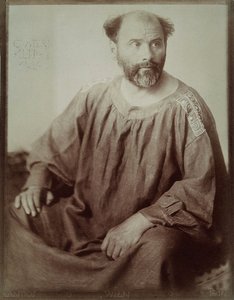
გუსტავ კლიმტი
1862 - 1918 , ავსტრია
მოკლე ფაქტები
- Artistic Movement Or Style: სიმბოლიზმი, არტ ნუვო
- Artists Or Movements Influenced By This Artist:
- ეგონ 쉬ელე
- ექსპრესიონიზმი
- სურრეალიზმი
- Artists Who Influenced This Artist:
- ჰანს მაკარტი
- იაპონური ხელოვნება
- Date Of Birth: 1862 წლის 14 ივლისი
- Date Of Death: 1918 წლის 6 თებერვალი
- Full Name: გუსტავ კლიმტი
- Nationality: ავსტრიელი
- Notable Artworks:
- The Kiss (ებრძანება)
- Adele Bloch-Bauer I
- Water Snakes (წყლის გველები)
- Place Of Birth: ბაუმგარტენი, ავსტრია
მსგავსი სტატიები

Gold Leaf & Gilding: The Master Craft of Byzantine and Renaissance Art
Explore the sacred art of gold leaf and gilding in Byzantine and Renaissance masterpieces. Discover the techniques of goldbeating, the symbolism of divine light, and how these luminous textures continue to inspire museum-quality hand-painted reproductions today.

Art Nouveau Guide: Integrating Elegant Curves and Organic Design into Luxury Hotel Interiors
Master Art Nouveau integration for luxury hotel interiors. Discover expert strategies for utilizing organic curves, whiplash lines, and botanical motifs to create sophisticated, high-end hospitality spaces with scalable, professional art procurement solutions.

The Vienna Secession: A Masterclass in the Bold Revolution of Modern Austrian Art
Elevate hospitality interiors with the bold elegance of the Vienna Secession. We specialize in premium, hand-painted Gustav Klimt reproductions and large-scale murals for hotel designers. Reliable bulk procurement, custom sizing, and global delivery for professional art sourcing.


