თანხის დაბრუნების გარანტია · 100 დღე უფასო მიწოდება მთელ მსოფლიოში
449 564ნამუშევრები 30 613მხატვრები 4 660მუზეუმები 32ენები
კატალოგის ჩანაწერი

Prometheus

Oil On Canvas.

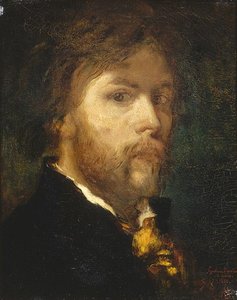
სურ. 1. გუსტავ მორეუ, Prometheus. მოცემულია თქვენ მიერ არჩეული რეპროდუქცია: , .

§ 1კატალოგის ინფორმაცია

§ 2აბსტრაქტული

კოლექციონირებადი ნივთის აღწერა

Explore Gustave Moreau's dramatic 'Prometheus,' a Symbolist masterpiece depicting the Titan's rebellious gift of fire & enduring sacrifice. A powerful statement on knowledge and freedom.

მხატვრის ბიოგრაფია

გუსტავ მორეუ არის ფრანგი მხატვარი და მნიშვნელოვანი ფიგურა სიმ볼ისტულ მცენებაობაში. მისი ნაწილი მღვადამშვიდ პერიოდში იყო და არ შეეძლო სხედამშვიდ მცენებაობაში მიღება და არ შეეძლო სხედამშვიდ მცენებაობაში მიღება და არ შეეძლო სხედამშვიდ მცენებაობაში მიღება და არ შეეძლო სხედამშვიდ მცენებაობაში მიღება და არ შეეძლო სხედამშვიდ მცენებაობაში მიღება და არ შეეძლო სხედამშვიდ მცენებაობაში მიღება და არ შეეძლო სხედ

§ 3კომენტარი

A Titan’s Defiance: Unveiling Gustave Moreau's "Prométhée"

Gustave Moreau’s “Prométhée” (Prometheus) is not merely a painting; it’s an immersion into the heart of Romantic rebellion and Symbolist introspection. The canvas pulsates with the weight of myth, depicting the chained Titan in a moment of profound sacrifice. Moreau doesn't present us with a triumphant hero, but rather a figure burdened by his act of defiance – a solitary beacon against a desolate landscape, extending the fragile flame of knowledge towards a shadowy humanity. This work, completed in 1868, stands as a cornerstone of Symbolist art, rejecting the literalism of Realism and instead delving into the realm of subjective emotion and philosophical inquiry.

The Language of Suffering and Light

Moreau’s technique is immediately striking. Visible brushstrokes define Prometheus' muscular form and the jagged rocks that imprison him, while softer lines evoke swirling clouds and distant mountains, creating a sense of vastness and isolation. The palette is dominated by muted browns, blues, and grays – colors that amplify the somber mood and emphasize the painting’s melancholic core. He masterfully uses light to draw our attention; a single source illuminates Prometheus' face and torso, casting dramatic shadows that heighten the sense of suffering and struggle. This isn’t about precise realism; it’s about capturing an atmosphere – a feeling of monumental scale and timelessness achieved through a flattened perspective. The texture itself feels rough and uneven, mirroring the harshness of Prometheus’ fate.

Decoding the Symbols: A Gift and Its Cost

The symbolism woven into “Prométhée” is rich and layered. Prometheus himself embodies resilience, sacrifice, and the enduring human spirit in the face of oppression. The flame he offers isn't simply fire; it represents knowledge, enlightenment, progress – but also carries within it the potential for destruction. The chains are a potent symbol of constraints imposed by authority, both divine and societal, while the mortal figure below represents humanity receiving this gift, with all its attendant joys and sorrows. A recurring motif in Moreau’s work, the bird appears here as well, often suggesting freedom, spirituality, or a connection to the divine realm – a poignant counterpoint to Prometheus' earthly imprisonment. The painting invites us to contemplate fundamental questions about our place in the universe and the price of liberation.

Moreau and His Legacy: A Bridge Between Worlds

Gustave Moreau (1826-1898) was a pivotal figure in the Symbolist movement, rejecting the prevailing artistic trends of his time to explore subjective emotions and mythological themes. Heavily influenced by literary giants like Shakespeare and Byron, he transformed familiar myths into deeply personal statements. “Prométhée” exemplifies this approach, demonstrating Moreau’s fascination with classical narratives and his ability to imbue them with a uniquely emotional charge. His work profoundly impacted later artists such as Henri Matisse and Georges Rouault, paving the way for modern art's exploration of inner worlds and symbolic language. Today, the Musée Gustave Moreau in Paris stands as a testament to his enduring legacy, preserving his studio and an extensive collection of his works. “Prométhée” is more than just a historical artwork; it’s a timeless meditation on the human condition, capable of resonating with audiences for generations to come.

An Evocative Presence in Your Space

“Prométhée” evokes a sense of awe, melancholy, and profound contemplation. Its dramatic composition and muted color palette make it a striking focal point for a study, library, or living room. The artwork pairs beautifully with dark wood furnishings, antique accents, and textured fabrics to enhance its Romantic atmosphere. A high-quality reproduction would add a touch of intellectual sophistication and artistic depth to any interior space – a constant reminder of the power of knowledge, the burden of freedom, and the enduring spirit of rebellion.

კითხვები და პასუხები

სად შემიძლია ვიპოვო სტატისტიკა გუსტავ მორეუ-ის „Prometheus“-ის შესახებ?

სტატისტიკა გუსტავ მორეუ-ის „Prometheus“-ის შესახებ მოცემულია ნამუშევრის სტატისტიკა გვერდზე: ნამუშევრის ყოველთვიური ნახვები, ხელოვანის სხვა ნამუშევრების ნახვები, ასევე ბოლო პერიოდის ვიზიტორთა განაწილება ქვეყნებისა და ენების მიხედვით.

შესაძლებელია თუ არა „Prometheus“-ის გადმოწერა?

„Prometheus“-ის გადმოწერას შესაძლებელი ხდის ნამუშევრის ჩამოტვირთვა გვერდი, რომელიც გთავაზობთ მაღალი გარჩევადობის ციფრული გამოსახულების ჩამოტვირთვა.

რა ატმოსფეროს ქმნის გუსტავ მორეუ-ის „Prometheus“ ინტერიერში?

გუსტავ მორეუ-ის „Prometheus“-ის Dramatic ატმოსფერო იდეალურად ერგება მის რეკომენდებულ სივრცეს: Living Room.
§ 4ავტორი

გუსტავ მორეუ

გუსტავ მორეუ

1826 - 1898, საფრანგეთი

მოკლე ფაქტები გუსტავ მორეუ შესახებ

  • Artistic Movement Or Style: სიმბოლიზმი
  • Artists Who Influenced This Artist:
    • ხუგო დელაკსოჲ
    • მიქელანჯელო ბრანჩელი
    • ლევონარדו დ ვინჩი
  • Date Of Birth: 6 აპრილს 1826 წელი
  • Date Of Death: 18 აპრილს 1898 წელი
  • Full Name: Gustave Moreau
  • Nationality: ფრანგილია
  • Notable Artworks:
    • სალომე ჰეროდის წინ მოდის და ტრიალინება
    • იოზეფ და სემელე
    • მორფეისი
    • პარიზი და დესდემონა
  • Place Of Birth: პარისი საფრანგეთი

მხატვრის ბიოგრაფია

Gustave Moreau (1826 - 1898): A Dream Weaver of Symbolism

Gustave Moreau, a name synonymous with the ethereal beauty and enigmatic depths of Symbolist painting, emerged from 19th-century Paris as a singular artistic voice. Born in 1826 into a bourgeois family—his father an architect and archivist—Moreau’s early life was steeped in intellectual curiosity and aesthetic sensibility. From a young age, he displayed a remarkable gift for drawing, nurtured through traditional academic training at the École des Beaux-Arts under figures like François-Édouard Picot. However, Moreau's artistic path would diverge sharply from the prevailing Realist and Impressionist currents of his time. He wasn’t interested in capturing fleeting moments or objective reality; instead, he sought to unlock the hidden realms of myth, religion, and the human psyche through a deeply personal and symbolic visual language. His journey was one of inward exploration, translating subjective emotions and spiritual yearnings onto canvas with an obsessive attention to detail and a vibrant, often opulent palette.

Early Influences and Artistic Training

Moreau’s artistic development wasn't born in a vacuum. While rejecting the dominant trends of his era, he drew inspiration from diverse sources. The dramatic use of color and exotic subject matter found in the works of Eugène Delacroix ignited a passion for narrative painting imbued with emotional intensity—a fascination that would define much of his oeuvre. He particularly admired Michelangelo’s monumental sculptures and Leonardo da Vinci's masterful anatomical drawings, recognizing their profound impact on artistic technique and psychological insight. Yet, Moreau wasn’t merely imitating these masters; he was synthesizing their influences into something entirely new. His formative years at Collège Rollin instilled in him a rigorous intellectual discipline—a cornerstone of his artistic approach—and subsequent training at the École des Beaux-Arts solidified his mastery of classical painting principles. Notably, he befriended Theodore Chassériau, who shared his admiration for Delacroix and served as a crucial mentor during Moreau’s early career. This relationship fostered a collaborative spirit that would propel both artists toward groundbreaking innovations in artistic expression.

The Italian Journey: Rediscovering Antiquity

A pivotal moment in Moreau’s artistic evolution arrived with his travels to Italy between 1857 and 1859—a pilgrimage he undertook with unwavering determination. Driven by a desire to reinvigorate the history painting tradition, Moreau immersed himself in the art of antiquity and the Renaissance, meticulously copying Old Master paintings as a means of absorbing their stylistic nuances and mastering their techniques. He visited Rome extensively, studying the frescoes of Michelangelo and Raphael—artists whose monumental achievements profoundly influenced his artistic vision. The grandeur of Roman ruins served as constant reminder of the enduring power of classical ideals—a fascination that would permeate his subsequent works. This immersive experience fundamentally reshaped Moreau’s aesthetic sensibilities, equipping him with a wealth of visual references and inspiring him to forge an entirely original artistic style.

Symbolist Vision: Myth, Religion, and Psychological Depth

Moreau's artistic breakthrough occurred in 1864 with *Oedipus and the Sphinx*, a painting that signaled the commencement of his mature period and established his reputation as a pioneer of Symbolism—a movement he championed alongside Theodore Chassériau. Departing decisively from Realist conventions, Moreau embraced a radically subjective approach to artistic creation—one rooted in the conviction that art should transcend mere representation and engage directly with the human psyche. He eschewed objective observation in favor of imaginative exploration—translating inner emotions and spiritual yearnings into visual symbols—often employing opulent color palettes and intricate textural details to evoke an atmosphere of otherworldly beauty. His canvases depict scenes from mythic narratives—such as Oedipus confronting the Sphinx—and biblical tales—like Samson and Delilah—not as literal recreations of historical events, but as vehicles for conveying profound psychological truths. Moreau’s technique was characterized by painstaking layering of paint—creating surfaces that shimmer with iridescent hues—and a meticulous attention to anatomical accuracy—reflecting his admiration for Leonardo da Vinci's anatomical studies.

Legacy and Influence: Shaping the Future of Art

Though initially met with skepticism from mainstream artistic circles, Moreau achieved considerable acclaim during the Symbolist movement of the 1890s—solidifying his position as one of the foremost painters of his time. Unlike many contemporaries who pursued fame and fortune, Moreau remained largely secluded from public life—preferring to devote himself entirely to artistic pursuits within the confines of his studio—where he nurtured a singular vision of art’s role in human experience. Despite facing considerable challenges during his lifetime—including financial difficulties and critical disapproval—Moreau exerted an indelible influence on subsequent generations of artists—inspiring them to embrace imagination, symbolism, and individual expression. His unwavering commitment to artistic integrity—coupled with his pioneering exploration of psychological depth—continues to resonate with audiences today—affirming Moreau’s enduring legacy as a visionary artist who fundamentally reshaped the landscape of modern art. He established the Musée Gustave Moreau in Paris—a testament to his life's work—where visitors can contemplate the captivating beauty and enigmatic complexity of his paintings—forever preserving his artistic vision for posterity.

§ 5დამსგავსი ნამუშევრები

§ 6კითხვები

ძირითადი ინფორმაცია

  • Movement: Symbolism, Romanticism
  • Notable elements or techniques: Muted palette, brushstrokes
  • Artistic style: Dramatic, evocative
  • Medium: Oil on canvas

ტესტი ხელოვნების შესახებ

თითოეულ კითხვაზე მხოლოდ ერთი სწორი პასუხია.

კითხვა 1:
Gustave Moreau’s “Prométhée” primarily belongs to which art movement?
კითხვა 2:
What does the flame held by Prometheus symbolize in the painting?
კითხვა 3:
Which mythological figure is depicted in Gustave Moreau’s “Prométhée”?
კითხვა 4:
The painting's color palette is best described as:
კითხვა 5:
What artistic influence is mentioned as impacting Gustave Moreau's work?

§ 7მოიყვანეთ ციტატა ამ ჩანაწერიდან

AllPaintingsStore.com, “გუსტავ მორეუ, Prometheus”, https://allpaintingsstore.com/ka/art/gustave-moreau-prometheus-ARJELN-en/ (დათვალიერების თარიღი: 9 ოქტომბერი 2026).

§ 8რეპროდუქცია

ზეთის საღებავით შესრულებული ხელით ნაკლნა

ტილოზე შესრულებული ფერწერიანი ზეთប្រდათი, თქვენთვის სასურველი ზომისა და ჩარჩოსთვის, ჩვენი ხელოვანების მიერ შეკვეთის საფუძველზე დამზადებული. ( ბეჭდვის რეჟიმზე გადართვა გადართვა ციფრულ გამოსახულებაზე)

ეს მითითებულია შეკვეთის ფურცლის გვერდითა მხარეში; ამ ფურცლის არსებული მდგომარეობა შემდეგნაირად ჟღერს:

Prometheus

რეპროდუქციის მასალა

რეპროდუქციის ზომა

-

ელიტური უფროსი ხელოვანი

უფრო მეტი დეტალიზაცია, დახვეწილობა და დამატებითი დამუშავების დრო

-

რეკლამაციის ჩარჩო

-

-

ნებისმიერი მხარისთვის 105 სმ-ზე (დაახლოებით 41 ინჩი) მეტი ზომის ხელოვნებული ნამუშევრების ან რეპროდუქციებისთვის, ჩარჩო მოგზავნდება დაშლილ კომპლექტში. ეს მეთოდი უზრუნველყოფს უსაფრთხო მიწოდებას და თავიდან აგაცილებთ ტრანსპორტირებისას შესაძლო დაზიანებას.

საჭიროა პროფესიონალური აწყობა — ეს არ არის თვითმომსახურების (DIY) პროდუქტი.
კომპლექტის აწყობა და ტილოს დაჭიმვა უნდა განახორციელოს გამოცდილმა პროფესიონალმა ჩარჩოს დამამზადებელმა, ხის წებოს (არ შედის კომპლექტში), ტილოს დაჭიმვის ბერჭებისა და საკრამების გამოყენებით, რათა წებოს გასაშრობად ღერძები სწორად და სტაბილურად დაფიქსირდეს. არასწორი აწყობა ან ტილოს არათანაბარი დაჭიმვა შეიძლება გამოიწვიოს ნამუშევრის სამუდამო დაზიანება, რაც არ იფარება ჩვენი გარანტიით.

  • კომპლექტში შედის მყარი ხის ყველა ღერძი, ზუსტად გაზომილი და საჭირო ზომაზე დაჭრილი.

  • აწყობისთვის გამოიყენება კომპლექტში არსებული ხრახნები; ასევე დაგჭირდებათ ხის წებო კუთხეების დასაკავშირებლად, რომელიც კომპლექტში არ შედის და მისი შეძენა ჩარჩოს დამამზადებელს დამოუკიდებლად მოუწევს.

  • საჭიროა პროფესიონალური ხელსაწყოები, რომლებიც არ შედის კომპლექტში: ტილოს დაჭიმვის ბრჭყალი (დამჭერი) და სამჭედლები, რათა წებოს გასაშრობ პროცესში რამკოს კუთხეები სწორად ფიქსირდეს.

მნიშვნელოვანია:
კუთხეების დასაკავშირებლად საჭიროა ხის წებო; სანამ წებო სრულად გაშრება, ღერძები დაფიქსირებული უნდა იყოს საკავშირეებით, ხოლო აწყობილ ჩარჩოზე ტილოს დასჭიმად საჭიროა ტილოს დასჭიმელი ბრჭჭვალი. არცერთი ეს ნივთი არ შედის კომპლექტში. გთხოვთ, ამ ზომის შეკვეთამდე წინასწარ დაგეგმოთ გამოცდილი პროფესიონალი ჩარჩოს დამზადებელი.

სახელოვანი ფირფიტა

-

-

დამცავი ლაქი

ბზინვარე ლაქი (აფერსკვიატებს ფერებს და იცავს სინათლისა და ტენისგან)

-

ნამუშევრის პერსონალიზაცია

რა შეიძლება შეიცვალოს (მაგალითები): სახის შეცვლა მომხმარებლის ფოტოთი; შინაური ცხოველის დამატება (მაგალითად, კატის დგებით შეცვლა); ფონზე ფარული შეტყობინების დამატება; ფონის ლანდშაფტის ან ელემენტების შეცვლა.

-

სასწრაფო

მიწოდება მსოფლიო მასშტაბით () 3-4 კვირაში, სტანდარტული 5 კვირის ნაცვლად. (6 ნოემბერი). ხარისხზე კომპრომისის გაკეთება არ მოხდება.

-

სწრაფი მიწოდება

მიწოდება მსოფლიოს მასშტაბით () 5 კვირაში. (13 ნოემბერი).

მოყვება

საბოლოო ღირებულება

₾ 670

თითოეულ შეკვეთასთან ერთად მოყვება

  • უფასო ექსპრეს მიწოდება მთელ მსოფლიოში
  • მაღალი ხარისხის ტილოს ქსოვილი
  • ტრანსპორტირების სრული დაზღვევა
  • საბაჟო გადასახადების დაბრუნების გარანტია
  • ფერების სრული შესაბამისობის გარანტია
  • დაბრუნების 100-დღიანი პოლიტიკა (მხოლოდ დეფექტის შემთხვევაში)
  • 100% თანხის სრული დაბრუნების გარანტია
  • ფასდაკლება დიდი რაოდენობით შეკვეთისას
შეკვეთის ფორმა