


 ნახვა ინტერьерში
 გაგზავნა
 გაზიარება
 დეტალები
 გზამკვლევი

 ჩამოტვირთვა
 მსგავსები
 რენტგენოგრაფიული კვლევა
 სლაიდშოუ
 სტატისტიკა
untitled (1536)


 სრული ტექსტის ნახვა
გიკლე / ხელოვნების პრინტი
მუზეუმის დონის ჟიკლე ან ტილოზე ბეჭდვა სწრაფი წარმოებისა და დასრულების მოქნილი ვარიანტებით. ( შეიძინეთ ხელით შესრულებული ნახატი გადასვლა ციფრულ გამოსახულებაზე)




P118B ₾10

P118H ₾10

P118W ₾10

P438Z ₾10

P508JH ₾12

P508YH ₾12

P805H ₾10

P805Z ₾10

P919BZ ₾10

P919G ₾10

P919XJ ₾10

P959ZH ₾10

P968JZ ₾12

W106C ₾8

W218G ₾10

W218JH ₾8

W218Y ₾10

W307PJ ₾10

W316G ₾10

W316PJ ₾8

W316Y ₾10

W398PJ ₾8

W4111J ₾10

W500HY ₾15

W500JH ₾15

W692G ₾12

W849H ₾8

W940BG ₾15

W953PJ ₾8




აირჩიეთ ჩვენს მიერ წინასწარ განსაზღვრული ზომებიდან, რომლებიც ნაწარმოების ორიგინალურ პროპორციებს შეესაბამება.

შეიყვანეთ თქვენთვის საჭირო სიგანე და სიმაღლე, რათა იგი მოერგოს თქვენს ჩარჩოს ან კედელს. ბეჭდვისას შესაძლებელია მხოლოდ მისი შემცირება და არა გაზრდა, ამიტომ სხვა ფორმის ზომის შემთხვევაში გამოსახულება ნაწილობრივ იკარგება. სანამ რაიმეს დაბეჭდავთ, ჩვენ გამოგიგზავნით ციფრულ მაკეტს დასდასტურებლად. ამ გვერდზე ნაჩვენები სურათი არ ასახავს რეალურ ჭრას — ამას მხოლოდ მაკეტი გვიჩვენებს.
მიწოდება მთელ მსოფლიოში () 2 კვირაში, სტანდარტული 4/5 კვირის ნაცვლად. (25 ოქტომბერი)

უფასო ექსპრეს მიწოდება მთელ მსოფლიოში

მაღალი ხარისხის ტილო

ტრანსპორტირების სრული დაზღვევა

საბაჟო გადასახადების დაბრუნების გარანტია

ფერების სრული შესაბამისობის გარანტია

დაბრუნების 100-დღიანი პერიოდი (მხოლოდ წარმოების დეფექტის შემთხვევაში)

100% თანხის სრული დაბრუნების გარანტია

ფასდაკლება დიდი რაოდენობით შეკვეთისას
 მინის ჩარჩოს არჩევანი ხელმისაწვდომია მხოლოდ 110 სმ-მდე ზომისთვის

untitled (1536)
გიკლე / ხელოვნების პრინტი
რეპროდუქციის ზომა
-


ჯამური ღირებულება
₾ 167
Unveiling the Mystery: Gustave Moreau’s “Untitled (1536)”
Gustave Moreau's "Untitled (1536)" is not merely a depiction of a scene; it’s an immersion into a realm of profound psychological and symbolic resonance. Painted in the late 19th century, during the height of Symbolism, this work embodies Moreau’s signature style – a deliberate departure from the naturalistic trends dominating the art world. It's a canvas saturated with melancholic beauty, hinting at narratives drawn from ancient myths and deeply personal anxieties. The painting’s power lies in its ambiguity; it presents a tableau of sorrow and compassion without explicitly defining its subject or intent, inviting viewers to project their own interpretations onto its enigmatic figures.
A Symphony of Symbolism
Moreau was a master of layering meaning, and “Untitled (1536)” is replete with symbolic elements. The central scene depicts two men attending to a prone figure, likely representing death or profound suffering. Their gestures – one offering comfort with an embrace, the other seemingly lost in contemplation – speak volumes about human connection in the face of mortality. The scattered birds are particularly significant. Often interpreted as messengers of souls or symbols of resurrection, their presence elevates the scene beyond a simple depiction of grief. Some soar freely, representing hope and transcendence, while others rest on objects within the composition, perhaps signifying earthly attachments or the burden of memory. The overall effect is one of heightened emotional intensity, characteristic of Symbolist art’s focus on inner experience rather than external reality.
Technique and Artistic Vision
Moreau's technique was meticulously crafted to achieve this evocative atmosphere. He employed a rich, jewel-toned palette – deep blues, purples, and golds – creating a sense of opulent sorrow. His brushwork is deliberately dense and layered, building up textures that contribute to the painting’s dreamlike quality. Influenced by academic training, Moreau skillfully utilized classical composition principles, yet he subverted them with his symbolic content and emotional intensity. The figures are rendered with an almost sculptural quality, their forms imbued with a sense of timelessness and spiritual weight. The meticulous detail in the rendering of the birds, particularly their feathers and expressions, adds to the painting’s captivating realism within its fantastical context.
Historical Context and Moreau's Legacy
"Untitled (1536)" reflects the broader artistic currents of the Symbolist movement, which arose as a reaction against the perceived materialism and superficiality of Realism and Impressionism. Artists like Moreau sought to tap into deeper psychological truths and explore spiritual themes through allegory and symbolism. Moreau’s work was initially met with mixed reactions; some critics praised his originality and emotional depth, while others dismissed it as overly obscure or morbid. However, he quickly gained recognition for his unique vision and became one of the most important figures in Symbolist painting. His influence can be seen in subsequent generations of artists who continued to explore the power of symbolism and dream imagery in their work. This piece stands as a testament to Moreau's ability to create works that are both visually stunning and profoundly thought-provoking, continuing to captivate viewers over a century after its creation.
კითხვები და პასუხები
სად შემიძლია გუსტავ მორეუ-ის „untitled (1536)“-ის გადმოწერა?
გადმოწერილად ხელმისაწვდომია „untitled (1536)“: ნამუშევრის ჩამოტვირთვა გვერდი გთავაზობთ მაღალი გარჩევადობის ციფრული გამოსახულების ჩამოტვირთვა.
რა ზომის ამობეჭდვა უნდა გავაკეთო "untitled (1536)"-ისთვის ჩემი ოთახისთვის?
Living Room-ისთვის, გუსტავ მორეუ-ის „untitled (1536)“-ის ბეჭდვის რეკომენდებული ზომა არის Large.
გუსტავ მორეუ-ის შემოქმედების რომელ პერიოდს მიეკუთვნება „untitled (1536)“?
გუსტავ მორეუ-ის შემოქმედების პერიოდში, „untitled (1536)“ მიეკუთვნება Mature Symbolism-ს. ეს ფაზა გვეხმარება მისი შედარება ხელოვანის სხვა ნამუშევრებთან.
მსგავსი ნამუშევრები


მხატვრის ბიოგრაფია
Gustave Moreau (1826 - 1898): A Dream Weaver of Symbolism
Gustave Moreau, a name synonymous with the ethereal beauty and enigmatic depths of Symbolist painting, emerged from 19th-century Paris as a singular artistic voice. Born in 1826 into a bourgeois family—his father an architect and archivist—Moreau’s early life was steeped in intellectual curiosity and aesthetic sensibility. From a young age, he displayed a remarkable gift for drawing, nurtured through traditional academic training at the École des Beaux-Arts under figures like François-Édouard Picot. However, Moreau's artistic path would diverge sharply from the prevailing Realist and Impressionist currents of his time. He wasn’t interested in capturing fleeting moments or objective reality; instead, he sought to unlock the hidden realms of myth, religion, and the human psyche through a deeply personal and symbolic visual language. His journey was one of inward exploration, translating subjective emotions and spiritual yearnings onto canvas with an obsessive attention to detail and a vibrant, often opulent palette.Early Influences and Artistic Training
Moreau’s artistic development wasn't born in a vacuum. While rejecting the dominant trends of his era, he drew inspiration from diverse sources. The dramatic use of color and exotic subject matter found in the works of Eugène Delacroix ignited a passion for narrative painting imbued with emotional intensity—a fascination that would define much of his oeuvre. He particularly admired Michelangelo’s monumental sculptures and Leonardo da Vinci's masterful anatomical drawings, recognizing their profound impact on artistic technique and psychological insight. Yet, Moreau wasn’t merely imitating these masters; he was synthesizing their influences into something entirely new. His formative years at Collège Rollin instilled in him a rigorous intellectual discipline—a cornerstone of his artistic approach—and subsequent training at the École des Beaux-Arts solidified his mastery of classical painting principles. Notably, he befriended Theodore Chassériau, who shared his admiration for Delacroix and served as a crucial mentor during Moreau’s early career. This relationship fostered a collaborative spirit that would propel both artists toward groundbreaking innovations in artistic expression.The Italian Journey: Rediscovering Antiquity
A pivotal moment in Moreau’s artistic evolution arrived with his travels to Italy between 1857 and 1859—a pilgrimage he undertook with unwavering determination. Driven by a desire to reinvigorate the history painting tradition, Moreau immersed himself in the art of antiquity and the Renaissance, meticulously copying Old Master paintings as a means of absorbing their stylistic nuances and mastering their techniques. He visited Rome extensively, studying the frescoes of Michelangelo and Raphael—artists whose monumental achievements profoundly influenced his artistic vision. The grandeur of Roman ruins served as constant reminder of the enduring power of classical ideals—a fascination that would permeate his subsequent works. This immersive experience fundamentally reshaped Moreau’s aesthetic sensibilities, equipping him with a wealth of visual references and inspiring him to forge an entirely original artistic style.Symbolist Vision: Myth, Religion, and Psychological Depth
Moreau's artistic breakthrough occurred in 1864 with *Oedipus and the Sphinx*, a painting that signaled the commencement of his mature period and established his reputation as a pioneer of Symbolism—a movement he championed alongside Theodore Chassériau. Departing decisively from Realist conventions, Moreau embraced a radically subjective approach to artistic creation—one rooted in the conviction that art should transcend mere representation and engage directly with the human psyche. He eschewed objective observation in favor of imaginative exploration—translating inner emotions and spiritual yearnings into visual symbols—often employing opulent color palettes and intricate textural details to evoke an atmosphere of otherworldly beauty. His canvases depict scenes from mythic narratives—such as Oedipus confronting the Sphinx—and biblical tales—like Samson and Delilah—not as literal recreations of historical events, but as vehicles for conveying profound psychological truths. Moreau’s technique was characterized by painstaking layering of paint—creating surfaces that shimmer with iridescent hues—and a meticulous attention to anatomical accuracy—reflecting his admiration for Leonardo da Vinci's anatomical studies.Legacy and Influence: Shaping the Future of Art
Though initially met with skepticism from mainstream artistic circles, Moreau achieved considerable acclaim during the Symbolist movement of the 1890s—solidifying his position as one of the foremost painters of his time. Unlike many contemporaries who pursued fame and fortune, Moreau remained largely secluded from public life—preferring to devote himself entirely to artistic pursuits within the confines of his studio—where he nurtured a singular vision of art’s role in human experience. Despite facing considerable challenges during his lifetime—including financial difficulties and critical disapproval—Moreau exerted an indelible influence on subsequent generations of artists—inspiring them to embrace imagination, symbolism, and individual expression. His unwavering commitment to artistic integrity—coupled with his pioneering exploration of psychological depth—continues to resonate with audiences today—affirming Moreau’s enduring legacy as a visionary artist who fundamentally reshaped the landscape of modern art. He established the Musée Gustave Moreau in Paris—a testament to his life's work—where visitors can contemplate the captivating beauty and enigmatic complexity of his paintings—forever preserving his artistic vision for posterity.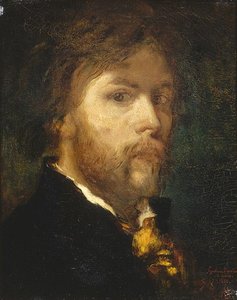
გუსტავ მორეუ
1826 - 1898 , საფრანგეთი
მოკლე ფაქტები
- Artistic Movement Or Style: სიმბოლიზმი
- Artists Who Influenced This Artist:
- ხუგო დელაკსოჲ
- მიქელანჯელო ბრანჩელი
- ლევონარדו დ ვინჩი
- Date Of Birth: 6 აპრილს 1826 წელი
- Date Of Death: 18 აპრილს 1898 წელი
- Full Name: Gustave Moreau
- Nationality: ფრანგილია
- Notable Artworks:
- სალომე ჰეროდის წინ მოდის და ტრიალინება
- იოზეფ და სემელე
- მორფეისი
- პარიზი და დესდემონა
- Place Of Birth: პარისი საფრანგეთი
მსგავსი სტატიები

AllPaintingsStore.com F.A.Q.: Elevate Your Decor with Premium Textured Giclée Prints
Discover the distinction of AllPaintingsStore.com premium textured Giclée prints. Expertly crafted with archival 12-color pigments and museum-grade substrates, our prints offer unparalleled vividness for the discerning collector seeking luxury, durability, and timeless elegance.


