


 წინასწარი ნახვა
 გაგზავნა
 გაზიარება
 დეტალები
 გზამკვლევი

 ჩამოტვირთვა
 მსგავსები
 რენტგენოგრაფიული კვლევა
 სლაიდშოუ
 სტატისტიკა
Portrait of the Arabian
 Drawing
- WallArt
 19th Century
 38.0 x 44.0 cm
 The Ramzi and Saeda Dalloul Art Foundation
 გადასართად დაწვრილებით ნახეთ
ხელით ნაკვეთი ზეთის ტილოს რეპროდუქცია
ტილოზე შესრულებული ფერწერიანი ზეთប្រდათი, თქვენთვის სასურველი ზომისა და ჩარჩოსთვის, ჩვენი ხელოვანების მიერ შეკვეთის საფუძველზე დამზადებული. ( გადართვა ბეჭდზე გადასვლა ციფრულ გამოსახულებაზე)




P118B $10

P118H $10

P118W $10

P438Z $10

P508JH $12

P508YH $12

P805H $10

P805Z $10

P919BZ $10

P919G $10

P919XJ $10

P959ZH $10

P968JZ $12

W106C $8

W218G $10

W218JH $8

W218Y $10

W307PJ $10

W316G $10

W316PJ $8

W316Y $10

W398PJ $8

W4111J $10

W500HY $15

W500JH $15

W692G $12

W849H $8

W940BG $15

W953PJ $8




აირჩიეთ ჩვენს მიერ წინასწარ განსაზღვრული ზომებიდან, რომლებიც ნაწარმოების ორიგინალურ პროპორციებს შეესაბამება.

თქვენ შეგიძლიათ მიუთითოთ თქვენთვის სასურველი ზომები კონკრეტული ჩარჩოს ან სივრცის შესაბამისად. თუ თქვენ მიერ არჩეული ზომა არ შეესაბამება ორიგინალი გამოსახულების პროპორციებს, ჩვენ ან შევაჭრებთ ნაწარმოებს, ან ტილოზე დავამატებთ ხელით მოხატულ ელემენტებს. წარმოების დაწყებამდე, დამტკიცებისთვის გამოგეგზავნებათ ციფრული მაკეტი.
გთხოვთ, გაითვალისწინოთ, რომ ეკრანზე ნაჩვენები წინასწარი შეხედულება არ ასახავს რეალურ შეჭრას ან გაფართოებას. საბოლოო კომპოზიციას ზუსტად მხოლოდ მაკეტი წარმოაჩენს.
მიუხედავად იმისა, რომ შესაძლებელია ინდივიდუალური ზომების შერჩევა, ორიგინალური პროპორციების შენარჩუნებისათვის გირჩევთ, გამოიყენოთ წინასწარ განსაზღვრული სიის ზომები.
შეკვეთის შემდეგ, AllPaintingsStore.com გუნდი დაგიკავშირდებათ ელექტრონული ფოსტით ინსტრუქციებისთვის და გამოგიგზავნით წინასწარ ნახაზს (mockup).
მიწოდება მსოფლიო მასშტაბით -ში 3/4 კვირაში, სტანდარტული 5 კვირის ნაცვლად. (21 სექტემბერი). ხარისხზე კომპრომისის გაკეთება არ მოხდება.

უფასო ექსპრეს მიწოდება მთელ მსოფლიოში

საბამად მაღალი ხარისხის ტილო

სრული ტრანსპორტირების დაზღვევა

საბაჟო გადასახადების დაბრუნების გარანტია

ფერების სრული შესაბამისობის გარანტია

დაბრუნების 100-დღიანი პოლიტიკა (მხოლოდ დეფექტის შემთხვევაში)

100% თანხის დაბრუნების გარანტია

ფასდაკლება დიდი რაოდენობით შეკვეთისას
 მინის ჩარჩოს არჩევანი ხელმისაწვდომია მხოლოდ 110 სმ-ზე ნაკლები ზომისთვის

Portrait of the Arabian
რეკლამაციის ტექნიკა
რეკლამაციის ზომა
-


საბოლოო ფასი
$ 258
A Gaze Through Time: The Soul of the Arabian Portrait
In the quiet intimacy of Habib Serour’s Portrait of the Arabian, the viewer is invited into a moment of profound stillness. This exquisite drawing transcends mere representation, offering instead a window into a contemplative soul. The subject, a man adorned with a meticulously rendered turban and a weathered beard, gazes downward, his eyes heavy with the weight of unspoken thoughts. There is an undeniable gravity to his presence, a sense of dignity that commands respect and invites empathy. Through Serour’s masterful hand, the portrait becomes more than a likeness; it becomes an exploration of human introspection, capturing that fleeting, sacred second where the external world fades, and the internal landscape takes precedence.
The technical brilliance of this piece lies in its delicate balance between detail and atmosphere. Using a fine, precise line, Serour captures the intricate textures of the man's clothing and the rugged contours of his facial features, lending the work a tactile quality that feels almost lifelike. Yet, the artist does not allow the realism to become clinical. In the background, the subtle presence of birds—some perched, some in flight—introduces a dynamic, rhythmic energy to the composition. These avian elements serve as a poetic counterpoint to the man's stillness, suggesting a world in motion that continues even as he remains anchored in his deep meditation. This interplay between the static subject and the kinetic background creates a layered depth that keeps the eye wandering through the frame.
Symbolism and the Art of Presence
Beyond its aesthetic allure, the Portrait of the Arabian carries a rich symbolic resonance that speaks to the universal human condition. The downward gaze is a classic motif of humility and spiritual searching, suggesting a character who finds wisdom in silence rather than in outward expression. For collectors and interior designers alike, this piece offers a sophisticated narrative for any space. It possesses a quiet strength that can anchor a room, providing a focal point that encourages slow looking and deep thought. The inclusion of the birds may further symbolize the fleeting nature of life or the freedom of the spirit, contrasting beautifully with the grounded, earthy presence of the man.
For those seeking to incorporate fine art into their personal sanctuaries or professional galleries, this reproduction offers an unparalleled opportunity to possess a fragment of Lebanese artistic heritage. The work bridges the gap between traditional portraiture and a more modern, emotive sensibility, making it a versatile choice for contemporary decor. Whether placed in a sunlit study or a moody, dimly lit library, the Portrait of the Arabian brings with it an aura of timelessness and intellectual depth, serving as a constant reminder of the beauty found in quiet contemplation.
დაკავშირებული ნამუშევრები


მხატვრის ბიოგრაფია
Edvard Munch: A Soul Exposed in Color
Edvard Munch (December 12, 1863 – January 23, 1944) stands as one of the most profoundly influential and emotionally resonant figures in modern art. Born in Løten, Norway, his life was marked by a relentless struggle with illness, loss, and an acute awareness of human suffering—themes that would become inextricably woven into the fabric of his iconic paintings and prints. More than simply depicting scenes, Munch sought to externalize inner turmoil, capturing the very essence of anxiety, despair, and spiritual anguish in a way that continues to resonate powerfully with audiences today. His legacy extends far beyond Norway, profoundly impacting movements like Symbolism and Expressionism, and solidifying his place as a pivotal voice in the exploration of the human psyche.Early Life and Influences: A Shadowed Childhood
Munch’s childhood was anything but idyllic. He experienced significant loss early on – his mother died when he was just five years old, followed by the deaths of his father and an older sister from tuberculosis within a few years. These traumatic events, coupled with recurring bouts of illness himself, instilled in him a deep-seated fear of disease and mortality. This pervasive sense of vulnerability profoundly shaped his artistic vision. He studied at the Royal School of Art and Design in Kristiania (now Oslo), but found traditional academic training stifling. Instead, he gravitated towards the bohemian circles of the city, encountering figures like Christian Krohg and Henrik Ibsen who encouraged him to explore subjective experience and emotional truth—a concept Munch termed “soul painting.” His exposure to French Impressionism and Post-Impressionist painters such as Paul Gauguin and Vincent van Gogh proved crucial, influencing his use of color and brushwork. However, it was the writings of thinkers like Hans Jæger, who advocated for a focus on individual psychology and emotional expression, that truly ignited Munch’s artistic path.The Emergence of Iconic Works: ‘The Scream’ and Beyond
Munch's breakthrough came with *The Scream* (1893), arguably his most famous work. The painting depicts a figure standing on a bridge, overwhelmed by an existential crisis—a primal scream echoing through the landscape. While often interpreted as a depiction of fear, Munch himself described its genesis as stemming from a personal experience: “I was walking along the road with two friends – it grew late, and the sun began to set. Suddenly, the sky turned blood red; I stopped and felt a great infinite scream in nature.” *The Scream* became an immediate symbol of modern spiritual anguish, capturing the anxieties of a rapidly changing world. Following this success, Munch continued to explore themes of love, death, jealousy, and isolation through a prolific output of paintings, prints, and drawings. Works like *Madonna*, *Despair*, and *The Sick Child* further cemented his reputation for unflinching honesty and psychological depth. His series *The Frieze of Life* (1893-1900), depicting stages of human existence from birth to death, is a particularly powerful testament to his artistic vision.Style and Technique: Color as Emotion
Munch’s distinctive style is characterized by its raw emotionality, distorted forms, and intensely expressive use of color. He frequently employed bold, unnatural hues—fiery reds, sickly yellows, and deep blues—to convey the intensity of his subjects' inner states. His brushwork is often loose and agitated, reflecting the turbulent emotions he sought to portray. He experimented extensively with printmaking techniques, particularly etching and lithography, which allowed him to create multiple impressions while retaining a sense of immediacy and spontaneity. Unlike many artists of his time who focused on realistic representation, Munch prioritized conveying feeling over precise depiction, creating images that are both unsettling and profoundly moving.Legacy and Historical Significance
Edvard Munch’s work continues to exert a powerful influence on contemporary art and culture. *The Scream*, in particular, has become an instantly recognizable symbol of the modern condition—a visual shorthand for anxiety, alienation, and existential dread. His exploration of psychological themes paved the way for Expressionism, influencing artists like Ernst Ludwig Kirchner and Emil Nolde. Beyond his artistic achievements, Munch’s willingness to confront difficult emotions and expose the darker aspects of human experience has made him a profoundly important figure in the history of art—a testament to the power of art to illuminate the complexities of the human soul. His work remains exhibited worldwide, captivating viewers with its raw honesty and enduring relevance.
habib serour
1863 - 1938 , Lebanon
მოკლე ინფორმაცია
- Artistic Movement Or Style: Expressionism, Symbolism
- Artists Or Movements Influenced By This Artist: ['German Expressionism']
- Artists Who Influenced This Artist:
- Vincent van Gogh
- Paul Gauguin
- Date Of Birth: December 12, 1863
- Date Of Death: January 23, 1944
- Full Name: Edvard Munch
- Nationality: Norwegian
- Notable Artworks:
- The Scream
- Madonna
- Place Of Birth: Løten, Norway
დაკავშირებული სტატიები
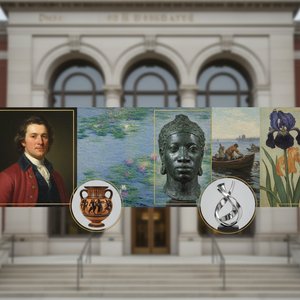
ბოსტონის ხელოვნების მუზეუმის 25 შედევრი: ხელოვნება, ისტორია და შთაგონება თქვენს სახლში
აღმოაჩინეთ ბოსტონის ხელოვნების მუზეუმის 25 გამორჩეული შედევრი! მონე, რემბრანდტი და სხვა ცნობილი მხატვრების ნახატები – ისტორია, ტექნიკა და შთაგონება თქვენს სახლში. ხარისხიანი რეპროდუქციები AllPaintingsStore.com-ზე.

The Nuances of Graphite: Exploring Emotional Depth & Technical Mastery in Pencil Drawing
Explore the captivating world of graphite drawing! Discover its rich history, master essential techniques like chiaroscuro, and learn how artists evoke emotion through this timeless medium. Expert insights for art enthusiasts.

Mastering the Line: A Comprehensive Expert Guide to Technical Precision and Expressive Depth in Drawing
Elevate your artistic practice with this expert guide to mastering the line. Discover advanced techniques in graphite, charcoal, and contour drawing designed for art students seeking technical precision and expressive depth in their fine art studies.

The Enduring Power of Line: Exploring Themes & Techniques in Drawing Across Art History
Explore the rich history of drawing! Discover key techniques like linear perspective & iconic artists from the Renaissance to modern times. Enhance your art appreciation with AllPaintingsStore.

Feathered Visions: A Historical & Artistic Exploration of Birds in Painting
Explore the rich history of birds in painting! Discover symbolism, artistic movements & master artists like Audubon. High-quality reproductions available at AllPaintingsStore.

