- მთავარი გვერდი

- ზეთის ტილოზე რეპროდუქცია
- იერონიმ ბოსხ
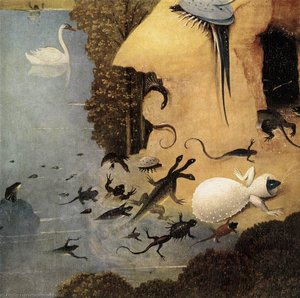
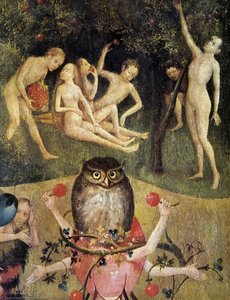
- The Garden of Earthly Delights (detail) (12)

 ნაბეჭდის შეძენა გამოსახულების შეძენა
 გაგზავნა
 გაზიარება
 დეტალები
 დამატება ფავორიტებში

 ჩამოტვირთვა
 მსგავსები
 რენტგენოგრაფიული კვლევა
 სლაიდშოუ
The Garden of Earthly Delights (detail) (12)


 გადასართად დაწვრილებით ნახეთ
ხელით ნაკვეთი ზეთის ტილოს რეპროდუქცია
ტილოზე შესრულებული ფერწერიანი ზეთប្រდათი, თქვენთვის სასურველი ზომისა და ჩარჩოსთვის, ჩვენი ხელოვანების მიერ შეკვეთის საფუძველზე დამზადებული.




P118B $10

P118H $10

P118W $10

P438Z $10

P508JH $12

P508YH $12

P805H $10

P805Z $10

P919BZ $10

P919G $10

P919XJ $10

P959ZH $10

P968JZ $12

W106C $8

W218G $10

W218JH $8

W218Y $10

W307PJ $10

W316G $10

W316PJ $8

W316Y $10

W398PJ $8

W4111J $10

W500HY $15

W500JH $15

W692G $12

W849H $8

W940BG $15

W953PJ $8




აირჩიეთ ჩვენს მიერ წინასწარ განსაზღვრული ზომებიდან, რომლებიც ნაწარმოების ორიგინალურ პროპორციებს შეესაბამება.

თქვენ შეგიძლიათ მიუთითოთ თქვენთვის სასურველი ზომები კონკრეტული ჩარჩოს ან სივრცის შესაბამისად. თუ თქვენ მიერ არჩეული ზომა არ შეესაბამება ორიგინალი გამოსახულების პროპორციებს, ჩვენ ან შევაჭრებთ ნაწარმოებს, ან ტილოზე დავამატებთ ხელით მოხატულ ელემენტებს. წარმოების დაწყებამდე, დამტკიცებისთვის გამოგეგზავნებათ ციფრული მაკეტი.
გთხოვთ, გაითვალისწინოთ, რომ ეკრანზე ნაჩვენები წინასწარი შეხედულება არ ასახავს რეალურ შეჭრას ან გაფართოებას. საბოლოო კომპოზიციას ზუსტად მხოლოდ მაკეტი წარმოაჩენს.
მიუხედავად იმისა, რომ შესაძლებელია ინდივიდუალური ზომების შერჩევა, ორიგინალური პროპორციების შენარჩუნებისათვის გირჩევთ, გამოიყენოთ წინასწარ განსაზღვრული სიის ზომები.
შეკვეთის შემდეგ, AllPaintingsStore.com გუნდი დაგიკავშირდებათ ელექტრონული ფოსტით ინსტრუქციებისთვის და გამოგიგზავნით წინასწარ ნახაზს (mockup).
მიწოდება მსოფლიო მასშტაბით -ში 3/4 კვირაში, სტანდარტული 5 კვირის ნაცვლად. (16 ივლისი). ხარისხზე კომპრომისის გაკეთება არ მოხდება.

უფასო ექსპრეს მიწოდება მთელ მსოფლიოში

საბამად მაღალი ხარისხის ტილო

სრული ტრანსპორტირების დაზღვევა

საბაჟო გადასახადების დაბრუნების გარანტია

ფერების სრული შესაბამისობის გარანტია

60-დღიანი დაბრუნების პოლიტიკა (მხოლოდ დეფექტის შემთხვევაში)

100% თანხის დაბრუნების გარანტია

ფასდაკლება დიდი რაოდენობით შეკვეთისას
 მინის ჩარჩოს არჩევანი ხელმისაწვდომია მხოლოდ 110 სმ-ზე ნაკლები ზომისთვის

The Garden of Earthly Delights (detail) (12)
რეკლამაციის ტექნიკა
რეკლამაციის ზომა
-


საბოლოო ფასი
-
ნაწარმოების აღწერა
A Descent into Dreamlike Reality: Examining Hieronymus Bosch’s ‘The Garden of Earthly Delights’
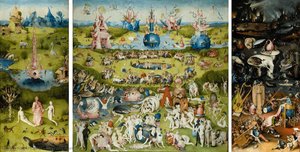
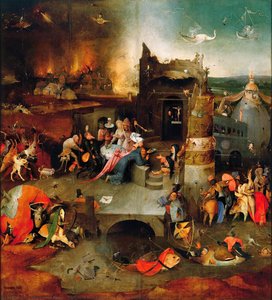
Hieronymus Bosch's “The Garden of Earthly Delights,” completed between 1490 and 1510, stands as one of the most perplexing and enduring enigmas in Renaissance art. Painted during a period marked by anxieties surrounding religious dogma and societal upheaval—Bosch himself remained an enigma—the triptych transcends mere depiction; it plunges viewers into a hallucinatory landscape populated with grotesque figures, bizarre animals, and unsettling symbols that continue to fascinate scholars and inspire artists centuries later. Located in the Prado Museum of Madrid, this monumental artwork immediately captivates with its vibrant colors and intricate detail, yet defies easy interpretation.- Style & Technique: Bosch’s style is undeniably unique—a blend of meticulous realism combined with fantastical imagination that anticipates Surrealism. He employed oil paint on oak panels, utilizing glazing techniques to achieve luminous surfaces and layering textures to convey a palpable sense of depth. The artist's mastery of perspective contributes to the unsettling illusion of space, creating an immersive experience for the viewer.
- Historical Context: Bosch’s work emerged from the intellectual ferment of the Burgundian Netherlands—a region grappling with Reformation tensions and experiencing rapid urbanization. Religious anxieties fueled artistic explorations into moral allegory and the consequences of sin, mirroring broader societal concerns about corruption and decay. The triptych reflects a preoccupation with biblical narratives concerning temptation and damnation, albeit presented in an utterly unconventional manner.
- Symbolism: The Garden itself is rife with symbolic representations—a paradise corrupted by earthly desires. Recurring motifs include serpents, fruits representing forbidden knowledge, naked figures engaged in sensual activities, and monstrous creatures embodying evil forces. Bosch’s meticulous attention to detail serves not merely decorative purposes but communicates profound theological ideas about human fallibility and divine judgment.
- Emotional Impact: Viewing “The Garden of Earthly Delights” evokes a visceral reaction—a feeling of unease, disorientation, and fascination. Bosch deliberately unsettles the viewer’s expectations, prompting contemplation on themes of mortality, sin, and redemption. The painting's unsettling beauty compels us to confront uncomfortable truths about human nature and the allure of indulgence.
A Closer Look: Analyzing Specific Panels
The central panel depicts a horrifying tableau featuring a grotesque procession of figures descending into Hell—a scene designed to instill fear and provoke moral reflection. Bosch’s depiction of demonic faces and tormented souls is rendered with astonishing precision, highlighting the artist's unparalleled skill in capturing human emotion and psychological torment. The surrounding landscape is equally disturbing, populated by bizarre flora and fauna that defy natural laws.Beyond Representation: Bosch’s Visionary Imagination
Bosch’s genius lies not simply in his technical prowess but in his ability to generate a wholly original artistic vision—one rooted in folklore, alchemy, and Christian mysticism. He rejected conventional artistic conventions, prioritizing psychological depth and symbolic complexity over realistic depiction. This uncompromising stance distinguishes Bosch from his contemporaries and secures his place as one of the most influential artists of the Renaissance.The Enduring Legacy
“The Garden of Earthly Delights” continues to inspire awe and debate among art historians and viewers alike. Its unsettling imagery—coupled with its profound theological message—remains relevant today, prompting us to grapple with questions about morality, faith, and the human condition. A reproduction of this masterpiece offers a window into Bosch’s extraordinary imagination and invites contemplation on the enduring power of art to confront uncomfortable truths and challenge our perceptions of reality.



მხატვრის ბიოგრაფია
Hieronymus Bosch – The Visionary Painter of Hell
Hieronymus Bosch remains one of art history’s most perplexing figures, a painter whose unsettling visions and profound moral allegories continue to captivate audiences centuries after his death in 1516. Born around 1450 in ’s-Hertogenbosch, Netherlands—then part of Brabant—Bosch emerged from a family steeped in artistic tradition, inheriting the skills and techniques of generations past. Yet, he swiftly distinguished himself from his predecessors, forging an utterly original style that would forever alter the landscape of Netherlandish painting. Biographical details are frustratingly sparse; records offer tantalizing glimpses but leave much to speculation, contributing to the artist’s enduring aura of mystery.- Early Life and Training: Little is known about Bosch's formative years beyond his birthplace and familial connections. He married Aleyt Goyaerts van den Meerveen sometime before 1481, securing a degree of financial stability through her family’s holdings. However, scholarly research has yielded scant information regarding his personal life or formative influences.
- The Style of Bosch: Bosch's artistic style is instantly recognizable—a masterful blend of meticulous detail and hallucinatory imagery. He primarily employed oil on oak panels, achieving luminous colors and intricate textures with remarkable precision. Unlike many of his contemporaries who adhered to established conventions, Bosch deliberately pushed boundaries, experimenting with innovative techniques and challenging conventional aesthetic standards.
- Notable Works: Bosch’s oeuvre comprises approximately 25 paintings—a remarkably small number considering the artist's impact on subsequent generations of painters. Among his most celebrated masterpieces are *The Garden of Earthly Delights*, a monumental triptych depicting paradise, earthly desire, and hell; *The Last Judgement*, a dramatic portrayal of divine judgment; *Epiphany*, showcasing Bosch’s masterful use of oil paint and complex symbolism; and *The Ascension of the Blessed*, an ethereal depiction of heavenly ascension.
Symbolism and Moral Allegory: Decoding Bosch's Vision
Bosch’s paintings are not merely representations of visual reality; they are elaborate allegorical narratives designed to convey profound moral and theological messages. He employed a rich tapestry of symbols—grotesque creatures, fantastical animals, hybrid beings—to explore themes of sin, redemption, and the human condition. These images were deliberately unsettling, confronting viewers with disturbing depictions of earthly corruption and highlighting the inescapable consequences of immoral behavior. Bosch’s genius lay in his ability to transform familiar religious concepts into startling visual metaphors, prompting contemplation and challenging accepted dogma.- The Influence of Medieval Folklore: Scholars suggest that Bosch drew inspiration from medieval folklore—particularly tales of demons and saints—incorporating these narratives into his artistic vision. These stories served as a springboard for exploring anxieties about heresy and social upheaval, reflecting the turbulent intellectual climate of his time.
- Psychological Depth: Some historians contend that Bosch possessed remarkable insight into human psychology, anticipating concepts explored by Carl Jung—namely, the exploration of the unconscious mind. His paintings delve into realms beyond rational thought, confronting viewers with disturbing visions and prompting introspection about morality and spirituality.
Legacy and Influence on Subsequent Artists
Bosch’s impact on subsequent artists is undeniable. Pieter Bruegel the Elder directly adopted Bosch's stylistic conventions—particularly his penchant for depicting grotesque figures and moral allegories—establishing himself as a prominent heir to Bosch’s artistic legacy. Surrealist painters like Salvador Dalí and Max Ernst openly acknowledged their debt to Bosch’s dreamlike imagery and exploration of the subconscious, recognizing him as the progenitor of modern art.Conclusion: An Artist Ahead of His Time
Hieronymus Bosch remains an artist whose singular vision continues to inspire awe and provoke debate. He stands apart from his contemporaries—particularly Jan van Eyck—whose technique prioritized meticulous realism, favoring instead a style characterized by energetic brushwork and imaginative embellishment. Bosch’s enduring fascination stems from his ability to capture the anxieties of his era—fear of heresy, social unrest—while simultaneously elevating artistic expression beyond mere imitation. He died in 1516, leaving behind a body of work that transcends time, securing his place as one of art history's most unforgettable voices and cementing his status as the “first Surrealist.”
იერონიმ ბოსხ
1450 - 1516 , ნიდერლანდები
მოკლე ინფორმაცია
- Artistic Movement Or Style: Сюрреализм и Символизм
- Artists Who Influenced This Artist: ['Питер Брюгель Старший']
- Date Of Birth: c. 1450
- Date Of Death: 1516
- Full Name: Hieronymus Bosch
- Nationality: Нидерландцы
- Notable Artworks:
- Сад земных наслаждений
- Троица Последнего Суда
- Place Of Birth: Den Bosch, Нидерланды
დაკავშირებული სტატიები

Hieronymus Bosch: Decoding the Visions of a Netherlandish Master
Explore the captivating world of Hieronymus Bosch! Delve into the symbolism, religious context, and artistic innovation of this Netherlandish master with AllPaintingsStore's expert analysis. Discover his iconic paintings & lasting influence.

The Radiant Dusk of Medieval Vision: Exploring Late Gothic Art's Synthesis of Faith, Form & Emotionality (c. 1300-1500)
Explore the exquisite beauty & spiritual depth of Late Gothic art (c. 1300-1500). Discover key artists, symbolism, and its lasting influence on the Renaissance. Expert insights at AllPaintingsStore.
The Patron's Gaze: Art Collectors in Western Painting – A Renaissance to Modern History
Explore the fascinating history of art collectors in Western painting, from Renaissance patrons to modern museum founders. Discover how portraits revealed status, shaped artistic movements & built lasting legacies. Expert insights at AllPaintingsStore.
ადრეული რენესანსის 10 შედევრი, რომელმაც განსაზღვრა ხელოვნების განვითარება
აღმოფრთოვანდით ადრეული რენესანსის 10 უმშვენიერეს შედევრს! გავიგეთ დავიდის, ბოტეტიელის, მანტეინის და სხვა დიდებულების ისტორია. იხილეთ ფერწერა, არქიტექტურა და ხელოვნების განვითარება AllPaintingsStore-ზე. შეიძინეთ მაღალი ხარისბის რეპლიკები და შეცვალეთ თქვენი სახლი!
რაฟาელის 25 შედევრი: ხელოვნების ისტორია თქვენს სახლში | AllPaintingsStore.com
აღმოაჩინეთ რაฟาელის 25 უნიკალური შედევრი! რენესანსული ფერწერა, პორტრეტები და იტალიური ხელოვნების ისტორია. შეიძინეთ მუზეუმის ხარისხის ტილოები AllPaintingsStore.com-ზე და შექმნით განსაცვიფრებელი ინტერიერი.