


 ნახვა ინტერьерში
 გაგზავნა
 გაზიარება
 დეტალები
 გზამკვლევი

 ჩამოტვირთვა
 მსგავსები
 რენტგენოგრაფიული კვლევა
 სლაიდშოუ
 სტატისტიკა
Rooftops of Ostend

 სრული ტექსტის ნახვა
გიკლე / ხელოვნების პრინტი
მუზეუმის დონის ჟიკლე ან ტილოზე ბეჭდვა სწრაფი წარმოებისა და დასრულების მოქნილი ვარიანტებით. ( შეიძინეთ ხელით შესრულებული ნახატი გადასვლა ციფრულ გამოსახულებაზე)




P118B ₾10

P118H ₾10

P118W ₾10

P438Z ₾10

P508JH ₾12

P508YH ₾12

P805H ₾10

P805Z ₾10

P919BZ ₾10

P919G ₾10

P919XJ ₾10

P959ZH ₾10

P968JZ ₾12

W106C ₾8

W218G ₾10

W218JH ₾8

W218Y ₾10

W307PJ ₾10

W316G ₾10

W316PJ ₾8

W316Y ₾10

W398PJ ₾8

W4111J ₾10

W500HY ₾15

W500JH ₾15

W692G ₾12

W849H ₾8

W940BG ₾15

W953PJ ₾8




აირჩიეთ ჩვენს მიერ წინასწარ განსაზღვრული ზომებიდან, რომლებიც ნაწარმოების ორიგინალურ პროპორციებს შეესაბამება.

შეიყვანეთ თქვენთვის საჭირო სიგანე და სიმაღლე, რათა იგი მოერგოს თქვენს ჩარჩოს ან კედელს. ბეჭდვისას შესაძლებელია მხოლოდ მისი შემცირება და არა გაზრდა, ამიტომ სხვა ფორმის ზომის შემთხვევაში გამოსახულება ნაწილობრივ იკარგება. სანამ რაიმეს დაბეჭდავთ, ჩვენ გამოგიგზავნით ციფრულ მაკეტს დასდასტურებლად. ამ გვერდზე ნაჩვენები სურათი არ ასახავს რეალურ ჭრას — ამას მხოლოდ მაკეტი გვიჩვენებს.
მიწოდება მთელ მსოფლიოში () 2 კვირაში, სტანდარტული 4/5 კვირის ნაცვლად. (28 ოქტომბერი)

უფასო ექსპრეს მიწოდება მთელ მსოფლიოში

მაღალი ხარისხის ტილო

ტრანსპორტირების სრული დაზღვევა

საბაჟო გადასახადების დაბრუნების გარანტია

ფერების სრული შესაბამისობის გარანტია

დაბრუნების 100-დღიანი პერიოდი (მხოლოდ წარმოების დეფექტის შემთხვევაში)

100% თანხის სრული დაბრუნების გარანტია

ფასდაკლება დიდი რაოდენობით შეკვეთისას
 მინის ჩარჩოს არჩევანი ხელმისაწვდომია მხოლოდ 110 სმ-მდე ზომისთვის

Rooftops of Ostend
გიკლე / ხელოვნების პრინტი
რეპროდუქციის ზომა
-


ჯამური ღირებულება
₾ 167
A Window into Ostend’s Soul: James Ensor's Rooftops
- James Ensor (1860-1949), a Belgian artist born in Ostend, stands as a singular figure within the Symbolist movement. His work transcends mere representation; it delves into psychological landscapes and confronts viewers with unsettling truths about human existence.
- “Rooftops of Ostend,” painted circa 1888-1900, exemplifies Ensor’s distinctive style—characterized by bold lines, flattened perspectives, and a deliberate rejection of academic conventions. The canvas captures the cityscape of Ostend with remarkable precision, yet simultaneously imbues it with an atmosphere of melancholy and contemplation.
Composition and Technique: Embracing Distortion for Emotional Resonance
- Ensor’s technique is marked by a masterful use of impasto—thickly applied paint—creating textural surfaces that heighten the visual impact. The artist employs a muted palette dominated by earthy tones, punctuated by splashes of crimson and ochre, mirroring the dramatic interplay between light and shadow.
- Notably, Ensor deliberately distorts architectural forms, flattening planes and exaggerating contours to convey a sense of unease and disorientation. This stylistic choice isn’t merely decorative; it serves as a conduit for expressing psychological anxieties—a hallmark of Symbolist art.
Historical Context: The Shadow of Modernity
- "Rooftops of Ostend" emerged during the late Victorian era and coincided with burgeoning industrialization and urbanization. Ensor’s depiction reflects anxieties surrounding societal change, mirroring broader concerns about the loss of innocence and the encroaching influence of modernity.
- Ostend itself was a prominent port city undergoing rapid transformation—a hub for trade and tourism—and Ensor's painting captures this dynamism while simultaneously hinting at its darker undercurrents. The inclusion of a clock symbolizes the relentless march of time, emphasizing the ephemeral nature of human experience.
Symbolism Beyond Surface Appearance: Masks and Disguise
- As with much of Ensor’s oeuvre, “Rooftops of Ostend” is laden with symbolic references. The prominent clock serves as a visual motif for confronting mortality—a recurring theme in Ensor's work. Furthermore, the artist’s penchant for masks and disguise reflects his preoccupation with concealing identity and exploring hidden emotions.
- The overcast sky contributes to the painting’s mood of introspection and apprehension. It symbolizes obscurity and uncertainty, mirroring the psychological complexities portrayed within the cityscape itself—a space where appearances deceive and truths remain concealed.
Emotional Impact: A Portrait of Existential Disquiet
- "Rooftops of Ostend" resonates with viewers on a visceral level, eliciting feelings of melancholy and unease. Ensor’s masterful manipulation of color and texture compels contemplation—inviting us to confront uncomfortable realities about human condition.
- More than just a depiction of a place, the painting is an exploration of inner turmoil—a testament to Ensor's ability to translate psychological states into visual form. It remains a powerful reminder that art can transcend mere representation and communicate profound truths about our shared experience.
კითხვები და პასუხები
როგორ შემიძლია ჯეიმზ ინსორ-ის „Rooftops of Ostend“-ის რეპროდუქციის წინასწარი ნახვა?
ჯეიმზ ინსორ-ის „Rooftops of Ostend“-ის რეპროდუქციის წინასწარი ნახვისთვის, გახსენით ნამუშევრის წინასწარი ნახვა გვერდი.
როგორი განლაგება შეესაბამება ჯეიმზ ინსორ-ის „Rooftops of Ostend“-ის ფორმატს?
ჯეიმზ ინსორ-ის „Rooftops of Ostend“-ის Landscape ფორმატი რეკომენდებულია Living Room-ისთვის. ფორმატი და სივრცე ერთობლივად განსაზღვრავს რეპროდუქციის განლაგების საუკეთესო გზას.
შესაძლებელა ვნახო ჯეიმზ ინსორ-ის „Rooftops of Ostend“-ის რენტგენული გამოსახულება?
ჯეიმზ ინსორ-ის „Rooftops of Ostend“-ის რენტგენული ხედვა ხელოვნების ნიმუშის რენტგენოგრაფია გვერდზე წარმოდგენილია, როგორც გამოსახულების ინტერაქტიული შესწავლა თერთმეტი ოპტიკური ფენის მეშვეობით.
მსგავსი ნამუშევრები


მხატვრის ბიოგრაფია
James Ensor: A Pioneer of Expressionism and Surrealism
James Sidney Edouard, Baron Ensor (Ostend, 13 April 1860 – 19 November 1949) was a Belgian painter and printmaker who stands as one of the most influential figures in the development of Expressionism and Surrealism. Born into an English father and Belgian mother amidst the vibrant atmosphere of Ostend’s seaside resort town, Ensor’s upbringing profoundly shaped his artistic vision—a vision characterized by unsettling imagery, bold brushwork, and a relentless interrogation of human psychology.
Early Influences and Artistic Training
From a young age, Ensor demonstrated an innate talent for drawing and painting, nurtured by the encouragement of local artists. He attended the College of the Blessed Virgin in Ostend, immersing himself in the intellectual currents of his time. His formal artistic training at the Académie Royale des Beaux-Arts in Brussels exposed him to influential teachers like Jean Portales, fostering a critical engagement with academic conventions and propelling him toward a path of independent innovation.
The Emergence of Expressionist Style
A pivotal turning point arrived as Ensor’s palette shifted from somber realism to vibrant hues infused with psychological intensity. Influenced by Rembrandt, Francisco Goya, and Japanese woodcuts—artists who championed expressive techniques—Ensor embarked on a daring stylistic transformation. He rejected the prevailing Symbolist aesthetic, prioritizing raw emotion and visceral impact over decorative considerations.
Key Works and Recurring Themes
Ensor’s oeuvre is marked by a series of monumental paintings that continue to provoke debate and admiration. *The Scandalized Masks* (1883) captures the unsettling spectacle of carnival—a realm populated by grotesque masks concealing hidden identities and exposing societal hypocrisy. Perhaps his most iconic work, *Christ's Entry into Brussels* (1888–89), remains a searing indictment of religious dogma and social complacency—a painting that utilizes theatrical staging and jarring color combinations to convey profound psychological truths.
Legacy and Influence
James Ensor’s uncompromising artistic vision irrevocably altered the trajectory of modern art. He challenged established norms, embraced irrationality, and championed subjective experience—qualities that resonated deeply with artists who would follow in his footsteps. His pioneering use of expressive brushwork, coupled with his unflinching exploration of darkness and despair, solidified his position as a cornerstone of Expressionism and Surrealism—a legacy that continues to inspire artists today.
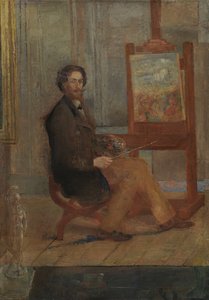
ჯეიმზ ინსორ
1860 - 1949 , ს ბელგია
მოკლე ფაქტები
- Artistic Movement Or Style: Экспрессионизм и сюрреализм
- Artists Who Influenced This Artist:
- Брюгель Старший
- Франсиско Гоя
- Уистлер
- Date Of Birth: April 13, 1860
- Date Of Death: November 19, 1949
- Full Name: James Sidney Edouard Ensor
- Nationality: Бельгия
- Notable Artworks:
- Скаркализованные маски
- Скелеты сражаются...
- Христос входит в Брюссель
- Place Of Birth: Ostend, Belgium
მსგავსი სტატიები

Urban Visions: A Historical & Artistic Exploration of the Cityscape in Painting
Explore the evolution of cityscape painting from historical maps to Impressionist masterpieces. Discover artists like Caillebotte, Utrillo & Matsumoto Shunsuke. Find museum-quality reproductions at AllPaintingsStore.

James Ensor's Grotesque Visions: Social Commentary & Artistic Innovation
Explore the unsettling yet captivating world of James Ensor, a pioneer of Expressionism. Discover his satirical masterpieces, symbolic imagery & lasting influence on modern art. High-quality reproductions available at AllPaintingsStore.

Gothic Vibes: From Dark Shadows to Bold Modern Edge | The Ultimate Trend Forecast
Explore the evolution of Gothic vibes, from historical shadows to bold modern edge. Discover how dark aesthetics, noir interiors, and contemporary subcultures are redefining modern design through a high-impact, trend-focused lens.

Shadow & Soul: The Bold Dark Art Trend Redefining Modern Urban Interiors
Level up your space with the boldest trend in urban design. Discover how dark art, moody textures, and high-contrast aesthetics create a powerful visual impact. Master the art of shadow and soul to transform your modern interior into a high-energy masterpiece.

Dark Gray Masterpieces: 10 Iconic Paintings & Timeless Home Decor Ideas
Explore 10 iconic paintings dominated by dark gray tones, from Rembrandt & Caravaggio to Goya. Discover the stories behind these masterpieces and find museum-quality art reproductions for your home at . Explore the full collection online.


