


 ნახვა ინტერьерში
 გაგზავნა
 გაზიარება
 დეტალები
 გზამკვლევი

 ჩამოტვირთვა
 მსგავსები
 რენტგენოგრაფიული კვლევა
 სლაიდშოუ
 Q&A
Q&A სტატისტიკა
untitled (7451)

 სრული ტექსტის ნახვა
გიკლე / ხელოვნების პრინტი
მუზეუმის დონის ჟიკლე ან ტილოზე ბეჭდვა სწრაფი წარმოებისა და დასრულების მოქნილი ვარიანტებით. ( შეიძინეთ ხელით შესრულებული ნახატი გადასვლა ციფრულ გამოსახულებაზე)




P118B ₾10

P118H ₾10

P118W ₾10

P438Z ₾10

P508JH ₾12

P508YH ₾12

P805H ₾10

P805Z ₾10

P919BZ ₾10

P919G ₾10

P919XJ ₾10

P959ZH ₾10

P968JZ ₾12

W106C ₾8

W218G ₾10

W218JH ₾8

W218Y ₾10

W307PJ ₾10

W316G ₾10

W316PJ ₾8

W316Y ₾10

W398PJ ₾8

W4111J ₾10

W500HY ₾15

W500JH ₾15

W692G ₾12

W849H ₾8

W940BG ₾15

W953PJ ₾8




აირჩიეთ ჩვენს მიერ წინასწარ განსაზღვრული ზომებიდან, რომლებიც ნაწარმოების ორიგინალურ პროპორციებს შეესაბამება.

შეიყვანეთ თქვენთვის საჭირო სიგანე და სიმაღლე, რათა იგი მოერგოს თქვენს ჩარჩოს ან კედელს. ბეჭდვისას შესაძლებელია მხოლოდ მისი შემცირება და არა გაზრდა, ამიტომ სხვა ფორმის ზომის შემთხვევაში გამოსახულება ნაწილობრივ იკარგება. სანამ რაიმეს დაბეჭდავთ, ჩვენ გამოგიგზავნით ციფრულ მაკეტს დასდასტურებლად. ამ გვერდზე ნაჩვენები სურათი არ ასახავს რეალურ ჭრას — ამას მხოლოდ მაკეტი გვიჩვენებს.
მიწოდება მთელ მსოფლიოში () 2 კვირაში, სტანდარტული 4/5 კვირის ნაცვლად. (2 ნოემბერი)

უფასო ექსპრეს მიწოდება მთელ მსოფლიოში

მაღალი ხარისხის ტილო

ტრანსპორტირების სრული დაზღვევა

საბაჟო გადასახადების დაბრუნების გარანტია

ფერების სრული შესაბამისობის გარანტია

დაბრუნების 100-დღიანი პერიოდი (მხოლოდ წარმოების დეფექტის შემთხვევაში)

100% თანხის სრული დაბრუნების გარანტია

ფასდაკლება დიდი რაოდენობით შეკვეთისას
 მინის ჩარჩოს არჩევანი ხელმისაწვდომია მხოლოდ 110 სმ-მდე ზომისთვის

untitled (7451)
გიკლე / ხელოვნების პრინტი
რეპროდუქციის ზომა
-


ჯამური ღირებულება
₾ 166
A Window into Faith and Artistic Genius: Examining Jan van Eyck’s Untitled Portrait
Jan van Eyck's "Untitled (7451)" stands as a cornerstone of Early Netherlandish painting, embodying not merely visual beauty but also profound spiritual contemplation and unparalleled artistic innovation. Painted circa 1432, this portrait transcends its formal depiction of a woman—likely a noblewoman—to become an emblem of humanist ideals intertwined with religious devotion, reflecting the burgeoning intellectual fervor of the Burgundian Netherlands during its golden age. The artwork’s enduring fascination stems from Van Eyck's masterful manipulation of oil paint – a revolutionary medium at the time – which allowed for unprecedented levels of detail and luminosity previously unattainable with tempera pigments. This breakthrough technique is immediately apparent upon observation; the subtle gradations of color, achieved through layering thin glazes, imbue the canvas with an ethereal glow that captures the very essence of light itself.- Style: Early Netherlandish Renaissance – Characterized by meticulous realism and symbolic representation, prioritizing accuracy in portraying human anatomy and drapery alongside conveying moral and spiritual messages.
- Technique: Oil Paint – Van Eyck pioneered the use of oil paint, transforming painting from a laborious process reliant on drying time into one capable of producing astonishingly vibrant colors and textures. This method enabled him to achieve unparalleled levels of detail and luminosity.
Historical Context: Bruges and Beyond
“Untitled (7451)” was created in Bruges—then the wealthiest city in Europe—a hub of artistic patronage and intellectual exchange. This prosperous environment fostered a climate receptive to humanist thought, which championed observation and reason alongside faith. Van Eyck’s work exemplifies this synthesis, demonstrating how art could simultaneously celebrate human beauty and convey religious truths. The painting's creation coincided with the commissioning of monumental artworks like ‘The Ghent Altarpiece,’ showcasing the ambition and artistic prowess of the era. This collaborative project solidified Van Eyck’s reputation as a visionary artist and cemented his place in art history.Symbolism: Light, Faith, and Inner Reflection
Beyond its technical brilliance, “Untitled (7451)” is rich in symbolic meaning. The red curtain serves as a visual barrier, representing the separation between earthly concerns and divine contemplation—a common motif in religious art of the period. More profoundly, the woman’s downward gaze symbolizes humility before God, reflecting the Christian belief that true wisdom resides in acknowledging one's dependence on divine grace. The overall effect is emotionally resonant, inviting viewers to contemplate themes of faith, virtue, and inner peace – qualities valued highly during the Renaissance.Emotional Impact: A Moment Frozen in Time
Ultimately, “Untitled (7451)” succeeds in capturing a fleeting moment of profound stillness and contemplation. The artist’s meticulous attention to detail—the subtle nuances of color, texture, and gesture—transforms the portrait into more than just an image; it becomes a conduit for spiritual experience. Reproductions of this masterpiece offer collectors and interior designers alike the opportunity to bring home a piece of artistic history – a testament to Van Eyck's genius and the enduring power of art to inspire reflection and elevate the human spirit.კითხვები და პასუხები
როგორ შემიძლია იან ვან ეიკი-ის „untitled (7451)“-ის გამოსახულების ჩამოტვირთვა?
იან ვან ეიკი-ის „untitled (7451)“-ის ჩამოტვირთვა შესაძლებელია ნამუშევრის ჩამოტვირთვა გვერდიდან, როგორც მაღალი გარჩევადობის ციფრული გამოსახულების ჩამოტვირთვა.
აქვს თუ არა ნამუშევარს „untitled (7451)“ დამატებული რეალობის (AR) წინასწარი ნახვის ფუნქცია?
შეგიძლიათ ნახოთ იან ვან ეიკი-ის „untitled (7451)“ თქვენს საკუთარ კედელზე ნამუშევრის AR წინასწარი ნახვა გვერდის მეშვეობით, თავსდამხვევი რეალობის გამოყენებით თავსებად მოწყობილობაზე.
რომელ სტილს მიეკუთვნება "untitled (7451)"?
იან ვან ეიკი-ის „untitled (7451)“-თან დაკავშირებული ხელოვნების მიმდინარეობა არის Early Netherlandish Renaissance. ეს კლასიფიკაცია ნამუშევარს მსგავს ხელოვანთა და ქსნეულობათა წრეში ათავსებს.
მსგავსი ნამუშევრები


მხატვრის ბიოგრაფია
იან ვან ეიკი: ნათელი და დეტალისოსანი სამყარო
იან ვან ეიკი, რომლის სახელსაც უკავშირდება მოგვიანებით შუა საუკუნეების ფლამანდური ζωγραφების გაბატონება და ზეთის საღებავის რევოლუციური გამოყენება, დღემდე წარმოადგენს ერთ-ერთ ყველაზე მნიშვნელოვან დაიდუმკვრებულ ფიგურას ხელოვნების ისტორიაში. მასპშტრიხტის მახლობლად დაბადებული, თანამედროვე ნიდერლანდებში, ვან ეიკი სამართლებრივი ტრადიციებით აღზრდილი ოჯახიდან იყო. მისი უფროსი ძმა, ჰუბერტ ვან ეიკიც ასევე იყო მხატვარი, თუმცა მის შემოქმედებასთან დაკავშირებული დეტალები დღემდე საკმაოდ ნოლოვანია. მიუხედავად იმისა, რომ ზუსტი ბიოგრაფიული მონაცემები იშვიათია, განსაკუთრებით მისი ადრეული წლების შესახებ, აშკარად ჩანს, რომ იანს თანდაყოფილი ნიჭი ჰქონდა და სწრაფად მოიპოვა აღიარება ხელოვანების წრეებში. უკვე 1422 წლისთვის მან საკუთარი სახელოსნო დააარსა ჰააგაში, სადაც რამდენიმე ასისტენტს მართავდა და შეკვეთებს ასრულებდა, რაც მის ხელობასთან დაკავშირებულ ნიჭს ცხადყოფდა. ეს ადრეული წარმატება მხოლოდ მხატვრული უნარებზე არ იყო დაფუძნებული; ვან ეიკი ინტელექტიანი და სანდო ადამიანი იყო, რაც მალევე მიიპყრო გავლენიანი პატრონების ყურადღება.ბურგუნდიის სამსახური: დიპლომატია და მხატვრული აღმავლობა
იან ვან ეიკის კარიერაში გადამწყვეტი მომენტი მისი მოთავსება ბურგუნდიის კარზე იყო, ჯონ III-ს (მოკლემოსნე) მსახურობიდან იწყებული და შემდეგ ფილიპ გულაგმერთთან. ეს არ იყო მხოლოდ ხელოვნების პატრონაჟი; ვან ეიკს საიდუმო დიპლომატიურ მისირთვებსაც ანდობდნენ, რაც ბერის თავდაჯერებულობასა და ინტელექტს ადასტურებდა. ამ ევროპული მოგზაურობებმა - მათ შორის პორტუგალიასა და ესპანეთში ვიზიტებმა - მას სხვადასხვა კულტურასა და მხატვრული გავლენების საშუალება მისცა, რაც უმნიშვნელოდ შეცვალა მისი სტილი. სასახლე არა მხოლოდ ფინანსურ სტაბილურობას უზრუნველყოფდა, არამედ რესურსებზე წვდომასაც კი, რაც ვან ეიკს საშუალებას აძლევდა амбициозных პროექტების განხორციელება და ხელოვნების შესაძლებლობების საზღვრების გადაკვრა. ის არ იყო მხოლოდ ბურგუნდიელი არისტოკრატებისთვის მხატოვანი; ის მათი სამყაროს неотъемлемой ნაწილად იქცა, რომელიც ასახავდა და ამყარებდა მათ დიდებულებას თავისი ხელოვნების გზით. ეს უნიკალური პოზიცია მას იშვიათი დონეზე მხატვრულ თავისუფლებას უნერგავდა, რაც საშუალებას აძლევდა экспериментировать და ინოვაციებს განვითარებოდა.ზეთის საღებავის ალქემია: ტექნიკის რევოლუცია
მიუხედავად იმისა, რომ ვან ეიკი არ იყო ზეთის საღებავის εφენიერი - მისი გამოყენება წინ უძნეობდა მას - ის უდავოდ მის სრულყოფილებაში ჩაერთო. ტემპერას დომინირებასთან შედარებით, ვან ეიკმა ზეთის საღებავის შესაძლებლობები სრულად გამოაცხადა, ფენების მრავალრიგობით, რაც беспрецедентного დონეზე დეტალებს, სიკაშკაშეს და რეალიზმს უზრუნველყოფდა. ამ ტექნიკის წყალობით შესაძლებელი იყო ტონის тонкие градациები, насыщенные цвета და ტექსტურების შექმნა, რომლებიც ცხოვრებას ჰგავდნენ. შედეგი გარდამორთბული იყო; ზედაპირები შიგნიდან ანათებოდა, ქსოვილები тактильное качество აჩვენებდნენ, ხოლო პორტრეტები არა მხოლოდ სახეებს არამედ ფსიქოლოგიურ სიღრემესაც ასახავდნენ. მისი ნიჭი 단순 технический не было; ეს იყო алхимический процесс, რომელიც пігменты живым реальностью превращал. ეს инновация незаметно осталась; ის стала основой для поколений художников, которые последовали за ним, фундаментально изменив ландшафт западного искусства.шедевры и непреходящее наследие
იან ვან ეიკის მხატვრული მემკვიდრეობა небольшой, но глубоко влиятельной работы закреплена. Гентский алтарь (1432 год) является его самым амбициозным предприятием - сложным гобеленом религиозной символики и технического великолепия. Не менее известна и *Портрет Джованни Арнольфини и его жены* (1434), новаторская работа в портретной живописи, отмеченная реализмом, замысловатыми деталями и загадочной символикой. Другие примечательные работы включают Дрезденский триптих, демонстрирующий его мастерство в изображении религиозных сцен с замечательной ясностью, и поразительного *Мужчину в синем тюрбане*, свидетельствующего о его способности запечатлеть индивидуальный характер. Эти картины - не просто визуальные представления; это окна в другой мир - мир, тщательно воссозданный с почти одержимым вниманием к деталям. Влияние Ван Эйка простирается далеко за пределы этих знаковых работ, формируя развитие ранней нидерландской живописи и вдохновляя бесчисленное количество художников на протяжении веков. Он умер в Брюгге в 1441 году, оставив после себя наследие, которое продолжает резонировать сегодня, напоминая нам о силе искусства освещать человеческий опыт.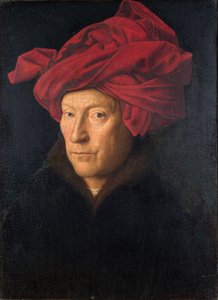
იან ვან ეიკი
1390 - 1441 , ნიდერლანდები
მოკლე ფაქტები
- Artistic Movement Or Style: ადრეული ფლამანდური სკოლა
- Artists Or Movements Influenced By This Artist: ['ადრეული ფლამანდური მხატვრები']
- Date Of Birth: დაახლ. 1390 წელი
- Date Of Death: 1441 წელი
- Full Name: იან ვან ეიკი
- Nationality: ფლამანდიელი
- Notable Artworks:
- გენტის საკურთევლისი
- ჯოვანი არნოლფინის портრეტი
- დრეზდენის სამკვარი
- ლურჯ შუბთილოსანი კაცი
- Place Of Birth: მაასტრიხტი, ნიდერლანდები
მსგავსი სტატიები

Early Netherlandish Renaissance: A Professional Guide to Mastering Detail and Realism for Luxury Interior Design
Expert guide for hotel designers on sourcing Early Netherlandish Renaissance reproductions. Discover how the hyper-realism of Jan van Eyck can elevate hospitality interiors through high-quality, large-scale oil paintings and custom multi-panel installations.


