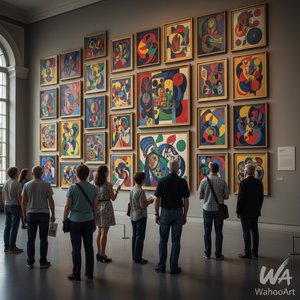
1973. აკვარელი, 200.0 x 200.0 cm. ჟოან მიროს ფონდი.

§ 1კატალოგის ინფორმაცია

- 200.0 x 200.0 cm


ეს ნაწარმოები დაცულია საავტორო უფლებებით
ამ გვერდზე წარმოდგენილი ნამუშევარი დაცულია საავტორო უფლების შესახებ კანონმდებლობით, რაც იმას ნიშნავს, რომ ჩვენ არ გვაქვს მისი იდენტური რეპროდუქციის შექმნის ან გაყიდვის სამართლებრივი უფლება. აღნიშნული დაცვა უზრუნველყოფილია ისეთი საერთაშორისო შეთანხმებებით, როგორიცაა ბერნის კონვენცია და ეროვნული კანონმდებლობით, მათ შორის იმ კანონებით, რომლებიც დეტალურად არის გაწერილი აშშ-ის საავტორო უფლების შესახებ კანონი - თავი 17.
როგორც პატივისცემით სავსე და კანონიერი ალტერნატივა, ჩვენ გთავაზობთ ორიგინალით შთაგონებულ, ინდივიდუალურ, ხელით შესრულებულ ნამუშევრებს. ჩვენი ოსტატ და პროფესიონალი ხელოვანები საგულდაგულოდ სწავლობენ ორიგინალის სტილს, განწყობასა და მხატვრულ არსს, რათა შექმნან ახალი, უნიკალური ნამუშევარი, რომელიც იგივე ემოციას აღძრავს და, ამავდროულად, თავად წარმოადგენს დამოუკიდებელ, ორიგინალურ შემოქმედებას.
ეს მეთოდი სრულად შეესაბამება საავტორო უფლებების რეგულაციებს, რადგან ის არ გულისხმობს დაცული ნამუშევრის კოპირებას ან დუბლირებას. ამგვარად, ეს წარმოადგენს შემოქმედებით რეინტერპრეტაციას — ახალ ნახატს, რომელიც შთაგონებითაა განპირობებული ორიგინალით, თუმცა არ არის მის იდენტურ ასლს.
 გაეცანით მეტს
§ 2აბსტრაქტული
კოლექციონირებადი ნივთის აღწერა
აღმოაჩინეთ ჯოან მიროსის „მაისი 1968“! დინამიკური აბსტრაქტული ექსპრესიონისტული ნამუშევარი მკვეთრი ფერებითა და ექსპრესიული შავი ხაზებით. აღმოაჩინეთ მისი ქაოსური ენერგია და უნიკალური სტილი – მომხიბვლელი ნამუშევარი ხელოვნების მოყვარულთათვის.
მხატვრის ბიოგრაფია
"მსხვილო ნაწილი მ ი რ ო ს უ რ ა ლ დ ს კ ი მ ა ს ტ ე რ ს და ს უ რ ა ლ ვ დ ს კ ი მ ა ს ტ ე რ ს ბ ა ს მ ა ს ტ ე რ ს მ ა ს ტ ე რ ს მ ა ს ტ ე რ ს მ ა ს ტ ე რ ს მ ა ს ტ ე რ ს მ ა ს ტ ე რ ს მ ა ს ტ ე რ ს და ს უ რ ა ლ ვ დ ს კ ი მ ა ს ტ ე რ ს ბ ა ს მ ა ს ტ ე რ ს მ ა ს ტ ე რ ს მ ა ს ტ ე რ ს მ ა ს ტ ე რ ს მ ა ს ტ ე რ ს მ ა ს ტ ე რ ს მ ა ს ტ ე რ ს და ს უ რ ა ლ ვ დ ს კ ი მ ა ს ტ ე რ ს ბ ა ს მ ა ს ტ ე რ ს მ ა ს
§ 3კომენტარი
A Symphony of Unrest: The Visceral Energy of Miró’s May 1968
To stand before Joan Miró’s May 1968 is to witness a canvas caught in the throes of a revolution. This monumental work, spanning an imposing 200 x 200 cm, is far more than a mere exercise in abstraction; it is a profound historical document captured through the lens of a master. Created during a period of intense creative and social upheaval between 1968 and 1973, the painting serves as a visceral response to the student protests and worker strikes that paralyzed France. Miró did not simply observe the chaos from afar; he inhaled its spirit, channeling the era’s profound anxieties, flickering hopes, and unyielding rebellious energy directly onto the surface of the canvas. The five-year gestation period of this piece suggests a sustained, rhythmic engagement with a changing world, as if the artist were waiting for the political tremors to settle into a permanent visual language.
The painting exists at a breathtaking intersection of Abstract Expressionism and Miró’s deeply rooted Surrealist sensibilities. While it eschews any traditional representational imagery, the work is saturated with meaning. It invites the viewer into a realm where pure form, color, and texture act as the primary conduits for emotional truth. There is no stable horizon here, only a flattened perspective that denies traditional depth, forcing the eye to dance across a surface defined by movement. The composition is masterfully chaotic, utilizing intersecting diagonal lines and overlapping organic shapes to create a sense of perpetual motion and instability. It is a landscape of the mind and the moment, where the boundaries between the internal psyche and external social reality begin to dissolve.
Technique and the Language of Color
Miró’s technical execution in May 1968 is nothing short of masterful, employing a layered approach that creates a striking visual tension. Using a sophisticated blend of watercolor and ink, the artist achieves a delicate interplay between ethereal, transparent washes and heavy, commanding strokes. The palette is a bold, contrasting dialogue of primary energies: vibrant yellows, deep reds, and piercing blues are frequently interrupted or even "crushed" by thick, impasto-like applications of black paint. These dark, gestural lines act as a network of energy, weaving through the composition like the very barricades and movements of the 1968 protests themselves. The artist’s hand is visible in every spontaneous drip and forceful mark, revealing a physical, almost athletic engagement with the medium.
For the discerning collector or interior designer, this piece offers an unparalleled opportunity to introduce a sense of dynamic life into a space. The way the thick black graphics interact with the lighter washes creates a profound sense of texture that changes under different lighting conditions. It is a work that demands attention, providing a sophisticated focal point that can anchor a room with its intense, non-objective power. Whether placed in a contemporary gallery setting or a curated residential collection, the painting’s ability to evoke both excitement and a contemplative sort of tension makes it a timeless addition to any high-end art collection.
Symbolism and Emotional Resonance
Beyond its formal brilliance, May 1968 resonates on a deeply symbolic level. The black forms, often appearing as heavy shadows or oppressive weights, can be interpreted as the encroaching forces of authority or the lingering darkness of social conflict. Conversely, the bright, erupting bursts of color represent the vitality, the "effervescence," and the unquenchable spirit of youth and rebellion. There is a palpable sense of struggle within the paint—a tug-of-war between order and chaos, between the weight of history and the lightness of hope. To engage with this work is to participate in an emotional outpouring that transcends its historical origins, offering a universal meditation on the beauty found within turbulence.
კითხვები და პასუხები
ცნობილია თუ არა სხვა სახელებით „მაისი 1968“-ის ავტორი, ჯოან მიროს?
„მაისი 1968“-ის ავტორის, ჯოან მიროს, სხვა 알려ებული სახელები მოიცავს: ჟოან მირო ი ფერრა.
რა ემოციურ განწყობას გადმოგვცემს ჯოან მიროს-ის „მაისი 1968“?
ჯოან მიროს-ის „მაისი 1968“ გადმოგვცემს ენერგიული ემოციურ ტონს.
არის თუ არა "მაისი 1968" ცნობილი ექსპრესიონიზმი მიმდევრობის ნამუშევარი?
ჯოან მიროს-ის „მაისი 1968“ არის საკულტო სიმბოლო დონის ნამუშევარი და მიეკუთვნება ექსპრესიონიზმი სტილს.


 ბეჭდვის რეჟიმზე გადართვა


 ნებისმიერი მხარისთვის 105 სმ-ზე (დაახლოებით 41 ინჩი) მეტი ზომის ხელოვნებული ნამუშევრების ან რეპროდუქციებისთვის, ჩარჩო მოგზავნდება დაშლილ კომპლექტში. ეს მეთოდი უზრუნველყოფს უსაფრთხო მიწოდებას და თავიდან აგაცილებთ ტრანსპორტირებისას შესაძლო დაზიანებას.