- მთავარი გვერდი

- ზეთის ტილოზე რეპროდუქცია
- ლორენს ალმა ტადემა
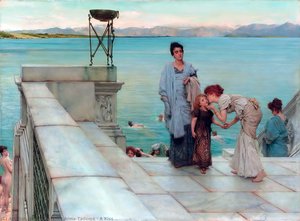
- Roman Art Lover

 ნაბეჭდის შეძენა გამოსახულების შეძენა
 გაგზავნა
 გაზიარება
 დეტალები
 დამატება ფავორიტებში

 ჩამოტვირთვა
 მსგავსები
 რენტგენოგრაფიული კვლევა
 სლაიდშოუ
Roman Art Lover


 გადასართად დაწვრილებით ნახეთ
ხელით ნაკვეთი ზეთის ტილოს რეპროდუქცია
ტილოზე შესრულებული ფერწერიანი ზეთប្រდათი, თქვენთვის სასურველი ზომისა და ჩარჩოსთვის, ჩვენი ხელოვანების მიერ შეკვეთის საფუძველზე დამზადებული.




P118B $10

P118H $10

P118W $10

P438Z $10

P508JH $12

P508YH $12

P805H $10

P805Z $10

P919BZ $10

P919G $10

P919XJ $10

P959ZH $10

P968JZ $12

W106C $8

W218G $10

W218JH $8

W218Y $10

W307PJ $10

W316G $10

W316PJ $8

W316Y $10

W398PJ $8

W4111J $10

W500HY $15

W500JH $15

W692G $12

W849H $8

W940BG $15

W953PJ $8




აირჩიეთ ჩვენს მიერ წინასწარ განსაზღვრული ზომებიდან, რომლებიც ნაწარმოების ორიგინალურ პროპორციებს შეესაბამება.

თქვენ შეგიძლიათ მიუთითოთ თქვენთვის სასურველი ზომები კონკრეტული ჩარჩოს ან სივრცის შესაბამისად. თუ თქვენ მიერ არჩეული ზომა არ შეესაბამება ორიგინალი გამოსახულების პროპორციებს, ჩვენ ან შევაჭრებთ ნაწარმოებს, ან ტილოზე დავამატებთ ხელით მოხატულ ელემენტებს. წარმოების დაწყებამდე, დამტკიცებისთვის გამოგეგზავნებათ ციფრული მაკეტი.
გთხოვთ, გაითვალისწინოთ, რომ ეკრანზე ნაჩვენები წინასწარი შეხედულება არ ასახავს რეალურ შეჭრას ან გაფართოებას. საბოლოო კომპოზიციას ზუსტად მხოლოდ მაკეტი წარმოაჩენს.
მიუხედავად იმისა, რომ შესაძლებელია ინდივიდუალური ზომების შერჩევა, ორიგინალური პროპორციების შენარჩუნებისათვის გირჩევთ, გამოიყენოთ წინასწარ განსაზღვრული სიის ზომები.
შეკვეთის შემდეგ, AllPaintingsStore.com გუნდი დაგიკავშირდებათ ელექტრონული ფოსტით ინსტრუქციებისთვის და გამოგიგზავნით წინასწარ ნახაზს (mockup).
მიწოდება მსოფლიო მასშტაბით -ში 3/4 კვირაში, სტანდარტული 5 კვირის ნაცვლად. (16 ივლისი). ხარისხზე კომპრომისის გაკეთება არ მოხდება.

უფასო ექსპრეს მიწოდება მთელ მსოფლიოში

საბამად მაღალი ხარისხის ტილო

სრული ტრანსპორტირების დაზღვევა

საბაჟო გადასახადების დაბრუნების გარანტია

ფერების სრული შესაბამისობის გარანტია

60-დღიანი დაბრუნების პოლიტიკა (მხოლოდ დეფექტის შემთხვევაში)

100% თანხის დაბრუნების გარანტია

ფასდაკლება დიდი რაოდენობით შეკვეთისას
 მინის ჩარჩოს არჩევანი ხელმისაწვდომია მხოლოდ 110 სმ-ზე ნაკლები ზომისთვის

Roman Art Lover
რეკლამაციის ტექნიკა
რეკლამაციის ზომა
-


საბოლოო ფასი
-
ნაწარმოების აღწერა
A Roman Art Lover: An Exploration of Victorian Romanticism
“A Roman Art Lover,” painted in 1868 by Sir Lawrence Alma-Tadema, stands as a testament to the Victorian fascination with classical antiquity and its influence on artistic sensibilities. More than just a depiction of a leisurely meal amongst wealthy Romans—though exquisitely rendered—the painting delves into deeper themes of social aspiration, refined taste, and the idealized vision of beauty prevalent during the era.
Alma-Tadema’s Romantic style distinguishes itself from its predecessors through meticulous realism combined with an emotional core. Unlike Impressionists who sought to capture fleeting moments of light and color, Tadema meticulously recreated a scene steeped in atmosphere—a dining room bathed in soft candlelight—focusing on capturing textures and details with remarkable precision. The artist employed oil paints on canvas, utilizing glazing techniques to achieve luminous surfaces and subtle tonal variations that convey the warmth of the hearth and the intimacy of conversation.
The composition itself is carefully orchestrated. Three statues dominate the space – a muscular torso representing strength and nobility—a serene female figure embodying grace and contemplation—and a classical sculpture hinting at intellectual pursuits. These sculptures aren’t merely decorative elements; they serve as visual anchors, grounding the scene in the grandeur of Greco-Roman art history. Beside the table are vases filled with flowers—lilacs and roses—symbols of beauty, remembrance, and springtime—further enriching the aesthetic experience.
Beyond its formal qualities, “A Roman Art Lover” resonates emotionally with viewers. The figures at the table engage in animated discussion, conveying a sense of camaraderie and shared enjoyment. Their postures are relaxed yet dignified, reflecting Victorian ideals of composure and refinement. Alma-Tadema’s masterful brushwork captures not only the visual appearance of the scene but also its underlying mood—a celebration of civilized life and an homage to the enduring legacy of classical culture.
This artwork is particularly noteworthy for its contribution to interior design trends. Its serene palette, combined with the sculptural elements, evokes a sense of timeless elegance that aligns perfectly with contemporary tastes seeking inspiration from historical masterpieces. Reproductions of “A Roman Art Lover” offer collectors and decorators alike an opportunity to bring a touch of Victorian Romanticism into their homes—a visual reminder of beauty, intellect, and the enduring power of artistic tradition.
დაკავშირებული ნამუშევრები


მხატვრის ბიოგრაფია
Early Life and Artistic Training
Lourens Alma Tadema, later Lawrence Alma Tadema, was born in Dronryp, Friesland, Netherlands, on January 8, 1836. His father, Pieter Jiltes Tadema, a village notary, had three sons by his first marriage, and his mother, Hinke Dirks Brouwer, was the half sister of Pieter’s first wife. The Tadema family moved to Leeuwarden in 1838 where Pieter's position as a notary would be more lucrative. His father died when Laurens was four, leaving his mother with five children: Laurens, his sister, and three boys from his father’s first marriage. Hinke Brouwer had artistic leanings, and decided that drawing lessons should be incorporated into the children’s education. He received his first art training with a local drawing master hired to teach his older half-brothers. It was intended that Laurens would become a lawyer; but in 1851 he suffered a physical and mental breakdown. Diagnosed as consumptive; given only a short time to live, he was allowed to spend his remaining days at his leisure, drawing and painting. Left to his own devices he regained his health and decided to pursue a career as an artist. In 1852 he entered The Royal Academy of Antwerp where he studied early Dutch and Flemish masters, alongside absorbing the meticulous detail demanded by historical accuracy. During Laurens’ four years as a registered student at the Academy, he won several respectable awards. Before leaving school, towards the end of 1855, he became assistant to the painter Louis Jan de Taeye, whose courses in history and historical costume he had greatly enjoyed at the Academy. De Taeye introduced him to books that influenced his desire to portray Merovingian subjects early in his career. He was encouraged to depict historic accuracy in his paintings, a trait for which the artist became known. Laurens Tadema took this criticism very seriously, and it led him to improve his technique and to become the world’s foremost painter of marble and variegated granite.Exploring Antiquity: Merovingian Mysteries and Egyptian Visions
Laurens Alma Tadema's artistic trajectory began with explorations of Merovingian themes—the Frankish dynasty that ruled after the fall of the Western Roman Empire. These early works, though demonstrating his burgeoning talent for historical detail and narrative composition, didn’t achieve the widespread acclaim he would later find. He was encouraged to depict historic accuracy in his paintings, a trait for which the artist became known. However Merovingian subjects did not have a wide international appeal, so he switched to themes of life in ancient Egypt, then to the classical world of Greece and Rome. This transition wasn't arbitrary; it reflected a growing public appetite for romanticized visions of antiquity, fueled by archaeological discoveries and a Victorian fascination with moral lessons drawn from the past. He was encouraged to depict historic accuracy in his paintings, a trait for which the artist became known. His meticulous attention to detail and ability to create atmosphere—a hallmark of his style—was driven by an unwavering commitment to capturing the essence of bygone eras.The Architect of Atmosphere: Detail and Light
What truly distinguished Alma Tadema from his contemporaries was his unparalleled mastery of light and texture. He wasn’t merely recreating scenes from history; he was striving to evoke emotion, transporting viewers into immersive environments that mirrored the grandeur and serenity of ancient civilizations. This remarkable skill stemmed from an obsessive dedication to observation—a habit honed during his formative years and sustained throughout his prolific artistic career. Tadema meticulously researched architectural designs, furniture arrangements, and costume styles, ensuring that every element within his canvases adhered rigorously to historical standards. Yet, beyond mere factual correctness lay a profound understanding of how light interacted with materials—marble gleaming under the Tuscan sun, mosaics shimmering with iridescent hues, candlelight casting flickering shadows across Roman frescoes. He achieved this luminous effect through painstaking layering of glazes and pigments, painstakingly blending colors to create subtle gradations that conveyed depth and realism.Victorian Fame and Legacy
Alma Tadema ascended to international renown during his lifetime—receiving knighthood in 1899 from Queen Victoria—solidifying his position as a titan of Victorian art. Despite the stylistic shifts of subsequent decades favoring modernist aesthetics, Tadema’s enduring influence persisted, inspiring artists who sought to emulate his meticulous realism and atmospheric grandeur. His canvases continue to captivate audiences today, serving as tangible reminders of a bygone era—a testament to his artistic genius and an indelible mark on the history of classical representation. He wasn't just an artist; he was a cultural icon—creating a visual language that transcends time and continues to resonate with viewers across generations.
ლორენს ალმა ტადემა
1836 - 1912 , ნიდერლანდი
მოკლე ინფორმაცია
- Artistic Movement Or Style: ვიქტორიანული მხატვრობა
- Artists Or Movements Influenced By This Artist: ['რომანტიკური']
- Artists Who Influenced This Artist: ['ლუი სიან დე ტაიე']
- Date Of Birth: იანვარი 8, 1836
- Date Of Death: ივნისი 25, 1912
- Full Name: Lourens Alma Tadema
- Nationality: ჰოლ란드ელი
- Notable Artworks:
- მისი სხეპის კოზიგ ვანტაჟე
- მისი სიცნოება არ გადმოეცით
- Place Of Birth: დრონრიპ, ნიდեռლანდები
დაკავშირებული სტატიები

Theatricality & Triumph: Baroque Drama in Painting & Sculpture
Explore the dramatic world of Baroque art! Discover its history, defining characteristics, & lasting influence on painting & sculpture. Expert insights into Caravaggio, Zurbarán, and Bernini – plus high-quality reproductions at AllPaintingsStore.

Echoes of Antiquity: Exploring Themes & Techniques in Classical Art Masterpieces
Explore the timeless beauty & profound themes of Classical art! Discover Greek & Roman masterpieces, Neoclassical revivals, and the enduring influence on artistic movements. Expert insights & high-quality reproductions at AllPaintingsStore.
The Eloquent Body: A Historical & Artistic Exploration of Figures in Painting & Sculpture
Explore the rich history of figure painting & sculpture! Discover classical masterpieces, modern interpretations, and expert insights for art lovers & collectors. AllPaintingsStore offers museum-quality reproductions.

Anthony De Francisci: A Sculptural Synthesis of Classical Tradition & American Modernism
Explore the life & art of Anthony de Francisci, master sculptor of the Peace Dollar & exquisite medals. Discover his classical influences and enduring legacy – a must-read for collectors.

The Enduring Legacy of Classicism: Principles, Evolution & Influence in Western Art
Explore the enduring legacy of Classicism in Western art! Discover its historical context, key principles, iconic masterpieces & lasting influence. Learn about Renaissance and Neoclassical movements with AllPaintingsStore.