


 ნახვა ინტერьерში
 გაგზავნა
 გაზიარება
 დეტალები
 გზამკვლევი

 ჩამოტვირთვა
 მსგავსები
 რენტგენოგრაფიული კვლევა
 სლაიდშოუ
 სტატისტიკა
Self-Portrait
 Drawing
- WallArt
- Expressionism
 1923
1923 47.0 x 53.0 cm
 კუნსტჰალე ბრემენი
 სრული ტექსტის ნახვა
შეიძინეთ მაღალი რეზოლუციის, გაუმჯობესებული ციფრული გამოსახულება, რომელიც ხარისხით ბევრად აღემატება ონლაინ წინასწარ ნახვას.
თითოეულ ფაილს ჩვენი შიდა სპეციალისტები საგულდაგულოდ ამზადებენ თანამედროვე ინსტრუმენტებისა და პროფესიონალური რეტუშირების გამოყენებით. ჩვენ უზრუნველყოფთ, რომ თითოეულ გამოსახულებას ჰქონდეს გამორჩეული სიცხადე, ფერების ზუსტი გადაცემა და დეტალიზაცია.
დასრულებული ფაილი ელექტრონული ფოსტით 72 საათში გიგზავნით; იგი ოპტიმიზებულია პროფესიონალური, რედაქციული და პოლიგრაფიული გამოყენებისთვის. ეს არის ისეთივე ხარისხი, რომელსაც წამყვანი დიზაინ-სტუდიები, გამომცემლობები და გალერეები ენდობიან.
ციფრული გამოსახულება
ჩამოტვირთეთ მაღალი გარჩევადობის ფაილი პირადი გამოყენებისთვის, დასაბეჭდად და შემოქმედებითი პროექტებისთვის. ( გადართვა ბეჭდვის რეჟიმზე შეიძინეთ ხელით შესრულებული ნახატი)
ყოველ ციფრულ გამოსახულების შეკვეთაში შედის
გარანტირებული პროფესიონალური ციფრული მიწოდება
როდესაც ირჩევთ AllPaintingsStore.com-ს, თქვენ მხოლოდ სურათს კი არ იღებთ, არამედ იღებთ პროფესიონალურად დამუშავებულ ციფრულ ნამუშევარს, რომელიც შექმნილია უზადო სიზუსტით და დაცულია კმაყოფილების გარანტიით. თქვენს შეკვეთას ავტომატურად მოჰყვება შემდეგი:

სწრაფი ელექტრონული მიწოდება
თქვენს მაღალი რეზოლუციის ციფრულ გამოსახულებას შეკვეთის დაწყებიდან 72 საათში ელექტრონული ფოსტით მიიღებთ — ის მზად იქნება დაუყოვნებლივი გამოყენებისთვის.

ხელოვნური ინტელექტით გაუმჯობესებული ციფრული ფაილი
თქვენი ხელოვნების ნიმუშები პროფესიონალურად არის ოპტიმიზებული მოწინავე AI ინსტრუმენტებისა და მექანიკური რედაქტირების მეშვეობით, რაც უზრუნველყოფს მაქსიმალურ დეტალიზაციას, სიცხადესა და ფერების სიზუსტეს.

ციფრული გამოსახულებების უფასო სამუდამო ხელახალი მიღება
ფაილი შემთხვევით წაიშალა ან დაკარგეთ? ნუបედავთ — ჩვენ მას ნებისმიერ დროს, უფასოდ ხელახლა გამოგეგზავნით.

იმპორტის გადასახადების გარეშე — ყოველთვის
ჭიდად ისიამოვნეთ თქვენი ნამუშევრით მყისიერად, საბაჟო გადასახადის, მოსაკრებლის ან მიწოდების ხარჯის გარეშე - ციფრული ჩამტვირთვისას ყოველთვის საგადასახადო თავისუფლებაა.

ფერების სიზუსტის გარანტია
პროფესიონალური ინსტრუმენტებისა და ფერების მართვის სისტემის გამოყენებით, ჩვენ უზრუნველყოფთ, რომ თქვენი ციფრული გამოსახულება მაქსიმალურად ზუსტად ასახავდეს ორიგინალურ ფერებს.

კმაყოფილების 100-დღიანი გარანტია
თუ თქვენ არ დაკმაყოფილებული ხართ თქვენი ციფრული გამოსახულებით, ჩვენ შევიტანთ მასში ცვლილებებს ან დაგიბრუნებთ 100% თანხას 100 დღის განმავლობაში — ყოველგვარი კითხვის დასმევის გარეშე.

100% თანხის დაბრუნების გარანტია
არ არის კმაყოფილი? მიიღეთ თანხის სრული დაბრუნება ციფრული ფაილის მიღებიდან 100 დღის განმავლობაში — ყოველგვარი დამატებითი კითხვების გარეშე.

ფასდაკლება დიდი რაოდენობით შეკვეთაზე
შეიძინეთ 3 გამოსახულება და მიიღეთ 10% ფასდაკლება - შეიძინეთ 5 და მიიღეთ 15% ფასდაკლება - შეიძინეთ 10+-ზე და მიიღეთ 20% ფასდაკლება. იდეალურია კრეატიული პროექტებისთვის, გალერეებისა და სააგენტოებისთვის.
A Glimpse into the Artist's Soul: Lovis Corinth's Self-Portrait
To stand before a self-portrait by an artist of Lovis Corinth’s caliber is not merely to observe a likeness; it is to encounter a direct, unfiltered conversation with the creative spirit itself. This 1923 depiction captures the master at a moment of profound introspection. The subject gazes out from the canvas, framed by the subtle weight of his glasses and the defining sweep of his mustache—details that anchor the viewer in a specific, tangible reality. Corinth, forever navigating the rich currents between Impressionism's luminous observation and Expressionism's raw emotional outcry, offers us here a portrait steeped in both technical mastery and personal vulnerability.
The Synthesis of Style: Bridging Eras on Canvas
Corinth’s artistic journey was one of magnificent evolution. Having absorbed the naturalistic light studies of Impressionism during his formative years in Paris and Munich, he later found himself drawn into the more visceral, emotionally charged landscape of Expressionism. This Self-Portrait serves as a beautiful testament to that synthesis. While the rendering retains a certain observational clarity—a nod to the masters who preceded him—the underlying energy pulses with an expressive intensity. The technique, described as a drawing, suggests immediacy; it feels less like a carefully constructed facade and more like a thought captured before it could dissipate into memory.
Historical Echoes and Emotional Resonance
Created in 1923, this work emerges from a period of immense cultural upheaval. Corinth himself navigated the profound personal shifts that marked his life, including the devastating stroke he suffered. This context imbues the portrait with an added layer of poignant depth. The self-examination visible here transcends mere vanity; it speaks to resilience, to the enduring human need to document one's own existence against the backdrop of a changing world. For the collector or designer, this piece offers more than decoration; it provides a focal point for contemplation—a quiet monument to artistic endurance.
Bringing Corinth Home: Owning a Piece of History
Acquiring a reproduction of this Self-Portrait allows you to integrate a significant piece of art historical dialogue into your own space. The subtle nuances in the line work, the thoughtful gaze, and the palpable sense of history contained within the original make it an unparalleled statement piece. Whether placed in a study where deep thought is encouraged or a gallery wall meant to evoke intellectual depth, this artwork invites viewers to pause, look closer, and engage with the complex interplay between the artist's vision and his own enduring self.
კითხვები და პასუხები
როდის შეიქმნა "Self-Portrait" და რომელ მიმდევრობას მიეკუთვნება იგი?
"Self-Portrait" შეიქმნა 1923 წელს, როგორც Expressionism მიმდევრობის ნამუშევარი. თარიღი და სტილისტიკური მიმდევრობა ამ ხელოვნების ნიმუშს ხელოვნების ისტორიაში განსაზღვრულ ადგილს ანიჭებს.
თარიღის გათვალისწინებით, ლოველ კორინთი-ის შემოქმედების რომელ ეტაპს მიეკუთვნება „Self-Portrait“?
"Self-Portrait", რომელიც 1923-ში შეიქმნა, ლოველ კორინთი-ის შემოქმედებითი კარიერის Late Period პერიოდს განეკუთვნება."
რა განწყობას შემოიტანს "Self-Portrait" სივრცეში?
თავისი Classic განწყობით, „Self-Portrait“ რეკომენდებულია Lounge-ისთვის.
მსგავსი ნამუშევრები


მხატვრის ბიოგრაფია
A Life Forged in Paint: The World of Lovis Corinth
Lovis Corinth, born Franz Heinrich Louis on July 21, 1858, in the Prussian province of East Prussia, was a figure who embodied the tumultuous transition from the 19th to the early 20th-century art world. His journey wasn’t one of immediate acclaim but rather a gradual evolution fueled by relentless study, diverse influences, and ultimately, personal tragedy. Corinth's beginnings were rooted in the rural landscapes of his birthplace, Tapiau, where his father worked as a tanner. This early exposure to the physicality of labor and the raw beauty of nature would subtly permeate his later work, even amidst more sophisticated stylistic explorations. He initially pursued studies at the Academy of Königsberg in 1876, but quickly realized that academic tradition alone wouldn’t satisfy his artistic ambitions. A period of travel followed, taking him to Munich, Antwerp, and finally Paris – each city serving as a crucial stepping stone in his development. In Munich, he absorbed the meticulous realism championed by Ludwig von Löfftz, honing his observational skills and mastering technique. Antwerp introduced him to the dramatic Baroque intensity of Rubens, while Paris exposed him to the burgeoning Impressionist movement, though his initial response was one of cautious observation rather than immediate embrace. He wasn’t interested in idealized beauty or sentimental narratives; instead, Corinth sought to capture the essence of human experience—the joys and sorrows, triumphs and defeats—with unflinching honesty. This commitment to portraying life as it truly is—warts and all—would become a hallmark of his artistic vision throughout his career. His early paintings often depicted scenes from rural life with remarkable detail and sensitivity, reflecting the influence of Barbizon painters like Jean-François Millet. However, Corinth quickly moved beyond mere imitation, developing a distinctive style that blended Impressionistic vibrancy with a distinctly German sensibility. He recognized the power of color to convey emotion and psychological depth—a principle he would champion throughout his artistic life.From Naturalism to a Synthesis of Styles
Corinth’s artistic development wasn't marked by swift revolutions but by a gradual assimilation and synthesis of diverse influences. His early work leaned heavily towards naturalism, reflecting the prevailing academic standards of the time. Paintings like “In the Slaughterhouse” (1878), with its unflinching depiction of animal carcasses, demonstrate this commitment to realistic representation, yet even here, a nascent emotional intensity begins to surface. The subject matter itself—gruesome and visceral—hints at a willingness to confront uncomfortable truths, a characteristic that would become increasingly prominent in his later work. He studied the works of Gustave Courbet and Jean-Auguste Dominique Ingres alongside Rubens and Rembrandt, absorbing their techniques and stylistic approaches. This intellectual curiosity fueled his artistic experimentation and ensured that he remained attuned to the evolving currents of art history. Corinth’s exploration of Impressionism—particularly Monet and Renoir—was initially hesitant; he wasn't convinced by the fleeting effects of light and color alone. However, he soon realized that these elements could be harnessed to express profound emotional states—a breakthrough that fundamentally altered his artistic trajectory.A Master of Portraiture and Landscape
Corinth’s oeuvre is characterized by two dominant genres: portraiture and landscape painting. He possessed an extraordinary ability to capture the inner life of his subjects, conveying their personality and emotions with remarkable subtlety and nuance. His portraits weren't merely reproductions of physical likeness; they were attempts to penetrate the psychological depths of his sitters—to reveal their innermost thoughts and feelings through expressive gestures, nuanced facial expressions, and carefully considered compositions. He approached each portrait with meticulous attention to detail, striving for an uncanny sense of realism that went beyond mere visual accuracy. Similarly, Corinth’s landscapes weren't simply depictions of scenic vistas; they were emotional responses to nature—manifestations of his own spiritual sensibility. He found inspiration in the Bavarian Alps, particularly the Walchensee region, where he created a series of paintings that captured the dramatic beauty and untamed energy of the landscape. These canvases pulsate with color and movement, conveying a sense of immediacy and visceral experience—a testament to Corinth’s unwavering devotion to his craft.Tragedy, Resilience, and Lasting Legacy
A pivotal moment in Corinth’s life – and arguably in his artistic development – was a stroke he suffered in December 1911. The paralysis it caused on his left side threatened to end his career altogether. However, with unwavering determination and the support of his wife, Charlotte Berend-Corinth, he relearned to paint, adapting to his physical limitations and developing an even more expressive style. This period marked a turning point in his work, as his paintings became increasingly bold, gestural, and emotionally charged. The experience of confronting mortality and physical vulnerability infused his art with a new sense of urgency and authenticity. He embraced a looser brushstroke and intensified color palette, anticipating many of the stylistic innovations that would define Expressionism—a movement he championed alongside fellow artists Ernst Ludwig Kirchner and Erich Heckel. Corinth’s influence extended beyond his own painting; he was also a respected teacher and writer on art, publishing essays such as “On Learning to Paint” in 1908, offering insights into his artistic philosophy and technical approach. He served as president of the Berlin Secession from 1915 until his death in 1925, fostering a vibrant creative community and advocating for progressive artistic ideals. Lovis Corinth’s legacy lies not only in his remarkable body of work but also in his unwavering commitment to artistic integrity and his ability to transform personal tragedy into profound artistic expression—a testament to the enduring power of art to illuminate the human condition.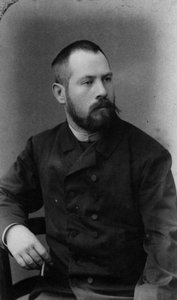
ლოველ კორინთი
1858 - 1925 , ნიდერლანდები
მოკლე მიმოხილვა
- Artistic Movement Or Style: იმპრეს আয়নის და არჩევ ს იზ მ ის მ ს კ მ ო ვ ტ მ ა ნ ტ ბ მ ა ს კ მ ო ვ ტ მ ა ს კ
- Artists Or Movements Influenced By This Artist: ['არჩევ ს იზ მ ს კ მ ო ვ ტ მ ა ს კ']
- Artists Who Influenced This Artist:
- კ ო რ ბ ე თ
- რ უ ბ ე ნ ს ს
- Date Of Birth: ივლისი 21, 1858
- Date Of Death: ივლისი 17, 1925
- Full Name: Franz Heinrich Louis Corinth
- Nationality: გერმანია
- Notable Artworks:
- ინ თ ს ლ ო დ ჟ ო ს ს კ ო ს კ ო ს კ ო ს კ
- ს ე ლ ფ თ ო რ ო პ ტი დ ს კ ო ს კ ო ს კ ო ს კ ო ს კ
- ფ ე მ ა ლ ე ს ს ე მ ი ნ ო დ ე ს მ ო ვ ტ ო ს კ ო ს კ ო ს კ ო ს კ ო ს კ
- Place Of Birth: ტაუვადა, ნიდერლანდები

