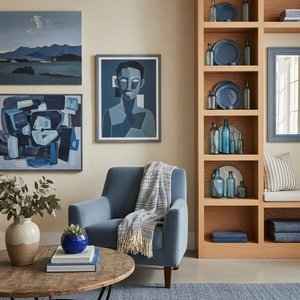
1961. , 23.0 x 31.0 cm.

§ 1Catalogue data

- 23.0 x 31.0 cm


ეს ნაწარმოები დაცულია საავტორო უფლებებით
ამ გვერდზე წარმოდგენილი ნამუშევარი დაცულია საავტორო უფლების შესახებ კანონმდებლობით, რაც იმას ნიშნავს, რომ ჩვენ არ გვაქვს მისი იდენტური რეპროდუქციის შექმნის ან გაყიდვის სამართლებრივი უფლება. აღნიშნული დაცვა უზრუნველყოფილია ისეთი საერთაშორისო შეთანხმებებით, როგორიცაა ბერნის კონვენცია და ეროვნული კანონმდებლობით, მათ შორის იმ კანონებით, რომლებიც დეტალურად არის გაწერილი აშშ-ის საავტორო უფლების შესახებ კანონი - თავი 17.
როგორც პატივისცემით სავსე და კანონიერი ალტერნატივა, ჩვენ გთავაზობთ ორიგინალით შთაგონებულ, ინდივიდუალურ, ხელით შესრულებულ ნამუშევრებს. ჩვენი ოსტატ და პროფესიონალი ხელოვანები საგულდაგულოდ სწავლობენ ორიგინალის სტილს, განწყობასა და მხატვრულ არსს, რათა შექმნან ახალი, უნიკალური ნამუშევარი, რომელიც იგივე ემოციას აღძრავს და, ამავდროულად, თავად წარმოადგენს დამოუკიდებელ, ორიგინალურ შემოქმედებას.
ეს მეთოდი სრულად შეესაბამება საავტორო უფლებების რეგულაციებს, რადგან ის არ გულისხმობს დაცული ნამუშევრის კოპირებას ან დუბლირებას. ამგვარად, ეს წარმოადგენს შემოქმედებით რეინტერპრეტაციას — ახალ ნახატს, რომელიც შთაგონებითაა განპირობებული ორიგინალით, თუმცა არ არის მის იდენტურ ასლს.
 გაეცანით მეტს
§ 2Abstract
კოლექციონირებადი ნივთის აღწერა
Dive into Chagall’s surreal Paradise (9), a mesmerizing depiction of floating figures and vibrant birds against a dreamy blue backdrop—a testament to his distinctive style and the golden age of art deco.
მხატვრის ბიოგრაფია
მარკ შაგალი (1887-1985) – რუსულ-ებრაელი მხატვერი, რომელმაც შექმნა განსხვავებული, ფანტაზიური სამყარო. ცნობილია "მე და სოფელი" და სხვა შედევრებით, რომლებიც სიმბოლურზმისა და ებრაული კულტურის ელემენტებს აერთიანებენ.
§ 3Commentary
A Symphony of Dreams: Exploring Marc Chagall’s Paradise (9)
The painting “Paradise” (9), created by the celebrated Belarusian-born artist Marc Chagall in 1961, transcends mere representation; it embodies a profound exploration of memory, faith, and the boundless realm of imagination. More than just a visual spectacle, this artwork speaks to the viewer on an emotional level, inviting contemplation about universal themes of innocence, longing, and spiritual aspiration.- Subject Matter: Chagall’s vision centers around a fantastical depiction of paradise—a vibrant tableau populated by figures engaged in joyous activity amidst swirling blues and yellows. The scene evokes biblical imagery, specifically referencing the Garden of Eden, yet Chagall reimagines it through his distinctive lens of surrealism.
- Style: Chagall’s signature style is instantly recognizable for its dreamlike quality and lyrical distortion. He employs flattened perspectives, exaggerated proportions, and fantastical imagery—elements that prioritize emotional expression over strict realism. This stylistic choice aligns perfectly with the broader movement of Surrealism, which sought to liberate art from rational constraints.
Technique: Color as Emotion
Chagall’s masterful use of color is central to conveying the painting's emotive power. He predominantly utilizes shades of blue—ranging from cerulean to indigo—to establish a serene yet restless atmosphere. These blues are juxtaposed with bursts of yellow and orange, symbolizing warmth, optimism, and divine illumination. The artist achieves remarkable luminosity through layering thin washes of pigment, creating an ethereal effect that captures the fleeting beauty of recollection. Furthermore, Chagall’s technique incorporates elements of folk art—particularly Belarusian traditions—evident in simplified forms and bold outlines.- Material: The painting is executed on canvas using oil paints, a medium favored by Chagall for its ability to produce rich colors and textural nuances.
- Brushwork: Chagall’s brushstrokes are loose and expressive, conveying movement and spontaneity. They contribute significantly to the overall dreamlike quality of the artwork.
Historical Context & Symbolism
“Paradise” (9) emerged during a period marked by significant artistic experimentation and intellectual ferment—the height of Surrealist influence. Chagall’s work reflects the anxieties and aspirations of his time, grappling with themes of displacement, faith, and the enduring power of childhood memories. Recurring motifs within the painting – including flying figures representing spiritual ascension, birds symbolizing freedom and hope, and a dog embodying loyalty – are laden with symbolic significance rooted in Jewish folklore and Chagall’s personal experiences. The depiction of multiple individuals engaged in communal celebration underscores the importance of community and tradition.Emotional Impact & Artistic Legacy
Ultimately, “Paradise” (9) succeeds in transporting the viewer to a realm beyond rational comprehension—a space where dreams intertwine with reality and emotion reigns supreme. Chagall’s ability to capture the essence of human experience through stylized imagery has cemented his place as one of the most influential artists of the 20th century. This artwork continues to resonate with audiences today, serving as an enduring testament to the transformative potential of art and its capacity to evoke profound feelings of wonder and nostalgia.კითხვები და პასუხები
რა თემები არის გამოსახული ნამუშევარში მარკ შაგალი-ის „Paradise (9)“?
მარკ შაგალი-ის „Paradise (9)“-ში წარმოდგენილი თემები მოიცავს fantasy landscape, biblical imagery, flying figures, jewish folklore, dreamlike atmosphere, colorful birds, symbolic composition-ს. ისინი ერთობლიობაში შეჯამებენ ნამუშევრის შინაარსს.
სად შემიძლია მარკ შაგალი-ის „Paradise (9)“-ის გადმოწერა?
მარკ შაგალი-ის „Paradise (9)“ სურათის ჩამოტვირთვა შესაძლებელია ნამუშევრის ჩამოტვირთვა გვერდიდან: მაღალი გარჩევადობის ციფრული გამოსახულების ჩამოტვირთვა.
გამოიყენებს თუ არა მარკ შაგალი-ის „Paradise (9)“ მკვეთრ კონტრასტებს თუ რბილ ჰარმონიებს?
მარკ შაგალი-ის „Paradise (9)“-ის ფერული კომპოზიცია აერთიანებს Balanced კონტრასტს და Strong Color Unity ჰარმონიას.


 გადართვა ბეჭდვის რეჟიმზე


 ნებისმიერი მხარისთვის 105 სმ-ზე (დაახლოებით 41 ინჩი) მეტი ზომის ხელოვნებული ნამუშევრების ან რეპროდუქციებისთვის, ჩარჩო მოგზავნდება დაშლილ კომპლექტში. ეს მეთოდი უზრუნველყოფს უსაფრთხო მიწოდებას და თავიდან აგაცილებთ ტრანსპორტირებისას შესაძლო დაზიანებას.