

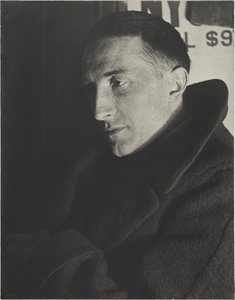
1910. Assemblage.

§ 1კატალოგის ინფორმაცია


ეს ნაწარმოები დაცულია საავტორო უფლებებით
ამ გვერდზე წარმოდგენილი ნამუშევარი დაცულია საავტორო უფლების შესახებ კანონმდებლობით, რაც იმას ნიშნავს, რომ ჩვენ არ გვაქვს მისი იდენტური რეპროდუქციის შექმნის ან გაყიდვის სამართლებრივი უფლება. აღნიშნული დაცვა უზრუნველყოფილია ისეთი საერთაშორისო შეთანხმებებით, როგორიცაა ბერნის კონვენცია და ეროვნული კანონმდებლობით, მათ შორის იმ კანონებით, რომლებიც დეტალურად არის გაწერილი აშშ-ის საავტორო უფლების შესახებ კანონი - თავი 17.
როგორც პატივისცემით სავსე და კანონიერი ალტერნატივა, ჩვენ გთავაზობთ ორიგინალით შთაგონებულ, ინდივიდუალურ, ხელით შესრულებულ ნამუშევრებს. ჩვენი ოსტატ და პროფესიონალი ხელოვანები საგულდაგულოდ სწავლობენ ორიგინალის სტილს, განწყობასა და მხატვრულ არსს, რათა შექმნან ახალი, უნიკალური ნამუშევარი, რომელიც იგივე ემოციას აღძრავს და, ამავდროულად, თავად წარმოადგენს დამოუკიდებელ, ორიგინალურ შემოქმედებას.
ეს მეთოდი სრულად შეესაბამება საავტორო უფლებების რეგულაციებს, რადგან ის არ გულისხმობს დაცული ნამუშევრის კოპირებას ან დუბლირებას. ამგვარად, ეს წარმოადგენს შემოქმედებით რეინტერპრეტაციას — ახალ ნახატს, რომელიც შთაგონებითაა განპირობებული ორიგინალით, თუმცა არ არის მის იდენტურ ასლს.
 გაიგეთ მეტი
§ 2აბსტრაქტული
კოლექციონირებადი ნივთის აღწერა
“Chauvel” was created in 1910 by Marcel Duchamp in Fauvism style. Find more prominent pieces of portrait at WikiArt.org – best visual art database. Marcel Duchamp, born Henri-Robert-Marcel Duchamp in 1887 in Blainville-Crevon, Normandy, was more than an artist; he was a philosophical provocateur who fundamentally altered the course of modern art.
მხატვრის ბიოგრაფია
მარსელ დიუშამპის რევოლუციური ხელოვნება: დადაიზმის ფუძემდებელი და "ფონტანის" ავტორი. მისი კონცეპტუალური ნამუშევრები ხელოვნების განწყობას უთარგმნიდა.
§ 3კომენტარი
A Visionary Defiance: The Soul of Chauvel
In the early twentieth century, a period defined by radical shifts in human perception, Marcel Duchamp unveiled "Chauvel," a work that would forever alter the trajectory of modern portraiture. This is not merely a likeness of Henri Chauvel, the French actor; it is a profound manifesto of rebellion captured on canvas. At first glance, the viewer is met with a striking presence—a man whose stern gaze and classic attire suggest a figure of historical weight. Yet, beneath this traditional veneer lies a deliberate subversion of expectation. Duchlam, ever the provocateur, uses the portrait to challenge the very boundaries of what we consider art, inviting us into a space where identity and abstraction collide.
The emotional resonance of the piece stems from its tension between the recognizable and the surreal. There is an undeniable gravity in Chauvel’s expression, a quiet intensity that commands respect, yet the atmosphere surrounding him vibrates with an almost electric energy. For the collector or the enthusiast of fine art, "Chauvel" offers more than just a visual subject; it provides a window into a moment of historical transition, where the old world of academic realism began to dissolve into the fragmented, emotive landscapes of the modern era.
The Vibrancy of Fauvist Expression
To understand the impact of "Chauvel," one must look toward the explosive color palette that defines its background. Duchamp embraced the Fauvist movement, a style characterized by its liberation from naturalistic color. Instead of the muted, somber tones typical of traditional portraiture, we encounter a symphony of fiery reds, intense yellows, and deep, soulful blues. These colors do not merely decorate the space; they pulsate with an autonomous life, creating a dramatic contrast against the subject's pale complexion.
This use of color serves a symbolic purpose far beyond mere aesthetics. By divorcing hue from reality, Duchamp asserts his artistic freedom, refusing to conform to the standard of visual accuracy. For interior designers seeking a centerpiece that breathes life into a room, this painting offers an unparalleled ability to anchor a space with warmth and drama. The interplay between the monochromatic classicism of the figure and the unrestrained chromatic energy of the background creates a sophisticated visual dialogue that remains as captivating today as it was in 1910.
Technique and the Birth of Modernity
The technical execution of "Chauvel" marks a pivotal departure from the singular brushstroke of the past. Duchamp experimented with an early form of assemblage, a technique that would later become a cornerstone of the Dadaist movement. By integrating photographic elements with meticulously crafted wooden panels and layers of varnish, he blurred the line between painting and objecthood. This approach was inherently revolutionary; it questioned the sanctity of the artist's hand and introduced the concept of the "found" element into the high art canon.
This layering of materials adds a tactile, multidimensional quality to the work, making a high-quality reproduction an exquisite addition to any curated collection. The way light interacts with the perceived depth of the composition allows the piece to transform depending on its environment, offering different nuances of shadow and brilliance throughout the day. "Chauvel" is not just a painting to be observed; it is an experience to be inhabited—a masterpiece of intellectual depth and aesthetic boldness that continues to inspire awe in all who encounter its defiant spirit.
კითხვები და პასუხები
რამდენად მკვეთრია ფერები ნამუშევარში მარსელ დიუშამპ-ის „Chauvel“?
მარსელ დიუშამპ-ის „Chauvel“-ში ფერებს Balanced ინტენსივობა აქვთ.
არსებობს თუ არა "Chauvel"-ის მსგავსი ნამუშევრები?
ნამუშევრებთან მსგავსი ნამუშევრები, როგორიცაა „Chauvel“, მოცემულია ამ ნამუშევრის მსგავსი ნამუშევრები გვერდზე.
რამდენად მკვეთრი კონტრასტი აქვს მარსელ დიუშამპ-ის „Chauvel“-ს?
მარსელ დიუშამპ-ის „Chauvel“-ის კონტრასტის დონე არის Bold.


 ბეჭდვის რეჟიმზე გადართვა


 ნებისმიერი მხარისთვის 105 სმ-ზე (დაახლოებით 41 ინჩი) მეტი ზომის ხელოვნებული ნამუშევრების ან რეპროდუქციებისთვის, ჩარჩო მოგზავნდება დაშლილ კომპლექტში. ეს მეთოდი უზრუნველყოფს უსაფრთხო მიწოდებას და თავიდან აგაცილებთ ტრანსპორტირებისას შესაძლო დაზიანებას.


