

1964. Acrylic, 236.0 x 193.0 cm.

§ 1Catalogue data
 Acrylic
- WallArt
- Abstract Expressionism
 1964
1964 236.0 x 193.0 cm
ეს ნაწარმოები დაცულია საავტორო უფლებებით
ამ გვერდზე წარმოდგენილი ნამუშევარი დაცულია საავტორო უფლების შესახებ კანონმდებლობით, რაც იმას ნიშნავს, რომ ჩვენ არ გვაქვს მისი იდენტური რეპროდუქციის შექმნის ან გაყიდვის სამართლებრივი უფლება. აღნიშნული დაცვა უზრუნველყოფილია ისეთი საერთაშორისო შეთანხმებებით, როგორიცაა ბერნის კონვენცია და ეროვნული კანონმდებლობით, მათ შორის იმ კანონებით, რომლებიც დეტალურად არის გაწერილი აშშ-ის საავტორო უფლების შესახებ კანონი - თავი 17.
როგორც პატივისცემით სავსე და კანონიერი ალტერნატივა, ჩვენ გთავაზობთ ორიგინალით შთაგონებულ, ინდივიდუალურ, ხელით შესრულებულ ნამუშევრებს. ჩვენი ოსტატ და პროფესიონალი ხელოვანები საგულდაგულოდ სწავლობენ ორიგინალის სტილს, განწყობასა და მხატვრულ არსს, რათა შექმნან ახალი, უნიკალური ნამუშევარი, რომელიც იგივე ემოციას აღძრავს და, ამავდროულად, თავად წარმოადგენს დამოუკიდებელ, ორიგინალურ შემოქმედებას.
ეს მეთოდი სრულად შეესაბამება საავტორო უფლებების რეგულაციებს, რადგან ის არ გულისხმობს დაცული ნამუშევრის კოპირებას ან დუბლირებას. ამგვარად, ეს წარმოადგენს შემოქმედებით რეინტერპრეტაციას — ახალ ნახატს, რომელიც შთაგონებითაა განპირობებული ორიგინალით, თუმცა არ არის მის იდენტურ ასლს.
 გაეცანით მეტს
§ 2Abstract
კოლექციონირებადი ნივთის აღწერა
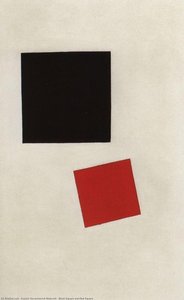
Experience Rothko’s monumental No. 6, a captivating exploration of color and form from the mid-century abstract expressionist movement. This striking brown square floats against a canvas backdrop, embodying profound contemplation and inviting viewers to immerse themselves in its timeless beauty.
მხატვრის ბიოგრაფია
მार्क როથკო არის ამერიკელი მოდგმული მხატვარი და ცნობილია თავისი ფერადი სქემური კათალინგიური სტილისთვის და აბსტრაქტური გამოხდა და მიმდინარე სகாდაში მოდგმული სტილი და მნიშვნელოვანი ისტორიული პიროვნება. მისი ძირითადი ნაწილი არის ფერადი სქემური კათალინგიური სტილისთვის და აბსტრაქტური გამოხდა და მიმდინარე სகாდაში მოდგმული სტილი და მნიშვნელოვანი ისტორიული პიროვნება.
§ 3Commentary
The Weight of Absence: Exploring Mark Rothko’s No. 6 (?)
Mark Rothko's "No. 6 (?)" stands as a cornerstone of Abstract Expressionism, embodying the profound anxieties and contemplative spirit that defined its era. Painted in 1964, this deceptively simple canvas—measuring 236 x 193 cm—commands attention not through vibrant hues or intricate detail but through an arresting stillness achieved via masterful color orchestration. The painting’s core is a monumental black square positioned centrally on a muted brown background, creating an illusion of depth and inviting prolonged observation. This seemingly austere composition belies a complex tapestry of artistic intention and historical significance.- Style & Technique: Rothko's approach to painting—often termed “color field”—rejected representational imagery altogether. Instead, he prioritized pure color as expressive language, layering thin washes of pigment onto the canvas to build up hazy blocks of color that bleed into one another. This technique deliberately obscures boundaries between hues, fostering a meditative experience for the viewer and prioritizing emotional resonance over visual accuracy.
- Historical Context: The painting emerged during the height of Abstract Expressionism, a movement born from the aftermath of World War II and fueled by disillusionment with Western civilization. Artists like Rothko sought to grapple with existential questions—the nature of consciousness, mortality, and the human condition—through non-figurative art forms.
- Color Symbolism: The dominant brown hue is interpreted as representing earthiness, stability, and perhaps even a subconscious yearning for connection. Simultaneously, it serves as a grounding element against which the stark black square asserts its presence. This juxtaposition speaks to themes of darkness and light—not merely illumination but also shadow—reflecting Rothko’s preoccupation with confronting uncomfortable truths.
- Emotional Impact: Viewing “No. 6 (?)” is intended to be a visceral experience, prompting contemplation rather than judgment. The square's ambiguous form encourages viewers to project their own emotions and interpretations onto the canvas, fostering a dialogue between art and psyche. Rothko famously described his paintings as "windows into eternity," aiming to evoke feelings of awe and transcendence.
A Legacy of Quiet Intensity
Rothko’s artistic vision was deeply rooted in his personal history—his displacement from Latvia, the loss of his father, and the challenges of adapting to a new culture. These experiences instilled within him a profound sensitivity to suffering and fueled his relentless pursuit of artistic truth. “No. 6 (?)” embodies this ethos perfectly: it’s not merely a painting; it's an embodiment of introspection and a testament to the power of art to communicate unspoken emotions.Reproductions for Inspiration
AllPaintingsStore.com offers exceptional reproductions of Mark Rothko’s “No. 6 (?),” meticulously crafted to capture the essence of the original artwork. Utilizing archival-quality pigments and printing methods, our reproductions faithfully reproduce the subtle tonal variations and textural nuances that characterize Rothko's distinctive style. Whether adorning a gallery wall or enriching your home interior, these reproductions provide an opportunity to engage with one of the most influential paintings of the 20th century—a piece that continues to resonate with audiences worldwide.კითხვები და პასუხები
რა არის მარკ როთკო-ის „No. 6 (?)“-ის სიკაშკაშე?
მარკ როთკო-ის „No. 6 (?)“-ის სინათლის სიმკვეთრე Dark-ია. სიმკვეთრე აღწერს, თუ რამდენ სინათლეს ასახავს ფერები.
მარკ როთკო-ის შემოქმედების რომელ პერიოდს მიეკუთვნება „No. 6 (?)“?
"No. 6 (?)" წარმოადგენს მარკ როთკო-ის შემოქმედებით პერიოდს: Mature.
რა არის გამოსახული მარკ როთკო-ის „No. 6 (?)“-ში?
სურათის "No. 6 (?)" თემებს წარმოადგენს color field, square, canvas, emotion, silence, minimalism, rothko.





 გადართვა ბეჭდვის რეჟიმზე


 ნებისმიერი მხარისთვის 105 სმ-ზე (დაახლოებით 41 ინჩი) მეტი ზომის ხელოვნებული ნამუშევრების ან რეპროდუქციებისთვის, ჩარჩო მოგზავნდება დაშლილ კომპლექტში. ეს მეთოდი უზრუნველყოფს უსაფრთხო მიწოდებას და თავიდან აგაცილებთ ტრანსპორტირებისას შესაძლო დაზიანებას.





