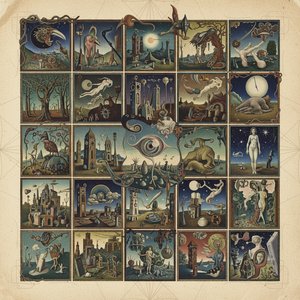
Acrylic On Canvas.

§ 1კატალოგის ინფორმაცია


ეს ნაწარმოები დაცულია საავტორო უფლებებით
ამ გვერდზე წარმოდგენილი ნამუშევარი დაცულია საავტორო უფლების შესახებ კანონმდებლობით, რაც იმას ნიშნავს, რომ ჩვენ არ გვაქვს მისი იდენტური რეპროდუქციის შექმნის ან გაყიდვის სამართლებრივი უფლება. აღნიშნული დაცვა უზრუნველყოფილია ისეთი საერთაშორისო შეთანხმებებით, როგორიცაა ბერნის კონვენცია და ეროვნული კანონმდებლობით, მათ შორის იმ კანონებით, რომლებიც დეტალურად არის გაწერილი აშშ-ის საავტორო უფლების შესახებ კანონი - თავი 17.
როგორც პატივისცემით სავსე და კანონიერი ალტერნატივა, ჩვენ გთავაზობთ ორიგინალით შთაგონებულ, ინდივიდუალურ, ხელით შესრულებულ ნამუშევრებს. ჩვენი ოსტატ და პროფესიონალი ხელოვანები საგულდაგულოდ სწავლობენ ორიგინალის სტილს, განწყობასა და მხატვრულ არსს, რათა შექმნან ახალი, უნიკალური ნამუშევარი, რომელიც იგივე ემოციას აღძრავს და, ამავდროულად, თავად წარმოადგენს დამოუკიდებელ, ორიგინალურ შემოქმედებას.
ეს მეთოდი სრულად შეესაბამება საავტორო უფლებების რეგულაციებს, რადგან ის არ გულისხმობს დაცული ნამუშევრის კოპირებას ან დუბლირებას. ამგვარად, ეს წარმოადგენს შემოქმედებით რეინტერპრეტაციას — ახალ ნახატს, რომელიც შთაგონებითაა განპირობებული ორიგინალით, თუმცა არ არის მის იდენტურ ასლს.
 გაეცანით მეტს
§ 2აბსტრაქტული
კოლექციონირებადი ნივთის აღწერა
Max Ernst’s ‘Paysage avec lune’ presents a captivating surreal moonscape with a vibrant yellow background and intriguing celestial elements, showcasing the artist's pioneering approach to 20th-century art. Discover or own this iconic Max Ernst reproduction.
მხატვრის ბიოგრაფია
გამოიკვლიეთ მაქს ერნსტის (1891-1976) სრულიად განსაუჯარო სამყარო, დადას და სურრეალიზმის პიონერი! აღმოაჩინეთ მისი ინოვაციური ფროტაჟი, კოლაჟები და საწოვნაო ტილოები, რომლებსაც ხასიათდებათ ფრინველები, ლანდშაფტები და ფსიქოლოგიური თემები.
§ 3კომენტარი
A Lunar Reverie: Max Ernst's *Paysage avec lune*
Max Ernst’s *Paysage avec lune* (Landscape with Moon) is more than just a depiction of a celestial body; it’s an immersion into the subconscious, a testament to the artist’s lifelong fascination with dreams, mythology, and the unsettling beauty of the surreal. Painted during a period of intense experimentation and intellectual exploration, this work embodies Ernst's core artistic philosophy – a deliberate rejection of representational accuracy in favor of evoking emotional responses and challenging conventional perceptions.
- Subject Matter: The painting centers around a dramatically rendered moon dominating the composition. Its large size immediately commands attention, drawing the viewer into its luminous presence. Surrounding it are subtle details – smaller forms in the sky that could be interpreted as distant landscapes or simply symbolic elements, adding to the work’s enigmatic quality.
- Style and Technique: Ernst's technique is characterized by a deliberate layering of textures and colors, achieved through a combination of oil paint and possibly collage elements (a common practice within his oeuvre). The application of paint is loose and expressive, prioritizing atmosphere and mood over precise detail. This approach aligns with the burgeoning Surrealist movement’s rejection of academic realism.
Echoes of the Surreal: Historical Context
Created by Max Ernst between 1924 and 1930, *Paysage avec lune* emerged from a pivotal moment in art history – the rise of Surrealism. Following World War I, artists like Ernst were profoundly affected by the trauma and disillusionment of the era. They sought to bypass rational thought and tap into the realm of dreams, the unconscious, and the irrational as a means of expressing profound anxieties and exploring alternative realities. Ernst’s exploration of automatism – a technique involving spontaneous creation without conscious control – was central to his process, allowing him to access deeper layers of meaning within his work.
- Influence of Mythology: The moon itself holds significant symbolic weight across cultures and throughout history. Often associated with femininity, intuition, and the cyclical nature of time, its presence in Ernst’s painting suggests a connection to primal forces and archetypal narratives.
- Connection to Dadaism: Ernst's early work was deeply influenced by Dadaism, characterized by its anti-rational stance and embrace of absurdity. This influence is evident in the painting’s unsettling atmosphere and rejection of traditional artistic conventions.
Decoding the Symbolism
*Paysage avec lune* resists straightforward interpretation, inviting viewers to engage with its ambiguities and explore their own subconscious associations. The moon's glow can be seen as a beacon of hope or a symbol of isolation, depending on one’s perspective. The smaller forms in the sky may represent fragmented memories, distorted landscapes, or even glimpses into other dimensions. Ernst deliberately avoided providing definitive answers, believing that art should provoke thought and emotion rather than offer concrete explanations.
- Color Palette: The dominant use of yellow – a color often associated with light, optimism, and the sun – contrasts sharply with the darkness of the night sky, creating a dynamic tension within the composition.
- Compositional Balance: Despite its dreamlike quality, the painting maintains a sense of balance, with the moon positioned centrally to draw the viewer’s eye while the surrounding elements contribute to the overall harmony.
Emotional Impact and Artistic Value
*Paysage avec lune* possesses a captivating power that transcends its simple subject matter. It evokes a profound sense of mystery, solitude, and wonder – qualities that have resonated with viewers for decades. As a work by Max Ernst, a key figure in the development of 20th-century art, this painting represents a significant contribution to the Surrealist movement and offers a unique window into the artist’s complex inner world. A hand-painted reproduction allows you to bring this evocative piece into your own space, transforming it into a focal point for contemplation and artistic appreciation.
კითხვები და პასუხები
რომელ ხელოვანს მიეწერება "Paysage avec lune"?
„Paysage avec lune“ მიკუთვნებულია მაქს ეურნსტ-ს.
როგორ ერთიანდება სტილისტური მიმდევრობა და ეპოქა მაქს ეურნსტ-ის „Paysage avec lune“-ში?
"Paysage avec lune" მიეკუთვნება Surrealist Exploration სტილს, მისი ავტორი კი თანამედროვე ეპოქა ეპოქაში მოღვაწეობდა.
რა საერთო აქვს „Paysage avec lune“-ს მაქს ეურნსტ-ის შემოქმედების სხვა ნაწილით?
"Paysage avec lune" მაქს ეურნსტ-ის Surrealist Exploration სტილის ნამუშევარია, რომლის ძირითად თემებს შორის არის surrealist ideas, psychological themes, german expressionism, dada influence, disillusionment, societal critique, recurring motifs, visual puzzles."


 ბეჭდვის რეჟიმზე გადართვა


 ნებისმიერი მხარისთვის 105 სმ-ზე (დაახლოებით 41 ინჩი) მეტი ზომის ხელოვნებული ნამუშევრების ან რეპროდუქციებისთვის, ჩარჩო მოგზავნდება დაშლილ კომპლექტში. ეს მეთოდი უზრუნველყოფს უსაფრთხო მიწოდებას და თავიდან აგაცილებთ ტრანსპორტირებისას შესაძლო დაზიანებას.