


 ნახვა ინტერьерში
 გაგზავნა
 გაზიარება
 დეტალები
 გზამკვლევი

 ჩამოტვირთვა
 მსგავსები
 რენტგენოგრაფიული კვლევა
 სლაიდშოუ
 კითხვა-პასუხი
 სტატისტიკა
St. john baptizing

 სრული ტექსტის ნახვა
გიკლე / ხელოვნების პრინტი
მუზეუმის დონის ჟიკლე ან ტილოზე ბეჭდვა სწრაფი წარმოებისა და დასრულების მოქნილი ვარიანტებით. ( შეიძინეთ ხელით შესრულებული ნახატი გადასვლა ციფრულ გამოსახულებაზე)




P118B ₾10

P118H ₾10

P118W ₾10

P438Z ₾10

P508JH ₾12

P508YH ₾12

P805H ₾10

P805Z ₾10

P919BZ ₾10

P919G ₾10

P919XJ ₾10

P959ZH ₾10

P968JZ ₾12

W106C ₾8

W218G ₾10

W218JH ₾8

W218Y ₾10

W307PJ ₾10

W316G ₾10

W316PJ ₾8

W316Y ₾10

W398PJ ₾8

W4111J ₾10

W500HY ₾15

W500JH ₾15

W692G ₾12

W849H ₾8

W940BG ₾15

W953PJ ₾8




აირჩიეთ ჩვენს მიერ წინასწარ განსაზღვრული ზომებიდან, რომლებიც ნაწარმოების ორიგინალურ პროპორციებს შეესაბამება.

შეიყვანეთ თქვენთვის საჭირო სიგანე და სიმაღლე, რათა იგი მოერგოს თქვენს ჩარჩოს ან კედელს. ბეჭდვისას შესაძლებელია მხოლოდ მისი შემცირება და არა გაზრდა, ამიტომ სხვა ფორმის ზომის შემთხვევაში გამოსახულება ნაწილობრივ იკარგება. სანამ რაიმეს დაბეჭდავთ, ჩვენ გამოგიგზავნით ციფრულ მაკეტს დასდასტურებლად. ამ გვერდზე ნაჩვენები სურათი არ ასახავს რეალურ ჭრას — ამას მხოლოდ მაკეტი გვიჩვენებს.
მიწოდება მთელ მსოფლიოში () 2 კვირაში, სტანდარტული 4/5 კვირის ნაცვლად. (5 ნოემბერი)

უფასო ექსპრეს მიწოდება მთელ მსოფლიოში

მაღალი ხარისხის ტილო

ტრანსპორტირების სრული დაზღვევა

საბაჟო გადასახადების დაბრუნების გარანტია

ფერების სრული შესაბამისობის გარანტია

დაბრუნების 100-დღიანი პერიოდი (მხოლოდ წარმოების დეფექტის შემთხვევაში)

100% თანხის სრული დაბრუნების გარანტია

ფასდაკლება დიდი რაოდენობით შეკვეთისას
 მინის ჩარჩოს არჩევანი ხელმისაწვდომია მხოლოდ 110 სმ-მდე ზომისთვის

St. john baptizing
გიკლე / ხელოვნების პრინტი
რეპროდუქციის ზომა
-


ჯამური ღირებულება
₾ 169
Nicolas Poussin: A Vision of Antiquity Transformed
Nicolas Poussin, a name synonymous with the grandeur of French Baroque painting, was nonetheless a soul deeply rooted in Italian soil for much of his artistic life. Born in Le Havre, Normandy, in June 1594, his early years remain somewhat veiled in mystery, yet they undoubtedly laid the foundation for a career that would become pivotal in shaping the classical tradition within French art. Though he briefly studied in Paris during the early 1610s, absorbing influences from lesser-known artists of the time, it was his journey to Rome in 1624 that truly ignited his artistic destiny. This wasn’t merely a geographical relocation; it was an immersion into the heart of antiquity, a pilgrimage to the very source of inspiration that would define his aesthetic vision. Poussin's initial forays into painting were marked by a sensuous quality reminiscent of Venetian masters like Titian, yet even in these early works, a nascent sense of order and intellectual rigour began to emerge—a foreshadowing of the monumental canvases that would soon establish him as one of France’s foremost artistic figures.The Roman Influence: Myth and Landscape
Poussin's artistic breakthrough occurred during his prolonged stay in Rome, where he absorbed the precepts of classical sculpture and architecture with unwavering devotion. Artists like Michelangelo Buonarroti had already championed the revival of Greco-Roman ideals, demonstrating that beauty could be found not only in idealized human form but also in meticulously rendered landscapes imbued with spiritual significance. Poussin skillfully blended these influences, crafting scenes steeped in mythology—often drawn from Virgil’s *Aeneid* and Ovid’s *Metamorphoses*—that depicted gods and heroes interacting within breathtaking vistas of Tuscan hillsides and serene rivers. This approach wasn't simply stylistic; it represented a profound philosophical commitment to elevating art beyond mere ornamentation, transforming it into a vehicle for conveying moral truths and contemplating the mysteries of existence.Technique: Atmospheric Perspective and Precise Detail
Poussin’s mastery lay not only in his conceptual vision but also in his unparalleled technical skill. He perfected the technique known as atmospheric perspective—a revolutionary innovation that captured the subtle gradations of light and colour to create an illusion of depth and distance. Layers upon layers of pigment were applied with painstaking precision, meticulously blending brushstrokes to achieve a velvety smoothness that rendered textures with astonishing realism. Unlike many of his contemporaries who favoured dramatic chiaroscuro effects, Poussin prioritized luminosity—allowing sunlight to illuminate the central figures while casting shadows across the landscape—creating an ethereal quality that conveyed both grandeur and tranquility. This meticulous attention to detail ensured that every element within his compositions contributed to the overall narrative and emotional impact.Symbolism: Echoes of Virtue and Divine Grace
Throughout his oeuvre, Poussin employed a rich tapestry of symbolic imagery—drawing upon Christian iconography alongside classical motifs—to communicate complex ideas about faith, morality, and human aspiration. Recurring figures like doves representing peace, lilies symbolizing purity, and shepherds embodying humility served as visual shorthand for spiritual virtues. The positioning of characters within the landscape itself was deliberately calculated to convey theological concepts: elevated viewpoints emphasized divine grace while horizontal lines reinforced the stability of earthly existence. By subtly embedding these symbols into his paintings, Poussin invited viewers to engage in a contemplative dialogue with the artwork—encouraging them to contemplate its deeper meanings and consider their own role in the unfolding drama of creation.Legacy: An Enduring Influence on French Art
Nicolas Poussin’s influence extended far beyond his lifetime, shaping the aesthetic sensibilities of subsequent generations of French artists. His unwavering devotion to classical ideals served as a guiding star for painters striving to achieve artistic excellence—inspiring them to emulate his meticulous technique and profound philosophical vision. Artists like Jean Baptiste Chardin and François Boucher absorbed Poussin’s lessons, adapting his atmospheric perspective and compositional strategies to create works that nonetheless retained the spirit of antiquity. Today, Poussin's paintings continue to captivate audiences worldwide—testament to the enduring power of beauty and intellect—solidifying his place as one of France’s most revered artistic geniuses and a cornerstone of Western art history.კითხვები და პასუხები
რა არის გამოსახული ნიკოლა პუსენი-ის „St. john baptizing“-ში და რა განწყობას გადმოგვცემს იგი?
ნიკოლა პუსენი-ის „St. john baptizing“-ში religious scene, baptism, river jordan, classical art, mythology, pastoral landscape, symbolism და შემოერწყმება Elegant ატმოსფეროს.
ვინ შექმნა "St. john baptizing" და რა სტილშია შესრულებული?
ნიკოლა პუსენი-მა შექმნა „St. john baptizing“ Baroque სტილის ფარგლებში.
სათანადო ფერების გათვალისწინებით, რომელ ოთახშია რეკომენდებული ნიკოლა პუსენი-ის „St. john baptizing“-ის განთავსება?
Earthy ფერების გათვალისწინებით, „St. john baptizing“ რეკომენდებულია Living Room-ისთვის.
მსგავსი ნამუშევრები


მხატვრის ბიოგრაფია
ნიკოლა პუსენი: კლასიკური იდეალების მცველის ბიოგრაფია
ნიკოლა პუსენი, ფრანგი რენესანსული მხატვრის სახელწოდება, რომლის შემოქმედებასაც საფრანგეთის ხელოვნების განვითარებაში უდიდესი როლი დაედო, დღემდე აღფრთოვანებს მსოფლიოს. 1594 წლის ივნისში, ნორმანდიის პროვინციის ანდელების მახლობლად დაბადებული პუსენი, თავისი ცხოვრების უმეტესი ნაწილი რომში გაატარა, სადაც ისტორიული და მითოლოგიური თემებზე შესრულებულ ტილოებს ქმნიდა. მისი ნამუშევრები ხასიათდება სიმარჯვემდე განზომილებული კომპოზიციებით, მკაფიოდ განსაზღვრული ხაზებით და ფერების ჰარმონიულმაგვარობით, რაც მას კლასიკურ ხელოვნებასთან უშუალო კავშირს აძლევს. პუსენის ადრეული ნაშრომები ტიციანის ვენეციური სკოლის გავლენას იჩვენებს, თუმცა მალევე მან ეს სტილი εγκαταუვა და უფრო რაციონალური და დისციპლინირებული მიდგომა გამოაცხადა, რომელიც რაფაელის კლასიკურ იდეალებზე იყო დაფუძნებული.რომის წლები: კლასიკური იდეალების დამკვეთება
რომი პუსენისთვის მხოლოდ სტუდია არ ყოფილა; ეს მისი ინტელექტუალური საწარმოო ცენტრი გახდა. ის იმჟამინდელი მეცნიერებს, არქეოლოგებსა და სხვა მხატვრებთან ურთიერთობაში იყო ჩართული, განსაკუთრებით კასიანო დარ პოცოსთან, რომლის უღრმესი ცოდნა ანტიკური სამყაროს შესახებ ხელოვანიზე დიდ გავლენას ახდენდა. დარ პოცოს ძალისხმევითი მუშაობა αρχαίων μνημείων დეტალური აღწერით, პუსენს ისტორიული სიამდვილისადმი ს respeto და მის ტილოებში სამუდაგო მნიშვნელობის 부여ების სურვილი უყარა კვალი. სწორედ ამ პერიოდში პუსენი იმხოვრებოდა ფანცაბიონტური ზედმეტილობიდან და უფრო მკაფიო, დაბალანსებული და ხაზოვანი კომპოზიციებისკენ მიმართავდა. ის სიძულებით ვისწავლობდა რაფაელის ნაშრომებს, მის ჰარმონიულ წყობასა და გრაციოზულ ფორმებს ითვისებდა, პარალელურად კი ძველი ქანდაკებებისგანაც შთამოსაზღვრებას პოულობდა.ისტორიული, მითოლოგიური და რელიგიური თემები
პუსენის შემოქმედება წარმოუდგენლადหลากหลาย იყო, მაგრამ მას ყველაფერს აერთიანებდა კლასიკურ იდეალებისადმი ერთგვანება. ის ხშირად აღწერდა ძველი ისტორიიდან მომავალი ეპიზოდებს – მაგალითად, გერმანიკუსის ტრაგიკულ ბედს, სადაც სიმამაცესა და მორალურ ძალას უნახავს. მისი მითოლოგიური ტილოები არ იყო მხოლოდ ცნობილი მოთხრობების გადამეოხება; ეს ადამიანის ბუნების შესწავლა იყო, ხშირად ალეგორიული მნიშვნელობით გაჯერებული. *არკადიის* სერია, განსაკუთრებით მისი გამორჩეული ნაწილი *Et in Arcadia ego*, მის ფილოსოფიურ სიღრმეს სიმბოლურად წარმოადგენს, რომელიც სიცოცხლის ხანმოძიებლობისა და მეხსიერების განუვალ ძალას იკვლევს. რელიგიური თემებზე მუშაობი დროსაც პუსენი კლასიკურ თავშეკავებას ინარჩუნებდა, ზედმეტი ემოციურობისგანარიგება გონიერი და საფიქრო წარმოდგენის სასარგებლოდ. მოგვიანებით, მისი შემოქმედებაში უფრო მეტად აყვავდნენ ფართო პეიზაჟები, რომლებიც რეალიზმს იდეალიზებულ ფორმებთან ერწყმის გზით ჰარმონიულ და მშვიდობიან სურათებს ქმნიდა.შემორჩენილი მემკვიდრეობა: საფრანგეთის ხელოვნების ფორმირება
მიუხედავად იმისა, რომ პუსენი თავისი კარიერის უმეტესი ნაწილი საზღვარგუნეთში გაატარა, მისი გავლენა საფრანგეთის ხელოვნებაზე უდიდესი იყო. 1640 წელს იგი მოკლე ხნით საფრანგეთს επιστρέφει და კარდინალ რიშელიუს მიერ სამეფო მხატვრად დაინიშნა, თუმცა სასახლის მოთხოვნებმა და ინტრიგებმა მას შეაფერხა. მალევე ის კვლავ რომში დაბრუნდა და იქამდე συνέχίζει να ζωγραφίζει, სანამ 1665 წელს გარდაცვალების დრო არ 찾아왔ა. კლასიკურ პრინციპებზე მისი ერთგვანება საფრანგეთში მხატვრების სწავლისა და საქმიანობის სტანდარტის დასაზოგვერებას უწყობდა ხელს, გენერაციების მხატვრებს ზემოქმედებას უკონკლუენტო. ისAcadémie Royale de Peinture et de Sculpture-ის წევრი გახდა, რაც მისი პოზიციის განმტკიცებას საფრანგეთის კლასიციზმის ერთ-ერთი მნიშვნელოვანი ფიგურად უზრუნველყოფდა. ჟაკ-ლუი დავიდი და პოლ სეზანი ხშირად გამოხატავდნენ მის მიმართ აღფრთოვანებას, რაც მისი მემკვიდრეობის სიმძლერის 증거ა. მისი მემკვიდრეობა 단순మైన стилистического имитации-ისგან πολύ περισσότερο είναι; ეს არის კლასიკური იდეალებისადმი ერთგვანება – მხატვრის 증거, რომელმაც არა მხოლოდ სამყაროს აღწერა სურდა, არამედ მას ბრძნულებითა და زیباییთ აყვავებდა.- σημαντικά έργα: *Γερμανικού του θάνατος*, *Η σειρά των επτά μυστηρίων*, *Ένας Ρωμαϊκός δρόμος*, *Ο τυφλός Ωρίωνας*, *Οι εποχές*.
- Βασικά χαρακτηριστικά: Κλασική σύνθεση, γραμμικότητα, ιστορικά και μυθολογικά θέματα, ήρεμες τοπίες.
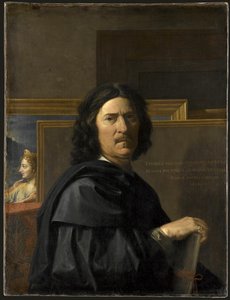
ნიკოლა პუსენი
1594 - 1665 , Франция
მოკლე ფაქტები
- Artistic Movement Or Style: ბაროკო, კლასიციზმი
- Artists Or Movements Influenced By This Artist:
- ჟაკ-ლუი დავიდი
- პოლ სეზანი
- Artists Who Influenced This Artist:
- რაფაელი
- ტიციანი
- Date Of Birth: 1594 წლის 24 ივნისი
- Date Of Death: 1665 წლის 19 ნოემბერი
- Full Name: ნიკოლა პუსენი
- Nationality: ფრანგი
- Notable Artworks:
- Germanicus-ის სიკვდილი
- წირვის საიდუმლოება
- რომაული გზი
- Orion Blinded
- The Seasons
- Place Of Birth: ლე 안დელი, საფრანგეთი
მსგავსი სტატიები

Baroque Classicism: A Professional Guide to Integrating Timeless Grandeur into Luxury Hotel Interiors
Elevate luxury hospitality with Baroque Classicism. Our guide for hotel designers explores integrating grand, classical oil reproductions into professional interiors. Discover efficient bulk procurement, custom sizing, and large-format murals to create timeless, high-impact spaces.


