


 წინასწარი ნახვა
 გაგზავნა
 გაზიარება
 დეტალები
 გზამკვლევი

 ჩამოტვირთვა
 მსგავსები
 რენტგენოგრაფიული კვლევა
 სლაიდშოუ
 სტატისტიკა
Პირველ რიგში, პაოლო უჩელოს საფუძمება
 აკრილი ტილოზე
- კედლის დეკორი
- Renaissance
 1436
1436- რენესანსი
 820.0 x 515.0 cm
 Duomo
Duomo
 გადასართად დაწვრილებით ნახეთ
ხელით ნაკვეთი ზეთის ტილოს რეპროდუქცია
ტილოზე შესრულებული ფერწერიანი ზეთប្រდათი, თქვენთვის სასურველი ზომისა და ჩარჩოსთვის, ჩვენი ხელოვანების მიერ შეკვეთის საფუძველზე დამზადებული. ( გადართვა ბეჭდზე გადასვლა ციფრულ გამოსახულებაზე)




P118B $10

P118H $10

P118W $10

P438Z $10

P508JH $12

P508YH $12

P805H $10

P805Z $10

P919BZ $10

P919G $10

P919XJ $10

P959ZH $10

P968JZ $12

W106C $8

W218G $10

W218JH $8

W218Y $10

W307PJ $10

W316G $10

W316PJ $8

W316Y $10

W398PJ $8

W4111J $10

W500HY $15

W500JH $15

W692G $12

W849H $8

W940BG $15

W953PJ $8




აირჩიეთ ჩვენს მიერ წინასწარ განსაზღვრული ზომებიდან, რომლებიც ნაწარმოების ორიგინალურ პროპორციებს შეესაბამება.

თქვენ შეგიძლიათ მიუთითოთ თქვენთვის სასურველი ზომები კონკრეტული ჩარჩოს ან სივრცის შესაბამისად. თუ თქვენ მიერ არჩეული ზომა არ შეესაბამება ორიგინალი გამოსახულების პროპორციებს, ჩვენ ან შევაჭრებთ ნაწარმოებს, ან ტილოზე დავამატებთ ხელით მოხატულ ელემენტებს. წარმოების დაწყებამდე, დამტკიცებისთვის გამოგეგზავნებათ ციფრული მაკეტი.
გთხოვთ, გაითვალისწინოთ, რომ ეკრანზე ნაჩვენები წინასწარი შეხედულება არ ასახავს რეალურ შეჭრას ან გაფართოებას. საბოლოო კომპოზიციას ზუსტად მხოლოდ მაკეტი წარმოაჩენს.
მიუხედავად იმისა, რომ შესაძლებელია ინდივიდუალური ზომების შერჩევა, ორიგინალური პროპორციების შენარჩუნებისათვის გირჩევთ, გამოიყენოთ წინასწარ განსაზღვრული სიის ზომები.
შეკვეთის შემდეგ, AllPaintingsStore.com გუნდი დაგიკავშირდებათ ელექტრონული ფოსტით ინსტრუქციებისთვის და გამოგიგზავნით წინასწარ ნახაზს (mockup).
მიწოდება მსოფლიო მასშტაბით -ში 3/4 კვირაში, სტანდარტული 5 კვირის ნაცვლად. (21 სექტემბერი). ხარისხზე კომპრომისის გაკეთება არ მოხდება.

უფასო ექსპრეს მიწოდება მთელ მსოფლიოში

საბამად მაღალი ხარისხის ტილო

სრული ტრანსპორტირების დაზღვევა

საბაჟო გადასახადების დაბრუნების გარანტია

ფერების სრული შესაბამისობის გარანტია

დაბრუნების 100-დღიანი პოლიტიკა (მხოლოდ დეფექტის შემთხვევაში)

100% თანხის დაბრუნების გარანტია

ფასდაკლება დიდი რაოდენობით შეკვეთისას
 მინის ჩარჩოს არჩევანი ხელმისაწვდომია მხოლოდ 110 სმ-ზე ნაკლები ზომისთვის

Პირველ რიგში, პაოლო უჩელოს საფუძمება
რეკლამაციის ტექნიკა
რეკლამაციის ზომა
-


საბოლოო ფასი
$ 258
The Echoes of War and Vision: Paolo Uccello’s Funerary Monument to Sir John Hawkwood
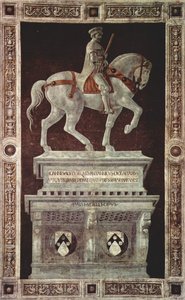
Paolo Uccello's *Funerary Monument to Sir John Hawkwood*, a fresco dominating the north wall of Florence Cathedral, isn’t merely a depiction of a soldier; it’s a meticulously constructed tableau of ambition, political maneuvering, and the burgeoning spirit of Renaissance perspective. Completed in 1436, this monumental work transcends its initial purpose as a commemorative piece for the celebrated English condottiero – a mercenary commander – to become a profound meditation on Florentine identity, artistic innovation, and the very nature of seeing. The fresco immediately commands attention with its scale—a vast expanse of painted plaster that draws the viewer into a meticulously rendered world, yet it’s the subtle details, the calculated distortions, and the underlying tension that truly captivate. It's a testament to Uccello’s singular vision, a blend of military grandeur and intellectual experimentation that continues to fascinate centuries later.- A Commission Forged in Politics: The genesis of this monumental work is inextricably linked to the volatile political landscape of 15th-century Florence. Sir John Hawkwood, a veteran of numerous Italian wars, had served Florence with considerable success, bolstering its defenses and securing vital alliances. However, his methods were often ruthless, and his loyalty was perpetually in question. Commissioning this fresco wasn’t simply an act of honoring a soldier; it was a strategic move by the Florentine Republic to solidify its position, projecting an image of strength and stability through the glorification of a foreign hero. The very choice of Hawkwood – a pragmatic warrior rather than a noble lineage – underscored Florence's pragmatic approach to diplomacy and military prowess.
- The Pioneering Use of Perspective: Uccello’s genius lies not just in his subject matter but in his revolutionary approach to visual representation. He wrestled with the challenge of depicting three-dimensional space on a two-dimensional surface, employing techniques that were groundbreaking for his time. Notice how he manipulates the vanishing point—not a single, fixed location as later artists would achieve—but rather utilizes *two* distinct points, creating an illusion of depth and drawing the eye towards the central figure of Hawkwood. This deliberate distortion, this conscious departure from traditional realism, is what makes the fresco so utterly compelling. It’s a visual puzzle, inviting the viewer to actively engage with the artwork and decipher its complex spatial relationships.
- Symbolism Woven into the Fabric: Beyond the immediate depiction of Hawkwood on horseback, the fresco is laden with symbolic meaning. The meticulously arranged shields – bearing the emblems of Florence and Hawkwood’s former employers – speak volumes about the shifting alliances and political machinations of the era. The carefully positioned horses, rendered with an almost obsessive attention to detail, represent both power and movement, mirroring Hawkwood's military career. Even the muted color palette—primarily verdant greens and earthy reds—contributes to the overall atmosphere of solemn grandeur.
The Artist’s Obsession: Uccello’s Mathematical Approach
Paolo Uccello wasn’t simply a painter; he was, by all accounts, a mathematician obsessed with the principles of perspective. Giorgio Vasari, in his *Lives of the Most Excellent Painters*, described Uccello as “a man who had made it his business to study perspective.” This dedication is evident throughout the *Funerary Monument*. He meticulously calculated angles and distances, creating a system for representing space that was far more complex and sophisticated than anything seen before. The fresco isn’t just aesthetically pleasing; it's a demonstration of Uccello’s intellectual rigor—a testament to his belief that art could be both beautiful *and* rational.- A Quest for the Vanishing Point: Uccello’s relentless pursuit of the vanishing point is perhaps the most striking aspect of his work. He experimented with different methods, often pushing the boundaries of what was considered acceptable in Renaissance art. The two distinct vanishing points—one for the sarcophagus and one for Hawkwood himself—create a sense of disorientation that forces the viewer to actively engage with the artwork’s spatial construction.
- The Influence of Geometry: Uccello's understanding of geometry played a crucial role in his artistic process. He employed geometric principles to create a sense of order and harmony within the composition, ensuring that all elements were aligned according to precise mathematical ratios. This meticulous attention to detail is evident in the perfectly proportioned horses, the carefully arranged shields, and the overall balance of the scene.
- A Departure from Tradition: Uccello’s approach to perspective was a radical departure from the conventions of his time. While other artists were focusing on creating realistic depictions of space, Uccello was experimenting with illusionistic techniques—creating the *impression* of depth rather than simply representing it accurately. This willingness to challenge established norms ultimately paved the way for future generations of Renaissance painters.
Restoration and Legacy: A Fresco Reborn
Over the centuries, the *Funerary Monument* has undergone several restorations, each adding a layer to its complex history. Initially, Lorenzo di Credi added a decorative frame in 1524, attempting to “correct” some of Uccello’s perceived imperfections. However, in 1842, the fresco was detached from the wall and repositioned twice for preservation purposes, a process that inevitably altered its original appearance. Today, it resides on the north wall of the nave, alongside another equestrian monument by Andrea del Castagno, offering a fascinating juxtaposition of artistic styles.- A Testament to Preservation: Despite the numerous interventions, the *Funerary Monument* remains remarkably well-preserved, providing invaluable insights into the techniques and aesthetics of Renaissance art. The careful conservation efforts undertaken over the past century have ensured that this masterpiece will continue to inspire and captivate audiences for generations to come.
- Influence on Later Artists: Uccello’s pioneering work in perspective had a profound influence on subsequent artists, including Leonardo da Vinci and Raphael. His experiments with spatial illusionism helped to shape the development of Renaissance art as a whole, demonstrating the power of visual representation to create convincing illusions of reality.
- A Continuing Source of Debate: The *Funerary Monument* continues to be a subject of scholarly debate, with historians and art critics offering diverse interpretations of its meaning and significance. Its complex symbolism, innovative perspective, and turbulent historical context ensure that it will remain a source of fascination for years to come.
Bringing Uccello’s Vision Home: Reproductions and Inspiration
The *Funerary Monument to Sir John Hawkwood* is more than just an artwork; it's a window into the mind of a visionary artist. AllPaintingsStore offers meticulously crafted, hand-painted reproductions that capture the essence of this iconic fresco, allowing you to bring its grandeur and complexity into your own space. These reproductions are not mere copies—they are artistic interpretations, imbued with the spirit of Uccello’s original vision. Whether you're an art collector, a design enthusiast, or simply someone seeking inspiration, AllPaintingsStore’s reproduction of this remarkable fresco offers a unique opportunity to connect with one of the most important works in Renaissance history. Explore our collection today and discover the enduring legacy of Paolo Uccello.დაკავშირებული ნამუშევრები




მხატვრის ბიოგრაფია
პაოლო უჩელო: ფსკებითა და სივრცით გატაცებული რენესანსის გენიოსი
პაოლო დი დონო, უფრო ცნობილი როგორც პაოლო უჩელო, 1397 წელს პრატოვევეკიოში დაიბადა, არეცოს პროვინციაში, და 1475 წლის 10 დეკემბერს ფლორენციაში გარდაიცვალა. ის არის ადრეული რენესანსის ერთ-ერთი ყველაზე გამორჩეული მხატვარი, რომელმაც განსაკუთრებული აღიარება მოიპოვა სივრცის ილუზიას ქმნისა და ფსკების შესწავნის დარგში. მისი სახელი, "უჩელო" (ქროლის ბIRD), რომელიც მას ხშირად უწოდებდნენ, ასახავს მის ცხოვრების ერთ-ერთ მთავარ ინტერესს - ფრინველებზე დაკვირვებას და მათი გამოსაურებას ტილოზე. თუმცა, ეს მხოლოდ ზედაპირული აღწერაა იმ გულმოდგინე ინტელექტუალისა, რომელმაც რენესანსის განვითარებაში უდიდესი როლი ითამაშა. მისი მამა, დონო დი პაოლო, ქირურგი და პარუქმენტერი იყო, ხოლო დედა, ანტონია, ფლორენტელი არისტოკრატული გვარის წარმომადგენელი, რაც უჩელოს ადრეული ასაკიდანვე ხელოვნებისადმი სიყვარულს და კეთილშობილურ გემოვნებას უწყებდა ხელს. 1412-დან 1416 წლამდე პაოლო ლორენცო გიბერტის სახელოსნოში სწავლობდა, სადაც მან საფუძველი ჩაუყარა თავის შემოქმედებით კარიერას და შეიძინა მნიშვნელოვანი გამოცდილება.გეომეტრიული სივრცის ძიება: უჩელოს რაციონალური მიდგომა
უჩელოს მხატვრული განვითარება არ შემოიფარგლებოდა მხოლოდ ტექნიკის შესწავლით; ის მუდმივად ეძებდა ხელოვნების საფუძველში მდებარეობს, ცდილობდა გაეუმჯობესებინა სივრცის აღქმის პრინციპები. იგი განსაკუთრებული ინტერესი გამოიჩენდა მათემატიკისა და გეომეტრიის მიმართ, რომლებიც მისთვის ხელოვნების შესანიშნავ ინსტრუმენტებად გვევლებოდა. ფილიპო ბრუნელესკის მსგავსად, რომელიც ხაზოვანი პერსპექტივის აღმოჩენას უკავშირდება, უჩელომაც სისტემატურად მოიხმარა ეს ტექნიკა თავის ტილოებში, სადაც ყოველი წერტილი და პარალელური ხაზი კვდომოდა კონკრეტულ ადგილზე, რაც სიგრძის ილუზიას ქმნიდოდა. უჩელოსთვის პერსპექტივა არ იყო მხოლოდ ტექნიკური მეთოდი; ეს იყო გზა რეალობის უფრო ჭეშმარიტად აღქმისა და მისი ტილოზე გადასატანის, რაც მის კომპოზიციებს რიგითობასა და ინტელექტუალურ სიღრმისეულს მატებდა. ვასარმა, თავის "ხელოვანების, ქ雕ქმნილობებისა და არქიტექტორების ცხოვრების" წიგნში აღნიშნა, რომ უჩელო ღამის განავლობაშიც კი იკვლევდა პერსპექტივის საკითხებს, რაც მის ერთგულებასა და გულმოდგინებას მოწმობენ.ოსტატობის მწვერვალი: უჩელოს შედევრები
უჩელოს შემოქმედება, მიუხედავად მისი შედარებითი სიმცირის, გამოირჩევა გამორჩეული სტილით, რომელიც გოტიკური ელეგანტურობას რენესანსის ინოვაციებთან აკავშირებს. "სან რომანოს ბრძოლა" (The Battle of San Romano) - სამი პანელის ციკლი, რომელიც ფლორენტელების გამარჯვებას ეძღვნება, მისი ყველაზე ცნობილი ნაწარმოებია. ეს ტილოები არ არის მხოლოდ ომის აღწერა; ისინი დინამიკური კომპოზიციებია, რომლებიც სავსეა მოქცეული ფიგურებით, გაფანტული ჯავშნით და დრამატულად შეკუმშული ლანცებით - ყველაფერი ეს ნათელ ფერებშია გადაწყვეტილი და სათანადო პერსპექტივას იყენებს. "წლის születლობა" (The Birth of the Virgin) წარმოადგენს უჩელოს ხაზოვანი პერსპექტივის გამოყენების შედევრს, რაც სიღრმის შესანიშნავ ილუზიას ქმნის ρηχό χώροში. მისი "სენტ ჯორჯი და დრაਗონი" (St George and the Dragon) კი საყოველთაო წმინდა გიორგის გამბედავებას ასახავს, ხასიათდება მკაფიო ფერებითა და სტილიზებული ფორმებით. მისი სხვა ნაწარმოებებიც, როგორიცაა "ნოეს წყალდიდობა" (The Flood and the Ark), რომელიც სან მინიატო ალ მონტეს ფრესკოს ციკლის ნაწილია, აჩვენებენ უჩელოს არქიტექტურული დეტალებისადმი და კომპლექსური კომპოზიციებისადმი ინტერესს. მისი სტილი ხშირად გამოირჩევა:- მომხიარულებელი ფერებითა და ფერის ბრწყალ გამოყენებით.
- ხაზოვანი პერსპექტივის გამოყენებით, რომელიც ხშირად დრამატული ეფექტისთვის არის გადაჭარბებული.
- გოტიკური ხელოვნებისგან მემკვიდრეობით დარჩენილი ფიგურებისა და დეკორატიული მოტივების სტილიზაციით.
- გეომეტრიული ფორმებისა და სივრცობრივი ურთიერთობისადმი განსაკუთრებული ინტერესით.
მემკვიდრეობა და გავლენა: ხელოვნებაში უჩელოს კვალს
პაოლო უჩელოს წვლილი რენესანსის განვითარებაში მისი ინდივიდუალური ტილოების მიღმაც ვრცელდება. პერსპექტივის შესწავლის პირველაპრილმა ხელოვნების ისტორიას საგრძნობოდ შეცვალა კურსი და უამრავ მხატვარს მოჰყვა მის საფეხმტოვრებელს. ალბრეხტ დიურერი, გამოჩენილი გერმანელი გრავურიორი და მხატვარი, βαθιά επηρεάστηκε უჩელოს ნაშრომებით და თავის შემოქმედებაშიც გამოიყენა პერსპექტივის პრინციპები. მიუხედავად იმისა, რომ უჩელოს სტილი მთელი მისი კარიერის განმავლობაში საკმაოდ ინდივიდუალური იყო - გოტიკური სიმრავლე და რენესანსის ინოვაციების უნიკალური კომბინაცია - ხელოვნების განვითარებაში მისი გამანათლებლური მიდგომა უდავოდ მნიშვნელოვანია. 1475 წელს ფლორენციაში გარდაცვალებისას, ის არა მხოლოდ მშვენიერი ტილოებს დატოვა, არამედ ინტელექტუალური სიკეთისკენა და მხატვრული მამაცობისკენაც მიმართულებას დაუტოვა. მისი ნაშრომები დღემდე იწვევს აღფრთოვანებასა და თაყვანს, რაც გვიხსენებს, რომ ჭეშმარიტ ხელოვნებას მხოლოდ ის არ წარმოადგენს, რაც ხილვადია, არამედ იმის გაგებასაც მოითხოვს, თუ როგორ ვხედავთ მას.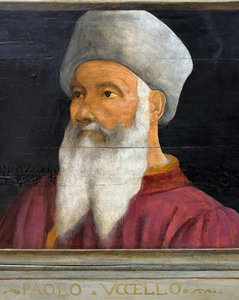
პაოლო უჩელო
1397 - 1475 , იტალია
მოკლე ინფორმაცია
- Artistic Movement Or Style: ადრეული რენესანსი
- Artists Or Movements Influenced By This Artist: ['ალბრეხტ დიურერი']
- Artists Who Influenced This Artist:
- ლორენცო გიბერტი
- დონატელო
- Date Of Birth: 1397
- Date Of Death: 1475
- Full Name: პაოლო უჩელო
- Nationality: იტალიელი
- Notable Artworks:
- სან რომანოს ბრძოლა
- წლისშემდგომი მარიამი
- გიორგი და დრაკონი
- მთვარის დაბადება
- Place Of Birth: პრატოვეკიო, იტალია
დაკავშირებული სტატიები

Fresco Art Guide: Mastering the Timeless Technique of Wall Painting for Luxury Interior Design
Master the art of fresco for luxury hospitality design. Explore technical insights into historical wall painting and discover how professional-grade, large-scale reproductions can elevate hotel interiors with timeless Renaissance elegance.


