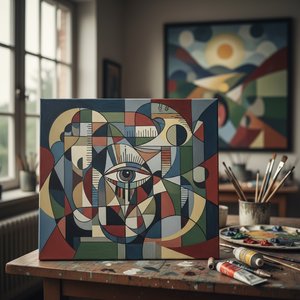
1900. აკრილი ტილოზე. National Gallery of Art.

§ 1კატალოგის ინფორმაცია


§ 2აბსტრაქტული
კოლექციონირებადი ნივთის აღწერა
პოლ სეზანის შეტანილია პოსტიმპრესიონისტული ხელოვნებათა კორპუსში და წარმოადგენს მისი რევოლუციური მიდგომისა და ხელოვნების ისტორიაში მემკვიდრეობის ძლიერ ნაწილს.
 გააგრძელეთ კითხვა
მხატვრის ბიოგრაფია
პოლ სეზანი (1839-1906) - საფრანგეთის პოสต์იმპრესიონისტი მხატვარი, რომელმაც შექმნა გეომეტრიული ფორმები და რევოლუციური კომპოზიციები. აღმოაჩინეთ მისი ცნობილი ტილოები, როგორიცაა "მონ-სენტ-ვიკტუარი" და "ბანაობები", რომლებიც თანამედროვე ხელოვნების განვითარებაში მნიშვნელოვან როლს თამაშობენ.
§ 3კომენტარი
A Vision of Rustic Tranquility: Cézanne’s Château Noir
Paul Cézanne's “Château Noir,” completed in 1903-04, stands as a cornerstone of Post-Impressionist art—a testament to his revolutionary approach and enduring influence on the artistic landscape. Currently housed at the National Gallery of Art in Washington D.C., this painting transcends mere depiction; it embodies Cézanne’s profound engagement with nature and his masterful manipulation of form and color, inviting viewers into a contemplative space steeped in atmosphere and emotion.Composition and Style: Geometric Harmony Amidst Organic Chaos
The scene unfolds against the backdrop of Mont Sainte-Victoire, Cézanne's beloved mountain near Aix-en-Provence—a recurring motif throughout his oeuvre. Dominating the canvas is a substantial house with a distinctive yellow roof, perched atop a steep hillside. Surrounding it are dense trees and shrubs, rendered in textured brushstrokes that convey an impression of movement and vitality. A smaller building sits nestled amongst the foliage, adding depth to the composition, while a bridge gracefully arcs across the valley floor—a subtle element that reinforces Cézanne’s deliberate structuring of space. Unlike Impressionist painters who sought to capture fleeting moments of light, Cézanne prioritized underlying geometric forms—circles and squares—that he believed constituted the essence of visual perception. This approach distinguishes him from traditional academic art methods, resulting in a strikingly formal aesthetic.Technique: Planes of Color and Texture – Cézanne’s Innovative Brushwork
Cézanne's technique is characterized by “planes of color,” where he applies thick impasto—heavy paint laden with pigment—to create textured surfaces that seem to pulsate with life. These bold strokes build up to form complex fields of color, eschewing blending and creating a palpable sense of materiality. Cézanne’s meticulous observation of nature is evident in his painstaking rendering of tree trunks and branches, capturing their contours with remarkable accuracy. The muted palette—primarily ochres, browns, greens, and blues—contributes to the painting's solemn mood, reflecting Cézanne’s preoccupation with conveying not just what he saw but how he felt about it.Historical Context: Bridging Impressionism and Cubism
“Château Noir” emerged during a pivotal period in Cézanne’s artistic development—a time when he was actively experimenting with new visual languages, anticipating the groundbreaking innovations of Cubism. Although initially met with skepticism by critics who deemed his style “primitive,” Cézanne gained recognition from fellow artists like Camille Pissarro and Ambroise Vollard, whose patronage helped propel him to international acclaim. Vollard organized the first solo exhibition of Cézanne’s work in Paris in 1895, marking a turning point in Cézanne's career and establishing him as a pioneer of modern art. His influence extended far beyond his immediate contemporaries, inspiring artists such as Henri Matisse and Pablo Picasso—whom he affectionately termed “the father of us all”—to explore new artistic horizons.Symbolism: A Reflection of Cézanne’s Inner Vision
Beyond its formal beauty, “Château Noir” speaks to Cézanne's profound engagement with the spiritual dimension of art. The house itself symbolizes permanence and stability—a counterpoint to the fleeting nature of Impressionist perception. Its isolation reinforces Cézanne’s desire to depict not merely what is seen but what is felt—a quest for artistic truth that transcends mere representation. The painting embodies Cézanne's unwavering belief in the transformative power of art, inviting viewers to contemplate the relationship between observation and emotion.For those interested in delving deeper into Cézanne’s artistic legacy or exploring other influential artists, visit Paul Cézanne: The Chateau Noir and Paul Cézanne on Wikipedia.
კითხვები და პასუხები
რა ეპოქას მიეკუთვნება "შატო ნოური"?
პოლ სეზანი-ის „შატო ნოური“-ის ისტორიული პერიოდია თანამედროვე ეპოქა. ეს კლასიფიკაცია ნამუშევარს ხელოვნების ისტორიაში განსაზღვრავს.
როგორ ერთიანდება სტილისტური მიმდევრობა და ეპოქა პოლ სეზანი-ის „შატო ნოური“-ში?
პოლ სეზანი-ის „შატო ნოური“ მიეკუთვნება პოსტიმპრესიონიზმი სტილს და მისი შემოქმედების მე-19 საუკუნე ეპოქას წარმოადგენს.
როგორ ერწყმის კონტრასტი და ჰარმონია ნამუშევარში "შატო ნოური"?
პოლ სეზანი-ის „შატო ნოური“-ის ფერების ანალიზი გამოკვეთს რბილი კონტრასტსა და შეუსაბამო ფერების პალიტრა ჰარმონიას.


 ბეჭდვის რეჟიმზე გადართვა


 ნებისმიერი მხარისთვის 105 სმ-ზე (დაახლოებით 41 ინჩი) მეტი ზომის ხელოვნებული ნამუშევრების ან რეპროდუქციებისთვის, ჩარჩო მოგზავნდება დაშლილ კომპლექტში. ეს მეთოდი უზრუნველყოფს უსაფრთხო მიწოდებას და თავიდან აგაცილებთ ტრანსპორტირებისას შესაძლო დაზიანებას.