


 ნახვა ინტერьерში
 გაგზავნა
 გაზიარება
 დეტალები
 გზამკვლევი

 ჩამოტვირთვა
 მსგავსები
 რენტგენოგრაფიული კვლევა
 სლაიდშოუ
 Q&A
Q&A სტატისტიკა
Barrators-Giampolo

 სრული ტექსტის ნახვა
გიკლე / ხელოვნების პრინტი
მუზეუმის დონის ჟიკლე ან ტილოზე ბეჭდვა სწრაფი წარმოებისა და დასრულების მოქნილი ვარიანტებით. ( შეიძინეთ ხელით შესრულებული ნახატი გადასვლა ციფრულ გამოსახულებაზე)




P118B ₾10

P118H ₾10

P118W ₾10

P438Z ₾10

P508JH ₾12

P508YH ₾12

P805H ₾10

P805Z ₾10

P919BZ ₾10

P919G ₾10

P919XJ ₾10

P959ZH ₾10

P968JZ ₾12

W106C ₾8

W218G ₾10

W218JH ₾8

W218Y ₾10

W307PJ ₾10

W316G ₾10

W316PJ ₾8

W316Y ₾10

W398PJ ₾8

W4111J ₾10

W500HY ₾15

W500JH ₾15

W692G ₾12

W849H ₾8

W940BG ₾15

W953PJ ₾8




აირჩიეთ ჩვენს მიერ წინასწარ განსაზღვრული ზომებიდან, რომლებიც ნაწარმოების ორიგინალურ პროპორციებს შეესაბამება.

შეიყვანეთ თქვენთვის საჭირო სიგანე და სიმაღლე, რათა იგი მოერგოს თქვენს ჩარჩოს ან კედელს. ბეჭდვისას შესაძლებელია მხოლოდ მისი შემცირება და არა გაზრდა, ამიტომ სხვა ფორმის ზომის შემთხვევაში გამოსახულება ნაწილობრივ იკარგება. სანამ რაიმეს დაბეჭდავთ, ჩვენ გამოგიგზავნით ციფრულ მაკეტს დასდასტურებლად. ამ გვერდზე ნაჩვენები სურათი არ ასახავს რეალურ ჭრას — ამას მხოლოდ მაკეტი გვიჩვენებს.
მიწოდება მთელ მსოფლიოში () 2 კვირაში, სტანდარტული 4/5 კვირის ნაცვლად. (30 ოქტომბერი)

უფასო ექსპრეს მიწოდება მთელ მსოფლიოში

მაღალი ხარისხის ტილო

ტრანსპორტირების სრული დაზღვევა

საბაჟო გადასახადების დაბრუნების გარანტია

ფერების სრული შესაბამისობის გარანტია

დაბრუნების 100-დღიანი პერიოდი (მხოლოდ წარმოების დეფექტის შემთხვევაში)

100% თანხის სრული დაბრუნების გარანტია

ფასდაკლება დიდი რაოდენობით შეკვეთისას
 მინის ჩარჩოს არჩევანი ხელმისაწვდომია მხოლოდ 110 სმ-მდე ზომისთვის

Barrators-Giampolo
გიკლე / ხელოვნების პრინტი
რეპროდუქციის ზომა
-


ჯამური ღირებულება
₾ 166
A Glimpse into Torment: Gustave Doré's "Barrators–Giampolo"
Gustave Doré’s “Barrators–Giampolo,” a stark and unsettling engraving, pulls the viewer into a maelstrom of suffering and despair. Created during the height of his prolific career in the late 19th century, this work isn't merely an illustration; it is a visceral exploration of human anguish rendered with Doré’s signature dramatic flair. Part of a larger series illustrating Dante Alighieri’s *Divine Comedy*, “Barrators–Giampolo” stands as a powerful testament to the artist’s ability to translate complex literary themes into compelling visual narratives, and offers a window into the anxieties and artistic sensibilities of its time.
The Weight of Romanticism and Literary Echoes
Doré's work is deeply rooted in the Romantic movement, an era characterized by a fascination with emotion, individualism, and the sublime—often tinged with darkness. This engraving exemplifies these traits through its depiction of torment within a hellish landscape. The subject matter itself draws directly from Dante’s *Inferno*, specifically portraying barrators – individuals who illegally collect fees or extort money – condemned to eternal punishment. The historical context is crucial; the mid-19th century witnessed significant social upheaval and anxieties surrounding morality, justice, and the consequences of transgression. Doré's illustrations tapped into these prevailing concerns, offering a visual representation of societal fears and spiritual struggles. The choice of Dante’s work as inspiration further elevates the piece, connecting it to centuries of literary tradition exploring themes of sin, redemption, and divine retribution.
A Symphony in Black and White: Technique and Composition
The power of “Barrators–Giampolo” lies not only in its subject matter but also in Doré’s masterful technique. As an engraver, he was renowned for his ability to create incredibly detailed and expressive images using a relatively simple medium. The engraving process itself involves meticulously carving lines into a metal plate (typically steel or copper) with specialized tools called burins. Ink is then applied to the plate, wiping away the excess before pressing paper against it, transferring the image. Doré’s skill shines through in the intricate network of lines that define every element of the scene—from the muscular forms of the tormented figures to the jagged rocks and swirling chaos of the background. The use of hatching and cross-hatching creates a remarkable range of tonal values, simulating light and shadow with astonishing depth. The composition is deliberately unbalanced and dynamic; the central figure wielding a spear dominates the scene, surrounded by writhing bodies caught in various states of agony. This asymmetry contributes to the overall feeling of instability and impending doom.
Symbolism and Emotional Resonance
Beyond its literal depiction of Dante’s vision of hell, “Barrators–Giampolo” resonates with deeper symbolic meaning. The barrators themselves represent not just financial corruption but also broader moral failings—a condemnation of greed, injustice, and the abuse of power. The fiery landscape symbolizes the eternal consequences of sin, while the anguished expressions on the figures’ faces convey a profound sense of suffering and despair. Doré doesn't shy away from depicting the brutality of punishment; instead, he confronts the viewer with the raw emotional impact of transgression. The engraving evokes feelings of fear, pity, and perhaps even a sense of unease—a reminder of the fragility of human morality and the potential for darkness within us all. The work’s enduring appeal lies in its ability to tap into universal themes of suffering, justice, and the search for meaning in a world often marked by chaos and uncertainty.
კითხვები და პასუხები
როგორ ვიპოვო Гюстав Доре-ის „Barrators-Giampolo“-ის მსგავსი ნამუშევრები?
Гюстав Доре-ის „Barrators-Giampolo“-ის მსგავსი ნამუშევრები გვერდი წარმოგიდგენთ მსგავს ნამუშევრებს.
ვინ არის "Barrators-Giampolo"-ის ავტორი და რომელ სტილს მიეკუთვნება?
Гюстав Доре-მა შექმნა „Barrators-Giampolo“ Romanticism სტილის ფარგლებში.
რა განწყობა და ემოცია ერთიანდება ნამუშევარში "Barrators-Giampolo"?
Гюстав Доре-ის „Barrators-Giampolo“ გადმოგვცემს Melancholic შეგრძნებას, საერთო Dramatic განწყობის ფარგლებში.
მსგავსი ნამუშევრები


მხატვრის ბიოგრაფია
პაული გუსტავე დორეს სამყარო: სინათლისა და ნაწილის სიმფონიური ჰარმონია
პაული გუსტავე ლუი კრისტოფე დორე, უფრო ცნობილი როგორც გუსტავე დორე, იყო ფენომენი, რომელმაც ილუსტრაციის, ζωγραφობის და ქვის ნაკეთების სამყაროები წარმოუდგენელი ნიჭით მოიცვა. სტ라스ბურში დაბადებული, საფრანგეთში, 1832 წლის 6 იანვარს, მისი ცხოვრება განვითარდა უზარმაზის სოციალური და მხატვრული ცვლილებების ეპოქაში, იმ დროს როდესაც რომანტიზმი ჯერ კიდევ ძლიერი იყო, მაგრამ ახალი რეალისტური და სიმბოლურ ტენდენციებს გასცემდა. ბავშობიდანვე დორე გამოჩენილი ნიჭით ხასიათდებოდა, არა მხოლოდ ნახატებში – რასაც იგი უკიდეგანოწესად ადრეულ ასაკში დაიწყო – არამედ პიროვნებით, რომელიც მის ხელოვნებას განსაზღვრავდა. გავრცელებულია ისტორიები ახალგაზრდობის გაბახებთან დაკავშირებით, რაც მისი წლისთვისაც კი სიმწიფისკენ მიანიშნებდა, წინასწარმეტყველებდა იმ რთულ და ხშირად მელანქოლურ თემებს, რომლებიც მის ხელოვნებაში აღმოცენდებოდა. იგი პროფესიონალურ კარიერას საოცრად ადრეულ ასაკში დაიწყო, მხოლოდ 15 წლისამედ, როგორც ქარტუნისტი ფრანგ ჟურნალისთვის *Le Journal pour rire*, სადაც გაამდიდრა მისი დაკვირვების და კომპოზიციის უნარი პარიზული სატირის აურაში.ქარტუნიდან ლიტერატურულ გიგანტებამდე: ილუსტრატორის აღზევება
დორეს ადრეული კომისიები საფუძველი გახდა მისი მომავლის დიდებისთვის. ისეთი ნაშრომები, როგორიცაა *Les Travaux d'Hercule* (1847), *Trois artistes incompris et mécontents* (1851) და *Les Dés-agréments d'un voyage d'agrément* (1851), გამოფენილიყო განვითარებული ნიჭი დინამიკური კომპოზიციისა და სინათლისა და ნაწილისოსოსოსოსოსოსოსოსოსოსოსოსოსოსოსოსოსოსოსოსოსოსოსოსოსოსოსოსოსოსოსოსოსოსოსოსოსოსოსოსოსოსოსოსოსოსოსოსოსოსოსოსოსოსოსოსოსოსოსოსოსოსოსოსოსოსოსოსოსოსოსოსოსოსოსოსოსოსოსოსოსოსოსოსოსოსოსოსოსოსოსოსოსოსოსოსოსოსოსოსოსოსოსოსოსოსოსოსოსოსოსოსოსოსოსოსოსოსოსოსოსოსოსოსოსოსოსოსოსოსოსოსოსოსოსოსოსოსოსოსოსოსოსოსოსოსოსოსოსოსოსოსოსოსოსოსოსოსოსოსოსოსოსოსოსოსოსოსოსოსოსოსოსოსოსოსოსოსოსოსოსოსოსოსოსოსოსოსოსოსოსოსოსოსოსოსოსოსოსოსოსოსოსოსოსოსოსოსოსოსოსოსოსოსოსოსოსოსოსოსოსოსოსოსოსოსოსოსოსოსოსოსოსოსოსოსოსოსოსოსოსოსოსოსოსოსოსოსოსოსოსოსოსოსოსოსოსოსოსოსოსოსოსოსოსოსოსოსოსოსოსოსოსოსოსოსოსოსოსოსოსოსოსოსოსოსოსოსოსოსოსოსოსოსოსოსოსოსოსოსოსოსოსოსოსოსოსოსოსოსოსოსოსოსოსოსოსოსოსოსოსოსოსოსოსოსოსოსოსოსოსოსოსოსოსოსოსოსოსოსოსოსოსოსოსოსოსოსოსოსოსოსოსოსოსოსოსოსოსოსოსოსოსოსოსოსოსოსოსოსოსოსოსოსოსოსოსოსოსოსოსოსოსოსოსოსოსოსოსოსოსოსოსოსოსოსოსოსოსოსოსოსოსოსოსოსოსოსოსოსოსოსოსოსოსოსოსოსოსოსოსოსოსოსოსოსოსოსოსოსოსოსოსოსოსოსოსოსოსოსოსოსოსოსოსოსოსოსოსოსოსოსოსოსოსოსოსოსოსოსოსოსოსოსოსოსოსოსოსოსოსოსოსოსოსოსოსოსოსოსოსოსოსოსოსოსოსოსოსოსოსოსოსოსოსოსოსოსოსოსოსოსოსოსოსოსოსოსოსოსოსოსოსოსოსოსოსოსოსოსოსოსოსოსოსოსოსოსოსოსოსოსოსოსოსოსოსოსოსოსოსოსოსოსოსოსოსოსოსოსოსოსოსოსოსოსოსოსოსოსოსოსოსოსოსოსოსოსოსოსოსოსოსოსოსოსოსოსოსოსოსოსოსოსოსოსოსოსოსოსოსოსოსოსოსოსოსოსოსოსოსოსოსოსოსოსოსოსოსოსოსოსოსოსოსოსოსოსოსოსოსოსოსოსოსოსოსოსოსოსოსოსოსოსოსოსოსოსოსოსოსოსოსოსოსოსოსოსოსოსოსოსოსოსოსოსოსოსოსოსოსოსოსოსოსოსოსოსოსოსოსოსოსოსოსოსოსოსოსოსოსოსოსოსოსოსოსოსოსოსოსოსოსოსოსოსოსოსოსოსოსოსოსოსოსოსოსოსოსოსოსოსოსოსოსოსოსოსოსოსოსოსოსოსოსოსოსოსოსოსოსოსოსოსოსოსოსოსოსოსოსოსოსოსოსოსოსოსოსოსოსოსოსოსოსოსოსოსოსოსოსოსოსოსოსოსოსოსოსოსოსოსოსოსოსოსოსოსოსოსოსოსოსოსოსოსოსოსოსოსოსოსოსოსოსოსოსოსოსოსოსოსოსოსოსოსოსოსოსოსოსოსოსოსოსოსოსოსოსოსოსოსოსოსოსოსოსოსოსოსოსოსოსოსოსოსოსოსოსოსოსოსოსოსოსოსოსოსოსოსოსოსოსოსოსოსოსოსოსოსოსოსოსოსოსოსოსოსოსოსოსოსოსოსოსოსოსოსოსოსოსოსოსოსოსოსოსოსოსოსოსოსოსოსოსოსოსოსოსოსოსოსოსოსოსოსოსოსოსოსოსოსოსოსოსოსოსოსოსოსოსოსოსოსოსოსოსოსოსოსოსოსოსოსოსოსოსოსოსოსოსოსოსოსოსოსოსოსოსოსოსოსოსოსოსოსოსოსოსოსოსოსოსოსოსოსოსოსოსოსოსოსოსოსოსოსოსოსოსოსოსოსოსოსოსოსოსოსოსოსოსოსოსოსოსოსოსოსოსოსოსოსოსოსოსოსოსოსოსოსოსოსოსოსოსოსოსოსოსოსოსოსოსოსოსოსოსოსოსოსოსოსოსოსოსოსოსოსოსოსოსოსოსოსოსოსოსოსოსოსოსოსოსოსოსოსოსოსოსოსოსოსოსოსოსოსოსოსოსოსოსოსოსოსოსოსოსოსოსოსოსოსოსოსოსოსოსოსოსოსოსოსოსოსოსოსოსოსოსოსოსოსოსოსოსოსოსოსოსოსოსოსოსოსოსოსოსოსოსოსოსოსოსოსოსოსოსოსოსოსოსოსოსოსოსოსოსოსოსოსოსოსოსოსოსოსოსოსოსოსოსოსოსოსოსოსოსოსოსოსოსოსოსოსოსოსოსოსოსოსოსოსოსოსოსოსოსოსოსოსოსოსოსოსოსოსოსოსოსოსოსოსოსოსოსოსოსოსოსოსოსოსოსოსოსოსოსოსოსოსოსოსოსოსოსოსოსოსოსოსოსოსოსოსოსოსოსოსოსოსოსოსოსოსოსოსოსოსოსოსოსოსოსოსოსოსოსოსოსოსოსოსოსოსოსოსოსოსოსოსოსოსოსოსოსოსოსოსოსოსოსოსოსოსოსოსოსოსოსოსოსოსოსოსოსოსოსოსოსოსოსოსოსოსოსოსოსოსოსოსოსოსოსოსოსოსოსოსოსოსოსოსოსოსოსოსოსოსოსოსოსოსოსოსოსოსოსოსოსოსოსოსოსოსოსოსოსოსოსოსოსოსოსოსოსოსოსოსოსოსოსოსოსოსოსოსოსოსოსოსოსოსოსოსოსოსოსოსოსოსოსოსოსოსოსოსოსოსოსოსოსოსოსოსოსოსოსოს
Гюстав Доре
1832 - 1883 , საფრანგეთი
მოკლე ფაქტები
- Artistic Movement Or Style: რომანტიკური სტილი
- Artists Or Movements Influenced By This Artist: ['ვინსენტი ვან გოხი']
- Artists Who Influenced This Artist: ['ჯ. ჯ. გრანდივილი']
- Date Of Birth: იანვარი 6, 1832
- Date Of Death: იანვარი 23, 1883
- Full Name: Paul Gustave Louis Christophe Doré
- Nationality: ფრანგილია
- Notable Artworks:
- დონ კვიქოტო
- მებაღე მავრინ ბრაუნი
- ლონდონი: მმართველობა და ტურისტული პუნქტი
- Place Of Birth: სტრასბურგი, საფრანგეთი
მსგავსი სტატიები

White on Canvas: 10 Masterpieces & Timeless Elegance for Your Home Decor
Explore 10 iconic white paintings by Monet, Whistler & Rothko! Discover the stories behind these serene masterpieces and their impact on art history. Find museum-quality reproductions for your home decor at .

Paul Gustave Doré: A Master of Romantic Realism & the Illustrated Imagination
Explore the captivating world of Gustave Doré, master of Romantic realism & iconic illustrator. Discover his dramatic wood engravings, paintings, and sculptures – a legacy shaping art history. Learn more at AllPaintingsStore.

Engraving's Golden Age: 10 Masterpieces That Redefined Art | AllPaintingsStore
Journey through art history with our Top 10 Legendary Engravings! Explore masterpieces by Dürer, Rembrandt & Goya. Discover the stories behind these iconic prints and find museum-quality reproductions for your home at AllPaintingsStore.com.
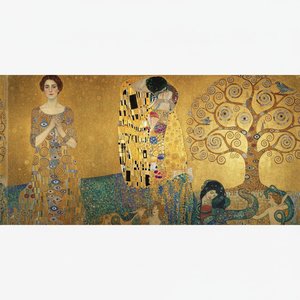
გუსტავ კლიმტის 25 შედევრი: ხელოვნების ისტორია თქვენს სახლში | AllPaintingsStore
გუსტავ კლიმტის 25 შედევრი – ოქროს ფაზა, სეკეციონი და სიმბოლიზმის უნიკალური სამყარო. გაიგეთ ნახატების ისტორია და შეიძინეთ ხელოვნების რესპროდუქციები AllPaintingsStore-ზე. სახლის დეკორი თქვენს გემოვნებით!

Dark Masterpieces: 10 Iconic Paintings Dominated by Black Tones |
Explore 10 iconic paintings dominated by black tones, from Rembrandt’s chiaroscuro to Goya's dark expressions. Discover the stories behind these masterpieces & find museum-quality art reproductions for your home at .


