


 წინასწარი ნახვა
 გაგზავნა
 გაზიარება
 დეტალები
 გზამკვლევი

 ჩამოტვირთვა
 მსგავსები
 რენტგენოგრაფიული კვლევა
 სლაიდშოუ
 კითხვა-პასუხი
 სტატისტიკა
Devil's Acre, Westminster

 გააგრძელეთ კითხვა
გიკლე / ხელოვნების პრინტი
მუზეუმის დონის ჟიკლე ან ტილოზე ბეჭდვა სწრაფი წარმოებისა და დასრულების მოქნილი ვარიანტებით. ( შეიძინეთ ხელით შესრულებული ნახატი გადართვა ციფრულ გამოსახულებაზე)




P118B ₾10

P118H ₾10

P118W ₾10

P438Z ₾10

P508JH ₾12

P508YH ₾12

P805H ₾10

P805Z ₾10

P919BZ ₾10

P919G ₾10

P919XJ ₾10

P959ZH ₾10

P968JZ ₾12

W106C ₾8

W218G ₾10

W218JH ₾8

W218Y ₾10

W307PJ ₾10

W316G ₾10

W316PJ ₾8

W316Y ₾10

W398PJ ₾8

W4111J ₾10

W500HY ₾15

W500JH ₾15

W692G ₾12

W849H ₾8

W940BG ₾15

W953PJ ₾8




აირჩიეთ ჩვენს მიერ წინასწარ განსაზღვრული ზომებიდან, რომლებიც ნაწარმოების ორიგინალურ პროპორციებს შეესაბამება.

შეიყვანეთ თქვენთვის საჭირო სიგანე და სიმაღლე, რათა გამოსახულებამ თქვენს ჩარჩოს ან კედელს ზუსტად მოერგოს. ბეჭდვისას შესაძლებელია მხოლოდ მისი შემცირება და არა გაზრდა, ამიტომ სხვა ფორმის ზომის შემთხვევაში სურათი ნაწილობრივ იკარგება. სანამ რაიმეს დაბეჭდავთ, ჩვენ გამოგიგზავნით ციფრულ მაკეტს დასდასტურებლად. ამ გვერდზე ნაჩვენები სურათი არ ასახავს რეალურ ჭრას — ამას მხოლოდ მაკეტი გვიჩვენებს.
მიწოდება მთელ მსოფლიოში () 2 კვირაში, სტანდარტული 4/5 კვირის ნაცვლად. (9 ნოემბერი)

უფასო ექსპრეს მიწოდება მთელ მსოფლიოში

მაღალი ხარისხის ტილოს ქსოვილი

ტრანსპორტირების სრული დაზღვევა

საბაჟო გადასახადების დაბრუნების გარანტია

ფერების სრული შესაბამისობის გარანტია

დაბრუნების 100-დღიანი პოლიტიკა (მხოლოდ დეფექტის შემთხვევაში)

100% თანხის სრული დაბრუნების გარანტია

ფასდაკლება დიდი რაოდენობით შეკვეთისას
 მინის ჩარჩოს არჩევანი შესაძლებელია მხოლოდ 110 სმ-მდე ზომისთვის

Devil's Acre, Westminster
გიკლე / ხელოვნების პრინტი
რეპროდუქციის ზომა
-


საბოლოო ღირებულება
₾ 169
The Devil’s Acre – Westminster: A Glimpse of Victorian Despair
Gustave Doré's “Devil’s Acre – Westminster,” created in 1872, isn’t merely an illustration; it’s a haunting tableau of urban decay and social injustice. This powerful wood engraving offers a starkly realistic depiction of the infamous Devil’s Half Acre, a notorious slum nestled alongside the grand façade of Westminster Abbey in Victorian London. More than just a visual record, Doré's work serves as a poignant commentary on poverty, overcrowding, and the moral failings of an era grappling with rapid industrialization and its attendant social consequences.
The scene unfolds within a narrow, shadowed street – St. Anne’s Lane – choked by dilapidated buildings and overflowing refuse. The figures depicted are not idealized heroes or romanticized subjects; they are the marginalized inhabitants of this forgotten corner of London: a weary vendor hawking his wares, a man burdened with a bundle, and countless others lost in the grim reality of their existence. Doré masterfully employs chiaroscuro – the dramatic contrast between light and shadow – to heighten the sense of despair and claustrophobia. The muted palette of browns, grays, and blacks reinforces this atmosphere of gloom, while strategically placed shafts of light illuminate pockets of misery, drawing the viewer’s eye to the suffering within.
Doré's Technique: A Masterclass in Wood Engraving
Gustave Doré was a virtuoso of wood engraving, a technique demanding immense skill and patience. He began by meticulously transferring his detailed pencil sketches onto a block of hardwood – typically boxwood or pearwood – using a stylus. Each line, each shading effect, had to be painstakingly carved into the surface of the block with specialized gouges. This process was incredibly laborious, requiring countless hours of work for each image. The resulting print, however, possessed an astonishing level of detail and tonal richness, achieved through careful control of ink distribution and pressure during printing.
Doré’s mastery extended beyond technical skill; he understood how to use the limitations of wood engraving to his advantage. He skillfully created a sense of texture and depth by varying the line weight and density, mimicking the effects of brushstrokes or charcoal shading. The subtle gradations in tone – achieved through multiple passes with the ink roller – contribute significantly to the image’s emotional impact, conveying both the harshness and the vulnerability of the scene.
Historical Context: London's Dark Underbelly
The Devil’s Acre wasn’t a random slum; it was a deliberate consequence of Victorian urban planning. As London swelled with population during the Industrial Revolution, many impoverished families were pushed into overcrowded, unsanitary areas on the fringes of the city. The area surrounding Westminster Abbey, despite its proximity to power and wealth, became a haven for crime, disease, and despair. Charles Waterton, a wealthy eccentric, famously described it as “a place where the devil might find employment,” encapsulating the grim reality of the district.
Doré’s illustration emerged during a period of intense social reform in Britain. The plight of the poor was increasingly recognized, and reformers like Charles Dickens sought to expose the injustices faced by the working class. “Devil’s Acre” served as a powerful visual indictment of this societal failure, prompting reflection on the responsibilities of government and society towards its most vulnerable citizens.
Symbolism and Emotional Resonance
Beyond its documentary value, “Devil’s Acre” is rich in symbolism. The darkness enveloping the scene represents not only physical poverty but also moral decay and spiritual emptiness. The figures themselves embody resilience and suffering, their faces etched with hardship and resignation. The juxtaposition of the imposing grandeur of Westminster Abbey – a symbol of power and faith – against the squalor of the Devil’s Acre creates a profound sense of contrast and injustice.
Doré's work evokes a complex range of emotions: pity, outrage, and perhaps even a touch of melancholy. It is a reminder of the human cost of progress and a testament to the enduring power of art to expose uncomfortable truths and challenge viewers to confront difficult realities. Reproductions of this iconic image continue to resonate today, serving as a poignant symbol of social inequality and the importance of compassion.
კითხვები და პასუხები
რამდენად ბევრ სინათლეს ასახავს "Devil's Acre, Westminster" ფერები?
Гюстав Доре-ის „Devil's Acre, Westminster“-ის განათების სიმკვეთრე შეადგენს Gentle Luminance-ს.
რა ზომის ამობეჭდვა იქნება რეკომენდებული "Devil's Acre, Westminster"-ისთვის ჩემი ოთახისთვის?
Living Room-ისთვის, „Devil's Acre, Westminster“-ის შემთხვევაში, რეკომენდირებულია Medium ზომის ბეჭდური ვერსია.
რა ტექნიკითა და სტილით არის შესრულებული Гюстав Доре-ის „Devil's Acre, Westminster“?
წარმოებაში "Devil's Acre, Westminster", Woodblock Print ტექნიკა და Romantic Realism სტილი ერთმანეთს ერწყმის.
დაკავშირებული ნამუშევრები


მხატვრის ბიოგრაფია
პაული გუსტავე დორეს სამყარო: სინათლისა და ნაწილის სიმფონიური ჰარმონია
პაული გუსტავე ლუი კრისტოფე დორე, უფრო ცნობილი როგორც გუსტავე დორე, იყო ფენომენი, რომელმაც ილუსტრაციის, ζωγραφობის და ქვის ნაკეთების სამყაროები წარმოუდგენელი ნიჭით მოიცვა. სტ라스ბურში დაბადებული, საფრანგეთში, 1832 წლის 6 იანვარს, მისი ცხოვრება განვითარდა უზარმაზის სოციალური და მხატვრული ცვლილებების ეპოქაში, იმ დროს როდესაც რომანტიზმი ჯერ კიდევ ძლიერი იყო, მაგრამ ახალი რეალისტური და სიმბოლურ ტენდენციებს გასცემდა. ბავშობიდანვე დორე გამოჩენილი ნიჭით ხასიათდებოდა, არა მხოლოდ ნახატებში – რასაც იგი უკიდეგანოწესად ადრეულ ასაკში დაიწყო – არამედ პიროვნებით, რომელიც მის ხელოვნებას განსაზღვრავდა. გავრცელებულია ისტორიები ახალგაზრდობის გაბახებთან დაკავშირებით, რაც მისი წლისთვისაც კი სიმწიფისკენ მიანიშნებდა, წინასწარმეტყველებდა იმ რთულ და ხშირად მელანქოლურ თემებს, რომლებიც მის ხელოვნებაში აღმოცენდებოდა. იგი პროფესიონალურ კარიერას საოცრად ადრეულ ასაკში დაიწყო, მხოლოდ 15 წლისამედ, როგორც ქარტუნისტი ფრანგ ჟურნალისთვის *Le Journal pour rire*, სადაც გაამდიდრა მისი დაკვირვების და კომპოზიციის უნარი პარიზული სატირის აურაში.ქარტუნიდან ლიტერატურულ გიგანტებამდე: ილუსტრატორის აღზევება
დორეს ადრეული კომისიები საფუძველი გახდა მისი მომავლის დიდებისთვის. ისეთი ნაშრომები, როგორიცაა *Les Travaux d'Hercule* (1847), *Trois artistes incompris et mécontents* (1851) და *Les Dés-agréments d'un voyage d'agrément* (1851), გამოფენილიყო განვითარებული ნიჭი დინამიკური კომპოზიციისა და სინათლისა და ნაწილისოსოსოსოსოსოსოსოსოსოსოსოსოსოსოსოსოსოსოსოსოსოსოსოსოსოსოსოსოსოსოსოსოსოსოსოსოსოსოსოსოსოსოსოსოსოსოსოსოსოსოსოსოსოსოსოსოსოსოსოსოსოსოსოსოსოსოსოსოსოსოსოსოსოსოსოსოსოსოსოსოსოსოსოსოსოსოსოსოსოსოსოსოსოსოსოსოსოსოსოსოსოსოსოსოსოსოსოსოსოსოსოსოსოსოსოსოსოსოსოსოსოსოსოსოსოსოსოსოსოსოსოსოსოსოსოსოსოსოსოსოსოსოსოსოსოსოსოსოსოსოსოსოსოსოსოსოსოსოსოსოსოსოსოსოსოსოსოსოსოსოსოსოსოსოსოსოსოსოსოსოსოსოსოსოსოსოსოსოსოსოსოსოსოსოსოსოსოსოსოსოსოსოსოსოსოსოსოსოსოსოსოსოსოსოსოსოსოსოსოსოსოსოსოსოსოსოსოსოსოსოსოსოსოსოსოსოსოსოსოსოსოსოსოსოსოსოსოსოსოსოსოსოსოსოსოსოსოსოსოსოსოსოსოსოსოსოსოსოსოსოსოსოსოსოსოსოსოსოსოსოსოსოსოსოსოსოსოსოსოსოსოსოსოსოსოსოსოსოსოსოსოსოსოსოსოსოსოსოსოსოსოსოსოსოსოსოსოსოსოსოსოსოსოსოსოსოსოსოსოსოსოსოსოსოსოსოსოსოსოსოსოსოსოსოსოსოსოსოსოსოსოსოსოსოსოსოსოსოსოსოსოსოსოსოსოსოსოსოსოსოსოსოსოსოსოსოსოსოსოსოსოსოსოსოსოსოსოსოსოსოსოსოსოსოსოსოსოსოსოსოსოსოსოსოსოსოსოსოსოსოსოსოსოსოსოსოსოსოსოსოსოსოსოსოსოსოსოსოსოსოსოსოსოსოსოსოსოსოსოსოსოსოსოსოსოსოსოსოსოსოსოსოსოსოსოსოსოსოსოსოსოსოსოსოსოსოსოსოსოსოსოსოსოსოსოსოსოსოსოსოსოსოსოსოსოსოსოსოსოსოსოსოსოსოსოსოსოსოსოსოსოსოსოსოსოსოსოსოსოსოსოსოსოსოსოსოსოსოსოსოსოსოსოსოსოსოსოსოსოსოსოსოსოსოსოსოსოსოსოსოსოსოსოსოსოსოსოსოსოსოსოსოსოსოსოსოსოსოსოსოსოსოსოსოსოსოსოსოსოსოსოსოსოსოსოსოსოსოსოსოსოსოსოსოსოსოსოსოსოსოსოსოსოსოსოსოსოსოსოსოსოსოსოსოსოსოსოსოსოსოსოსოსოსოსოსოსოსოსოსოსოსოსოსოსოსოსოსოსოსოსოსოსოსოსოსოსოსოსოსოსოსოსოსოსოსოსოსოსოსოსოსოსოსოსოსოსოსოსოსოსოსოსოსოსოსოსოსოსოსოსოსოსოსოსოსოსოსოსოსოსოსოსოსოსოსოსოსოსოსოსოსოსოსოსოსოსოსოსოსოსოსოსოსოსოსოსოსოსოსოსოსოსოსოსოსოსოსოსოსოსოსოსოსოსოსოსოსოსოსოსოსოსოსოსოსოსოსოსოსოსოსოსოსოსოსოსოსოსოსოსოსოსოსოსოსოსოსოსოსოსოსოსოსოსოსოსოსოსოსოსოსოსოსოსოსოსოსოსოსოსოსოსოსოსოსოსოსოსოსოსოსოსოსოსოსოსოსოსოსოსოსოსოსოსოსოსოსოსოსოსოსოსოსოსოსოსოსოსოსოსოსოსოსოსოსოსოსოსოსოსოსოსოსოსოსოსოსოსოსოსოსოსოსოსოსოსოსოსოსოსოსოსოსოსოსოსოსოსოსოსოსოსოსოსოსოსოსოსოსოსოსოსოსოსოსოსოსოსოსოსოსოსოსოსოსოსოსოსოსოსოსოსოსოსოსოსოსოსოსოსოსოსოსოსოსოსოსოსოსოსოსოსოსოსოსოსოსოსოსოსოსოსოსოსოსოსოსოსოსოსოსოსოსოსოსოსოსოსოსოსოსოსოსოსოსოსოსოსოსოსოსოსოსოსოსოსოსოსოსოსოსოსოსოსოსოსოსოსოსოსოსოსოსოსოსოსოსოსოსოსოსოსოსოსოსოსოსოსოსოსოსოსოსოსოსოსოსოსოსოსოსოსოსოსოსოსოსოსოსოსოსოსოსოსოსოსოსოსოსოსოსოსოსოსოსოსოსოსოსოსოსოსოსოსოსოსოსოსოსოსოსოსოსოსოსოსოსოსოსოსოსოსოსოსოსოსოსოსოსოსოსოსოსოსოსოსოსოსოსოსოსოსოსოსოსოსოსოსოსოსოსოსოსოსოსოსოსოსოსოსოსოსოსოსოსოსოსოსოსოსოსოსოსოსოსოსოსოსოსოსოსოსოსოსოსოსოსოსოსოსოსოსოსოსოსოსოსოსოსოსოსოსოსოსოსოსოსოსოსოსოსოსოსოსოსოსოსოსოსოსოსოსოსოსოსოსოსოსოსოსოსოსოსოსოსოსოსოსოსოსოსოსოსოსოსოსოსოსოსოსოსოსოსოსოსოსოსოსოსოსოსოსოსოსოსოსოსოსოსოსოსოსოსოსოსოსოსოსოსოსოსოსოსოსოსოსოსოსოსოსოსოსოსოსოსოსოსოსოსოსოსოსოსოსოსოსოსოსოსოსოსოსოსოსოსოსოსოსოსოსოსოსოსოსოსოსოსოსოსოსოსოსოსოსოსოსოსოსოსოსოსოსოსოსოსოსოსოსოსოსოსოსოსოსოსოსოსოსოსოსოსოსოსოსოსოსოსოსოსოსოსოსოსოსოსოსოსოსოსოსოსოსოსოსოსოსოსოსოსოსოსოსოსოსოსოსოსოსოსოსოსოსოსოსოსოსოსოსოსოსოსოსოსოსოსოსოსოსოსოსოსოსოსოსოსოსოსოსოსოსოსოსოსოსოსოსოსოსოსოსოსოსოსოსოსოსოსოსოსოსოსოსოსოსოსოსოს
Гюстав Доре
1832 - 1883 , საფრანგეთი
მოკლე ინფორმაცია
- Artistic Movement Or Style: რომანტიკური სტილი
- Artists Or Movements Influenced By This Artist: ['ვინსენტი ვან გოხი']
- Artists Who Influenced This Artist: ['ჯ. ჯ. გრანდივილი']
- Date Of Birth: იანვარი 6, 1832
- Date Of Death: იანვარი 23, 1883
- Full Name: Paul Gustave Louis Christophe Doré
- Nationality: ფრანგილია
- Notable Artworks:
- დონ კვიქოტო
- მებაღე მავრინ ბრაუნი
- ლონდონი: მმართველობა და ტურისტული პუნქტი
- Place Of Birth: სტრასბურგი, საფრანგეთი
დაკავშირებული სტატიები

The Refined Aesthetic of Victorian Illustration: A Study in Narrative & Technique
Explore the captivating world of Victorian illustration! Discover Pre-Raphaelite influences, key artists like Rossetti & Stephens, and the era's rich narrative detail. A deep dive for art enthusiasts.

William Powell Frith: Narratives of Victorian Society & the Rise of Realist Painting
Explore the life & works of William Powell Frith, the 'greatest British painter of social scenes.' Discover his iconic Victorian genre paintings and learn about his lasting impact on realist art. Hand-painted reproductions available.

Victorian Naturalism: The Art of Botanical Precision and the Soul of the Natural World
Discover the exquisite era of Victorian Naturalism. Explore how master artists blended scientific precision with breathtaking realism to capture the soul of nature through botanical oil paintings and legendary landscapes.
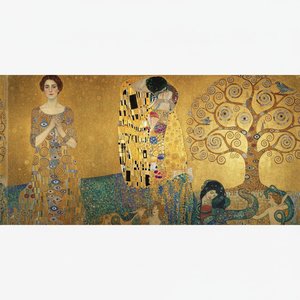
გუსტავ კლიმტის 25 შედევრი: ხელოვნების ისტორია თქვენს სახლში | AllPaintingsStore
გუსტავ კლიმტის 25 შედევრი – ოქროს ფაზა, სეკეციონი და სიმბოლიზმის უნიკალური სამყარო. გაიგეთ ნახატების ისტორია და შეიძინეთ ხელოვნების რესპროდუქციები AllPaintingsStore-ზე. სახლის დეკორი თქვენს გემოვნებით!

Paul Gustave Doré: A Master of Romantic Realism & the Illustrated Imagination
Explore the captivating world of Gustave Doré, master of Romantic realism & iconic illustrator. Discover his dramatic wood engravings, paintings, and sculptures – a legacy shaping art history. Learn more at AllPaintingsStore.


