


 წინასწარი ნახვა
 გაგზავნა
 გაზიარება
 დეტალები

 ჩამოტვირთვა
 მსგავსები
 რენტგენოგრაფიული კვლევა
 სლაიდშოუ
Spring Light

 გადასართად დაწვრილებით ნახეთ
გიკლე / ხელოვნების პრინტი
მუზეუმის დონის ჟიკლე ან ტილოზე ბეჭდვა სწრაფი წარმოებისა და დასრულების მოქნილი ვარიანტებით. ( შეიძინეთ ხელით შესრულებული ნახატი შეიძინეთ გამოსახულება)




































აირჩიეთ ჩვენს მიერ წინასწარ განსაზღვრული ზომებიდან, რომლებიც ნაწარმოების ორიგინალურ პროპორციებს შეესაბამება.

თქვენ შეგიძლიათ მიუთითოთ საკუთარი ზომები კონკრეტული ჩარჩოსთვის ან სივრცისთვის მოსარგებლებლად. თუ თქვენ მიერ არჩეული ზომა არ შეესაბამება ორიგინალი გამოსახულების პროპორციებს, ჩვენ ან დავჭრით ნამუშევარს, ან გავაფართოვებთ გამოსახულებას სარკული ან ერთფეროვანი კიდეებით. წარმოების დაწყებამდე თქვენს დასამტკიცებლად გამოგეგზავნებათ ციფრული მაკეტი.
გთხოვთ, გაითვალისწინოთ, რომ ეკრანზე ნაჩვენები წინასწარი ნახვა არ ასახავს რეალურ ჭრას ან გაფართოებას. მხოლოდ მაკეტზე იქნება ზუსტად წარმოდგენილი საბოლოო კომპოზიცია.
მიუხედავად იმისა, რომ ინდივიდუალური ზომები ხელმისაწვდომია, ორიგინალური პროპორციების შესანარჩუნებლად გირჩევთ, აირჩიოთ ზომა წინასწარ განსაზღვრული სიისგან.
მიწოდება მთელ მსოფლიოში () 2 კვირაში, სტანდარტული 4/5 კვირის ნაცვლად. (19 აგვისტო)

უფასო ექსპრეს მიწოდება მთელ მსოფლიოში

საბამად მაღალი ხარისხის ტილო

სრული ტრანსპორტირების დაზღვევა

საბაჟო გადასახადების დაბრუნების გარანტია

ფერების სრული შესაბამისობის გარანტია

60-დღიანი დაბრუნების პოლიტიკა (მხოლოდ დეფექტის შემთხვევაში)

100% თანხის დაბრუნების გარანტია

ფასდაკლება დიდი რაოდენობით შეკვეთისას
 მინის ჩარჩოს არჩევანი ხელმისაწვდომია მხოლოდ 110 სმ-ზე ნაკლები ზომისთვის

Spring Light
გიკლე / ხელოვნების პრინტი
რეკლამაციის ზომა
-


საბოლოო ფასი
$ 64
დაკავშირებული ნამუშევრები


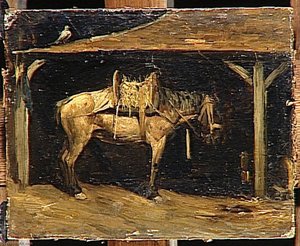


მხატვრის ბიოგრაფია
Early Life and Artistic Beginnings
Paul Madeline was born on October 7, 1863, in Paris, France—a city already brimming with artistic fervor during the Belle Époque. His upbringing within this cultural epicenter instilled in him a profound appreciation for beauty and creativity from his earliest years. Unlike many of his peers who pursued conventional paths toward stability, Madeline harbored an unwavering passion for art that defied societal expectations. Initially drawn to commerce as a means of securing financial independence—a common aspiration among families during the period—his artistic inclinations persisted, ultimately guiding him towards a transformative vocation. He enrolled in the École des Beaux-Arts of Paris, marking the commencement of his formal artistic education and setting the stage for his remarkable career.Formal Training and Influences
Madeline’s studies at the École des Beaux-Arts provided him with invaluable grounding in classical artistic principles—a cornerstone of French art education throughout the 19th century. However, it was his exposure to the burgeoning movements of Impressionism and Post-Impressionism that irrevocably shaped his artistic vision. The bold colors and innovative techniques championed by these trailblazing artists resonated deeply within Madeline’s soul, prompting him to experiment with his own style and forge a distinctive path. Artists like Claude Monet and Camille Pissarro—whose canvases captured the fleeting effects of light and atmosphere—served as pivotal inspirations, encouraging Madeline to explore similar themes in his oeuvre.The Landscape Painter's Vision
Madeline’s artistic focus centered predominantly on landscape painting—a genre particularly favored by Impressionists and Post-Impressionists who sought to depict the grandeur and serenity of the natural world. He embarked upon numerous expeditions throughout France, meticulously documenting scenes from regions such as Brittany, Auvergne, and the Creuse Valley. These journeys fueled his creative imagination and honed his observational skills, resulting in paintings characterized by their luminous quality and vibrant hues—a testament to Madeline’s ability to convey both realism and emotion simultaneously.Notable Works and Artistic Style
Among Madeline's most celebrated creations is “The Banks of the Creuse,” a painting that exemplifies his masterful blending of classical technique with Impressionistic color palettes. The composition—balanced and harmonious—guides the viewer’s gaze through the landscape, while the interplay of light and shadow generates an ethereal atmosphere. Similarly, “Les Lavandières” captures the essence of rural French life with delicate brushstrokes and soft lighting—a hallmark of Madeline's artistic style. His canvases frequently depict scenes from Brittany and Auvergne, showcasing his unwavering dedication to portraying the beauty of the French countryside.Legacy and Historical Significance
Paul Madeline’s contribution to French art history extends far beyond his individual masterpieces. He stood as a prominent figure within “La Société Moderne,” alongside fellow artists Lebasque, Raffaelli, Aman, and Chabas—a collective committed to advancing artistic innovation during the Belle Époque. Madeline's annual participation in prestigious salons—including the Salon des Artistes, the Salon d’Automne, and the Salon de la Nationale des Beaux-Arts—solidified his reputation as a respected artist and ensured that his work would endure for generations to come. His enduring influence can be discerned in subsequent artistic endeavors, cementing Madeline's place as a luminary of Post-Impressionism and a symbol of French cultural heritage.
paul madeline
1863 - 1920 , France
მოკლე ინფორმაცია
- Artistic Movement Or Style: Post-Impressionism
- Artists Or Movements Influenced By This Artist: ['Impressionism']
- Artists Who Influenced This Artist:
- Claude Monet
- Camille Pissarro
- Date Of Birth: October 7, 1863
- Date Of Death: 1920
- Full Name: Paul Madeline
- Nationality: French
- Notable Artworks:
- Les Lavandières
- Un Quai Á Taillebourg
- Place Of Birth: Paris, France
დაკავშირებული სტატიები
პოლ სეზანის 25 შედევრი: ხელოვნების ისტორიაში გამორჩეული ნაწარმოებები | AllPaintingsStore.com
აღმოაჩინეთ პოლ სეზანის 25 გამორჩეული შედევრი! იმპრესიონიზმი, პოსტიმპრესიონიზმი და კუბიზმის წინასწარმეტყველი. ნახატების ისტორია, ტექნიკა და შთაგონება AllPaintingsStore.com-ზე. 🖼️ ხელოვნების ბეჭვრა მუზეუმის ხარისხით.

ჯონ კონსტებლის 25 საუკეთესო შედევრი | ხელოვნების რეკრეაციები AllPaintingsStore-ზე
გაიცანით ჯონ კონსტებლის 25 საუკეთესო შედევრი! ინგლისური პეიზაჟების ისტორია, XIX საუკუნის ხელოვნება და AllPaintingsStore-ზე ხელოვნების უნიკალური კოლექცია. შეიძინეთ ხარისხიანი რეკრეაციები სახლის დეკორაციისთვის. აღმოაჩინეთ სრულყოფილი შეფერილი ტილოები AllPaintingsStore.com-ზე!

პოლ კლის 25 შედევრი: ფერების სიმფონია თქვენს სახლში | AllPaintingsStore.com
აღმოაჩინეთ პოლ კლის 25 შედევრი – აბსტრაქტული ხელოვნების სიმფონია, ფერების ჰარმონია და გერმანელი მხატვრის უნიკალური სტილი. შეიძინეთ მუზეუმის ხარისხის რესპროდუქციები AllPaintingsStore.com-ზე და შექმნით თქვენი სახლისთვის ექსკლუზიური დეკორი. Explore the full collection online!

Whispers of Rural Serenity: A Journey Through the Enchanting Village Landscapes of Impressionism
Immerse yourself in the tranquil beauty of Impressionist village landscapes. Explore our exquisite collection of hand-painted oil reproductions, capturing the light and soul of masters like Monet and Pissarro. Bring a piece of art history into your home with AllPaintingsStore.com.

Beyond the Horizon: 10 Landscape Masterpieces for Your Home Decor
Journey through 10 breathtaking landscape paintings by Monet, Van Gogh & more! Explore iconic artworks, artistic techniques & find inspiration for your home decor. Museum-quality reproductions at AllPaintingsStore.com. Discover all masterpieces on AllPaintingsStore.com



