


 ნახვა ინტერьерში
 გაგზავნა
 გაზიარება
 დეტალები
 გზამკვლევი

 ჩამოტვირთვა
 მსგავსები
 რენტგენოგრაფიული კვლევა
 სლაიდშოუ
 სტატისტიკა
მხედარი სტიდი
 აკრილი ტილოზე
- კედლის დეკორი
- Geometric Expressionism
 1929
1929 182.0 x 192.0 cm
 National Gallery of Modern Art
 სრული ტექსტის ნახვა
გიკლე / ხელოვნების პრინტი
მუზეუმის დონის ჟიკლე ან ტილოზე ბეჭდვა სწრაფი წარმოებისა და დასრულების მოქნილი ვარიანტებით. ( შეიძინეთ ხელით შესრულებული ნახატი გადასვლა ციფრულ გამოსახულებაზე)




P118B ₾10

P118H ₾10

P118W ₾10

P438Z ₾10

P508JH ₾12

P508YH ₾12

P805H ₾10

P805Z ₾10

P919BZ ₾10

P919G ₾10

P919XJ ₾10

P959ZH ₾10

P968JZ ₾12

W106C ₾8

W218G ₾10

W218JH ₾8

W218Y ₾10

W307PJ ₾10

W316G ₾10

W316PJ ₾8

W316Y ₾10

W398PJ ₾8

W4111J ₾10

W500HY ₾15

W500JH ₾15

W692G ₾12

W849H ₾8

W940BG ₾15

W953PJ ₾8




აირჩიეთ ჩვენს მიერ წინასწარ განსაზღვრული ზომებიდან, რომლებიც ნაწარმოების ორიგინალურ პროპორციებს შეესაბამება.

შეიყვანეთ თქვენთვის საჭირო სიგანე და სიმაღლე, რათა იგი მოერგოს თქვენს ჩარჩოს ან კედელს. ბეჭდვისას შესაძლებელია მხოლოდ მისი შემცირება და არა გაზრდა, ამიტომ სხვა ფორმის ზომის შემთხვევაში გამოსახულება ნაწილობრივ იკარგება. სანამ რაიმეს დაბეჭდავთ, ჩვენ გამოგიგზავნით ციფრულ მაკეტს დასდასტურებლად. ამ გვერდზე ნაჩვენები სურათი არ ასახავს რეალურ ჭრას — ამას მხოლოდ მაკეტი გვიჩვენებს.
მიწოდება მთელ მსოფლიოში () 2 კვირაში, სტანდარტული 4/5 კვირის ნაცვლად. (24 ოქტომბერი)

უფასო ექსპრეს მიწოდება მთელ მსოფლიოში

მაღალი ხარისხის ტილო

ტრანსპორტირების სრული დაზღვევა

საბაჟო გადასახადების დაბრუნების გარანტია

ფერების სრული შესაბამისობის გარანტია

დაბრუნების 100-დღიანი პერიოდი (მხოლოდ წარმოების დეფექტის შემთხვევაში)

100% თანხის სრული დაბრუნების გარანტია

ფასდაკლება დიდი რაოდენობით შეკვეთისას
 მინის ჩარჩოს არჩევანი ხელმისაწვდომია მხოლოდ 110 სმ-მდე ზომისთვის

მხედარი სტიდი
გიკლე / ხელოვნების პრინტი
რეპროდუქციის ზომა
-


ჯამური ღირებულება
₾ 167
Head Study (Geometric) – A Visionary Encounter Between Tradition and Abstraction
Rabindranath Tagore’s foray into painting represents an extraordinary convergence of intellectual curiosity and artistic experimentation—a pivotal moment in Bengali art history. Born in Kolkata in 1861, Tagore wasn't merely a literary titan; he possessed a profound sensitivity to visual aesthetics that propelled him beyond the confines of prose and poetry into the realm of abstraction.
- The Genesis of Artistic Expression: Beginning around 1928, at the age of sixty-seven, Tagore embarked on a journey of artistic discovery. Initially driven by spontaneous sketches etched onto manuscript pages during the mid-twenties, he gradually honed his skills in drawing and painting independent images—a deliberate departure from conventional artistic practices.
- A Flourishing Period: Between 1928 and 1940, Tagore produced over two thousand canvases. Remarkably, he eschewed titles for his works, allowing the NGMA (National Gallery of Modern Art) to bestow upon them evocative interpretations that illuminate their essence.
Inspired by European Expressionism and the primal art forms of ancient cultures, Tagore’s artistic vision embraced fantasy, wild imagination, and an inherent appreciation for absurdity. These influences profoundly shaped his visual language—characterized by a distinctive blend of architectural solidity and whimsical playfulness. The geometric patterns that dominate several paintings – particularly this striking head study – speak to a fascination with fundamental shapes.
- Architectonic Geometry: This monochromatic masterpiece embodies Tagore’s preoccupation with geometric forms, notably upward thrusting shapes, protruding beaks, and pointed triangles. Its structural quality reflects an enduring connection to ancient architectural traditions—a testament to Tagore's intellectual depth.
- A Symphony of Lines: The artwork’s composition is dominated by dense cross-hatching that creates texture and movement across the surface. Bold lines delineate the head and neck, contributing to a palpable sense of architectural grandeur. Parallel lines weave through the background, enhancing the overall visual impact.
More than just an image, “Head Study (Geometric)” embodies Tagore’s belief that art should delve into inner realities—a reflection of his philosophical convictions. The subdued tonal palette fosters contemplation and invites viewers to contemplate the interplay between form and emotion. This piece stands as a beacon of contextual modernism—a harmonious blend of Eastern spirituality and Western artistic innovation.
Reproductions Available- Experience the beauty and nuance of Tagore’s vision through meticulously crafted reproductions on premium archival paper, preserving the artwork's original character for generations to come.
კითხვები და პასუხები
რა არის Rabindranath Thakur-ის „მხედარი სტიდი“-ის დომინანტური ფერი?
Rabindranath Thakur-ის „მხედარი სტიდი“-ში დომინირებს ოქრასფერიდან სეპიამდე ტონალობა.
Rabindranath Thakur-ის „მხედარი სტიდი“ ღია ფერების ნამუშევარია თუ მუქი?
Rabindranath Thakur-ის „მხედარი სტიდი“-ის სიკაშკაშე დაფიქსირებულია როგორც ბალანსირებული, ხოლო მისი განათების დონე შეადგენს რბილი ჩრდილი-ს.
რა ფერల პალიტრაა გამოყენებული Rabindranath Thakur-ის „მხედარი სტიდი“-ში?
Rabindranath Thakur-ის „მხედარი სტიდი“ იყენებს მიწისფერი ფერების პალიტრას. ეს პალიტრა ასკლერავს ნამუშევრის საერთო ფეროვან ხასიათს.
მსგავსი ნამუშევრები


მხატვრის ბიოგრაფია
A Pioneer of Contextual Modernism: Rabindranath Tagore’s Artistic Legacy
Rabindranath Tagore, born May 7, 1861, in Kolkata, stands as an unparalleled figure in Bengali literature and culture—a testament to the transformative power of artistic vision. More than just a poet laureate, he was a multifaceted genius who profoundly impacted Indian art with his innovative approach to modernism, blending traditional aesthetics with contemporary sensibilities. His influence continues to resonate across disciplines and cultures today, marking him as a true polymath whose creative reach extended far beyond the written word.
Tagore’s upbringing within an intellectually stimulating family nurtured his innate artistic inclinations. His father, Debendranath Tagore, was a philosopher deeply connected to Abanindranath Tagore—who would later become a celebrated Indian artist and the founder of the Bengal School of May Art. This environment, rich in creative pursuits, provided Rabindranath with a foundation where music, literature, and visual expression were inextricably linked. From childhood, he demonstrated a remarkable aptitude for writing poetry, immersing himself in the literary traditions of Bengal while simultaneously exploring musical compositions. This dual engagement foreshadowed his artistic trajectory, establishing him as an artist who would eventually transcend conventional boundaries.
The Convergence of Tradition and Modernity
Tagore’s involvement with the movement surrounding the Bengal School of Art proved pivotal to shaping his unique visual style. This era championed a distinctive aesthetic known as contextual modernism, which sought to revitalize Indian art through a dialogue with Western influences without abandoning its core spiritual and cultural heritage. Tagore embraced this spirit of experimentation wholeheartedly. While he is globally renowned for his literary mastery, his foray into the visual arts revealed a deeply intuitive and spontaneous creator.
In his paintings, Tagore skillfully incorporated elements of European Impressionism and Symbolism, creating works imbued with evocative imagery and emotional depth. His technique often bypassed rigid academic structures in favor of something more primal and expressive. He utilized fluid lines and organic forms to capture the essence of his subjects, ranging from the spiritual atmosphere of Santiniketan to the rhythmic energy of a Dancing Woman. His work often featured intricate details, such as the poetic use of oriental script seen in masterpieces like Geetāshtak, where lush backgrounds meet calligraphic elegance, inviting viewers into a meditative state.
A Lasting Historical Significance
The significance of Rabindranath Tagore lies not only in his individual achievements but in his role as a bridge between eras and civilizations. As a Nobel Laureate, he brought the profound spiritual and humanistic themes of Indian thought to the global stage through works like Gitanjali. His artistic legacy is characterized by several key pillars:
- Cultural Synthesis: The ability to merge the rhythmic traditions of Bengal with the modern visual languages of the West.
- Spiritual Expression: A lifelong pursuit of capturing the divine and the natural world through both verse and pigment.
- Educational Vision: His role in fostering an environment at Santiniketan where art, nature, and learning could coexist harmoniously.
- Modernist Innovation: Breaking away from rigid metrical patterns in literature and formal constraints in painting to find a more authentic, personal voice.
Today, the works of Tagore serve as a vital touchstone for anyone seeking to understand the evolution of Indian modernism. His ability to weave together the spiritual essence of his homeland with a forward-looking, global perspective ensures that his name remains synonymous with the very heart of creative revolution.

Rabindranath Thakur
1861 - 1941 , India
მოკლე ფაქტები
- Full Name: Rabindranath Tagore
- Nationality: Bengali
- Date Of Birth: 1861
- Date Of Death: 1941
- Place Of Birth: Kolkata, India
- Notable Artworks:
- Pavilion
- Ruins at Cannouge
- Khunjani Wali
- Artistic Movement Or Style: Contextual Modernism
- Artists Who Influenced This Artist:
- Edward Thomas Daniell
- Nandalal Bose
მსგავსი სტატიები

Beyond Form & Color: Geometric Abstraction's Evolution in 20th/21st Century Art
Explore the evolution of geometric abstraction from Cubism to contemporary art. Discover key artists like Malevich & Mondrian, investment insights, and expert collecting advice at AllPaintingsStore.

გეომეტრიული აბსტრაქცია: 10 შედევრი, რომელმაც ხელოვნება განსაზღვრა | AllPaintingsStore.com
გეომეტრიული აბსტრაქციის 10 შედევრი მონდრიანის, მალევიჩისა და კანდინსკის ჩართულობით. გაიგეთ მათი ისტორია, ტექნიკა და გავლენა ხელოვნებაზე. შეიძინეთ უმაღლესი ხარისხის რეკონსტრუქციები AllPaintingsStore.com-ზე!
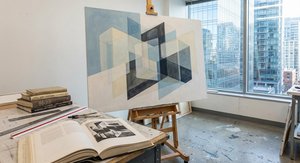
Beyond Form & Color: Geometric Abstraction's Enduring Legacy in Art History
Explore the captivating world of geometric abstraction! Discover its origins, key artists like Malevich & Mondrian, and why this movement remains highly valued by art collectors today. Expert insights at AllPaintingsStore.

შექსտროფული გამოხატვის აბსტრაქციზმის 10 შედევრი: ხელოვნება თქვენი სახლისთვის
აღმოფრთოვანდით აბსტრაქტული გამოხატვისმანიერიზმის 10 უმშვენიერეს შედევრთან! ვასელის, პოლ locks-ის და სხვა ცნობილი მხატვრების ისტორიები. შეიძინეთ მაღალი ხარისბის ხელოვნების რეპროდუქციები AllPaintingsStore.com-ზე და შეცვალეთ თქვენი სახლი!
Kandinsky's Masterpieces: 25 Paintings That Define Abstract Art | AllPaintingsStore
Journey through Wassily Kandinsky's 25 most iconic abstract paintings. Explore his revolutionary use of color, form & spiritual expressionism. Find museum-quality Kandinsky reproductions and elevate your home decor with AllPaintingsStore.com. Discover all masterpieces on AllPaintingsStore.com!


