

Acrylic On Canvas.

§ 1კატალოგის ინფორმაცია


§ 2აბსტრაქტული
კოლექციონირებადი ნივთის აღწერა
 გააგრძელეთ კითხვა
მხატვრის ბიოგრაფია
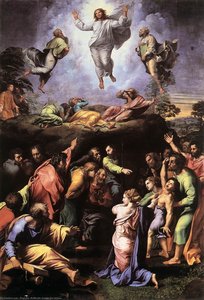
რაფაელი (1483-1520) - განათლების ეპოქის უდიდესი მხატვარი, ცნობილი თავისი მშვიდი მადონებით, არქიტექტორული ნიჭით და გამორჩეულ ტილოებით, როგორისაა "ათენის სკოლა". აღმოფხვრით მისი ურბინოს წარმოშობა და ხელოვნების მემკვიდრეობა.
§ 3კომენტარი
St. George and the Dragon by Raphael
Raphael’s “Saint George and the Dragon,” completed between 1504 and 1506 during his Florentine period, stands as an emblem of Renaissance artistic excellence—a testament to harmonious composition, masterful color palettes, and profound emotional resonance. This diminutive cabinet painting, now housed in the National Gallery of Art in Washington D.C., transcends mere depiction; it embodies the spirit of its time and continues to captivate audiences centuries later.The Artistic Context
Raphael’s genius flourished within the vibrant intellectual milieu of Florence during the High Renaissance, a movement characterized by an unwavering devotion to classical ideals interwoven with Christian faith. Artists like Michelangelo and Leonardo da Vinci sought inspiration from antiquity, mirroring its grandeur and striving for perfection in form and technique—a pursuit mirrored perfectly in Raphael's oeuvre. “St. George and the Dragon” exemplifies this convergence, drawing upon biblical narratives concerning Saint George’s valiant defense of Christendom against pagan evil, while simultaneously grounding itself in the humanist fascination with idealized beauty and proportion.Composition and Symbolism
The painting’s arrangement is deliberately balanced, reflecting Renaissance principles of visual harmony. Saint George, mounted on a magnificent white horse—a symbol of purity and courage—faces down a fearsome dragon, its serpentine form dominating the lower portion of the canvas. The dragon represents chaos and darkness, embodying the forces opposing divine righteousness. Scattered throughout the scene are figures observing the heroic confrontation, adding to the drama and conveying the importance of faith and virtue. Notably, two birds—one positioned near the center-left and another on the right—serve as visual anchors, symbolizing hope and redemption—a recurring motif in Renaissance art reflecting a belief in divine providence.Artistic Techniques
Raphael’s mastery of oil paint is evident in the painting's rich textures and luminous colors. He skillfully employs perspective to create an illusion of depth, drawing inspiration from linear perspective pioneered by Brunelleschi during the construction of Florence Cathedral. Anatomical precision—a hallmark of Renaissance sculpture—is meticulously rendered in Saint George’s musculature and posture, demonstrating Raphael’s unwavering commitment to anatomical accuracy. The artist's meticulous attention to detail contributes significantly to the painting’s emotional impact, conveying a palpable sense of urgency and triumph.Historical Significance
“St. George and the Dragon” holds considerable historical importance as it was originally part of the Pierre Crozat collection and subsequently acquired by Catherine II of Russia in 1772. Its journey through royal collections underscores its enduring artistic value and reflects the shifting tastes of European connoisseurship over time. The painting’s subsequent donation to the National Gallery solidified its place within American art history, ensuring that future generations would appreciate Raphael's unparalleled skill and vision. As a cornerstone of Western painting tradition, “St. George” continues to inspire artists and scholars alike—a timeless masterpiece embodying the ideals of beauty, courage, and faith.- Madonna with Beardless St Joseph by Raphael (Raffaello Sanzio Da Urbino)
- Self-Portrait by Raphael (Raffaello Sanzio Da Urbino)
- Raphael
- Florentine Renaissance art
- Western painting
კითხვები და პასუხები
რა ტიპის ნამუშევარია რაფაელო-ის „St. George and the Dragon“?
რაფაელო-ის „St. George and the Dragon“ კლასიფიცირებულია როგორც WallArt. ეს კატეგორია აღწერს ნამუშევრის ტიპს, რომელსაც ორიგინალი წარმოადგენს.
რაფაელო-ის შემოქმედების რომელი პერიოდის ნაწილია "St. George and the Dragon"?
რაფაელო-ის შემოქმედების პერიოდში „St. George and the Dragon“ Mature Period-ს მიეკუთვნება. ეს ფაზა საშუალებას გვაძლევს, იგი ხელოვანის სხვა ნამუშევრებს შევადაროთ.
რა პალიტრასა და რა განწყობას აერთიანებს "St. George and the Dragon"?
წარმოებულში "St. George and the Dragon", Earthy ფერები Powerful განწყობას ქმნის.



 ბეჭდვის რეჟიმზე გადართვა


 ნებისმიერი მხარისთვის 105 სმ-ზე (დაახლოებით 41 ინჩი) მეტი ზომის ხელოვნებული ნამუშევრების ან რეპროდუქციებისთვის, ჩარჩო მოგზავნდება დაშლილ კომპლექტში. ეს მეთოდი უზრუნველყოფს უსაფრთხო მიწოდებას და თავიდან აგაცილებთ ტრანსპორტირებისას შესაძლო დაზიანებას.




![ვატ კანის სტანცები - ბორგოს ხანძარი (დეტალი) [01]](/media/artworks/images-thumb/76/f6/76f6220ba33c4e1d9790e47ace4c7148.jpg)


