


 წინასწარი ნახვა
 გაგზავნა
 გაზიარება
 დეტალები
 გზამკვლევი

 ჩამოტვირთვა
 მსგავსები
 რენტგენოგრაფიული კვლევა
 სლაიდშოუ
 კითხვა-პასუხი
 სტატისტიკა
The Virtues


 გააგრძელეთ კითხვა
გიკლე / ხელოვნების პრინტი
მუზეუმის დონის ჟიკლე ან ტილოზე ბეჭდვა სწრაფი წარმოებისა და დასრულების მოქნილი ვარიანტებით. ( შეიძინეთ ხელით შესრულებული ნახატი გადართვა ციფრულ გამოსახულებაზე)




P118B ₾10

P118H ₾10

P118W ₾10

P438Z ₾10

P508JH ₾12

P508YH ₾12

P805H ₾10

P805Z ₾10

P919BZ ₾10

P919G ₾10

P919XJ ₾10

P959ZH ₾10

P968JZ ₾12

W106C ₾8

W218G ₾10

W218JH ₾8

W218Y ₾10

W307PJ ₾10

W316G ₾10

W316PJ ₾8

W316Y ₾10

W398PJ ₾8

W4111J ₾10

W500HY ₾15

W500JH ₾15

W692G ₾12

W849H ₾8

W940BG ₾15

W953PJ ₾8




აირჩიეთ ჩვენს მიერ წინასწარ განსაზღვრული ზომებიდან, რომლებიც ნაწარმოების ორიგინალურ პროპორციებს შეესაბამება.

შეიყვანეთ თქვენთვის საჭირო სიგანე და სიმაღლე, რათა გამოსახულებამ თქვენს ჩარჩოს ან კედელს ზუსტად მოერგოს. ბეჭდვისას შესაძლებელია მხოლოდ მისი შემცირება და არა გაზრდა, ამიტომ სხვა ფორმის ზომის შემთხვევაში სურათი ნაწილობრივ იკარგება. სანამ რაიმეს დაბეჭდავთ, ჩვენ გამოგიგზავნით ციფრულ მაკეტს დასდასტურებლად. ამ გვერდზე ნაჩვენები სურათი არ ასახავს რეალურ ჭრას — ამას მხოლოდ მაკეტი გვიჩვენებს.
მიწოდება მთელ მსოფლიოში () 2 კვირაში, სტანდარტული 4/5 კვირის ნაცვლად. (12 ნოემბერი)

უფასო ექსპრეს მიწოდება მთელ მსოფლიოში

მაღალი ხარისხის ტილოს ქსოვილი

ტრანსპორტირების სრული დაზღვევა

საბაჟო გადასახადების დაბრუნების გარანტია

ფერების სრული შესაბამისობის გარანტია

დაბრუნების 100-დღიანი პოლიტიკა (მხოლოდ დეფექტის შემთხვევაში)

100% თანხის სრული დაბრუნების გარანტია

ფასდაკლება დიდი რაოდენობით შეკვეთისას
 მინის ჩარჩოს არჩევანი შესაძლებელია მხოლოდ 110 სმ-მდე ზომისთვის

The Virtues
გიკლე / ხელოვნების პრინტი
რეპროდუქციის ზომა
-


საბოლოო ღირებულება
₾ 169
A Symphony of Virtue: Unveiling Raphael’s “The Virtues”
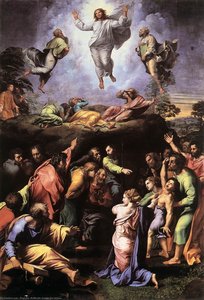
Raphael’s fresco, "The Virtues," painted in 1511 for the Stanza della Segnatura within the Vatican Palace, stands as a pinnacle of High Renaissance artistry. More than just a decorative panel, it's a profound meditation on human potential and moral philosophy, commissioned by Pope Julius II to embody the cardinal virtues – Prudence, Justice, Fortitude, and Temperance – alongside wisdom and knowledge. The scene unfolds within an idealized architectural setting, reminiscent of classical Roman design, creating a harmonious blend of earthly grandeur and divine inspiration. The fresco’s impact is immediate; it radiates serenity and intellectual depth, inviting contemplation on the qualities that define a virtuous life.
- Composition: The arrangement is meticulously balanced, with each virtue occupying a distinct space within the lunettes – arched windows above – of the room. This deliberate structure reinforces their individual significance while contributing to the overall sense of order and harmony.
- Color Palette: Raphael masterfully employs a restrained yet luminous color palette, dominated by cool blues, greens, and golds. These hues evoke a sense of tranquility and wisdom, complementing the allegorical nature of the subject matter.
- Symbolism: Each virtue is represented through carefully chosen symbols – Justice with scales, Temperance with grapes and vines, Fortitude with a lion, Prudence with a shield, and Wisdom with an owl. These visual cues deepen the fresco’s meaning, offering viewers a tangible understanding of each concept.
The Architects of Morality: Raphael's Philosophical Vision
Raphael wasn’t merely depicting virtues; he was engaging in a complex philosophical dialogue. The fresco reflects the humanist ideals prevalent during the Renaissance – a renewed interest in classical philosophy and a belief in human potential for moral excellence. The figures, though idealized, are grounded in earthly reality, representing the practical application of virtue within everyday life. The scene echoes Plato’s concept of the ideal city, where each citizen fulfills their designated role based on their inherent strengths and virtues. Notably, Raphael's work directly responds to the intellectual currents of his time, particularly the rediscovery of ancient Greek philosophy and its emphasis on reason and moral conduct.
The fresco’s setting itself—a grand architectural space reminiscent of Roman design—underscores this connection to classical thought. It suggests that virtue is not merely an individual trait but a fundamental element of a well-ordered society, mirroring the principles of civic harmony espoused by Plato and Cicero.Technique and Artistic Innovation
Raphael’s mastery of fresco technique is evident in every detail. He employed *buon fresco*, a method that involves applying pigments to wet plaster, ensuring their permanence and vibrancy. The intricate details—the drapery, the facial expressions, the architectural elements—demonstrate his exceptional skill as a draftsman and painter. His use of *sfumato* – a subtle blurring technique – creates a sense of depth and atmosphere, lending the fresco an ethereal quality. Furthermore, Raphael’s ability to seamlessly integrate figures into the architectural setting showcases his remarkable compositional skills.
The fresco's scale is also significant; it covers a substantial area of wall space, demanding careful planning and execution. The sheer ambition of the project reflects Raphael’s position as one of the leading artists of his time.A Legacy of Harmony: “The Virtues” Today
“The Virtues” continues to captivate viewers centuries after its creation. Its enduring appeal lies in its timeless message – a celebration of human potential and the importance of moral character. Reproductions of this masterpiece offer an opportunity to experience Raphael’s genius firsthand, bringing his vision of harmony, balance, and intellectual depth into our homes and spaces. Whether admired as a work of art or studied as a philosophical treatise, “The Virtues” remains a testament to the power of beauty and the enduring relevance of human values.
კითხვები და პასუხები
რა ტექნიკით არის შესრულებული "The Virtues" და როდის შეიქმნა იგი?
"The Virtues" შეიქმნა 1511 წელს Acrylic On Canvas ტექნიკის გამოყენებით. მასალა და თარიღი აღწერს, თუ როგორ და როდის შეიქმნა ორიგინალი.
რაფაელ სანტი-ის შემოქმედების რომელ პერიოდს მიეკუთვნება „The Virtues“ (1511)?
"The Virtues", რომელიც 1511-ში შეიქმნა, რაფაელ სანტი-ის შემოქმედებითი კარიერის Mature Period პერიოდს განეკუთვნება."
არსებობს თუ არა სლაიდშოუ ნამუშევრისთვის რაფაელ სანტი-ის „The Virtues“?
სურათების სლაიდშოუ „The Virtues“-ის სანახავად ეწვიეთ ნამუშევრის სლაიდშოუ გვერდს.
დაკავშირებული ნამუშევრები


![ვატიკანის დარბაზები - ლა დიპუტა (დეტალი) [02] — რაფაელ სანტი, High Renaissance](/media/artworks/images-thumb/55/c5/55c5db1a88764a9697fe9eb0ea9d43c9.jpg)

დაკავშირებული სტატიები

Masterpieces of Perfection: The Top 25 Greatest Artworks by Raphael
Journey through the sublime beauty of the High Renaissance with our curated list of Raphael's top 25 masterpieces. From iconic Madonnas to The School of Athens, explore the stories behind these timeless classics and find museum-quality art reproductions at AllPaintingsStore.com.

The Classical Ideal: Achieving Harmony and Grace in Raphael’s High Renaissance Art
Explore the mastery of Raphael's High Renaissance compositions and techniques. Discover the secrets of classical balance today.




![ვატ კანის სტანცები - ბორგოს ხანძარი (დეტალი) [01]](/media/artworks/images-thumb/76/f6/76f6220ba33c4e1d9790e47ace4c7148.jpg)

