

Collage
Acrylic On Canvas.

§ 1Catalogue data

ეს ნაწარმოები დაცულია საავტორო უფლებებით
ამ გვერდზე წარმოდგენილი ნამუშევარი დაცულია საავტორო უფლების შესახებ კანონმდებლობით, რაც იმას ნიშნავს, რომ ჩვენ არ გვაქვს მისი იდენტური რეპროდუქციის შექმნის ან გაყიდვის სამართლებრივი უფლება. აღნიშნული დაცვა უზრუნველყოფილია ისეთი საერთაშორისო შეთანხმებებით, როგორიცაა ბერნის კონვენცია და ეროვნული კანონმდებლობით, მათ შორის იმ კანონებით, რომლებიც დეტალურად არის გაწერილი აშშ-ის საავტორო უფლების შესახებ კანონი - თავი 17.
როგორც პატივისცემით სავსე და კანონიერი ალტერნატივა, ჩვენ გთავაზობთ ორიგინალით შთაგონებულ, ინდივიდუალურ, ხელით შესრულებულ ნამუშევრებს. ჩვენი ოსტატ და პროფესიონალი ხელოვანები საგულდაგულოდ სწავლობენ ორიგინალის სტილს, განწყობასა და მხატვრულ არსს, რათა შექმნან ახალი, უნიკალური ნამუშევარი, რომელიც იგივე ემოციას აღძრავს და, ამავდროულად, თავად წარმოადგენს დამოუკიდებელ, ორიგინალურ შემოქმედებას.
ეს მეთოდი სრულად შეესაბამება საავტორო უფლებების რეგულაციებს, რადგან ის არ გულისხმობს დაცული ნამუშევრის კოპირებას ან დუბლირებას. ამგვარად, ეს წარმოადგენს შემოქმედებით რეინტერპრეტაციას — ახალ ნახატს, რომელიც შთაგონებითაა განპირობებული ორიგინალით, თუმცა არ არის მის იდენტურ ასლს.
 გაეცანით მეტს
§ 2Abstract
კოლექციონირებადი ნივთის აღწერა
მხატვრის ბიოგრაფია
რენე მაგრიტი (1898-1967) - ბელგიელი სურრეალისტი მხატვარი! აღმოაჩინეთ მისი გამორჩეული ტილოები, როგორიცაა "მსაყვარლები", რომლებიც გამოწვევენ რეალობასა და აღქმას. ისტორიული მნიშვნელობის მქონე ხელოვნება!
§ 3Commentary
A Surreal Still Life: Exploring Magritte’s Collage
René Magritte's "Collage" stands as a deceptively simple yet profoundly unsettling exploration of perception and reality—a hallmark characteristic of Surrealist art. Painted around 1962, this artwork embodies the core tenets of Surrealism, championed by André Breton and his circle, who sought to liberate the subconscious mind from rational constraints. The painting presents a stark tableau: three objects arranged against a muted backdrop – a yellow hand resting on a surface, an orange ball hovering above it, and a crimson curtain draped in the background—figures that appear commonplace yet simultaneously imbued with an inexplicable tension.Style and Technique: Precision Within Illusion
Magritte’s meticulous technique distinguishes him from many of his contemporaries who embraced spontaneous expression. Unlike Dali's melting clocks or Ernst’s biomorphic abstractions, Magritte employed a precise realism to depict these seemingly banal items. However, this careful rendering serves not to reinforce the observable world but rather to heighten its strangeness. The artist utilized oil paint on canvas with meticulous attention to detail, achieving a velvety surface texture that contrasts subtly with the flatness of the composition. This deliberate control over materiality underscores Magritte’s intention: to present familiar objects in an unfamiliar context, forcing viewers to question their assumptions about how they perceive and interpret visual information.Historical Context: Breton's Manifesto and Beyond
“Collage” emerged during a period marked by intense intellectual ferment—the aftermath of World War II and the burgeoning influence of psychoanalysis spearheaded by Sigmund Freud. Surrealism arose as a reaction against the anxieties of postwar Europe, fueled by disillusionment with traditional artistic conventions and philosophical ideologies. Breton’s 1929 Manifesto for Surrealist Painting declared that art should be “psychic automatism in its purest form,” bypassing conscious thought and tapping into the realm of dreams and irrational impulses. Magritte embraced this ethos, mirroring Freud's exploration of unconscious desires and anxieties—a preoccupation with hidden meanings and destabilizing accepted notions of reality.Symbolism: The Hand, The Ball, And The Curtain – Layers of Meaning
The objects within “Collage” are laden with symbolic significance. The yellow hand represents vulnerability and exposure; its upward palm suggests a yearning for connection or perhaps an attempt to grasp something elusive. Simultaneously, it embodies the artist’s own preoccupation with representation—the hand itself is depicted as a solid form despite being rendered in paint, highlighting Magritte's awareness of the illusionistic nature of art. The orange ball symbolizes optimism and aspiration, hovering above the hand like a beacon of hope amidst uncertainty. However, its position also disrupts the expected hierarchy of visual elements, mirroring the Surrealist desire to subvert conventional order. Finally, the crimson curtain serves as a barrier—a symbol of concealment and repression—yet it’s equally suggestive of protection and concealment. Its color evokes associations with blood and passion, hinting at repressed emotions and unresolved conflicts.Emotional Impact: A Quiet Disquiet
Despite its understated aesthetic, “Collage” possesses a palpable emotional resonance. The painting doesn't provoke immediate shock or melodrama; rather, it instills a subtle sense of unease—a feeling that something is amiss beneath the surface tranquility. Magritte’s masterful manipulation of visual cues compels viewers to confront their own perceptions and assumptions about reality. Like many Surrealist artworks, “Collage” invites contemplation and encourages us to consider alternative interpretations, prompting us to question what we see and what lies beyond our conscious awareness. It remains a testament to Magritte's ability to distill profound philosophical ideas into deceptively simple visual forms—a captivating piece that continues to fascinate audiences today.კითხვები და პასუხები
რა განწყობასა და ემოციას გამოხატავს რენე მარგრიტი-ის „Collage“?
რენე მარგრიტი-ის „Collage“ გადმოგვცემს Mysterious შეგრძნებას, საერთო Mystical განწყობის ფარგლებში.
როგორ არის აგებული რენე მარგრიტი-ის „Collage“-ის ფეროვანი კომპოზიცია?
რენე მარგრიტი-ის „Collage“-ის ფერული კომპოზიცია აერთიანებს Balanced კონტრასტს და Discordant Palette ჰარმონიას.
არის რენე მარგრიტი-ის „Collage“ პორტრეტული, პეიზაჟური თუ კვადრატული კომპოზიცია?
„Collage“-ის ფორმატი არის Landscape. ეს სასარგებლოა რეკრედუქციის განთავსების ადგილის დაგეგმვისას.
§ 4The artist
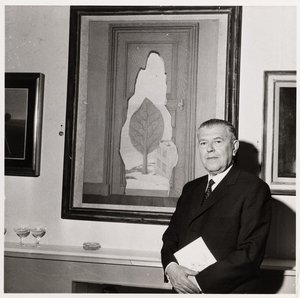
რენე მარგრიტი
1898 - 1967, ბელგია
მოკლე ფაქტები
- Artistic Movement Or Style: სურრეალიზმი
- Artists Or Movements Influenced By This Artist:
- პოპ არტის
- მინიმალიზმი არტის
- Artists Who Influenced This Artist: ['გიორგი დე ჩირიკო']
- Date Of Birth: ნovemბერი 21, 1898
- Date Of Death: აგვისტოს 15, 1967
- Full Name: René François Ghislain Magritte
- Nationality: ბელგიელი
- Notable Artworks:
- ლე ამანტსი
- თე ტრᅦჩერაჰი ოფ იმ აჟე სის
- ไทม์ ტრანსფიქსਡ
- თე ჰუმენ კონდიშენი
- Place Of Birth: ლესინეს ბელგია
მხატვრის ბიოგრაფია
Early Life and the Seeds of Surrealism
René Magritte, born René François Ghislain Magritte on November 21, 1898, in Lessines, Belgium, emerged into a world that would profoundly shape his enigmatic artistic vision. His early years were marked by an unsettling event – the suicide of his mother when he was just thirteen. The image of her body being recovered from the River Sambre, with her dress obscuring her face, became a haunting motif that would subtly permeate his later work, manifesting in veiled figures and a persistent exploration of hidden realities. This early trauma instilled within him a fascination with mystery, loss, and the unsettling power of what remains unseen. While details of his childhood remain somewhat elusive, it’s clear this formative experience laid the groundwork for his lifelong questioning of perception and representation. He began drawing lessons at age ten, revealing an innate inclination towards visual expression, but initially explored Impressionism before embarking on a path that would lead him to become one of the most significant figures in Surrealist art.
Artistic Development and Influences
Magritte’s artistic journey was not immediate or straightforward. He studied at the Académie Royale des Beaux-Arts in Brussels, yet found its traditional methods stifling. His early work experimented with Futurism and Cubism, absorbing elements of these avant-garde movements but ultimately rejecting their purely formal concerns. It wasn't until encountering Giorgio de Chirico’s painting *The Song of Love* in 1922 that Magritte discovered a resonance that would irrevocably alter his artistic course. De Chirico’s dreamlike landscapes and unsettling juxtapositions unlocked within Magritte a new way of seeing – a world where the familiar could be rendered strange, and the ordinary imbued with profound mystery. This encounter sparked his commitment to Surrealism, though he often maintained a unique distance from its more overtly psychological or automatic approaches. He preferred a meticulous, almost clinical precision in his painting, using realistic techniques to depict illogical scenarios.
The Heart of Surrealism: Challenging Reality
By 1926, Magritte had fully embraced the tenets of Surrealism, producing *Le Jockey Perdu (The Lost Jockey)*, widely considered his first truly surrealist work. However, his brand of Surrealism was distinct. He wasn’t interested in exploring the subconscious through free association or dream imagery in the manner of some of his contemporaries. Instead, Magritte sought to challenge viewers' perceptions of reality by presenting ordinary objects in unexpected contexts, forcing them to question their assumptions about the world around them. Iconic works like *The Treachery of Images (This is not a pipe)* (1929) brilliantly deconstructs the relationship between image and object, reminding us that a representation is never the thing itself. *Les Amants (The Lovers)* (1927-1928), with its shrouded figures, echoes the trauma of his mother’s death while simultaneously exploring themes of concealment and intimacy. *Time Transfixed* (1938) presents a locomotive bursting through a brick wall, disrupting our sense of space and time. And *The Human Condition* (1933), a canvas within a canvas, blurs the boundaries between representation and reality, prompting us to consider how we perceive and interpret the world.
Major Achievements and Recognition
Despite initial struggles for recognition, Magritte’s work gradually gained prominence, particularly in the United States with exhibitions in 1936 and later retrospective shows at the Museum of Modern Art (1965) and the Metropolitan Museum of Art (1992). He remained politically engaged throughout his life, advocating for artistic autonomy. He continued to refine his signature style, exploring themes of repetition, illusion, and the power of language in paintings that are both intellectually stimulating and visually arresting. Magritte died on August 15, 1967, leaving behind a body of work that continues to captivate and challenge audiences worldwide. His influence extends far beyond the realm of painting, impacting pop art, minimalist art, conceptual art, and even advertising and film.
- Museum Collections: Musées royaux des Beaux-Arts de Belgique, Brussels; Magritte Museum
Magritte's enduring legacy lies in his ability to make us see the familiar anew, to question our assumptions about reality, and to appreciate the power of art to provoke thought and inspire wonder. He wasn’t simply painting images; he was crafting visual paradoxes that continue to resonate with viewers decades after their creation, solidifying his position as a true master of Surrealism and a pivotal figure in 20th-century art.
§ 5Comparanda
მსგავსი ნამუშევრები


§ 6Questions
§ 7Further reading
მსგავსი სტატიები

The Treachery of Images: Decoding René Magritte’s Surrealist Philosophy and the Paradox of Representation
Explore the profound mystery of René Magritte’s 'The Treachery of Images.' Dive into an expert analysis of his Surrealist philosophy, the paradox of representation, and how he challenged reality through the interplay of language and visual perception.

The Soul of Color: A Journey into the Emotional Resonance of Lyrical Abstraction
Embark on a cultural journey through Lyrical Abstraction. Explore how masters like Kandinsky used color and motion to translate emotion into visual poetry. Discover the profound beauty of abstract expressionism and learn to curate emotional resonance in your own art collection.

სურნეალიზმის 10 შედევრი: ხელოვნების განცვიფრებულ სამყველში
აღმოფრთოვანდით სურნეალიზმის 10 უმშვენიერეს შედევრს! დალი, მაგრიტი და სხვა მხატვრების საოცარი სამყველო. ითვლით ხელოვნების ისტორიას და შეიძინეთ музейური ხარისხის ტილოები AllPaintingsStore-ზე. აღმოაჩინეთ ყველა შედევრი ონლაინ!

შექსտროფული გამოხატვის აბსტრაქციზმის 10 შედევრი: ხელოვნება თქვენი სახლისთვის
აღმოფრთოვანდით აბსტრაქტული გამოხატვისმანიერიზმის 10 უმშვენიერეს შედევრთან! ვასელის, პოლ locks-ის და სხვა ცნობილი მხატვრების ისტორიები. შეიძინეთ მაღალი ხარისბის ხელოვნების რეპროდუქციები AllPaintingsStore.com-ზე და შეცვალეთ თქვენი სახლი!

გეომეტრიული აბსტრაქცია: 10 შედევრი, რომელმაც ხელოვნება განსაზღვრა | AllPaintingsStore.com
გეომეტრიული აბსტრაქციის 10 შედევრი მონდრიანის, მალევიჩისა და კანდინსკის ჩართულობით. გაიგეთ მათი ისტორია, ტექნიკა და გავლენა ხელოვნებაზე. შეიძინეთ უმაღლესი ხარისხის რეკონსტრუქციები AllPaintingsStore.com-ზე!
Cite this entry
AllPaintingsStore.com, “რენე მარგრიტი, Collage”, https://allpaintingsstore.com/ka/art/rene-magritte-collage-8EWR62-en/ArtistReproduction/ (accessed 1 ოქტომბერი 2026).
§ 8The reproduction
ხელით შესრულებული ზეთის საღებავით რეპროდუქცია
ტილოზე შესრულებული ფერწერიანი ზეთប្រდათი, თქვენთვის სასურველი ზომისა და ჩარჩოსთვის, ჩვენი ხელოვანების მიერ შეკვეთის საფუძველზე დამზადებული. ( გადართვა ბეჭდვის რეჟიმზე გადასვლა ციფრულ გამოსახულებაზე)
It is specified on the order sheet in the margin; the present state of that sheet reads as follows.

Collage
რეპროდუქციის ტექნიკა
რეპროდუქციის ზომა
-

დასახელებული ხელოვანთა შერჩეული კოლექცია
უფრო მეტი დეტალიზაცია, დახვეწილობა და დამატებითი დამუშავების დრო
-

რეკლამაციის ჩარჩო
-
-
ნებისმიერი მხარისთვის 105 სმ-ზე (დაახლოებით 41 ინჩი) მეტი ზომის ხელოვნებული ნამუშევრების ან რეპროდუქციებისთვის, ჩარჩო მოგზავნდება დაშლილ კომპლექტში. ეს მეთოდი უზრუნველყოფს უსაფრთხო მიწოდებას და თავიდან აგაცილებთ ტრანსპორტირებისას შესაძლო დაზიანებას.
საჭიროა პროფესიონალური აწყობა - ეს არ არის თვითმომსახურების (DIY) პროდუქტი.
კომპლექტის აწყობა და ტილოს დაჭიმვა უნდა განახორციელოს გამოცდილმა პროფესიონალმა ჩარჩოს დამამზადებელმა, ხის წებოს (არ შედის კომპლექტში), ტილოს დაჭიმვის ბერჭებისა და საკრამების გამოყენებით, რათა წებოს გასაშრობად ღერძები სწორად და სტაბილურად დაფიქსირდეს. არასწორი აწყობა ან ტილოს არათანაბარი დაჭიმვა შეიძლება გამოიწვიოს ნამუშევრის სამუდამო დაზიანება, რაც არ იფარება ჩვენი გარანტიით.
 ნებისმიერი მხარისთვის 105 სმ-ზე (დაახლოებით 41 ინჩი) მეტი ზომის ხელოვნებული ნამუშევრების ან რეპროდუქციებისთვის, ჩარჩო მოგზავნდება დაშლილ კომპლექტში. ეს მეთოდი უზრუნველყოფს უსაფრთხო მიწოდებას და თავიდან აგაცილებთ ტრანსპორტირებისას შესაძლო დაზიანებას.
კომპლექტში შედის მყარი ხის ყველა ღერძი, ზუსტად გაზომილი და საჭირო ზომაზე დაჭრილი.
აწყობისთვის გამოიყენება მოთავსებული ხრახნები; ასევე დაგჭირდებათ ხის წებო კუთხეების დასაკავშირებლად, რომელიც კომპლექტში არ შედის და თქვენმა ჩარჩოს დამამზადებელმა უნდა შეიძინოს დამოუკიდებლად.
საჭიროა პროფესიონალური ხელსაწყოები, რომლებიც არ შედის კომპლექტში: ტილოს დაჭიმვის ბრჭყალები (დამჭერი) და სამჭედლები, რათა წებოს გასაშრობ პროცესში რამკოს კუთხეები სწორად ფიქსირდეს.
მნიშვნელოვანია:
კუთხეების დასაკავშირებლად საჭიროა ხის წებო; სანამ წებო სრულად გაშრება, ღერძები დაფიქსირებული უნდა იყოს საკავშირეებით, ხოლო აწყობილ ჩარჩოზე ტილოს დასჭიმად საჭიროა ტილოს დასჭიმელი ბრჭჭვალი. არცერთი ეს ნივთი არ შედის კომპლექტში. გთხოვთ, ამ ზომის შეკვეთამდე წინასწარ დაგეგმოთ გამოცდილი პროფესიონალი ჩარჩოს დამზადებელი.

სახელოვანი ფირფიტა
-
-

დამცავი ლაქი
ბზინვარე ლაქი (აფერსკვიატებს ფერებს და იცავს სინათლისა და ტენისგან)
-

ჩემი ნამუშევრის პერსონალიზაცია
რა შეიძლება შეიცვალოს (მაგალითები): სახის შეცვლა მომხმარებლის ფოტოთი; შინაური ცხოველის დამატება (მაგალითად, კატის დგებით შეცვლა); ფონზე ფარული შეტყობინების დამატება; ფონის ლანდშაფტის ან ელემენტების შეცვლა.
-

სასწრაფო მიწოდება
მიწოდება მსოფლიო მასშტაბით () 3-4 კვირაში, სტანდარტული 5 კვირის ნაცვლად. (29 ოქტომბერი). ხარისხზე კომპრომისის გაკეთება არ მოხდება.
-
ექსპრეს-მიწოდება
მიწოდება მსოფლიოს მასშტაბით (), 5 კვირაში. (5 ნოემბერი).
მოყვება
ჯამური ღირებულება
₾ 672
Included with every order
- უფასო ექსპრეს მიწოდება მთელ მსოფლიოში
- მაღალი ხარისხის ტილო
- ტრანსპორტირების სრული დაზღვევა
- საბაჟო გადასახადების დაბრუნების გარანტია
- ფერების სრული შესაბამისობის გარანტია
- დაბრუნების 100-დღიანი პერიოდი (მხოლოდ წარმოების დეფექტის შემთხვევაში)
- 100% თანხის სრული დაბრუნების გარანტია
- ფასდაკლება დიდი რაოდენობით შეკვეთისას


