


 ნახვა ინტერьерში
 გაგზავნა
 გაზიარება
 დეტალები
 გზამკვლევი

 ჩამოტვირთვა
 მსგავსები
 რენტგენოგრაფიული კვლევა
 სლაიდშოუ
 სტატისტიკა
Mao


 სრული ტექსტის ნახვა
ამ გვერდზე წარმოდგენილი ნამუშევარი დაცულია საავტორო უფლების შესახებ კანონმდებლობით, რაც იმას ნიშნავს, რომ ჩვენ არ გვაქვს მისი იდენტური რეპროდუქციის შექმნის ან გაყიდვის სამართლებრივი უფლება. აღნიშნული დაცვა უზრუნველყოფილია ისეთი საერთაშორისო შეთანხმებებით, როგორიცაა ბერნის კონვენცია და ეროვნული კანონმდებლობით, მათ შორის იმ კანონებით, რომლებიც დეტალურად არის გაწერილი აშშ-ის საავტორო უფლების შესახებ კანონი - თავი 17.
როგორც პატივისცემით სავსე და კანონიერი ალტერნატივა, ჩვენ გთავაზობთ ორიგინალით შთაგონებულ, ინდივიდუალურ, ხელით შესრულებულ ნამუშევრებს. ჩვენი ოსტატ და პროფესიონალი ხელოვანები საგულდაგულოდ სწავლობენ ორიგინალის სტილს, განწყობასა და მხატვრულ არსს, რათა შექმნან ახალი, უნიკალური ნამუშევარი, რომელიც იგივე ემოციას აღძრავს და, ამავდროულად, თავად წარმოადგენს დამოუკიდებელ, ორიგინალურ შემოქმედებას.
ეს მეთოდი სრულად შეესაბამება საავტორო უფლებების რეგულაციებს, რადგან ის არ გულისხმობს დაცული ნამუშევრის კოპირებას ან დუბლირებას. ამგვარად, ეს წარმოადგენს შემოქმედებით რეინტერპრეტაციას — ახალ ნახატს, რომელიც შთაგონებითაა განპირობებული ორიგინალით, თუმცა არ არის მის იდენტურ ასლს.
ხელით შესრულებული ზეთის საღებავით რეპროდუქცია
ტილოზე შესრულებული ფერწერიანი ზეთប្រდათი, თქვენთვის სასურველი ზომისა და ჩარჩოსთვის, ჩვენი ხელოვანების მიერ შეკვეთის საფუძველზე დამზადებული. ( გადართვა ბეჭდვის რეჟიმზე გადასვლა ციფრულ გამოსახულებაზე)




P118B ₾10

P118H ₾10

P118W ₾10

P438Z ₾10

P508JH ₾12

P508YH ₾12

P805H ₾10

P805Z ₾10

P919BZ ₾10

P919G ₾10

P919XJ ₾10

P959ZH ₾10

P968JZ ₾12

W106C ₾8

W218G ₾10

W218JH ₾8

W218Y ₾10

W307PJ ₾10

W316G ₾10

W316PJ ₾8

W316Y ₾10

W398PJ ₾8

W4111J ₾10

W500HY ₾15

W500JH ₾15

W692G ₾12

W849H ₾8

W940BG ₾15

W953PJ ₾8




აირჩიეთ ჩვენს მიერ წინასწარ განსაზღვრული ზომებიდან, რომლებიც ნაწარმოების ორიგინალურ პროპორციებს შეესაბამება.

შეიყვანეთ თქვენთვის საჭირო სიგანე და სიმაღლე, რათა ნახატი მოერგოს თქვენს ჩარჩოს ან კედელს. ვინაიდან ეს ნამუშევარი ხელით არის შესრულებული, სხვა ფორმის ზომის შემთხვევაში, მხატვარმა შესაძლოა სურათის გარშემო ოდნავ მეტი დატოვოს ან შეამციროს — არჩევანი თქვენზეა. დაწყებამდე, დასამტკიცებლად, ჩვენ გამოგიგზავნით ციფრულ მაკეტს. ამ გვერდზე ნაჩვენები სურათი არ ასახავს რეალურ შედეგს — რეალური სახე მხოლოდ მაკეტზე ჩანს.
შეკვეთის შემდეგ, AllPaintingsStore.com გუნდი დაგიკავშირდებათ ელექტრონული ფოსტით ინსტრუქციებისთვის და გამოგიგზავნით წინასწარ ნახაზს (mockup).
მიწოდება მსოფლიო მასშტაბით -ში 3/4 კვირაში, სტანდარტული 5 კვირის ნაცვლად. (27 ოქტომბერი). ხარისხზე კომპრომისის გაკეთება არ მოხდება.

უფასო ექსპრეს მიწოდება მთელ მსოფლიოში

მაღალი ხარისხის ტილო

ტრანსპორტირების სრული დაზღვევა

საბაჟო გადასახადების დაბრუნების გარანტია

ფერების სრული შესაბამისობის გარანტია

დაბრუნების 100-დღიანი პერიოდი (მხოლოდ წარმოების დეფექტის შემთხვევაში)

100% თანხის სრული დაბრუნების გარანტია

ფასდაკლება დიდი რაოდენობით შეკვეთისას
 მინის ჩარჩოს არჩევანი ხელმისაწვდომია მხოლოდ 110 სმ-მდე ზომისთვის

Mao
რეპროდუქციის ტექნიკა
რეპროდუქციის ზომა
-


ჯამური ღირებულება
₾ 671
A Bold Statement in Monochrome: Exploring Roy Lichtenstein’s “Mao”
The painting "Mao," executed by Roy Lichtenstein in 1971, stands as an arresting emblem of Pop Art's engagement with popular culture and political iconography. More than just a depiction of Mao Zedong—the paramount leader of China—it embodies Lichtenstein’s innovative approach to artistic representation, transforming a monumental figure into a stylized visual motif. The artwork immediately captivates the viewer with its striking juxtaposition of black and white hues punctuated by vibrant red accents, instantly establishing it as a stylistic homage to comic book aesthetics.- Style & Technique: Lichtenstein’s signature technique—Ben-Day printing—is meticulously employed here. This method mimics the halftone dots used in commercial illustrations, creating an illusion of color through strategically placed shades of gray and red. The resulting surface possesses a textured quality reminiscent of printed matter, furthering the artwork's connection to its origins.
- Historical Context: Created during the height of Mao Zedong’s reign, “Mao” reflects the pervasive influence of communist ideology in China during the early 1970s. Lichtenstein deliberately chose this subject matter not merely for its visual impact but also to comment on the role of propaganda and celebrity culture within political discourse.
- Symbolism: The smiling Mao Zedong figure is presented with a deliberate simplicity that belies its significance. Lichtenstein’s stylized portrayal avoids sentimental glorification, instead conveying an aura of authority and unwavering conviction—characteristics often associated with communist leaders. The red accents serve as a visual reminder of the Communist Party's emblem and symbolize power, revolution, and ideological fervor.
Decoding Lichtenstein’s Pop Art Vocabulary
Lichenstein’s artistic démarche wasn’t simply about replicating reality; it was about reimagining it through the lens of popular culture. He drew inspiration from comic strips—specifically those featuring Ben-Day printing—to develop his distinctive visual language. This stylistic choice deliberately distanced Lichtenstein's work from traditional academic painting, prioritizing accessibility and immediacy. By appropriating elements of commercial illustration, he questioned the boundaries between high art and low culture, sparking considerable debate within the artistic community.Emotional Resonance & Artistic Legacy
Despite its seemingly detached aesthetic, “Mao” possesses a palpable emotional resonance. The stylized depiction of Mao Zedong evokes contemplation on leadership, ideology, and the complexities of political representation. Lichtenstein’s masterful manipulation of color and texture contributes to an unsettling yet captivating visual experience—a testament to his ability to convey profound ideas through deceptively simple forms. “Mao” remains a cornerstone of Pop Art's legacy, demonstrating how artists can engage with societal concerns while simultaneously innovating stylistic conventions.კითხვები და პასუხები
ზუსტად რომელ ოთახშია რეკომენდებული როი ლიქტენšteინ-ის „Mao“?
როი ლიქტენšteინ-ის „Mao“ რეკომენდებულია Living Room-ისთვის. ეს შეთავაზება ეფუძნება ნამუშევრის თემატიკას, ფერებსა და განწყობას.
შეიძლება თუ არა "Mao" შეძენა როგორც მხატვრული პრინტი?
როი ლიქტენšteინ-ის „Mao“-ის პრინტის მისაღებად, უბრალოდ შეუკვეთეთ მისი ხელოვნების მაღალი ხარისხის ბეჭედი გვერდიდან: ხელოვნების მაღალი ხარისხის ბეჭდური ბამბის ტილოს ან საარქივო ტილოს ქაღალდის ბაზაზე.
არის თუ არა როი ლიქტენšteინ-ის შემოქმედებისგან „Mao“ საჯარო საკუთრებაში და რატომ?
როი ლიქტენšteინ-ის „Mao“ არის კვლავ დაცულია საავტორო უფლებით. საავტორო უფლებების ვადა ითვლება ხელოვანის გარდაცვალებიდან, რომელიც მოხდა 1997 წელს.


მხატვრის ბიოგრაფია
Roy Lichtenstein: Pioneering Pop Artist
Roy Fox Lichtenstein, born in the vibrant metropolis of New York City on October 27, 1923, indelibly altered the landscape of twentieth-century art. Emerging as a pivotal figure within the Pop Art movement, Lichtenstein didn’t simply reflect his era; he actively interrogated it, transforming commonplace imagery into compelling artistic statements. His upbringing in an upper-middle-class Jewish family fostered both a cultural awareness and an early artistic inclination. Childhood exposure to museums and concerts, coupled with a deep appreciation for jazz music, laid the groundwork for a creative spirit that would challenge conventional notions of fine art. Though initially drawn to realistic drawing and painting during his formative years, Lichtenstein’s formal training commenced at the Art Students League in 1939 under Reginald Marsh, followed by studies at Ohio State University – interrupted briefly by wartime service in the Army. These experiences provided a robust technical foundation that would later be brilliantly re-contextualized through the lens of mass culture and commercial aesthetics. The seeds of his signature style weren’t sown within the hallowed halls of artistic tradition but rather in the often-overlooked world of everyday imagery, particularly comic books and advertising.Early Years and Artistic Influences
Lichtenstein's formative years were marked by a profound engagement with art history and musical performance. He possessed an innate talent for drawing and sculpting as a teenager, spending countless hours absorbing inspiration from masters like Rembrandt and Picasso—artists whose stylistic innovations profoundly shaped his artistic sensibilities. His formal training at the Art Students League under Reginald Marsh instilled in him a disciplined approach to painting, emphasizing observation and tonal gradation – techniques that would become central to his distinctive visual language. Simultaneously, Ohio State University provided him with invaluable experience in teaching art and fostering critical thinking about artistic expression. Notably, Hoyt L. Sherman’s method of organizing and unifying compositions exerted considerable influence on Lichtenstein's artistic development, shaping his conceptual framework and informing his stylistic choices. He maintained that Sherman had shown him how to see—a perspective he carried throughout his career.The Birth of Pop Art: From Abstract Expressionism to Comic Book Inspiration
Lichtenstein’s artistic trajectory took a decisive turn during his tenure at Rutgers University where he encountered Allan Kaprow, whose experimental approach to art reinvigorated Lichtenstein's interest in proto-pop imagery—specifically, the bold graphic styles found in advertising and comic books. This encounter catalyzed a fundamental shift away from Abstract Expressionism’s subjective exploration of emotion toward Pop Art’s objective engagement with popular culture. Recognizing the limitations of expressive painting, Lichtenstein sought to transcend stylistic conventions by appropriating visual elements from mass media—a deliberate act of artistic rebellion against established aesthetic hierarchies. He began experimenting with techniques mimicking commercial printing processes, notably Ben-Day dots—the minute mechanical patterning used in newspaper reproduction and advertising—to convey texture and gradations of color. This appropriation wasn’t merely about stylistic imitation; it was a conceptual assertion that challenged the notion of originality and questioned the role of artistic subjectivity in shaping visual experience.Major Achievements: Iconic Paintings and Lasting Legacy
Lichtenstein achieved international renown with groundbreaking exhibitions showcasing his distinctive Pop Art style—characterized by vibrant colors, bold outlines, and meticulous reproductions of comic book panels. His most celebrated works include *Whaam!* (1963), a monumental canvas depicting an aerial combat scene from DC Comics’ *All-American Men of War*, which exemplifies Lichtenstein's masterful manipulation of visual language to convey themes of heroism and violence. Similarly, *Drowning Girl* (1963) captures the anxieties of American society through a stylized depiction of a young woman submerged in water—a poignant commentary on vulnerability and resilience. *Oh, Jeff…I Love You, Too…But…* (1964), another iconic painting featuring a cartoon character, explores themes of romantic longing and disillusionment with unflinching honesty. Furthermore, Lichtenstein’s monumental mural for the New York State Pavilion at Expo ’64—a bold reimagining of Cézanne's *Mont Sainte-Victoire*—demonstrates his artistic ambition and his willingness to engage in large-scale public art projects. His enduring legacy rests on his pioneering use of commercial techniques, his subversive critique of cultural conventions, and his unwavering commitment to exploring the aesthetic qualities of mass media—a contribution that continues to inspire artists and scholars alike. ## Influence and Artistic Significance Roy Lichtenstein’s influence extends far beyond the realm of painting, shaping artistic discourse and inspiring generations of visual artists across diverse disciplines. His innovative appropriation of comic book imagery—coupled with his meticulous replication of printing processes—established a new paradigm for artistic expression, challenging traditional notions of originality and authorship. He demonstrated that art could derive inspiration from unexpected sources—popular culture—and that stylistic conventions could be interrogated to reveal underlying social and psychological dynamics. Lichtenstein’s work remains as relevant today as it was during the height of Pop Art—serving as a powerful reminder of the pervasive influence of media saturation on our perceptions of reality and prompting ongoing critical dialogue about the relationship between art, culture, and commerce. His legacy is a testament to artistic vision, intellectual curiosity, and the transformative potential of embracing unconventional stylistic approaches—a contribution that secures his place among the most influential artists of the twentieth century.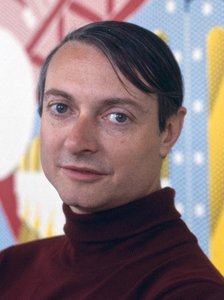
როი ლიქტენšteინ
1923 - 1997 , สหรัฐอเมริกา
მოკლე ფაქტები
- Artistic Movement Or Style: ᲤᲞՕᏢ არტის მცენება
- Artists Who Influenced This Artist:
- ᲠᲔᲒᲔᲜᲐᲓᲔᲓᲘᲡᲙᲔᲐᲓ კᲐᲞᲠᅩᲴი
- ᲤᲐᲠᲓᲔᲓᲘᲡᲙᲔᲐᲓ კᲔᲐᲓᲔᲠᲔᲓᲔᲓᲘᲡᲔᲡᲔ
- Date Of Birth: ოქტომბერი 27, 1923
- Date Of Death: სექტემბერი 29, 1997
- Full Name: Roy Fox Lichtenstein
- Nationality: Ამერიკელი
- Notable Artworks:
- ᲣᲐᲐᲛ!
- ᲓᲐᲜᲘᲜᲘᲜ𝙶ᲔᲠᲘᲡ გﯿﺮԼ
- ᲛᲐᲡᲢᲔᲠᲑᲔᲡᲞᲔᲘᲡᲔᲡᲔ
- ᲓᲐᲜᲘᲜᲘᲜ𝙶ᲔᲠᲘᲡ გﯿﺮ ლ
- Place Of Birth: Ნᅲ იорк სიტი, აՄშ
მსგავსი სტატიები

როი ლიხტენშტაინის 25 გამორჩეული ნაწარმოები | სახატავი ხელოვნება AllPaintingsStore-ზე
გაიცანით როი ლიხტენშტაინის 25 გამორჩეული ნაწარმოები! პოპ-არტის ხელოვნება, კომიკსების სტილი და უნიკალური ფერები AllPaintingsStore-ზე. ნახატები იყიდეთ მუზეუმის ხარისხით და შექმნით განსაცვიფრებელი ინტერიერი. აღმოაჩინეთ მეტი AllPaintingsStore.com-ზე!

Dark Masterpieces: 10 Iconic Paintings Dominated by Black Tones |
Explore 10 iconic paintings dominated by black tones, from Rembrandt’s chiaroscuro to Goya's dark expressions. Discover the stories behind these masterpieces & find museum-quality art reproductions for your home at .

Pop Power: The High-Impact Color Theory of Roy Lichtenstein | A Visual Journey into Pop Art Mastery
Dive into the high-impact world of Roy Lichtenstein. Explore how his bold color theory, Ben-Day dots, and comic book aesthetics revolutionized modern art and continue to define contemporary visual culture.

White on Canvas: 10 Masterpieces & Timeless Elegance for Your Home Decor
Explore 10 iconic white paintings by Monet, Whistler & Rothko! Discover the stories behind these serene masterpieces and their impact on art history. Find museum-quality reproductions for your home decor at .

პოპ-არტის 10 შედევრი, რომელმაც ხელოვნების სამყარო შეცვალა | AllPaintingsStore.com
გაიცანით პოპ-არტის 10 შედევრი, რომლებმაც შეცვალეს ხელოვნების ისტორია! ენდი უორჰოლი, როი ლიხტენშტაინი და სხვა ცნობილი მხატვრები. შეიძინეთ მუზეუმის ხარისხის რეპლიკები AllPaintingsStore.com-ზე.


