წინასწარი ნახვა
 გაგზავნა
 გაზიარება
 დეტალები

 ჩამოტვირთვა
 მსგავსები
 რენტგენოგრაფიული კვლევა
 სლაიდშოუ
Mirror 1


 გადასართად დაწვრილებით ნახეთ
გიკლე / ხელოვნების პრინტი
მუზეუმის დონის ჟიკლე ან ტილოზე ბეჭდვა სწრაფი წარმოებისა და დასრულების მოქნილი ვარიანტებით. ( შეიძინეთ ხელით შესრულებული ნახატი შეიძინეთ გამოსახულება)




P118B $10

P118H $10

P118W $10

P438Z $10

P508JH $12

P508YH $12

P805H $10

P805Z $10

P919BZ $10

P919G $10

P919XJ $10

P959ZH $10

P968JZ $12

W106C $8

W218G $10

W218JH $8

W218Y $10

W307PJ $10

W316G $10

W316PJ $8

W316Y $10

W398PJ $8

W4111J $10

W500HY $15

W500JH $15

W692G $12

W849H $8

W940BG $15

W953PJ $8




აირჩიეთ ჩვენს მიერ წინასწარ განსაზღვრული ზომებიდან, რომლებიც ნაწარმოების ორიგინალურ პროპორციებს შეესაბამება.

თქვენ შეგიძლიათ მიუთითოთ საკუთარი ზომები კონკრეტული ჩარჩოსთვის ან სივრცისთვის მოსარგებლებლად. თუ თქვენ მიერ არჩეული ზომა არ შეესაბამება ორიგინალი გამოსახულების პროპორციებს, ჩვენ ან დავჭრით ნამუშევარს, ან გავაფართოვებთ გამოსახულებას სარკული ან ერთფეროვანი კიდეებით. წარმოების დაწყებამდე თქვენს დასამტკიცებლად გამოგეგზავნებათ ციფრული მაკეტი.
გთხოვთ, გაითვალისწინოთ, რომ ეკრანზე ნაჩვენები წინასწარი ნახვა არ ასახავს რეალურ ჭრას ან გაფართოებას. მხოლოდ მაკეტზე იქნება ზუსტად წარმოდგენილი საბოლოო კომპოზიცია.
მიუხედავად იმისა, რომ ინდივიდუალური ზომები ხელმისაწვდომია, ორიგინალური პროპორციების შესანარჩუნებლად გირჩევთ, აირჩიოთ ზომა წინასწარ განსაზღვრული სიისგან.
მიწოდება მთელ მსოფლიოში () 2 კვირაში, სტანდარტული 4/5 კვირის ნაცვლად. (20 აგვისტო)

უფასო ექსპრეს მიწოდება მთელ მსოფლიოში

საბამად მაღალი ხარისხის ტილო

სრული ტრანსპორტირების დაზღვევა

საბაჟო გადასახადების დაბრუნების გარანტია

ფერების სრული შესაბამისობის გარანტია

60-დღიანი დაბრუნების პოლიტიკა (მხოლოდ დეფექტის შემთხვევაში)

100% თანხის დაბრუნების გარანტია

ფასდაკლება დიდი რაოდენობით შეკვეთისას
 მინის ჩარჩოს არჩევანი ხელმისაწვდომია მხოლოდ 110 სმ-ზე ნაკლები ზომისთვის

Mirror 1
გიკლე / ხელოვნების პრინტი
რეკლამაციის ზომა
-


საბოლოო ფასი
$ 64
საკლექციო აღწერა
A Study in Reflections: Roy Lichtenstein’s ‘Mirror 1’
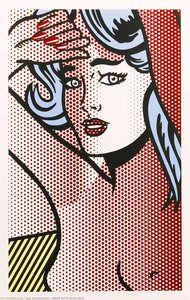
Roy Lichtenstein's *Mirror 1*, created in 1969, is a striking example of his continued exploration of representation, perception, and the boundaries between fine art and commercial imagery. While not employing his signature Ben-Day dots as prominently as some of his earlier Pop Art masterpieces, this work demonstrates a sophisticated refinement of his stylistic concerns – symmetry, bold graphic lines, and an intriguing ambiguity of form.Deconstructing the Image: Subject & Style
At first glance, *Mirror 1* presents a highly stylized, almost abstract composition. The dominant feature is a large, swirling curve that evokes both flowing water and a reflective surface – hinting at the work’s title. Above this dynamic form rise two angular shapes, reminiscent of reeds or branches, adding a vertical counterpoint to the curvilinear base. The entire design is contained within an oval-like frame, lending it a shield-like quality. The piece exists firmly within Lichtenstein's mature style, moving beyond direct comic book appropriation towards a more conceptual engagement with representation itself. It’s a departure from his earlier, overtly “Pop” works, leaning into a cleaner, more architectural aesthetic.Technique & Materials
Lichtenstein masterfully employs precise line work to create this image, likely utilizing pen or a similar tool on paper. The stark contrast between the solid black areas and white spaces is crucial to its visual impact, emphasizing the geometric nature of the design. The background’s dense network of small dots isn't merely decorative; it creates texture and depth, subtly suggesting a mechanical reproduction process – a key theme in Lichtenstein’s work. This technique echoes the printing methods he so often referenced, blurring the lines between original artwork and mass-produced imagery.Historical Context & Artistic Evolution
By 1969, Lichtenstein was already an established figure in the Pop Art movement, having gained international recognition throughout the 1960s with works like *Look Mickey* and *Whaam!*. However, he consistently pushed his artistic boundaries. The “Mirror” series – of which this is a part – represents a shift towards exploring themes of reflection, illusion, and spatial ambiguity. This period saw him experimenting with different materials and techniques, including collage and sculpture, all while maintaining his distinctive visual language. His interest in mirrors wasn’t solely aesthetic; it reflected (pun intended) a broader artistic inquiry into the nature of representation itself – how we perceive reality through mediated images. As he stated, Pop Art was “not 'American' painting but actually industrial painting.”Symbolism & Emotional Resonance
The symbolism within *Mirror 1* is open to interpretation. The swirling curve could represent the fluidity of consciousness, the distortion of perception, or simply a stylized depiction of water. The vertical elements might symbolize growth, aspiration, or even fragility. Ultimately, the power of this work lies in its ambiguity. It doesn’t offer easy answers but invites viewers to contemplate their own relationship with images and reality. The overall effect is one of quiet dynamism – a sense of movement contained within a rigid geometric structure. It evokes a feeling of introspection, prompting us to consider what we see, how we see it, and the role of art in shaping our perceptions.Collecting & Interior Design
*Mirror 1*, or a high-quality reproduction thereof, would be a compelling addition to any modern or contemporary collection. Its monochromatic palette and strong graphic lines make it incredibly versatile for interior design. It complements minimalist spaces beautifully, adding a touch of sophisticated visual interest without overwhelming the room. It also provides a striking contrast in more eclectic settings, serving as a focal point that draws the eye and sparks conversation. The work’s subtle complexity ensures it remains engaging over time, offering new layers of meaning with each viewing.დაკავშირებული ნამუშევრები


მხატვრის ბიოგრაფია
Roy Lichtenstein: Pioneering Pop Artist
Roy Fox Lichtenstein, born in the vibrant metropolis of New York City on October 27, 1923, indelibly altered the landscape of twentieth-century art. Emerging as a pivotal figure within the Pop Art movement, Lichtenstein didn’t simply reflect his era; he actively interrogated it, transforming commonplace imagery into compelling artistic statements. His upbringing in an upper-middle-class Jewish family fostered both a cultural awareness and an early artistic inclination. Childhood exposure to museums and concerts, coupled with a deep appreciation for jazz music, laid the groundwork for a creative spirit that would challenge conventional notions of fine art. Though initially drawn to realistic drawing and painting during his formative years, Lichtenstein’s formal training commenced at the Art Students League in 1939 under Reginald Marsh, followed by studies at Ohio State University – interrupted briefly by wartime service in the Army. These experiences provided a robust technical foundation that would later be brilliantly re-contextualized through the lens of mass culture and commercial aesthetics. The seeds of his signature style weren’t sown within the hallowed halls of artistic tradition but rather in the often-overlooked world of everyday imagery, particularly comic books and advertising.Early Years and Artistic Influences
Lichtenstein's formative years were marked by a profound engagement with art history and musical performance. He possessed an innate talent for drawing and sculpting as a teenager, spending countless hours absorbing inspiration from masters like Rembrandt and Picasso—artists whose stylistic innovations profoundly shaped his artistic sensibilities. His formal training at the Art Students League under Reginald Marsh instilled in him a disciplined approach to painting, emphasizing observation and tonal gradation – techniques that would become central to his distinctive visual language. Simultaneously, Ohio State University provided him with invaluable experience in teaching art and fostering critical thinking about artistic expression. Notably, Hoyt L. Sherman’s method of organizing and unifying compositions exerted considerable influence on Lichtenstein's artistic development, shaping his conceptual framework and informing his stylistic choices. He maintained that Sherman had shown him how to see—a perspective he carried throughout his career.The Birth of Pop Art: From Abstract Expressionism to Comic Book Inspiration
Lichtenstein’s artistic trajectory took a decisive turn during his tenure at Rutgers University where he encountered Allan Kaprow, whose experimental approach to art reinvigorated Lichtenstein's interest in proto-pop imagery—specifically, the bold graphic styles found in advertising and comic books. This encounter catalyzed a fundamental shift away from Abstract Expressionism’s subjective exploration of emotion toward Pop Art’s objective engagement with popular culture. Recognizing the limitations of expressive painting, Lichtenstein sought to transcend stylistic conventions by appropriating visual elements from mass media—a deliberate act of artistic rebellion against established aesthetic hierarchies. He began experimenting with techniques mimicking commercial printing processes, notably Ben-Day dots—the minute mechanical patterning used in newspaper reproduction and advertising—to convey texture and gradations of color. This appropriation wasn’t merely about stylistic imitation; it was a conceptual assertion that challenged the notion of originality and questioned the role of artistic subjectivity in shaping visual experience.Major Achievements: Iconic Paintings and Lasting Legacy
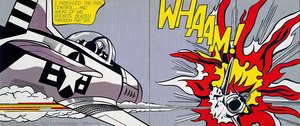
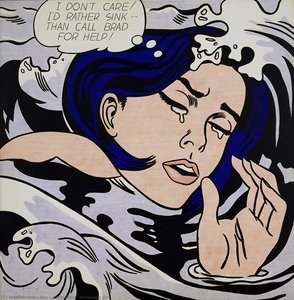
Lichtenstein achieved international renown with groundbreaking exhibitions showcasing his distinctive Pop Art style—characterized by vibrant colors, bold outlines, and meticulous reproductions of comic book panels. His most celebrated works include *Whaam!* (1963), a monumental canvas depicting an aerial combat scene from DC Comics’ *All-American Men of War*, which exemplifies Lichtenstein's masterful manipulation of visual language to convey themes of heroism and violence. Similarly, *Drowning Girl* (1963) captures the anxieties of American society through a stylized depiction of a young woman submerged in water—a poignant commentary on vulnerability and resilience. *Oh, Jeff…I Love You, Too…But…* (1964), another iconic painting featuring a cartoon character, explores themes of romantic longing and disillusionment with unflinching honesty. Furthermore, Lichtenstein’s monumental mural for the New York State Pavilion at Expo ’64—a bold reimagining of Cézanne's *Mont Sainte-Victoire*—demonstrates his artistic ambition and his willingness to engage in large-scale public art projects. His enduring legacy rests on his pioneering use of commercial techniques, his subversive critique of cultural conventions, and his unwavering commitment to exploring the aesthetic qualities of mass media—a contribution that continues to inspire artists and scholars alike. ## Influence and Artistic Significance Roy Lichtenstein’s influence extends far beyond the realm of painting, shaping artistic discourse and inspiring generations of visual artists across diverse disciplines. His innovative appropriation of comic book imagery—coupled with his meticulous replication of printing processes—established a new paradigm for artistic expression, challenging traditional notions of originality and authorship. He demonstrated that art could derive inspiration from unexpected sources—popular culture—and that stylistic conventions could be interrogated to reveal underlying social and psychological dynamics. Lichtenstein’s work remains as relevant today as it was during the height of Pop Art—serving as a powerful reminder of the pervasive influence of media saturation on our perceptions of reality and prompting ongoing critical dialogue about the relationship between art, culture, and commerce. His legacy is a testament to artistic vision, intellectual curiosity, and the transformative potential of embracing unconventional stylistic approaches—a contribution that secures his place among the most influential artists of the twentieth century.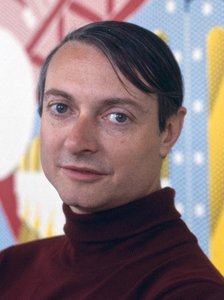
როი ლიქტენšteინ
1923 - 1997 , สหรัฐอเมริกา
მოკლე ინფორმაცია
- Artistic Movement Or Style: ᲤᲞՕᏢ არტის მცენება
- Artists Who Influenced This Artist:
- ᲠᲔᲒᲔᲜᲐᲓᲔᲓᲘᲡᲙᲔᲐᲓ კᲐᲞᲠᅩᲴი
- ᲤᲐᲠᲓᲔᲓᲘᲡᲙᲔᲐᲓ კᲔᲐᲓᲔᲠᲔᲓᲔᲓᲘᲡᲔᲡᲔ
- Date Of Birth: ოქტომბერი 27, 1923
- Date Of Death: სექტემბერი 29, 1997
- Full Name: Roy Fox Lichtenstein
- Nationality: Ამერიკელი
- Notable Artworks:
- ᲣᲐᲐᲛ!
- ᲓᲐᲜᲘᲜᲘᲜ𝙶ᲔᲠᲘᲡ გﯿﺮԼ
- ᲛᲐᲡᲢᲔᲠᲑᲔᲡᲞᲔᲘᲡᲔᲡᲔ
- ᲓᲐᲜᲘᲜᲘᲜ𝙶ᲔᲠᲘᲡ გﯿﺮ ლ
- Place Of Birth: Ნᅲ იорк სიტი, აՄშ
დაკავშირებული სტატიები

The Psychology of Color in Roy Lichtenstein’s Pop Art Masterpieces: A Designer's Guide to Bold Visual Impact
Master the psychology of color in Roy Lichtenstein’s Pop Art. An expert guide for hotel designers on utilizing bold palettes and Ben-Day dots to create high-impact, memorable hospitality environments through premium art reproductions.

The Mass Media Muse: How Pop Art Redefined the Modern Masterpiece
Explore how Pop Art revolutionized the modern masterpiece by embracing mass media and consumer culture. Discover the profound impact of Warhol and Lichtenstein on contemporary art history and design through this expert-led deep dive into the era of the mass media muse.