ნახვა ინტერьерში
 გაგზავნა
 გაზიარება
 დეტალები
 გზამკვლევი

 ჩამოტვირთვა
 მსგავსები
 რენტგენოგრაფიული კვლევა
 სლაიდშოუ
 Q&A
Q&A სტატისტიკა
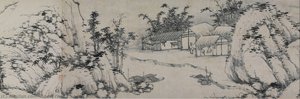
Სpring outing
 აკრილი ტილოზე
- კედლის დეკორი
- Impressionistic Landscape
 356.0 x 34.0 cm
 ჰონგ-კონგის ხელოვნების მუზეუმი
 სრული ტექსტის ნახვა
გიკლე / ხელოვნების პრინტი
მუზეუმის დონის ჟიკლე ან ტილოზე ბეჭდვა სწრაფი წარმოებისა და დასრულების მოქნილი ვარიანტებით. ( შეიძინეთ ხელით შესრულებული ნახატი გადასვლა ციფრულ გამოსახულებაზე)




P118B ₾10

P118H ₾10

P118W ₾10

P438Z ₾10

P508JH ₾12

P508YH ₾12

P805H ₾10

P805Z ₾10

P919BZ ₾10

P919G ₾10

P919XJ ₾10

P959ZH ₾10

P968JZ ₾12

W106C ₾8

W218G ₾10

W218JH ₾8

W218Y ₾10

W307PJ ₾10

W316G ₾10

W316PJ ₾8

W316Y ₾10

W398PJ ₾8

W4111J ₾10

W500HY ₾15

W500JH ₾15

W692G ₾12

W849H ₾8

W940BG ₾15

W953PJ ₾8




აირჩიეთ ჩვენს მიერ წინასწარ განსაზღვრული ზომებიდან, რომლებიც ნაწარმოების ორიგინალურ პროპორციებს შეესაბამება.

შეიყვანეთ თქვენთვის საჭირო სიგანე და სიმაღლე, რათა იგი მოერგოს თქვენს ჩარჩოს ან კედელს. ბეჭდვისას შესაძლებელია მხოლოდ მისი შემცირება და არა გაზრდა, ამიტომ სხვა ფორმის ზომის შემთხვევაში გამოსახულება ნაწილობრივ იკარგება. სანამ რაიმეს დაბეჭდავთ, ჩვენ გამოგიგზავნით ციფრულ მაკეტს დასდასტურებლად. ამ გვერდზე ნაჩვენები სურათი არ ასახავს რეალურ ჭრას — ამას მხოლოდ მაკეტი გვიჩვენებს.
მიწოდება მთელ მსოფლიოში () 2 კვირაში, სტანდარტული 4/5 კვირის ნაცვლად. (28 ოქტომბერი)

უფასო ექსპრეს მიწოდება მთელ მსოფლიოში

მაღალი ხარისხის ტილო

ტრანსპორტირების სრული დაზღვევა

საბაჟო გადასახადების დაბრუნების გარანტია

ფერების სრული შესაბამისობის გარანტია

დაბრუნების 100-დღიანი პერიოდი (მხოლოდ წარმოების დეფექტის შემთხვევაში)

100% თანხის სრული დაბრუნების გარანტია

ფასდაკლება დიდი რაოდენობით შეკვეთისას
 მინის ჩარჩოს არჩევანი ხელმისაწვდომია მხოლოდ 110 სმ-მდე ზომისთვის

Სpring outing
გიკლე / ხელოვნების პრინტი
რეპროდუქციის ზომა
-


ჯამური ღირებულება
₾ 167
Shen Zhou’s Spring Outing: A Masterpiece of Tranquility
Shen Zhou (1427–1509), arguably the most prominent master of the Wu School of Painting, stands as a beacon of scholarly artistic ideals during Ming Dynasty China. Born into a family blessed with considerable wealth stemming from land ownership and tax collection roles, Shen consciously deviated from societal expectations favoring a contemplative life centered on artistic pursuits and intellectual exchange—a lifestyle that profoundly shaped both his oeuvre and legacy. His unwavering dedication to filial piety guided his decisions, resulting in a serene existence far removed from the ambitions of official careers. He lived a long life witnessing significant transformations within China’s political landscape and artistic trends, an experience that undeniably enriched his creative vision.- Historical Context: The Ming Dynasty (1368–1644) represented a period of cultural flourishing fueled by Confucian ideals and patronage from the imperial court. Artists like Shen Zhou sought to embody these values through their work, reflecting the harmonious relationship between humanity and nature that underpinned Ming aesthetics.
- The Wu School’s Influence: Shen Zhou spearheaded the Wu School, which championed a distinctive style characterized by subtle tonal variations achieved through meticulous brushwork. This approach prioritized capturing the essence of natural beauty rather than striving for photographic realism—a cornerstone of Chinese artistic tradition.
Composition and Technique: Embracing Ni Zan’s Vision
The painting's horizontal format, a hallmark of scroll paintings, immediately establishes a sense of spaciousness and balance. Shen Zhou skillfully employed layered arrangements featuring rocky hills framing a central area populated by buildings and figures—a compositional strategy reminiscent of the celebrated Ni Zan (1301–1374). As Shen Zhou meticulously studied Ni Zan’s techniques, he adopted Ni Zan's characteristic “folded belt texture strokes” to depict the rocks, emphasizing their ruggedness and conveying a palpable connection to the earth. This deliberate stylistic homage underscores Shen Zhou’s commitment to honoring artistic predecessors.- Color Palette: The monochromatic palette—primarily black ink on off-white rice paper—serves as an instrument of profound symbolic significance. Absence of color amplifies the painting's contemplative mood and directs attention toward textural nuances and tonal gradations.
- Brushwork: Shen Zhou’s brushstrokes are remarkably delicate, demonstrating exceptional control and precision. The artist skillfully utilized dry brushwork to render rocky surfaces, creating a tactile impression that invites viewers to contemplate the materiality of the landscape—a technique deeply rooted in Wu School tradition.
Symbolism and Emotional Resonance: A Reflection of Inner Harmony
The sparse arrangement of trees contributes to the painting’s overall atmosphere of tranquility, mirroring the Confucian ideal of “wu wei”—non-interference—which permeated Ming artistic thought. The depiction of buildings and figures suggests a human presence within this serene environment, symbolizing aspiration for moral refinement and spiritual enlightenment. Shen Zhou's masterful execution evokes feelings of serenity and contemplation, inviting viewers to immerse themselves in the beauty of nature and contemplate the profound connections between humanity and the cosmos.- Light & Perspective: Despite lacking explicit illumination sources, Shen Zhou achieves a convincing sense of depth through subtle variations in ink density—a technique honed by masters like Huang Gongwang (1269–1354). The distant hills appear paler and less detailed than those closer to the viewer, reinforcing the illusion of spatial recession.
- Overall Impression: Shen Zhou’s Spring Outing transcends mere representation; it embodies a philosophical stance—a celebration of simplicity, harmony, and contemplation. It stands as an enduring testament to the Wu School's artistic legacy and its profound influence on Chinese art history.
Concluding Remarks: An Artistic Legacy Enduring Time
Shen Zhou’s Spring Outing remains a captivating exemplar of Ming Dynasty artistry, demonstrating unparalleled skill in capturing the essence of natural beauty while simultaneously conveying deep philosophical convictions. Its enduring appeal lies not only in its aesthetic qualities but also in its ability to inspire viewers with its serene vision—a timeless masterpiece that continues to resonate across centuries.კითხვები და პასუხები
რა ფერები დომინირებს ნამუშევარში Shen Zhou-ის „Სpring outing“?
"Სpring outing" ხასიათდება ნეიტრალური ტონები პალიტრით, რომელსაც წინამძღოლობით ნაცრისფერი (#767570) გამოკვეთს.
რა ორიენტაცია აქვს Shen Zhou-ის „Სpring outing“-ს?
„Სpring outing“-ის ფორმატი არის პანორამული. ეს სასარგებლოა რეკრედუქციის განთავსების ადგილის დაგეგმვისას.
არის თუ არა "Სpring outing" ცნობილი Impressionistic Landscape მიმდევრობის ნამუშევარი?
კატალოგში, Impressionistic Landscape სტილის ნამუშევრებს შორის, "Სpring outing" აღწევს აღიარებული-ს.
მსგავსი ნამუშევრები


მხატვრის ბიოგრაფია
A Life Dedicated to Art and Contemplation
Shen Zhou, a name synonymous with the flourishing of scholar-artist ideals in Ming dynasty China, was born in 1427 near Suzhou into a family whose wealth stemmed from both land ownership and service as tax collectors. This fortunate circumstance afforded him an upbringing steeped in learning and cultural refinement, yet he consciously chose a path diverging from the conventional expectations of his social standing. Rather than pursuing official examinations and a career within the imperial bureaucracy, Shen Zhou dedicated himself to filial piety, caring for his widowed mother, Chang Su-wan. This decision wasn’t one of resignation but rather a deliberate embrace of a reclusive life centered on artistic pursuits, intellectual exchange, and quiet contemplation – a lifestyle that would profoundly shape both his art and legacy. He lived a long life, dying in 1509, witnessing significant shifts within the Chinese political and artistic landscape, and ultimately becoming a pivotal figure in defining a new aesthetic direction.The Rise of the Wu School and a Revivalist Spirit
Shen Zhou’s artistic development unfolded during a period of considerable transition in Chinese painting history. The relocation of the Ming capital from Nanjing to Beijing created a cultural distance, lessening the direct influence of imperial tastes and allowing for regional styles to flourish. It was within this environment that Shen Zhou emerged as the founder of the Wu School, based in Suzhou. This wasn’t merely a geographical designation; it represented a conscious revival of artistic principles championed by scholar-painters of the preceding Yuan dynasty. These artists viewed painting not as a profession or a means to courtly favor, but as an integral part of self-cultivation – a meditative practice reflecting one's inner world and understanding of the universe. The Wu School painters deliberately distanced themselves from the more formal, technically precise style favored by the Ming court, seeking instead a return to the expressive freedom and individualistic spirit of earlier masters.Mastering Tradition, Forging a Unique Style
Shen Zhou’s artistic foundations were deeply rooted in the legacy of Yuan dynasty painters like Wang Meng, Huang Gongwang, and Wu Zhen. He meticulously studied their techniques, absorbing their compositional strategies and brushwork nuances. However, he wasn't simply an imitator; he possessed a remarkable ability to synthesize these influences with his own innovative sensibilities. His landscapes are particularly celebrated for their meticulous detail, reflecting both a reverence for Chinese history and the philosophical underpinnings of Confucianism. He also became renowned for his distinctive “boneless” flower paintings – delicate renderings of blossoms and foliage achieved without strong outlines, echoing the ethereal quality found in the works of Yuan masters. This technique demanded exceptional control over ink wash and an intuitive understanding of form. Beyond technical skill, Shen Zhou’s work is characterized by a harmonious integration of painting, poetry, and calligraphy. He frequently collaborated with fellow artists, engaging in gatherings where these art forms intertwined, creating holistic expressions of artistic vision. The accompanying poems were not mere embellishments but integral components of the artwork itself, adding layers of meaning and emotional resonance.A Lasting Legacy: The Four Masters and Beyond
Shen Zhou’s impact on Chinese art history is immeasurable. His establishment of the Wu School fostered a new generation of scholar-artists who carried forward his ideals of artistic independence and expressive freedom. He is rightfully regarded as one of the “Four Masters of Ming,” alongside Wen Zhengming, Tang Yin, and Qiu Ying – a testament to his enduring influence and exceptional talent. His art continues to be studied and admired for its technical brilliance, profound philosophical depth, and embodiment of the scholar-artist ideal. Shen Zhou’s work represents not just a revival of past traditions but a vital contribution to the ongoing evolution of Chinese painting, shaping the course of Ming dynasty aesthetics and leaving an indelible mark on subsequent generations of artists. He remains a significant figure whose serene landscapes and delicate floral studies continue to captivate and inspire.
Shen Zhou
1427 - 1509 , China
მოკლე ფაქტები
- Artistic Movement Or Style: Wu School
- Artists Or Movements Influenced By This Artist:
- Wen Zhengming
- Tang Yin
- Qiu Ying
- Wu School
- Artists Who Influenced This Artist:
- Wang Meng
- Huang Gongwang
- Wu Zhen
- Date Of Birth: 1427
- Date Of Death: 1509
- Full Name: Shen Zhou
- Nationality: Chinese
- Notable Artworks:
- Landscape with Four Pines
- Marsh Scene with Birds
- Autumn Colors among Streams…
- Place Of Birth: Xiangcheng, China
მსგავსი სტატიები

კაცუსიკა ჰოკუსაის 25 შედევრი: იაპონური ხელოვნების გენიალური ნაწარმოებები თქვენს სახლში
გაიცანით კაცუსიკა ჰოკუსაის 25 შედევრი! იაპონური ხელოვნების გენიალური ნაწარმოებები, უქიო-ე სტილი და ფუჯის მთის გამოსახულებები. შეიძინეთ ხატვის რეკონსტრუქციები AllPaintingsStore.com-ზე და შექმნით თქვენი სახლისთვის განსაკუთრებული ინტერიერი.

Xie Zhiliu: A Legacy of Ink Wash Painting & Modern Chinese Literati Tradition
Explore the legacy of Xie Zhiliu, a master of Chinese ink wash painting & prominent figure in modern art. Discover his techniques, influences, and contributions to literati tradition. A guide for discerning collectors.

The Beauty of Ink Wash: Discover Serene & Soulful Art for Your Home
Discover the tranquil beauty of ink wash painting. Explore how Sumi-e and monochrome landscapes bring Zen-inspired serenity and soulful elegance to your home decor through expert curation and timeless East Asian aesthetics.
Ephemeral Expressions: Exploring the Nuances of Ink on Paper Through History & Contemporary Art
Explore the captivating world of ink wash painting – from its ancient origins to contemporary masters. Discover techniques, symbolism & conservation insights with AllPaintingsStore.com.
The Alchemy of Ink: Mastering the Timeless Beauty and Art History of Paper and Brush
Embark on a sophisticated exploration of ink wash painting and Sumi-e. Uncover the profound historical lineages, Zen philosophies, and technical mastery behind this timeless medium in our authoritative guide for fine art enthusiasts.