თანხის დაბრუნების გარანტია · 100 დღე უფასო მიწოდება მთელ მსოფლიოში
449 564ნამუშევრები 30 613მხატვრები 4 660მუზეუმები 32ენები
კატალოგის ჩანაწერი

Window

1312. Acrylic On Canvas.

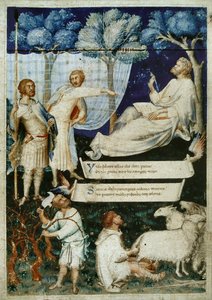
სურ. 1. სიმე მართინი, Window, 1312. მოცემულია თქვენ მიერ არჩეული რეპროდუქცია: , .

§ 1კატალოგის ინფორმაცია

§ 2აბსტრაქტული

კოლექციონირებადი ნივთის აღწერა

Simone Martini’s ‘Window,’ created in 1312, exemplifies the elegance of Early Gothic style. This fresco showcases vibrant colors and detailed depictions of people and animals within a stunning stained glass composition. Located at Pinacoteca Nazionale Siena, it's a captivating glimpse into medieval artistry. Discover museum-quality reproductions on AllPaintingsStore.

მხატვრის ბიოგრაფია

სიმონე მარტინის ნ œuvres და სტილი გააჩნდა საერთო გოთური სტილის მნიშვნელოვანი მწვანება და შეადგენდა ფრანგული ხელნაწერების ინსტრუმენტების და ელვრის ხატვაში განსაკუთრებული ელფერი და დეტალები. ეს სტილი არ nasceu იზოლაციაში და ძლიერ იყო გარე ძალების გავლენით.

§ 3კომენტარი

Simone Martini’s Window: A Fragment of Siena’s Gothic Soul

The painting “Window” by Simone Martini—a masterpiece executed in 1312—isn't merely an image; it’s a portal into the artistic fervor and spiritual contemplation of Siena during its zenith as a medieval principality. More than just depicting a simple architectural element, Martini transforms this commonplace feature into a vehicle for profound symbolism and masterful execution, embodying the very essence of International Gothic style. Its unassuming appearance belies the intricate artistry that defines it.
  • Subject Matter: The composition centers around a stained glass window—a motif prevalent in Sienese churches at the time—illuminated by diffused light. Within its frame are meticulously rendered figures, including human forms and avian creatures – doves symbolizing peace and divine grace – creating a harmonious blend of earthly and celestial realms.
  • Style: Martini’s work exemplifies International Gothic style, characterized by delicate lines, luminous colors, and an emphasis on elegance and refinement. Unlike the harsher realism championed by Giotto di Bondone, Martini prioritizes beauty and expressive detail, prioritizing visual impact over strict anatomical accuracy. This stylistic choice reflects Siena's cultural aspirations during a period marked by papal patronage and artistic innovation.
  • Technique: Martini employed tempera paint on panel—a technique favored for its vibrancy and durability—allowing him to achieve astonishing levels of color saturation and textural nuance. The artist’s meticulous layering of glaze, combined with painstaking attention to detail in rendering drapery folds and facial expressions, speaks volumes about his dedication to craftmanship.

Historical Context: Siena Under Papal Influence

Siena flourished as a center of papal diplomacy and artistic production during the early 14th century. The papacy actively encouraged artistic endeavors, fostering a competitive environment where artists like Martini sought to elevate their reputations through ambitious commissions—particularly those honoring religious saints. This patronage fueled stylistic experimentation and ensured that Siena’s art would resonate across Europe. Martini's "Window" stands as testament to this era of cultural dynamism and papal ambition.

Symbolism: Light, Faith, and Divine Harmony

The window itself serves as a potent symbol—representing divine illumination and the gateway to spiritual understanding. The doves adorning the composition reinforce this theme, symbolizing purity, peace, and the Holy Spirit’s presence. Martini skillfully integrates these visual cues into a carefully balanced composition that reflects Siena's devout Catholic faith. The artist’s deliberate use of color—particularly blues and golds—further enhances the painting’s spiritual aura, conveying grandeur and transcendence.

Emotional Impact: A Moment Frozen in Time

“Window” transcends mere representation; it evokes a feeling of serene contemplation and wonder. Martini's masterful rendering captures not only the visual beauty of the stained glass but also its emotional resonance—a reflection of Siena’s artistic spirit and its unwavering belief in divine grace. Viewing this artwork is akin to stepping back into a moment frozen in time, allowing oneself to be transported by the artistry and symbolism of a bygone era. It remains an enduring emblem of Gothic elegance and a captivating glimpse into the soul of medieval Siena.

კითხვები და პასუხები

სიმე მართინი-ის „Window“-ის ფერები გაჯერებულია თუ მკრთალი?

სიმე მართინი-ის „Window“-ის ფერების გაჯერებულობა არის Muted.

რომელ ხელოვნების მიმდევრობას მიეკუთვნება სიმე მართინი-ის „Window“?

"Window" არის International Gothic Style სტილის ნამუშევარი. აღნიშნული მიმდინარეობა ასახავს იმ მხატვრულ ტრადიციას, რომლის ნაწილიცაა ეს ნამუშევარი.

რა ფერების პალიტრას იყენებს "Window"?

„Window“-ის ფერები Earthy პალიტრას ქმნიან. ეს კლასიფიკაცია აღწერს დომინანტურ ფერთა ჯგუფებს.
§ 4ავტორი

სიმე მართინი

სიმე მართინი

1284 - 1344, მალტა

მოკლე ფაქტები სიმე მართინი შესახებ

  • Artistic Movement Or Style: สไตล์กอทธิกนานาชาติ
  • Artists Who Influenced This Artist:
    • ดูชิโอ ดิ บูโอเนอเซกา
    • จิออตโต ดิ บอนโดเน
  • Date Of Birth: ค.ศ. 1284
  • Date Of Death: ค.ศ. 1344
  • Full Name: Simone Martini
  • Nationality: อิตาลี
  • Notable Artworks:
    • พระเจ้าลูอิส์ทรงคราวน์โรเบิร์ตต์แห่งแอนโฮว์
    • ปอลลิเทคห์เซนต์แคเธอรีน
    • ภาพเขียนนักบุญแมรกาเร็ตและเซนต์แอนซานัส
  • Place Of Birth: เซยี่นา, ประเทศอิตาลี

მხატვრის ბიოგრაფია

A Sienese Master of Elegance and Grace

Simone Martini, born around 1284 in the heart of Siena, Italy, stands as a pivotal figure in the transition from medieval to Renaissance art. He wasn’t merely a painter; he was an architect of elegance, a master of line and color who infused his works with a courtly refinement that distinguished him from contemporaries like Giotto di Bondone. While historical accounts vary regarding his early training—some suggest apprenticeship under Duccio di Buoninsegna, the leading Sienese artist of the time, while others point to Florence and the influence of Giotto—Martini undeniably forged a unique artistic path.

The Flourishing of International Gothic

Martini’s style is immediately recognizable for its departure from the more monumental forms favored in Florence. He embraced a delicate sensibility, characterized by flowing lines, soft decorative details, and an overall sense of grace. This aesthetic wasn’t born in isolation; it was profoundly influenced by external forces. The Via Francigena, a major pilgrimage route traversing Europe, brought with it artistic currents from France—particularly the refined elegance of French manuscript illumination and ivory carving. These influences are readily apparent in Martini’s work, manifesting as intricate patterns, elongated figures, and a heightened attention to surface ornamentation. He didn’t simply copy these styles; he synthesized them with existing Sienese traditions, creating something entirely new.

From Siena to Avignon: A Courtly Appointment

Martini's reputation extended beyond the borders of Italy, leading to a significant turning point in his career. In 1336, he accepted a commission from Pope Benedict XII to create frescoes for the Papal Palace in Avignon, France—a move that placed him at the heart of European power and patronage. This appointment wasn’t merely about artistic skill; it was a testament to Martini’s ability to cater to the tastes of a sophisticated courtly audience. While in Avignon, he entered into a remarkable intellectual circle, befriending Francesco Petrarca—better known as Petrarch, the renowned humanist poet. The connection with Petrarch is particularly poignant, as Vasari and other sources suggest that Martini painted a portrait of Laura de Noves, Petrarch’s lifelong muse. Though the portrait itself is lost to time, its very existence speaks volumes about Martini's status as a celebrated artist capable of capturing not only physical likeness but also the essence of beauty and inspiration.

Notable Works

Martini’s oeuvre encompasses a remarkable range of artistic achievements—demonstrating his mastery across diverse mediums. Among his most iconic creations are Saint Louis Crowning Robert, painted in Naples during his travels; the magnificent Saint Catherine of Alexandria Polyptych, showcasing unparalleled skill in polychromy and compositional innovation; and the luminous frescoes adorning San Francesco d’Assisi—a testament to Martini's ability to elevate religious imagery into sublime visual poetry. Furthermore, his contribution to Florentine art is undeniable, particularly his involvement in the decoration of Palazzo Vecchio—where he collaborated with Lippo Memmi on a monumental altarpiece that embodies the spirit of the International Gothic style.

Legacy and Enduring Influence

Simone Martini’s impact on the development of European art cannot be overstated. He played a crucial role in disseminating the International Gothic style—a movement characterized by its elegance, refinement, and emphasis on decorative detail—across the continent. His influence extended to generations of artists who followed, shaping the course of late medieval and early Renaissance painting. Martini’s work wasn’t simply about technical skill; it was about creating a visual language that resonated with the sensibilities of his time—a language of beauty, grace, and spiritual devotion. Even today, his paintings continue to captivate viewers with their exquisite detail, harmonious compositions, and enduring sense of elegance. His frescoes in San Francesco d’Assisi demonstrate his mastery of large-scale decorative painting, while works like the Annunciation exemplify Martini's ability to depict complex scenes with clarity and grace—a legacy that continues to inspire awe and admiration centuries later.

§ 5დამსგავსი ნამუშევრები

§ 6კითხვები

ძირითადი ინფორმაცია

  • Location: Pinacoteca Nazionale, Siena
  • Title: Window
  • Medium: Fresco
  • Artist: Simone Martini
  • Notable elements or techniques: Detailed depiction of figures and birds

ტესტი ხელოვნების შესახებ

თითოეულ კითხვაზე მხოლოდ ერთი სწორი პასუხია.

კითხვა 1:
What artistic style is Simone Martini’s ‘Window’ primarily associated with?
კითხვა 2:
The image depicts a stained glass window featuring figures including people and animals. What is the significance of these depictions within the context of medieval art?
კითხვა 3:
Simone Martini collaborated extensively with Lippo Memmi. What was their role in the artistic landscape of Siena?
კითხვა 4:
According to Giorgio Vasari, Simone Martini's artistic training involved studying under which influential artist?
კითხვა 5:
The window’s intricate design and vibrant colors exemplify a characteristic feature of the International Gothic style. What distinguishes this style from earlier medieval artistic traditions?

§ 7მოიყვანეთ ციტატა ამ ჩანაწერიდან

AllPaintingsStore.com, “სიმე მართინი, Window (1312)”, https://allpaintingsstore.com/ka/art/simone-martini-window-8Y3HTV-en/ (დათვალიერების თარიღი: 10 ოქტომბერი 2026).

§ 8რეპროდუქცია

ზეთის საღებავით შესრულებული ხელით ნაკლნა

ტილოზე შესრულებული ფერწერიანი ზეთប្រდათი, თქვენთვის სასურველი ზომისა და ჩარჩოსთვის, ჩვენი ხელოვანების მიერ შეკვეთის საფუძველზე დამზადებული. ( ბეჭდვის რეჟიმზე გადართვა გადართვა ციფრულ გამოსახულებაზე)

ეს მითითებულია შეკვეთის ფურცლის გვერდითა მხარეში; ამ ფურცლის არსებული მდგომარეობა შემდეგნაირად ჟღერს:

Window

რეპროდუქციის მასალა

რეპროდუქციის ზომა

-

ელიტური უფროსი ხელოვანი

უფრო მეტი დეტალიზაცია, დახვეწილობა და დამატებითი დამუშავების დრო

-

რეკლამაციის ჩარჩო

-

-

ნებისმიერი მხარისთვის 105 სმ-ზე (დაახლოებით 41 ინჩი) მეტი ზომის ხელოვნებული ნამუშევრების ან რეპროდუქციებისთვის, ჩარჩო მოგზავნდება დაშლილ კომპლექტში. ეს მეთოდი უზრუნველყოფს უსაფრთხო მიწოდებას და თავიდან აგაცილებთ ტრანსპორტირებისას შესაძლო დაზიანებას.

საჭიროა პროფესიონალური აწყობა — ეს არ არის თვითმომსახურების (DIY) პროდუქტი.
კომპლექტის აწყობა და ტილოს დაჭიმვა უნდა განახორციელოს გამოცდილმა პროფესიონალმა ჩარჩოს დამამზადებელმა, ხის წებოს (არ შედის კომპლექტში), ტილოს დაჭიმვის ბერჭებისა და საკრამების გამოყენებით, რათა წებოს გასაშრობად ღერძები სწორად და სტაბილურად დაფიქსირდეს. არასწორი აწყობა ან ტილოს არათანაბარი დაჭიმვა შეიძლება გამოიწვიოს ნამუშევრის სამუდამო დაზიანება, რაც არ იფარება ჩვენი გარანტიით.

  • კომპლექტში შედის მყარი ხის ყველა ღერძი, ზუსტად გაზომილი და საჭირო ზომაზე დაჭრილი.

  • აწყობისთვის გამოიყენება კომპლექტში არსებული ხრახნები; ასევე დაგჭირდებათ ხის წებო კუთხეების დასაკავშირებლად, რომელიც კომპლექტში არ შედის და მისი შეძენა ჩარჩოს დამამზადებელს დამოუკიდებლად მოუწევს.

  • საჭიროა პროფესიონალური ხელსაწყოები, რომლებიც არ შედის კომპლექტში: ტილოს დაჭიმვის ბრჭყალი (დამჭერი) და სამჭედლები, რათა წებოს გასაშრობ პროცესში რამკოს კუთხეები სწორად ფიქსირდეს.

მნიშვნელოვანია:
კუთხეების დასაკავშირებლად საჭიროა ხის წებო; სანამ წებო სრულად გაშრება, ღერძები დაფიქსირებული უნდა იყოს საკავშირეებით, ხოლო აწყობილ ჩარჩოზე ტილოს დასჭიმად საჭიროა ტილოს დასჭიმელი ბრჭჭვალი. არცერთი ეს ნივთი არ შედის კომპლექტში. გთხოვთ, ამ ზომის შეკვეთამდე წინასწარ დაგეგმოთ გამოცდილი პროფესიონალი ჩარჩოს დამზადებელი.

სახელოვანი ფირფიტა

-

-

დამცავი ლაქი

ბზინვარე ლაქი (აფერსკვიატებს ფერებს და იცავს სინათლისა და ტენისგან)

-

ნამუშევრის პერსონალიზაცია

რა შეიძლება შეიცვალოს (მაგალითები): სახის შეცვლა მომხმარებლის ფოტოთი; შინაური ცხოველის დამატება (მაგალითად, კატის დგებით შეცვლა); ფონზე ფარული შეტყობინების დამატება; ფონის ლანდშაფტის ან ელემენტების შეცვლა.

-

სასწრაფო

მიწოდება მსოფლიო მასშტაბით () 3-4 კვირაში, სტანდარტული 5 კვირის ნაცვლად. (7 ნოემბერი). ხარისხზე კომპრომისის გაკეთება არ მოხდება.

-

სწრაფი მიწოდება

მიწოდება მსოფლიოს მასშტაბით () 5 კვირაში. (14 ნოემბერი).

მოყვება

საბოლოო ღირებულება

₾ 671

თითოეულ შეკვეთასთან ერთად მოყვება

  • უფასო ექსპრეს მიწოდება მთელ მსოფლიოში
  • მაღალი ხარისხის ტილოს ქსოვილი
  • ტრანსპორტირების სრული დაზღვევა
  • საბაჟო გადასახადების დაბრუნების გარანტია
  • ფერების სრული შესაბამისობის გარანტია
  • დაბრუნების 100-დღიანი პოლიტიკა (მხოლოდ დეფექტის შემთხვევაში)
  • 100% თანხის სრული დაბრუნების გარანტია
  • ფასდაკლება დიდი რაოდენობით შეკვეთისას
აღმოაჩინეთ ხელოვნების ნაწარმოებები თემების, სტილისა და მახასიათებლების მიხედვით დაჯგუფებული.
შეკვეთის ფორმა