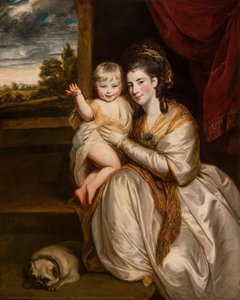
- მთავარი გვერდი

- ზეთის ტილოზე რეპროდუქცია
- ჯორჯ შა რೋಜსი
- Saint John the Baptist in the Wilderness

 ნაბეჭდის შეძენა გამოსახულების შეძენა
 გაგზავნა
 გაზიარება
 დეტალები
 დამატება ფავორიტებში

 ჩამოტვირთვა
 მსგავსები
 რენტგენოგრაფიული კვლევა
 სლაიდშოუ
Saint John the Baptist in the Wilderness
 Oil On Canvas
- WallArt
- Romantic Realism
 1776
1776 132.0 x 102.0 cm
 Валлейс Колледж
 გადასართად დაწვრილებით ნახეთ
ხელით ნაკვეთი ზეთის ტილოს რეპროდუქცია
ტილოზე შესრულებული ფერწერიანი ზეთប្រდათი, თქვენთვის სასურველი ზომისა და ჩარჩოსთვის, ჩვენი ხელოვანების მიერ შეკვეთის საფუძველზე დამზადებული.




P118B $10

P118H $10

P118W $10

P438Z $10

P508JH $12

P508YH $12

P805H $10

P805Z $10

P919BZ $10

P919G $10

P919XJ $10

P959ZH $10

P968JZ $12

W106C $8

W218G $10

W218JH $8

W218Y $10

W307PJ $10

W316G $10

W316PJ $8

W316Y $10

W398PJ $8

W4111J $10

W500HY $15

W500JH $15

W692G $12

W849H $8

W940BG $15

W953PJ $8




აირჩიეთ ჩვენს მიერ წინასწარ განსაზღვრული ზომებიდან, რომლებიც ნაწარმოების ორიგინალურ პროპორციებს შეესაბამება.

თქვენ შეგიძლიათ მიუთითოთ თქვენთვის სასურველი ზომები კონკრეტული ჩარჩოს ან სივრცის შესაბამისად. თუ თქვენ მიერ არჩეული ზომა არ შეესაბამება ორიგინალი გამოსახულების პროპორციებს, ჩვენ ან შევაჭრებთ ნაწარმოებს, ან ტილოზე დავამატებთ ხელით მოხატულ ელემენტებს. წარმოების დაწყებამდე, დამტკიცებისთვის გამოგეგზავნებათ ციფრული მაკეტი.
გთხოვთ, გაითვალისწინოთ, რომ ეკრანზე ნაჩვენები წინასწარი შეხედულება არ ასახავს რეალურ შეჭრას ან გაფართოებას. საბოლოო კომპოზიციას ზუსტად მხოლოდ მაკეტი წარმოაჩენს.
მიუხედავად იმისა, რომ შესაძლებელია ინდივიდუალური ზომების შერჩევა, ორიგინალური პროპორციების შენარჩუნებისათვის გირჩევთ, გამოიყენოთ წინასწარ განსაზღვრული სიის ზომები.
შეკვეთის შემდეგ, AllPaintingsStore.com გუნდი დაგიკავშირდებათ ელექტრონული ფოსტით ინსტრუქციებისთვის და გამოგიგზავნით წინასწარ ნახაზს (mockup).
მიწოდება მსოფლიო მასშტაბით -ში 3/4 კვირაში, სტანდარტული 5 კვირის ნაცვლად. (16 ივლისი). ხარისხზე კომპრომისის გაკეთება არ მოხდება.

უფასო ექსპრეს მიწოდება მთელ მსოფლიოში

საბამად მაღალი ხარისხის ტილო

სრული ტრანსპორტირების დაზღვევა

საბაჟო გადასახადების დაბრუნების გარანტია

ფერების სრული შესაბამისობის გარანტია

60-დღიანი დაბრუნების პოლიტიკა (მხოლოდ დეფექტის შემთხვევაში)

100% თანხის დაბრუნების გარანტია

ფასდაკლება დიდი რაოდენობით შეკვეთისას
 მინის ჩარჩოს არჩევანი ხელმისაწვდომია მხოლოდ 110 სმ-ზე ნაკლები ზომისთვის

Saint John the Baptist in the Wilderness
რეკლამაციის ტექნიკა
რეკლამაციის ზომა
-


საბოლოო ფასი
-
ნაწარმოების აღწერა
A Portrait of Innocence Amidst Pastoral Tranquility: Exploring Sir Joshua Reynolds’ Saint John the Baptist in the Wilderness
Sir Joshua Reynolds' “Saint John the Baptist in the Wilderness,” completed in 1776, stands as a cornerstone of Romantic art and exemplifies Reynolds’ masterful command of oil paint on canvas. Currently residing within the Wallace Collection in London, this monumental artwork transcends mere depiction; it embodies an idealized vision of boyhood innocence intertwined with spiritual contemplation—a theme profoundly resonant with the intellectual currents of its time. Reynolds, born in Plymouth in 1723, ascended to prominence as a painter during the Enlightenment, establishing himself as a champion of realism while simultaneously embracing theatrical grandeur. His formative apprenticeship under Thomas Hudson instilled within him not only technical prowess but also an acute understanding of aristocratic patronage and the societal expectations that shaped artistic endeavors. Unlike many of his contemporaries who prioritized formal portraiture, Reynolds sought to capture not just likeness but character—a pursuit reflected in his meticulous attention to detail and his ability to convey emotion through nuanced coloration and lighting. The painting itself presents a captivating tableau: a young boy seated upon a weathered rock, accompanied by two sheep – one standing attentively behind him and the other positioned slightly distant. The inclusion of a book nestled amongst the pastoral elements immediately establishes a connection to biblical narrative—specifically John the Baptist’s solitary vigil in preparation for his baptism. Reynolds skillfully employs chiaroscuro, manipulating light and shadow to sculpt form and imbue the scene with palpable atmosphere. Warm hues dominate the palette – ochres, reds, and yellows – creating an inviting warmth that contrasts beautifully with the cool blues of the sky. The artist's brushstrokes are loose yet purposeful, conveying texture and movement without sacrificing clarity. This technique contributes significantly to the painting’s emotional impact, fostering a sense of immediacy and capturing a fleeting moment of serene contemplation. Beyond its aesthetic qualities, “Saint John the Baptist in the Wilderness” carries considerable symbolic weight. The boy represents purity and innocence—a virtue championed by Enlightenment thinkers as essential for moral development. The sheep symbolize faithfulness and gentleness, mirroring John’s prophetic role as a shepherd guiding humanity towards righteousness. Furthermore, the book symbolizes knowledge and spiritual enlightenment – suggesting that contemplation and introspection are crucial components of achieving inner harmony. Reynolds' deliberate positioning of these elements underscores the painting’s overarching message: an affirmation of faith and virtue amidst the beauty of nature. The Wallace Collection’s acquisition of this masterpiece solidified its place within British art history, ensuring its continued appreciation by scholars and collectors alike. Considering a high-quality reproduction offers a remarkable opportunity to experience the enduring allure of Reynolds' Romantic vision—a testament to his artistic genius and a captivating glimpse into the intellectual landscape of 18th century England.- Medium: Oil on Canvas
- Dimensions: 132 x 102 cm
- Year Created: 1776
- Location: Wallace Collection, London
დაკავშირებული ნამუშევრები


მხატვრის ბიოგრაფია
A Luminary of the Enlightenment: The Life and Art of Sir Joshua Reynolds
Sir Joshua Reynolds, born July 16, 1723, in Plympton, Devonshire, England—died February 23, 1792, London—was a pivotal figure during Britain’s burgeoning Enlightenment era. His father, Reverend Samuel Reynolds, instilled in him a profound appreciation for scholarship and intellectual pursuits, guiding young Joshua toward the path of academia before an undeniable passion for artistic expression ultimately prevailed. This inclination led to his apprenticeship with Thomas Hudson in London at seventeen, securing him invaluable experience within the vibrant milieu of fashionable society—a formative period that honed not only his technical prowess but also his understanding of the social currents shaping British art. Hudson’s studio served as a crucible of artistic innovation, exposing Reynolds to the discerning tastes and expectations of aristocratic patrons, thereby fostering an ambition to elevate portraiture beyond mere likeness into a vehicle for conveying character and status—a goal that would define his illustrious career.Early Life and Artistic Formation
Reynolds' upbringing fostered a love for classical learning, influencing his lifelong fascination with antiquity and informing his artistic sensibilities. He excelled at Balliol College, Oxford, immersing himself in the works of Virgil and Homer—texts that instilled in him a belief in the power of reason and imagination as essential components of human understanding. Recognizing his innate talent for painting, he embarked on an apprenticeship with Thomas Hudson, absorbing the techniques and stylistic conventions of the established portraitist—a relationship that proved instrumental in shaping Reynolds’ artistic vision. Hudson's studio was a crucible of artistic experimentation, attracting ambitious young artists eager to emulate the grandeur and sophistication of Venetian painters like Titian and Rubens. This exposure to diverse artistic influences broadened Reynolds’ horizons and instilled in him a determination to forge his own distinctive style—one rooted in meticulous observation and informed by an unwavering commitment to classical ideals.The Grand Style and Roman Influence
Reynolds' artistic breakthrough occurred during his journey to Rome in 1750, where he dedicated himself to studying the monumental sculptures of Michelangelo and Raphael—artists whose mastery captivated him with their embodiment of idealized beauty and anatomical precision. This immersive experience profoundly impacted Reynolds’ aesthetic sensibilities, propelling him toward what would become known as the ‘Grand Style’—an approach that prioritized dramatic composition, meticulous detail, and subtle allusion to classical mythology. Rejecting the prevailing sentimental tendencies of English portraiture, Reynolds championed a style characterized by dignified restraint and intellectual depth—a stylistic paradigm that sought to elevate portraiture into an art form worthy of noble contemplation. He believed that portraits should not merely depict physical appearance but also reveal the sitter’s inner life—their virtues, ambitions, and moral character—a conviction that underpinned his artistic endeavors throughout his career.A Patron of Art and Founder of the Royal Academy
Reynolds' influence extended far beyond his own canvases; he served as a fervent advocate for the advancement of art education and championed the recognition of artists as professionals deserving of respect and patronage. Recognizing the need for an institution dedicated to fostering artistic talent and disseminating knowledge about art, he spearheaded the establishment of the Royal Academy of Arts in 1768—a landmark achievement that transformed the landscape of British artistic life. As its inaugural president, Reynolds tirelessly promoted his vision for a distinctly British school of painting, emphasizing the importance of studying nature, mastering technique, and cultivating imagination—principles that resonated deeply with aspiring artists and solidified his legacy as a transformative figure in British art history. His annual Discourses – lectures delivered to Academy students – became seminal texts on artistic theory and practice, shaping generations of painters and cementing Reynolds’ reputation as a visionary leader and intellectual giant.Legacy and Enduring Influence
Sir Joshua Reynolds's contribution to British art is undeniable—he elevated portraiture to new heights of sophistication and established the Royal Academy as a cornerstone of national cultural identity. His meticulous attention to detail, his masterful command of technique, and his unwavering belief in the power of classical ideals continue to inspire artists today. Reynolds’ paintings—including *The Marlborough Family*, *Portrait of Lady Worsley*, *Portrait of Philip Gell*, *Portrait of Robert Orme* and *Sarah Siddons as The Tragic Muse*—remain treasured masterpieces, embodying the grandeur and intellectual rigor of the Enlightenment era. Furthermore, his influence extended beyond painting itself; he championed the role of art in shaping civic virtue and fostering national pride—a conviction that reflected his profound understanding of the relationship between art and society. Reynolds’ enduring legacy serves as a testament to his artistic genius and his unwavering commitment to advancing the cause of British culture—a legacy that continues to resonate powerfully across centuries.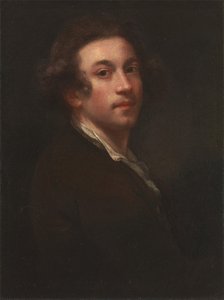
ჯორჯ შა რೋಜსი
1723 - 1792 , გაერთიანებული სამეფო
მოკლე ინფორმაცია
- Artistic Movement Or Style: Grand Style პორტრეტიზმი
- Artists Or Movements Influenced By This Artist: ['თომას გეინსბორგი']
- Artists Who Influenced This Artist: ['თომას ჰუდსონი']
- Date Of Birth: 16 ივლისი 1723 წელი
- Date Of Death: 23 fevereiro 1792 წელი
- Full Name: Sir Joshua Reynolds
- Nationality: ინგლისელი
- Notable Artworks:
- პიტერ დარნელი მუილმანი...
- მრ და მრ უილიამ ლინდოვი...
- პორტრეტი ჯონ ჰეისა
- Place Of Birth: Плимптон, ინგლისის სამეფო კონტინენტური კავშირი
დაკავშირებული სტატიები

From Snapshot to Canvas: The Art of Transforming Travel Photography into Timeless Oil Paintings
Transform your cherished travel photos into timeless oil paintings with expert artists at AllPaintingsStore.com. Museum-quality reproductions & custom portraits – preserve your memories beautifully.

The Enduring Legacy of Oil on Canvas: Technique, History & Aesthetic Impact
Explore the rich history & techniques of oil painting – from Renaissance masters to Impressionism. Discover pigments, layering methods, and why this timeless medium endures. Expert insights for artists & art enthusiasts.

From Imagination to Canvas: Commissioning Bespoke Fantasy Art with Traditional Oil Painting Techniques
Commission breathtaking bespoke fantasy art with skilled oil painters. Explore techniques, artist selection & preservation tips. Invest in a unique masterpiece today!

ზეთის საღებავის მუდმივი მემკვიდრეობა: ტექნიკა, ისტორია და თანამედროვე პრაქტიკა
გაიგეთ ზეთის საღებავის ფერწერის ისტორია, ტექნიკა და თანამედროვე პრაქტიკა. პროფესიონალური მხატვრების რჩევები, ქართული ხელოვნების მიმოხილვა და ინსტრუქციები თქვენი შემოქმედებისთვის.
Oil on Canvas Masters: 10 Paintings That Redefined Art History |
Journey through art history with our guide to 10 legendary oil on canvas masterpieces! Explore iconic works by Van Gogh, Monet & Rembrandt. Find museum-quality reproductions and elevate your home decor at . Discover all masterpieces online.