


 ნახვა ინტერьерში
 გაგზავნა
 გაზიარება
 დეტალები
 გზამკვლევი

 ჩამოტვირთვა
 მსგავსები
 რენტგენოგრაფიული კვლევა
 სლაიდშოუ
 სტატისტიკა
Returning from the fields

 სრული ტექსტის ნახვა
გიკლე / ხელოვნების პრინტი
მუზეუმის დონის ჟიკლე ან ტილოზე ბეჭდვა სწრაფი წარმოებისა და დასრულების მოქნილი ვარიანტებით. ( შეიძინეთ ხელით შესრულებული ნახატი გადასვლა ციფრულ გამოსახულებაზე)




































აირჩიეთ ჩვენს მიერ წინასწარ განსაზღვრული ზომებიდან, რომლებიც ნაწარმოების ორიგინალურ პროპორციებს შეესაბამება.

შეიყვანეთ თქვენთვის საჭირო სიგანე და სიმაღლე, რათა იგი მოერგოს თქვენს ჩარჩოს ან კედელს. ბეჭდვისას შესაძლებელია მხოლოდ მისი შემცირება და არა გაზრდა, ამიტომ სხვა ფორმის ზომის შემთხვევაში გამოსახულება ნაწილობრივ იკარგება. სანამ რაიმეს დაბეჭდავთ, ჩვენ გამოგიგზავნით ციფრულ მაკეტს დასდასტურებლად. ამ გვერდზე ნაჩვენები სურათი არ ასახავს რეალურ ჭრას — ამას მხოლოდ მაკეტი გვიჩვენებს.
მიწოდება მთელ მსოფლიოში () 2 კვირაში, სტანდარტული 4/5 კვირის ნაცვლად. (23 ოქტომბერი)

უფასო ექსპრეს მიწოდება მთელ მსოფლიოში

მაღალი ხარისხის ტილო

ტრანსპორტირების სრული დაზღვევა

საბაჟო გადასახადების დაბრუნების გარანტია

ფერების სრული შესაბამისობის გარანტია

დაბრუნების 100-დღიანი პერიოდი (მხოლოდ წარმოების დეფექტის შემთხვევაში)

100% თანხის სრული დაბრუნების გარანტია

ფასდაკლება დიდი რაოდენობით შეკვეთისას
 მინის ჩარჩოს არჩევანი ხელმისაწვდომია მხოლოდ 110 სმ-მდე ზომისთვის

Returning from the fields
გიკლე / ხელოვნების პრინტი
რეპროდუქციის ზომა
-


ჯამური ღირებულება
₾ 167
მსგავსი ნამუშევრები


მხატვრის ბიოგრაფია
A Quiet Vision of Suffolk’s Landscape: Exploring the Artistry of Thomas Smythe
Thomas Smythe (1825-1906) stands as a testament to the enduring appeal of Romantic landscape painting, specifically within the context of Victorian Britain. Born in Ipswich, Suffolk, he emerged from a family steeped in artistic tradition – his brother, Edward Smythe, was also a painter – fostering an environment that nurtured his innate talent and propelled him towards a distinguished career dedicated to capturing the beauty of rural England. While overshadowed by more flamboyant contemporaries, Smythe’s meticulous observation and skillful execution have garnered renewed appreciation in recent decades, cementing his place as a significant figure within Suffolk’s artistic heritage.- Early Life & Artistic Training:
- Notable Works & Recurring Themes:
- Technique & Style: Impressionistic Influences:
- Legacy & Recognition:
Early Life & Artistic Training
Little is known definitively about Smythe’s formative years, beyond confirming his birth in Ipswich. His family possessed considerable means and encouraged artistic pursuits within the household, providing him with access to resources that would undoubtedly contribute to his development as an artist. Although formal academic training remains elusive—records indicate he largely self-taught—his brother's influence served as a crucial catalyst for honing his observational skills and mastering the fundamentals of painting. The prevailing artistic sensibilities of the time – Romanticism’s emphasis on emotion, sublime grandeur, and idealized depictions of nature – undoubtedly shaped Smythe’s aesthetic vision from an early age.Notable Works & Recurring Themes
Smythe's oeuvre comprises approximately 300 paintings predominantly focused on landscapes of Suffolk and surrounding areas. However, he wasn’t merely documenting the scenery; he imbued his canvases with a palpable sense of tranquility and charm. Animals – particularly cattle and sheep – frequently appear in his compositions, symbolizing pastoral innocence and embodying the virtues associated with rural life. Perhaps most captivating are Smythe's winter snowscapes—scenes rendered with breathtaking detail and luminosity—which depict Suffolk villages dusted with pristine white snow under overcast skies. These images resonate deeply with viewers today, capturing a timeless quality that transcends stylistic conventions. Particularly noteworthy is “The Old Mill,” Ipswich, which exemplifies his ability to convey both architectural grandeur and atmospheric subtlety.Technique & Style: Impressionistic Influences
Despite operating within the Romantic framework, Smythe’s artistic style demonstrates subtle but discernible influences from Impressionism. Unlike the heavier brushstrokes characteristic of many Romantic painters, Smythe employed a looser technique—particularly evident in his snowscapes—characterized by broken color and shimmering light effects. He skillfully blended pigments to create tonal gradations that captured the ephemeral qualities of winter sunlight, mirroring the pioneering efforts of artists like Claude Monet and Pierre-Auguste Renoir. This innovative approach distinguishes Smythe from his peers and underscores his artistic sensitivity to perceptual experience.Legacy & Recognition
While Smythe’s fame during his lifetime was modest, his paintings have experienced a resurgence in popularity in recent years. Collectors and art historians alike recognize the artist's meticulous attention to detail and his ability to evoke profound emotional responses. Reproductions of his works are increasingly sought after by enthusiasts interested in Suffolk’s artistic heritage, demonstrating an enduring appreciation for Smythe’s quiet vision of rural England. Further research into Smythe’s life and work continues to illuminate his contribution to Victorian landscape painting, ensuring that his legacy endures as a symbol of understated beauty and skillful craftsmanship.
Thomas Smythe
1825 - 1906
მოკლე ფაქტები
- Artistic Movement Or Style: Romanticism
- Artists Or Movements Influenced By This Artist: ['Hudson River School']
- Artists Who Influenced This Artist: ['John Constable']
- Date Of Birth: 1825
- Date Of Death: 1906
- Full Name: Thomas Smythe
- Nationality: British
- Notable Artworks: ['Winter Snowscape']
- Place Of Birth: Suffolk, England
მსგავსი სტატიები

ჯონ კონსტებლის 25 საუკეთესო შედევრი | ხელოვნების რეკრეაციები AllPaintingsStore-ზე
გაიცანით ჯონ კონსტებლის 25 საუკეთესო შედევრი! ინგლისური პეიზაჟების ისტორია, XIX საუკუნის ხელოვნება და AllPaintingsStore-ზე ხელოვნების უნიკალური კოლექცია. შეიძინეთ ხარისხიანი რეკრეაციები სახლის დეკორაციისთვის. აღმოაჩინეთ სრულყოფილი შეფერილი ტილოები AllPaintingsStore.com-ზე!

Cultivating Visions: A Historical Journey Through Rural Landscapes in Art
Explore the rich history of rural landscape painting with AllPaintingsStore. Discover Impressionist masterpieces, key artists & movements. Find your perfect serene artwork and bring nature's beauty home.
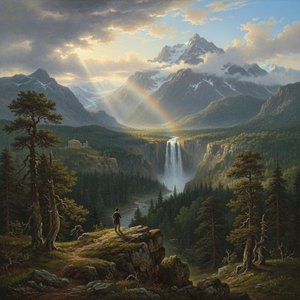
Evoking Nature's Sublime: A Comprehensive Exploration of 19th-Century Landscape Painting
Explore the captivating world of 19th-century landscape painting! Discover renowned artists like Friedrich & Monet, key movements, and find the perfect artwork to bring nature's serenity into your home. Expert insights at AllPaintingsStore.
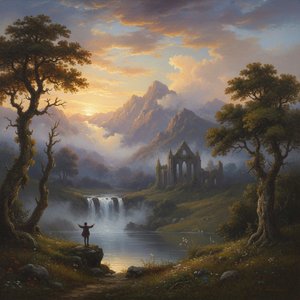
Evoking Emotion & Transcendence: Romantic Landscape Painting (18th-19th Century)
Explore the emotional depth of Romantic landscape painting (18th-19th century). Discover key artists like Friedrich & Cole, and the concepts of the sublime. Expert insights for art lovers & collectors.

როμανტიზმის ეპოქის ტენდერება: საუკეთესო 10 შედევრი, რომელმაც განსაზღვრა ლანშაფტური მხატვრობა
აღმოფრთოვანდით რომანტიზმის ეპოქის 10 საუკეთესო ლანშაფტური შედევრით! ტერნერი, კორტო და სხვა მხატვრების ნაწარმოებები. იხილეთ მათი ისტორია და აღმოგეყვინებათ ხელოვნების márgali. შეიძინეთ მაღალი ხარისბის რესტავრაციული ასლები AllPaintingsStore.com-ზე!

