


 ნახვა ინტერьерში
 გაგზავნა
 გაზიარება
 დეტალები
 გზამკვლევი

 ჩამოტვირთვა
 მსგავსები
 რენტგენოგრაფიული კვლევა
 სლაიდშოუ
 სტატისტიკა
Salome


 სრული ტექსტის ნახვა
გიკლე / ხელოვნების პრინტი
მუზეუმის დონის ჟიკლე ან ტილოზე ბეჭდვა სწრაფი წარმოებისა და დასრულების მოქნილი ვარიანტებით. ( შეიძინეთ ხელით შესრულებული ნახატი გადასვლა ციფრულ გამოსახულებაზე)




P118B ₾10

P118H ₾10

P118W ₾10

P438Z ₾10

P508JH ₾12

P508YH ₾12

P805H ₾10

P805Z ₾10

P919BZ ₾10

P919G ₾10

P919XJ ₾10

P959ZH ₾10

P968JZ ₾12

W106C ₾8

W218G ₾10

W218JH ₾8

W218Y ₾10

W307PJ ₾10

W316G ₾10

W316PJ ₾8

W316Y ₾10

W398PJ ₾8

W4111J ₾10

W500HY ₾15

W500JH ₾15

W692G ₾12

W849H ₾8

W940BG ₾15

W953PJ ₾8




აირჩიეთ ჩვენს მიერ წინასწარ განსაზღვრული ზომებიდან, რომლებიც ნაწარმოების ორიგინალურ პროპორციებს შეესაბამება.

შეიყვანეთ თქვენთვის საჭირო სიგანე და სიმაღლე, რათა იგი მოერგოს თქვენს ჩარჩოს ან კედელს. ბეჭდვისას შესაძლებელია მხოლოდ მისი შემცირება და არა გაზრდა, ამიტომ სხვა ფორმის ზომის შემთხვევაში გამოსახულება ნაწილობრივ იკარგება. სანამ რაიმეს დაბეჭდავთ, ჩვენ გამოგიგზავნით ციფრულ მაკეტს დასდასტურებლად. ამ გვერდზე ნაჩვენები სურათი არ ასახავს რეალურ ჭრას — ამას მხოლოდ მაკეტი გვიჩვენებს.
მიწოდება მთელ მსოფლიოში () 2 კვირაში, სტანდარტული 4/5 კვირის ნაცვლად. (25 ოქტომბერი)

უფასო ექსპრეს მიწოდება მთელ მსოფლიოში

მაღალი ხარისხის ტილო

ტრანსპორტირების სრული დაზღვევა

საბაჟო გადასახადების დაბრუნების გარანტია

ფერების სრული შესაბამისობის გარანტია

დაბრუნების 100-დღიანი პერიოდი (მხოლოდ წარმოების დეფექტის შემთხვევაში)

100% თანხის სრული დაბრუნების გარანტია

ფასდაკლება დიდი რაოდენობით შეკვეთისას
 მინის ჩარჩოს არჩევანი ხელმისაწვდომია მხოლოდ 110 სმ-მდე ზომისთვის

Salome
გიკლე / ხელოვნების პრინტი
რეპროდუქციის ზომა
-


ჯამური ღირებულება
₾ 167
Salome: A Venetian Masterpiece of Sensuality and Sorrow
Tiziano Vecellio’s “Salome,” painted in 1515, is more than just a portrait; it's an immersion into the heart of Renaissance Venice – a city pulsating with artistic innovation and a profound fascination with beauty, power, and human emotion. This oil on canvas work, currently residing in the Galleria Doria-Pamphilj in Rome, immediately captivates with its dramatic composition and the palpable sense of melancholy that emanates from the central figure. The painting’s enduring appeal lies not only in Titian's masterful technique but also in its complex narrative – a story whispered through glances, gestures, and the unsettling presence of the decapitated head resting upon Salome’s lap.
- The Subject: The image depicts Salome, often identified as Herodias, her mother, holding the severed head of John the Baptist. While interpretations vary – some scholars suggest a representation of Judith with Holofernes – the prevailing narrative centers on this iconic scene from the New Testament.
- Titian’s Innovation: This work marks a pivotal moment in Titian's artistic evolution. Moving beyond the more rigid influences of Giorgione, he began to forge his own distinctive style, characterized by an unprecedented intimacy with the viewer. The close proximity depicted invites us into Salome’s world, demanding our empathy and unsettling our gaze.
- Technical Brilliance: Titian's command of oil paint is breathtaking. He employs a technique that builds up layers of color – glazes – to achieve an almost luminous effect, particularly in the rendering of Salome’s hair and skin. The subtle gradations of tone create a remarkable sense of volume and texture, imbuing the figure with a startlingly lifelike quality.
A Window into Renaissance Venice
To understand “Salome,” one must appreciate the context in which it was created – 16th-century Venice. The city was a crucible of artistic experimentation, fueled by wealth from trade and a fervent patronage system. Titian, as one of the leading artists of his time, benefited immensely from this environment. His work reflects not only his personal genius but also the broader cultural currents of the Renaissance: a renewed interest in classical mythology, a celebration of human beauty, and an exploration of profound psychological themes. The inclusion of the dining table subtly references Venetian aristocratic life, adding another layer to the painting’s narrative.
- Giorgione's Influence: Titian initially absorbed influences from Giorgione, particularly his use of atmospheric perspective and muted color palettes. However, “Salome” demonstrates a decisive break from this influence, showcasing Titian’s growing confidence and willingness to experiment with bolder colors and more expressive forms.
- The Dresden Connection: The model for "Salome" is believed to be the same as those featured in Giorgione's celebrated works, “Venus and Cupid” and “Dresden Venus.” This connection highlights the interconnectedness of Venetian artistic circles and the shared fascination with idealized beauty.
Symbolism and Emotional Resonance
“Salome” is a profoundly unsettling image, laden with symbolism and emotional weight. The act of decapitation itself is a potent metaphor for violence, betrayal, and the loss of innocence. Salome’s expression – a mixture of sorrow, regret, and perhaps even triumph – invites endless interpretation. The head of John the Baptist, presented as a tangible object, becomes an emblem of power, vulnerability, and ultimately, mortality. The red clothing worn by Salome further intensifies the drama, symbolizing passion, bloodshed, and potentially, divine retribution.
Legacy and Influence
Titian’s “Salome” is not merely a beautiful painting; it's a landmark work that profoundly influenced generations of artists. Its innovative composition, masterful technique, and emotionally charged subject matter established Titian as one of the most important figures in Western art history. The numerous copies made from his workshop underscore the enduring impact of this masterpiece, solidifying its place as a cornerstone of Renaissance art.
კითხვები და პასუხები
რა განწყობას შემოიტანს "Salome" სივრცეში?
ტიციანო ვეჩელო-ის „Salome“-ს აქვს Dramatic ატმოსფერო და რეკომენდებულია Dining Room-ისთვის. განწყობა არის ის, რასაც ნამუშევარი მის გარშემო არსებულ სივრცეს მატებს.
რისთვის არის რეკომენდებული ტიციანო ვეჩელო-ის „Salome“-ის რეპროდუქცია?
"Salome"-ის პრინტის რეკომენდებული გამოყენება არის Statement.
რა პალიტრასა და რა განწყობას აერთიანებს "Salome"?
ტიციანო ვეჩელო-ის „Salome“-ის Earthy პალიტრა იდეალურად ერწყმის მის Melancholic ემოციურ ტონს. ფერი ერთ-ერთი საშუალებაა, რასაც ნამუშევარი გრძნობების გადმოსაცემად იყენებს.
მსგავსი ნამუშევრები


მხატვრის ბიოგრაფია
ვენეციის ტიტანი: ფერისა და ტილოების ജീവിതს
ტიციანო ვეცილიო, რომელსაც სამყარო ტიტიანად იცნობდა, იტალიური რენესანსის ერთ-ერთი უდიდესი მხატვარია – შესაძლოა, მისი საუკეთესო ფერების მასტერია და ისტორიაში ზეთის საღებავის შესაძლებლობებს ახალი განგნაობით განსაზღვრავდა. ცოტა ხნის წინ, პიევე დი კადორესთან ახლოს, ვენეციური ალპების შთამბეჭდავ ლანდშაფტებში დაბადებული, მისი გულუბრყვილო წარმომავლობიდან საერთაშორისო აღიარებამდე მისვლა უზადესი ნიჭისა და ხელოვნების განვითარების მიმართულებაში მუდმივმოღვაწეობის 증거ა. ტიციანის ადრეული ცხოვრების დეტალები გარკვეულწილად საიდუმლოდ რჩება, მაგრამ ჩვენ ვიცით, რომ ის გრეგორიო ვეცილიოსა და მისი ცოლის, ლუციას ერთ-ერთი შვილი იყო. ოჯახმა, შვილების პოტენციალს შეგულისხმებულები, ახალგაზრდა ტიციანისა და მის ძმას, ფრანსესკოს, ვენეციაში მხატვრთან გაათავისუფლებინეს – გადაწყვეტილება, რომელმაც ხელოვნების ისტორიას უზადესი გავლენა მოახდინა.
XVI საუკუნის დასაწყისში ვენეცია იყო ვაჭრობის, კულტურისა და მხატვრული ფერხულის ცოცხლებული კერა. ტიციანის პირველმა სწავლებამ სებასტიანო ზუკატოს სახელოსნოში გაიარა, მოზაიკის მასტერთან, რის შემდეგაც მოკლე პერიოდები გენტილ ბელინისა და, რაც განსაკუთრებით მნიშვნელოვანი იყო, მისი ძმის, ჯოვანი ბელინის ზედამხედველობით. თუმცა, სწორედ ჯიორჯონესთან – სხვა ვენეციელი მხატვართან, რომლის ნაწარმოებებსაც ეთერული პოეტური ხასიათი ჰქონდა – ასოციაცია ყველაზე მნიშვნელოვანი აღმოჩნდა. ორივე მხატვარი ერთად მუშაობდა რამდენიმე პროექტზე, მათ შორის ფონდაკო დეი ტედესკის გარე მაცხოვრებლებისთვის შესრულებულ ფრესკებზე. უკვე ამ პირველ ნეტავრებებში ტიციანის განსაკუთრებული უნარი იშვიათად იყო აღნიშნული, რაც წინასწარმეტყველებდა იმ ბრწყალოებას, რომელიც მალე უნდა გაჩენილიყო.
მასტერის სტილის განვითარება
ტიციანის მხატვრული განვითარებას გამოარჩევთ გამაოგნებელი მრავალფეროვნება და საღებავ ტექნიკის უწყვეტმა შესწავლამ. მისი ადრეული ნაშრომები, ჯიორჯონეს გავლენით, დელიკატურ ლირიზმს და ფერების გამოცდილებაში გამორჩეულობით ხასიათდება ატმოსფერული ეფექტების გასაყარად. ასეთი ტილოები, როგორიცაა *ადამიანი კოლოპის სახელოებით* (დაახლოებით 1509 წელი), მისი emerging talent-ის დემონსტრაციას უწევს პორტრეტებში, რომელიც არა მხოლოდ მისი მოდელების ფიზიკურ მსგავსებას არამედ მათ შინაგანი ხასიათსაც აფიქსირებს. როგორც ის მოზარდიანობდა, ტიციანმა დაიწყო ჯიორჯონეს უფრო ნուրა ტონალებიდან გადასვლა ბრმად და დრამატულ ფერებამდე. *ივლის მარიისა და ელისაბეთის దర్శനം* (ახლა აკადემიაში, ვენეცია) ამ ცვლილებას ასახავს მისი კომპოზიციების handling-ის growing confidence-ს და ნათელ ფერებს.
მისი ხანგრძლივი კარიერის განმავლობაში ტიციანმა მუდმივად გადააჭარბა ხელოვნების გამოხატვის საზღვრებს. ის ექსპერიმენტებდა სხვადასხვა ფუნთუსებთან – smooth, blended surfaces-დან loose, expressive marks-ამდე – და განავითარა უნიკალური ტექnika ფერების layering-ისთვის, რომელიც ნათელ ეფექტებს ქმნის. მისი პორტრეტები გახდნენ ცნობილი ადამიანური ხასიათის psychological depth-ითა და textures and fabrics-ის realistic portrayal-ით. პარალელურად, ის გამოირჩეოდა mythological and religious subjects-ში, რომლებსაც სენსუალობა და დრამატული ინტენსივობა აძლევდა, რაც მაყურებლებს მოხიბლებულად ტოვებდა. მაგალითია *ურბინოს ვენუსი*, შედევრი, რომელმაც ქალის naked-ის აღწერას ახალი სტანდარტი დააწესა და ტიციანს ვენეციური მხატვრობაში წამყვანი ფიგურად აქცია.
პატრონაჟი, პრესტი지와 გრძელვადიანი გავლენა
ტიციანის ტალანტმა ძლიერი პატრონების ყურადღებას მიიპყრო მთელი Ευρώპიდან. ის იყო იმპერატორ კარლ V-ის, ესპანეთის მეფე ფილიპე II-ისა და პაპა პავლე III-ის სასადრკოსო მხატვარი, სხვა მრავლის შორის. ამ პატრონაჟმა არა მხოლოდ მას ფინანსური უსაფრთხოება მოუტანა, არამედ საშუალება მისცა მას grand scale-ზე თავისი მხატვრული prowess-ის დემონსტრაცია გაეทำ. მისი სტილის adapt-ის უნარი სხვადასხვა სასადრკოსოს გემოვნებას შენარჩუნებისას, თავისი distinctive voice-ის შენარჩუნებით, მისი extraordinary skill-ისა და diplomatic finesse-ის 증거ა.
ტიციანის ნაშრომების გავლენა გადასდია მისი ცხოვრების გარეთ. ფერების ინოვატორული გამოყენება, loose brushwork და მისი subjects-ის emotional essence-ის აღჭურვის emphasis-ი უზადესად επηρέασε მომავალ თაობათა მხატვრებს. Peter Paul Rubens-იდან და Rembrandt-იდან Eugène Delacroix-ამდე და Édouard Manet-მდე, бесчисленные painters drew inspiration from his masterpieces. ის არის გადამწყვეტი ფიგურა High Renaissance-დან Baroque period-ში გარდამავალში, ახალი artistic styles and approaches-ის გზას უხსნის.
საუკუნეების მანძილზე გასამრჯელო მემკვიდრეობა
ტიციანი გარდაიცვალა ვენეციაში 1576 წელს, დატოვებოდა extraordinary body of work, რომელიც დღესაც აფართოებს შთაბეჭდილებასა და восхищение. მისი ტილოები შეგიძლიათ იხილოთ მსოფლიოს მუზეუმებში, მათ შორის ფლორენციის Galleria Palatina-ში, მადრიდის Prado Museum-ში და ლონდონის National Gallery-ში. ტიციანს შეხვედრა არის master craftsman-ის karşılaşვა peak powers-ში – მხატვარი, რომელსაც შეუძლია ადამიანური მდგომარეობის beauty, drama და complexity აღჭურვა.
დამატებითი შესწავლა
- Museums & Collections: Discover Titian’s works at the Scuola del Santo in Padua and San Salvador in Venice, both showcasing his breathtaking frescoes.
- Related Artists: Explore the influence of Giorgione on Titian's early style and the later impact of Titian on artists like Rubens and Delacroix.
- Historical Context: Immerse yourself in the world of the Italian Renaissance and Venetian painting to fully appreciate Titian’s artistic achievements.
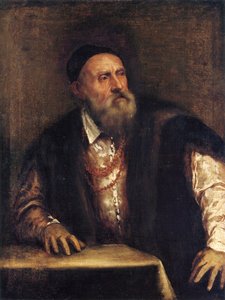
ტიციანო ვეჩელო
1490 - 1576 , იტალია
მოკლე ფაქტები
- Artistic Movement Or Style: ვენეციური რენესანსი
- Artists Or Movements Influenced By This Artist:
- დასავლური ხელოვნება
- ბაროკო ხელოვნება
- Artists Who Influenced This Artist:
- ჯოვანი ბელინი
- გიორგონე
- Date Of Birth: დაახლოებით 1490
- Date Of Death: 1576
- Full Name: ტიციანო ვეცილიო
- Nationality: იტალიელი
- Notable Artworks:
- ადამიანი ქურთით
- მოინახულე მარიამმა ელისაბეთს
- ურბინოს ვენერა
- Place Of Birth: პიევე-დი-კადორე, იტალია
მსგავსი სტატიები
John Singer Sargent's 25 Masterpieces: Portraits & Beyond | AllPaintingsStore
Explore 25 iconic John Singer Sargent paintings – from dazzling portraits to Impressionist landscapes. Discover the stories behind Madame X, El Jaleo & more! Find museum-quality art reproductions and elevate your home decor with AllPaintingsStore.com.

Oil on Canvas: A Historical & Technical Exploration of a Timeless Artistic Medium
Explore the rich history & enduring techniques of oil painting on canvas. Discover the science behind its longevity, conservation practices, and contemporary relevance. Expert insights for art enthusiasts.

The Enduring Power of Painting: A Historical & Contemporary Exploration of Form and Emotion
Explore the rich history & enduring techniques of oil painting with AllPaintingsStore. Discover masterpieces, learn about art collecting, and find authentic handmade reproductions crafted by skilled artists.

The Enduring Legacy of Oil on Canvas: Technique, History & Aesthetic Impact
Explore the rich history & techniques of oil painting – from Renaissance masters to Impressionism. Discover pigments, layering methods, and why this timeless medium endures. Expert insights for artists & art enthusiasts.
ჯონ კონსტებლის 25 საუკეთესო შედევრი | ხელოვნების რეკრეაციები AllPaintingsStore-ზე
გაიცანით ჯონ კონსტებლის 25 საუკეთესო შედევრი! ინგლისური პეიზაჟების ისტორია, XIX საუკუნის ხელოვნება და AllPaintingsStore-ზე ხელოვნების უნიკალური კოლექცია. შეიძინეთ ხარისხიანი რეკრეაციები სახლის დეკორაციისთვის. აღმოაჩინეთ სრულყოფილი შეფერილი ტილოები AllPaintingsStore.com-ზე!


