თანხის დაბრუნების გარანტია · 100 დღე უფასო მიწოდება მთელ მსოფლიოში
449 587ნამუშევრები 30 613მხატვრები 4 660მუზეუმები 32ენები
ვალუტა
    ენა
      ატელიე · დაარსდა 2015 წელს · პარიზი, საფრანგეთი
      AllPaintingsStore
      allpaintingsstore.com
      Catalogue entry

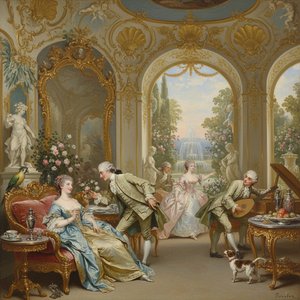
      Canvassing for Votes

      Oil.

      Fig. 1. ვილიამ ჰოგარ்த், Canvassing for Votes. Shown as the reproduction you are specifying: , .

      § 1Catalogue data

      § 2Abstract

      კოლექციონირებადი ნივთის აღწერა

      Experience William Hogarth's 'Canvassing for Votes,' a biting satire of 18th-century politics. This iconic print exposes corruption & manipulation, showcasing a pivotal moment in art history. Own a stunning reproduction today!

      მხატვრის ბიოგრაფია

      აღმოაჩინეთ უილიამ ჰოგართის სატირული სამყარო (1697-1764), ინგლისელი მხატვრის და გრავორის ნაშრომები. აღფრთოვანდით "რაქის წინსვლას" და მისი ღრმა სოციალური კომენტარებით.

      § 3Commentary

      A Window into 18th-Century Politics and Human Nature

      William Hogarth’s “Canvassing for Votes” isn't merely a painting; it’s a meticulously crafted social commentary, a vibrant snapshot of corruption and manipulation embedded within the seemingly convivial atmosphere of an 18th-century election. Completed between 1754 and 1755 as part of his renowned “Humours of an Election” series, this work transcends its historical context to offer a timeless reflection on human ambition, moral decay, and the seductive power of political influence. The scene unfolds within a bustling tavern – a microcosm of the wider political landscape – where carefully orchestrated displays of flattery, bribery, and outright deception are laid bare for the viewer’s discerning eye.

      Hogarth's genius lies in his ability to blend Rococo style with biting satire. The painting is characterized by its soft, curved lines, delicate colors, and a lighthearted surface that belies the underlying darkness of the subject matter. However, this apparent elegance serves as a deceptive mask, concealing the rampant corruption at the heart of the scene. Notice the subtle details: the Jewish peddler offering trinkets to the Tory candidate, the ladies observing from an upstairs balcony, the riotous mob attempting to dismantle the tax office – each element contributes to Hogarth’s pointed critique of the era's political practices.

      The Rococo Facade and Satirical Intent

      The painting’s aesthetic is firmly rooted in the Rococo style, a trend popular during Hogarth’s time. This influence manifests in the use of pastel hues, graceful figures, and an overall sense of decorative charm. Yet, Hogarth subverts this seemingly frivolous style to expose the hypocrisy beneath the surface. The elaborate setting – the tavern interior, the well-dressed patrons – creates a veneer of civility, while the actions depicted reveal a system riddled with greed and deceit. The composition itself is carefully constructed to draw attention to these discrepancies, guiding the viewer’s eye through a series of interconnected vignettes that expose the moral failings of the political process.

      Crucially, “Canvassing for Votes” isn't simply a depiction of events; it’s an indictment. Hogarth was deeply concerned with social justice and believed art could be used to challenge established power structures. He meticulously documented the realities of his time, exposing the corruption that permeated all levels of society. The painting serves as a potent reminder of the importance of transparency, fairness, and integrity in political processes – values that remain relevant today.

      A Legacy of Social Commentary

      “Canvassing for Votes” cemented William Hogarth’s reputation as a pioneering social commentator and a master of satirical art. The “Humours of an Election” series was a commercial success, demonstrating the public's appetite for works that held authority accountable. The engravings derived from these paintings were widely distributed, spreading Hogarth’s critique far beyond London’s elite circles. Today, the painting resides in the Sir John Soane’s Museum, a testament to its enduring significance and artistic merit.

      Owning a high-quality reproduction of “Canvassing for Votes” offers more than just a beautiful addition to your home or office; it's an opportunity to connect with a pivotal moment in art history and engage with a timeless message about the dangers of unchecked power. AllPaintingsStore.com’s meticulous reproductions capture every brushstroke, color nuance, and subtle detail of Hogarth’s original masterpiece, ensuring that this iconic work continues to resonate for generations to come.

      კითხვები და პასუხები

      რა თემები არის გამოსახული ნამუშევარში ვილიამ ჰოგარ்த்-ის „Canvassing for Votes“?

      ვილიამ ჰოგარ்த்-ის „Canvassing for Votes“-ში წარმოდგენილი თემები მოიცავს politics, election, corruption, bribery, society, 18th century, satire-ს. ისინი ერთობლიობაში შეჯამებენ ნამუშევრის შინაარსს.

      შემიძლება თუ არა ვილიამ ჰოგარ்த்-ის „Canvassing for Votes“-ის წინასწარ ნახვა შეკვეთამდე?

      ვილიამ ჰოგარ்த்-ის „Canvassing for Votes“-ის წინასწარი ნახვა ხელოვნების ნიმუშის წინასწარი ნახვა გვერდზე ხელმისაწვდომია.

      სად უნდა ჩამოკიდოს ვილიამ ჰოგარ்த்-ის „Canvassing for Votes“-ის რეპროდუქცია?

      ვილიამ ჰოგარ்த்-ის „Canvassing for Votes“-ის Landscape ფორმატი რეკომენდებულია Living Room-ისთვის. ფორმატი და სივრცე ერთობლივად განსაზღვრავს რეპროდუქციის განლაგების საუკეთესო გზას.
      § 4The artist

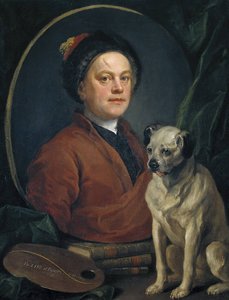
      ვილიამ ჰოგარ்த்

      ვილიამ ჰოგარ்த்

      1697 - 1764, ინგლისი

      Quick facts about ვილიამ ჰოგარ்த்

      • Artistic Movement Or Style: სატაურული და რეალიზმი
      • Artists Who Influenced This Artist:
        • პიერ დე ჰოხი
        • ჯონათან სვიფტი
      • Date Of Birth: 1697 წლის ნოябрь 10
      • Date Of Death: 1764 წლის ოქტომბერი 26
      • Full Name: William Hogarth
      • Nationality: ინგლისელი
      • Notable Artworks:
        • მშობლო სადღეგრძნელი
        • რაინის მფლობელი
      • Place Of Birth: ლონდონი, ინგლისი

      მხატვრის ბიოგრაფია

      A London Life in Ink and Paint: The World of William Hogarth

      William Hogarth, born into the bustling heart of 18th-century London in 1697, was more than just an artist; he was a visual historian, a keen observer of human nature, and a satirical commentator on the societal currents of his age. His life story is inextricably linked to the very fabric of England during a period of significant transformation – its burgeoning ambitions, underlying anxieties, and pervasive hypocrisies all finding potent expression in his remarkably detailed and often biting works. The son of a struggling Latin schoolmaster, Hogarth’s early experiences instilled within him both a love for learning and a sharp awareness of social inequalities, a foundation that would prove crucial to shaping his artistic vision. Initially apprenticed to an engraver, he quickly demonstrated a talent extending beyond mere technical skill; he possessed an innate ability to observe the nuances of human behavior and translate them into compelling visual narratives. However, he chafed against the constraints of traditional engraving, seeking a more expressive outlet for his burgeoning creativity. This led him to studies at both St Martin’s Lane Academy and under Sir James Thornhill, where he honed his skills in painting and composition, absorbing influences that would later inform his unique style. His formative years were marked by hardship—his father's imprisonment instilled within him a profound understanding of the injustices faced by ordinary people. Yet this adversity fueled his artistic ambition, propelling him toward an unwavering dedication to capturing the complexities of human experience with unflinching honesty. Early sketches revealed a remarkable talent for portraying individuals with sensitivity and accuracy, foreshadowing his later mastery of portraiture and genre painting. He cultivated friendships with fellow artists and intellectuals, fostering a vibrant intellectual environment that nurtured his creative spirit. His fascination with classical art—particularly the works of Albrecht Dürer, Pieter Bruegel the Elder, Leonardo Da Vinci, Raphael, Michelangelo, Nicolas Poussin—provided him with invaluable stylistic models. These masters instilled in him a belief that art should strive for both beauty and moral instruction, shaping his artistic ethos throughout his career.

      The Birth of Modern Moral Subjects

      Hogarth’s true innovation lay not simply *what* he painted, but *how*. He pioneered what he termed “modern moral subjects” – series of pictures designed to tell a story, often imbued with a strong satirical edge. These weren’t isolated portraits or landscapes; they were visual novels unfolding before the viewer’s eyes, offering pointed commentary on contemporary society. A Harlot's Progress, created in 1742, stands as perhaps his most famous example. This series of six paintings meticulously follows the tragic downfall of Mary, a young woman arriving in London full of hope but quickly succumbing to the temptations and dangers of city life. Each scene is rendered with painstaking detail, filled with symbolic elements that reveal the moral decay surrounding her. The meticulous observation of human behavior—the furtive glances exchanged between prostitutes, the desperate pleas for money, the gradual erosion of virtue—was revolutionary for its time. It challenged viewers to confront uncomfortable truths about themselves and their society, prompting reflection on issues of morality, social responsibility, and personal redemption. Similarly, A Rake's Progress, begun in 1733, charts the reckless decline of Tom Rakewell, a man who squanders his inheritance on gambling, debauchery, and ultimately, madness. The depiction of opulent excess juxtaposed with moral degradation served as a searing indictment of aristocratic decadence—a critique that resonated powerfully with audiences concerned about social stability and ethical conduct. Hogarth’s technique was characterized by a masterful use of line and shading, particularly evident in his engravings. He employed a distinctive cross-hatching technique that created depth and texture, bringing his scenes to life with remarkable clarity. This method allowed him to convey emotion and atmosphere with unparalleled precision—capturing the nuances of human expression and the subtleties of light and shadow. Furthermore, he possessed an exceptional eye for composition, arranging figures and objects within the frame to create dynamic and engaging narratives. He skillfully utilized perspective and spatial relationships to guide the viewer’s gaze and heighten the dramatic impact of his images. His artistic vision was profoundly influenced by classical art—particularly the works of Rembrandt and Rubens—who championed realism and psychological insight. These masters instilled in him a belief that art should strive for both beauty and moral instruction, shaping his artistic ethos throughout his career. He sought to hold a mirror up to nature, reflecting both its splendor and its ugliness with uncompromising honesty.

      Influences Beyond Art: Literature and Society

      Hogarth’s intellectual curiosity extended beyond visual arts; he was deeply engaged in literary discussions and actively participated in the vibrant cultural life of London. His correspondence reveals an astute understanding of philosophical ideas—particularly those championed by Voltaire and Rousseau—which informed his social observations. He recognized that art should serve as a catalyst for critical reflection, prompting viewers to question prevailing assumptions about morality, politics, and human behavior. Hogarth’s engagement with the theater—where he served as a scenic artist—provided him with firsthand experience of societal trends and anxieties. He meticulously documented theatrical productions, capturing their costumes, sets, and performances with remarkable accuracy. This practice honed his observational skills and deepened his appreciation for storytelling—a skill that would ultimately define his artistic legacy. His unwavering commitment to social justice fueled his satirical endeavors—he tirelessly denounced corruption, hypocrisy, and oppression wherever he encountered them. He believed that art had a moral obligation to challenge injustice and advocate for the rights of marginalized communities. His unflinching portrayal of poverty, disease, and suffering served as a powerful indictment of societal indifference—a critique that demanded immediate action toward alleviating human misery. Hogarth’s artistic legacy extends far beyond his individual paintings and engravings; he established a tradition of social satire that continues to inspire artists and writers today. He demonstrated that art could be both entertaining and enlightening, fostering empathy for those less fortunate and prompting reflection on the ethical responsibilities of individuals and institutions. His enduring influence testifies to the transformative power of artistic vision—a testament to his unwavering belief in the capacity of art to shape human consciousness and propel social progress.

      § 5Comparanda

      § 6Questions

      მოკლე ფაქტები

      • Movement: Rococo
      • Notable elements: Satirical tactics
      • Artistic style: Social commentary
      • Location: Sir John Soane's Museum
      • Artist: William Hogarth

      ტესტი ხელოვნების შესახებ

      თითოეულ კითხვაზე მხოლოდ ერთი სწორი პასუხია.

      კითხვა 1:
      What is the primary subject depicted in William Hogarth’s ‘Canvassing for Votes’?
      კითხვა 2:
      Which artistic style is most prominently featured in ‘Canvassing for Votes’?
      კითხვა 3:
      The painting includes a dog. What is the likely symbolic significance of this animal?
      კითხვა 4:
      ‘Canvassing for Votes’ is part of which series by William Hogarth?
      კითხვა 5:
      Where is the original painting ‘Canvassing for Votes’ currently housed?

      § 7Cite this entry

      AllPaintingsStore.com, “ვილიამ ჰოგარ்த், Canvassing for Votes”, https://allpaintingsstore.com/ka/art/william-hogarth-canvassing-for-votes-8BWM8S-en/ArtistReproduction/ (accessed 1 ოქტომბერი 2026).

      § 8The reproduction

      ხელით შესრულებული ზეთის საღებავით რეპროდუქცია

      ტილოზე შესრულებული ფერწერიანი ზეთប្រდათი, თქვენთვის სასურველი ზომისა და ჩარჩოსთვის, ჩვენი ხელოვანების მიერ შეკვეთის საფუძველზე დამზადებული. ( გადართვა ბეჭდვის რეჟიმზე გადასვლა ციფრულ გამოსახულებაზე)

      It is specified on the order sheet in the margin; the present state of that sheet reads as follows.

      Canvassing for Votes

      რეპროდუქციის ტექნიკა

      რეპროდუქციის ზომა

      -

      დასახელებული ხელოვანთა შერჩეული კოლექცია

      უფრო მეტი დეტალიზაცია, დახვეწილობა და დამატებითი დამუშავების დრო

      -

      რეკლამაციის ჩარჩო

      -

      -

      ნებისმიერი მხარისთვის 105 სმ-ზე (დაახლოებით 41 ინჩი) მეტი ზომის ხელოვნებული ნამუშევრების ან რეპროდუქციებისთვის, ჩარჩო მოგზავნდება დაშლილ კომპლექტში. ეს მეთოდი უზრუნველყოფს უსაფრთხო მიწოდებას და თავიდან აგაცილებთ ტრანსპორტირებისას შესაძლო დაზიანებას.

      საჭიროა პროფესიონალური აწყობა - ეს არ არის თვითმომსახურების (DIY) პროდუქტი.
      კომპლექტის აწყობა და ტილოს დაჭიმვა უნდა განახორციელოს გამოცდილმა პროფესიონალმა ჩარჩოს დამამზადებელმა, ხის წებოს (არ შედის კომპლექტში), ტილოს დაჭიმვის ბერჭებისა და საკრამების გამოყენებით, რათა წებოს გასაშრობად ღერძები სწორად და სტაბილურად დაფიქსირდეს. არასწორი აწყობა ან ტილოს არათანაბარი დაჭიმვა შეიძლება გამოიწვიოს ნამუშევრის სამუდამო დაზიანება, რაც არ იფარება ჩვენი გარანტიით.

      • კომპლექტში შედის მყარი ხის ყველა ღერძი, ზუსტად გაზომილი და საჭირო ზომაზე დაჭრილი.

      • აწყობისთვის გამოიყენება მოთავსებული ხრახნები; ასევე დაგჭირდებათ ხის წებო კუთხეების დასაკავშირებლად, რომელიც კომპლექტში არ შედის და თქვენმა ჩარჩოს დამამზადებელმა უნდა შეიძინოს დამოუკიდებლად.

      • საჭიროა პროფესიონალური ხელსაწყოები, რომლებიც არ შედის კომპლექტში: ტილოს დაჭიმვის ბრჭყალები (დამჭერი) და სამჭედლები, რათა წებოს გასაშრობ პროცესში რამკოს კუთხეები სწორად ფიქსირდეს.

      მნიშვნელოვანია:
      კუთხეების დასაკავშირებლად საჭიროა ხის წებო; სანამ წებო სრულად გაშრება, ღერძები დაფიქსირებული უნდა იყოს საკავშირეებით, ხოლო აწყობილ ჩარჩოზე ტილოს დასჭიმად საჭიროა ტილოს დასჭიმელი ბრჭჭვალი. არცერთი ეს ნივთი არ შედის კომპლექტში. გთხოვთ, ამ ზომის შეკვეთამდე წინასწარ დაგეგმოთ გამოცდილი პროფესიონალი ჩარჩოს დამზადებელი.

      სახელოვანი ფირფიტა

      -

      -

      დამცავი ლაქი

      ბზინვარე ლაქი (აფერსკვიატებს ფერებს და იცავს სინათლისა და ტენისგან)

      -

      ჩემი ნამუშევრის პერსონალიზაცია

      რა შეიძლება შეიცვალოს (მაგალითები): სახის შეცვლა მომხმარებლის ფოტოთი; შინაური ცხოველის დამატება (მაგალითად, კატის დგებით შეცვლა); ფონზე ფარული შეტყობინების დამატება; ფონის ლანდშაფტის ან ელემენტების შეცვლა.

      -

      სასწრაფო მიწოდება

      მიწოდება მსოფლიო მასშტაბით () 3-4 კვირაში, სტანდარტული 5 კვირის ნაცვლად. (29 ოქტომბერი). ხარისხზე კომპრომისის გაკეთება არ მოხდება.

      -

      ექსპრეს-მიწოდება

      მიწოდება მსოფლიოს მასშტაბით (), 5 კვირაში. (5 ნოემბერი).

      მოყვება

      ჯამური ღირებულება

      ₾ 671

      Included with every order

      • უფასო ექსპრეს მიწოდება მთელ მსოფლიოში
      • მაღალი ხარისხის ტილო
      • ტრანსპორტირების სრული დაზღვევა
      • საბაჟო გადასახადების დაბრუნების გარანტია
      • ფერების სრული შესაბამისობის გარანტია
      • დაბრუნების 100-დღიანი პერიოდი (მხოლოდ წარმოების დეფექტის შემთხვევაში)
      • 100% თანხის სრული დაბრუნების გარანტია
      • ფასდაკლება დიდი რაოდენობით შეკვეთისას
      აღმოაჩინეთ ხელოვნების ნაწარმოებები თემების, სტილისა და მახასიათებლების მიხედვით დაჯგუფებული.
      Order sheet