თანხის დაბრუნების გარანტია · 100 დღე უფასო მიწოდება მთელ მსოფლიოში
646 446ნამუშევრები 53 409მხატვრები 5 406მუზეუმები 32ენები

Mannerist მესმენები at a glance

Famous Mannerist მხატვრები — Top 71 List

ელ გრეკო (1541–1614) is the most famous Mannerist მხატვარი, best known for ელ ესპოლიო და ის ხტის მოცილება (El Espolio). Then ტინტორეტო, ჯუზეპე არჩიმბოლდო, ანგელო ბრონზინო და სოფონისბა ანგისოლა. The list covers 71 მესმენები born between 1475 and 1577 in 14 countries, from ამიკო ასპერტინი to კრისტოფანო ალორი.

Method. Scope: artists filed under Mannerist in our catalogue. Order: our artist fame ranking. Excluded: artists born after 1955 without a Wikidata identifier. Wikipedia figure: languages with an article, out of our 32.

  1. ელ ესპოლიო, ელ გრეკო-ის მიერ1ელ გრეკო
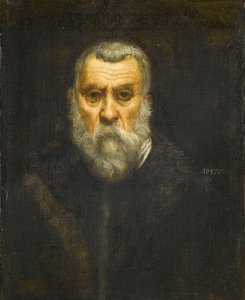
  2. ჯაკობო ტინტორეტოს "საქramentoჲ წმ. მარკისა მცხელისა მბოროხისა", ტინტორეტო-ის მიერ2ტინტორეტო
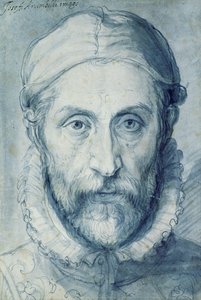
  3. ვერტუმნუსი (ზამთრის ღამე), ჯუზეპე არჩიმბოლდო-ის მიერ3ჯუზეპე არჩიმბოლდო

Key data

Mannerist: key data

  • 71მხატვრები
  • 1475–1577lahirjnis tseli
  • 14დაბადების ქვეყნები
  • 2ქალები
  • 5 179ნამუშევრები ჩვენს კატალოგში
ქალაქები, სადაც ყველაზე მეტი დაბადებაა
ფლორენცია (8), Florence (6), ვენეცია (3), ბოლონია (3)
მუზეუმები, სადაც ყველაზე მნიშვნელოვანი ნამუშწევრები ინახება
კუნსტისტორიშეს მუზეუმი (17), ერმიტაჟის მუზეუმი (10), ბავარიის სახელმწიფო ფერწერის კოლექციები (7), უფიციების გალერეა (6)

Ranked list

71 Mannerist მხატვრები, ranked with key works

1/ 71

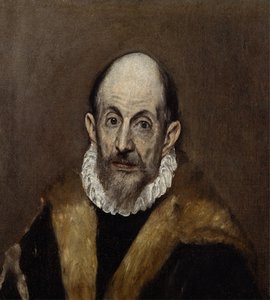
ელ გრეკო

ბერძენი-ესპანელი b. ჰერაკლიონი მანერიზმი, ბაროკო Wikipedia 31/32
ელ გრეკო

Doménikos Theotokópoulos, known to history as El Greco, began his life in 1541 on the island of Crete. At that time, the island was a Venetian possession, a fact that would later allow him to bridge the gap between Eastern and Western traditions. In the Venetian Republic, he encountered the works of Titian and Tintoretto, absorbing their mastery of color and the use of light to define form.

Key works · Top 100 works

2/ 71

ტინტორეტო

იტალიელი b. ვენეცია რენესანსი, მანერიზმი Wikipedia 31/32

ტინტორეტო

The Origin of the Milky Way (Scuola Grande di San Rocco, Venice). The early momentum of his career found expression in the church of the Carmine, Venice, with The Presentation of Jesus in the Temple, painted about 1542.

Location The Scuola Grande di San Rocco remains the most concentrated repository of his output, housing over sixty canvases that transform the building's halls into a cinematic experience of biblical narratives.

Key works · Top 100 works

3/ 71

ჯუზეპე არჩიმბოლდო

იტალიელი b. მილანი მანერიზმი, სურიალიზმი Wikipedia 30/32

ჯუზეპე არჩიმბოლდო

He specialized in grotesque symbolical compositions, where the anatomy of a face was reimagined through the arrangement of fruits, vegetables, flowers, animals, books, and various inanimate objects. The artist’s most distinctive approach reached a public milestone on New Year’s Day in 1569, when he premiered his composite heads to Maximilian II.

Location The physical remnants of Arcimboldo’s imagination are scattered across Europe, preserved within the halls of institutions that once served the very courts he once entertained.

Key works · Top 100 works

5/ 71

სოფონისბა ანგისოლა

იტალიელი b. კრემონა რენესანსი, მანერიზმი Wikipedia 29/32

სოფონისბა ანგისოლა

Key works · Top 100 works

7/ 71

პარმიჯანინო

იტალიელი b. პარმა მანერიზმი Wikipedia 28/32

პარმიჯანინო

Key works · Top 100 works

8/ 71

ჯორჯო ვაზარი

Italian b. არეცო Mannerism Wikipedia 31/32

ჯორჯო ვაზარი

Trained Jacopo Zucchi #54, Federico Zuccari #41

Key works · Top 100 works

10/ 71

როსო ფიორენტინო

იტალიელი b. ფლორენცია მანერიზმი Wikipedia 27/32

როსო ფიორენტინო

Key works · Top 100 works

11/ 71

სებასტიანო დელ პიომბოს

იტალიური b. ვენეცია მაღალი რენესანსიო, მანერიზმი Wikipedia 23/32

სებასტიანო დელ პიომბოს

Key works · Top 100 works

12/ 71

ჰენდრიკ გოლციუსი

ჰოლანდიელი b. Bracht ჩრდილოეთური მანერიზმი და ბაროკოს гравюра Wikipedia 19/32

ჰენდრიკ გოლციუსი

Key works · Top 100 works

13/ 71

დომენიკო ბეკაფუმი

იტალიელი b. Castelnuovo Berardenga მანერიზმი, რენესანსი Wikipedia 21/32

დომენიკო ბეკაფუმი

Key works · Top 100 works

15/ 71

ბარტოლომეუს სპრანგერი

Flemish b. ანტვერპენი Northern Mannerism Wikipedia 18/32

ბარტოლომეუს სპრანგერი

Spranger’s style is a quintessential example of Northern Mannerism, characterized by elongated figures, complex poses, and a deliberate emphasis on elegance and refinement.

Key works · Top 100 works

17/ 71

ფედერიკო ბაროჩი

იტალიელი b. ურბინო რენესანსი, ბაროკო Wikipedia 24/32

ფედერიკო ბაროჩი

“კომპოზიციის შესწავლა” (“გაცხედავრებისთვის”, პარიზი, ლუვრის მუზეუმი) – აშუქებს მის უნარს კომპოზიციისა და ემოციების დაბალანსებაში.

Key works · Top 100 works

18/ 71

ჰანს ფონ აახენი

გერმანელი b. კიოლნი მანიერიზმის მხატვრობა Wikipedia 26/32

ჰანს ფონ აახენი

Key works · Top 100 works

19/ 71

კრისტოფანო ალორი

Italian b. ფლორენცია Mannerism Wikipedia 23/32

კრისტოფანო ალორი

In the twilight of the Renaissance, as the balanced harmonies of the previous century gave way to the restless energy of Mannerism, Cristofano Allori emerged as a vital voice in the Florentine school. Born in 1577 into a city steeped in artistic prestige, Allori was destined for the brush.

Key works · Top 100 works

20/ 71

ალესანდრო ალორი

იტალიელი b. ფლორენცია მანერიზმი Wikipedia 24/32

ალესანდრო ალორი

Key works · Top 100 works

21/ 71

ნიკოლო დელ აბატე

იტალიელი b. მოდენა მანერიზმი Wikipedia 25/32

ნიკოლო დელ აბატე

These landscapes frequently served as the setting for dramatic scenes featuring figures from classical mythology – tales of Orpheus and Eurydice, Proserpine’s abduction, and the Judgment of Paris.

Key works · Top 100 works

22/ 71

ჯოვანი ბატისტა მორონი

b. ალბინო Wikipedia 16/32

ჯოვანი ბატისტა მორონი

Key works · Top 100 works

23/ 71

ბენვენუტო ჩელინი

იტალიელი b. ფლორენცია მანერიზმი

ბენვენუტო ჩელინი

Key works · Top 100 works

24/ 71

ფრანჩესკო დე როსისო (ფრანჩესკო Salviati)

იტალიელი b. ფლორენცია მანიერიზმი Wikipedia 17/32

ფრანჩესკო დე როსისო (ფრანჩესკო Salviati)

フランチェスコ・サルヴィアティ、セッキーノ・デル・サルヴィアティやフランチェスコ・ロッシとしばしば関連付けられるこの名は、16世紀イタリア美術の鮮やかなタペストリーにおける極めて重要な人物として輝いています。1510年頃フィレンツェで生まれ、悲劇的な最期をローマで迎えた彼の生涯は、芸術的徒弟制度、パトロンからの支援、そして最終的にはマニエリスムのドラマチックな複雑さへの習熟という旅路でした。サルヴィアティは単なる画家以上の存在であり、動き、心理的な強烈さ、そして深い演劇性の感覚に満ちた場面を丹念に作り上げる視覚体験の建築家でした。これらの資質こそが、彼をその時代の最も革新的な芸術家の一人として確固たるレガシーを築き上げたのです。 初期の影響と訓練: サルヴィアティの芸術的基盤は、数名の著名なフィレンツェの巨匠たちの指導のもとで始まりました。彼は当初、ジュリアーノ・ブジャルディーニ、バッキオ・バンディネッリ、アンドレア・デル・ブレスキアニーノの下で徒弟をこなし、それぞれから技術や様式的なニュアンスを吸収しました。しかし、特に形成的な影響を与えたのはアンドレア・デル・サルトとの時期であり、彼に古典的な原則と写実的な表現に関する確固たる基礎を提供しました。決定的に重要なことに、ローマ滞在中にはミケランジェロとラファエロの台頭する影響にも触れることができ、これらの経験が彼の後の芸術的ビジョンを深く形作ることとなりました。. ローマ:革新のるつぼ: 1531年のサルヴィアティのローマ移住は転換点となり、彼を有望なフィレンツェの徒弟から、この都市の活気ある芸術シーンにおけるダイナミックな参加者へと変貌させました。ここでは、彼はマニエリスム様式に没頭し、その特徴的な引き伸ばされた人物像、歪んだ遠近法、そして高められた感情主義を吸収しました。彼の初期の作品、特にサン・ジョヴァンニ・バッティスタ・デコラートのオラトリオにある『訪問』のフレスコ画(1537-38年)は、この影響を鮮やかに示しています。そこには、渦巻くドレーパリー、誇張されたジェスチャー、そしてほとんど息苦しいほどのドラマの感覚に満ちた複雑な構図が広がっています。. サルヴィアティのキャリアは、フィレンツェにおけるコジモ1世・デ・メディチ公爵のもとでの長きにわたる宮廷画家としての在職中に頂点に達しました。この時代には、彼の最も野心的で称賛される作品群が生まれ、クライマックスとしてパッラッツォ・ヴェッキオのウディエンツァの間を飾る壮麗な『カミルス凱旋』フレスコ画(1543-1545年)が完成しました。この記念碑的な事業は、サルヴィアティが複雑な構図を管理し、単一の空間内に無数の人物と物語をオーケストレーションする比類なき技術を披露しました。このフレスコ画は単なる歴史的描写ではありません。それは象徴性に満ち、メディチ家の権力と権威のイメージを投影するために慎重に構築された舞台装置なのです。『カミルス凱旋』の純粋な規模と精巧な細部は、サルヴィアティを同時代の主要な装飾家として確立し、彼のドラマチックな才能と技術的な熟練さという評判を確固たるものにしました。 タペストリーのデザイン: フレスコ画の制作を超えて、サルヴィアティの才能はタペストリーデザインにも及びました。彼はメディチのアラッツェリアのためにカートゥーンを作成し、『エケ・ホモ』、『復活』、そして『ヨセフがファラオの夢を説明する』といった象徴的なイメージを生み出しました。これらのタペストリーは、複雑な物語を視覚的に魅惑的な形態に翻訳する彼の能力をさらに証明し、色彩、構図、装飾的細部における彼の熟練さを示しています。. サルヴィアティの芸術様式は、デル・サルトの写実性、ミケランジェロのダイナミズム、そしてラファエロのエレガンスという影響が独特なブレンドを形成しており、これらすべてがマニエリスムというレンズを通して濾過されています。彼の人物像はしばしば引き伸ばされ、ねじ曲げられており、そのポーズにはほとんど演劇的な強烈さが宿っています。彼はドラマの感覚を高め、心理的な緊張の触れるような雰囲気を生み出すために、劇的な照明効果を用いました。サルヴィアティの色使いも同様に印象的です。豊かで彩度の高い色調が抑えられたトーンと並置され、構図内の主要な要素に注意を引きます。彼の構図はしばしば人物で混雑し、彼が伝えようとした感情的な動揺を映し出す視覚的な密度の感覚を生み出しています。 肖像画: 主にフレスコ画と装飾作品で知られていますが、サルヴィアティは肖像画家としても傑出していました。彼の肖像画はしばしば被写体を強烈な感情や劇的な行動の瞬間に捉えており、彼のより広範な芸術的関心を反映しています。. フランチェスコ・サルヴィアティがイタリアのマニエリスムの発展に与えた影響は否定できません。彼は伝統的な絵画技法の限界を押し広げ、歪みや誇張を受け入れることで、視覚的に魅惑的でありながら心理的にも深遠な作品を生み出しました。彼の影響は、ジュリオ・ロマーノやポントルモを含む後世の芸術家たちの作品に見ることができます。彼のフレスコ画は、そのドラマチックな強さと熟練した実行力によって今なお鑑賞者を魅了し続け、16世紀イタリアの動乱で変革的な時代への窓を提供しています。彼は、感情を呼び起こし、慣習に挑戦し、歴史に対する我々の理解を形作る芸術の力についての証なのです。

Key works · Top 100 works

26/ 71

კარელ فان მანდერი უფროსი

Flemish b. მულებეკი Northern Mannerism Wikipedia 20/32

კარელ فان მანდერი უფროსი

Vienna: During a return journey from Italy, he collaborated with Bartholomeus Spranger and Hans Mont on creating a triumphal arch for Emperor Rudolf II's royal entry.

Key works · Top 100 works

29/ 71

Prospero Fontana

Italian b. Bologna Late Renaissance & Mannerism Wikipedia 18/32

Prospero Fontana

His work also includes significant contributions to the decoration of the Santa Maria del Baraccano church in Bologna, including a captivating “Disputa di Santa Caterina.” His daughter, Lavinia Fontana, who herself became a successful painter, undoubtedly benefited from her father’s tutelage and artistic guidance.

Key works · Top 100 works

30/ 71

Joachim Wtewael

ნიდერლანდელი b. უტტრეხტი მანერიზმი Wikipedia 14/32

Joachim Wtewael

A pivotal period arrived when he embarked on travels through Italy and France starting in 1586.

Key works · Top 100 works

31/ 71

ფრანჩესკო პრიმატიჩი

Italian b. ბოლონია Mannerism Wikipedia 22/32

ფრანჩესკო პრიმატიჩი

Francesco Primaticcio stands as a towering figure of the Italian Mannerist tradition, a polymath whose creative reach extended far beyond the canvas to encompass the realms of architecture and sculpture. Born in Bologna, Italy, his artistic journey began under the rigorous guidance of Giulio Romano in Mantua, where he absorbed the complex, tension-filled aesthetics that would later define his career.

Key works · Top 100 works

32/ 71

ოტო فان ვინ

ფლამენდიელი b. ლეიდენი მანერიზმი Wikipedia 15/32

ოტო فان ვინ

Trained by Federico Zuccari #41

Key works · Top 100 works

33/ 71

ლუკა კამბიასო

იტალიური b. მონეგლია ჟენოის სკოლა, მანერიზმი Wikipedia 15/32

ლუკა კამბიასო

Key works · Top 100 works

34/ 71

ჯუზეპე ჩეზარი

იტალიელი b. არპინო მანერიზმი Wikipedia 14/32

ჯუზეპე ჩეზარი

Key works · Top 100 works

35/ 71

ფრანჩესკო ბასანო უმცროსი

იტალიელი b. ბასანო-დელ-გრაპა ვენეციური რენესანსი Wikipedia 12/32

ფრანჩესკო ბასანო უმცროსი

Conversely, in more mythologically charged pieces like ' The Forge of Vulcan ', he demonstrated a masterful command over light and shadow, using the glow of the forge to create a dramatic, theatrical atmosphere that captivated viewers.

Key works · Top 100 works

36/ 71

Hendrick De Clerck

Flemish Late Mannerism

Hendrick De Clerck

Early Life & Training: De Clerck’s formative years are shrouded in obscurity, though evidence suggests he received training under Jan Brueghel the Elder, a titan of Flemish landscape painting and a pivotal influence on de Clerck's artistic approach. Collaborations with Jan Brueghel the Elder on landscapes such as “ Paradise ” further cemented De Clerck’s reputation as a visionary artist who skillfully blended tradition and innovation.

Key works · Top 100 works

37/ 71

ლეანდრო ბასანო

იტალიელი b. ბასანო-დელ-გრაპა მანიერიზმი Wikipedia 13/32

ლეანდრო ბასანო

Key works · Top 100 works

38/ 71

Perino del Vaga

Italian b. Florence Mannerist Painting Wikipedia 15/32

Perino del Vaga

Pietro Buonaccorsi, known to history through the evocative moniker Perino del Vaga, remains one of the most captivating figures of the transition from the High Renaissance to the intricate complexities of Mannerism. Born in Florence around 1501 into a lineage of artistic talent, his very name— Vaga, meaning wandering or idle—suggests a restless creative energy that would eventually carry him far beyond the borders of his native Tuscany.

Key works · Top 100 works

39/ 71

Stradanus

Flemish b. Bruges Renaissance, 16th Century Painting Wikipedia 15/32

Stradanus

His arrival coincided with a period of immense artistic patronage and experimentation within the court, orchestrated by Grand Duke Cosimo I de’ Medici and his advisor, Giorgio Vasari.

Trained Antonio Tempesta #56

Key works · Top 100 works

40/ 71

ილ პორდენონეს

იტალიური b. ფრიული-ვიზენცა რენესანსის მხატვრობა Wikipedia 16/32

ილ პორდენონეს

Key works · Top 100 works

41/ 71

Federico Zuccari

Italian b. Sant'Angelo in Vado Mannerism Wikipedia 18/32

Federico Zuccari

Their collaborative spirit yielded masterpieces such as “The Holy Family ” in Palazzo Vecchio, a work that serves as a testament to their unified artistic language.

Key works · Top 100 works

43/ 71

Cornelis Ketel

Dutch b. Gouda Mannerism Wikipedia 13/32

Cornelis Ketel

Cornelis Ketel, born in Gouda, Netherlands in 1548, occupies a fascinating, transitional space within the history of Dutch art. He spent time in Paris with Jean de la Hame, a glass-painter serving King Charles IX, before securing a position at Fontainebleau during the twilight years of the School of Fontainebleau.

Key works · Top 100 works

44/ 71

Gillis Mostaert

Flemish b. Hulst Mannerism, Renaissance Wikipedia 8/32

Gillis Mostaert

Perhaps his most famous work, The Haywain (Allegory on Worldly and Clerical Abuses), exemplifies this inspiration.

Key works · Top 100 works

45/ 71

ფრანჩესკო ბაკიაკა

Italian b. ფლორენცია Florentine Mannerism Wikipedia 11/32

ფრანჩესკო ბაკიაკა

He frequently incorporated elements from contemporary prints – particularly Venetian scenes – into his paintings, reflecting the artistic exchange that characterized Renaissance Florence. His " Madonna and Child " is held by the Metropolitan Museum of Art in New York, a painting that exemplifies his ability to infuse religious subjects with intense emotion and psychological depth.

Key works · Top 100 works

46/ 71

შიპიონე პულწონე

b. გაეტა Wikipedia 11/32

შიპიონე პულწონე

He skillfully balanced Renaissance ideals with emerging Baroque sensibilities. Religious Commissions: Notable religious works include the “Assumption with the Apostles” for San Silvestro al Quirinale, a “Pietà” for the Gesù church, and a “Crucifixion” for Santa Maria in Vallicella.

Key works · Top 100 works

47/ 71

Santi di Tito

Italian b. Florence Proto-Baroque & Counter-Maniera Wikipedia 14/32

Santi di Tito

In the vibrant, shifting landscape of late 16th-century Italy, few figures played as pivotal a role in redefining the visual language of Florence as Santi di Tito. Between 1558 and 1564, di Tito’s presence was felt in the grand halls of Rome, where he worked alongside talented peers such as Giovanni de’ Vecchi and Niccolò Circignani.

Key works · Top 100 works

48/ 71

პოლიდორო და Caravaggio

იტალიელი b. კარავাজিო მანერიზმი Wikipedia 10/32

პოლიდორო და Caravaggio

Polidoro quickly distinguished himself not within the confines of panel painting or fresco but in a remarkably innovative arena: the decoration of Roman palace facades.

Key works · Top 100 works

49/ 71

ვინჩენცო კამპი

იტალიელი b. კრემონა ფლამენდური სტილი / ლომბარდიული ნატურალიზმი Wikipedia 13/32

ვინჩენცო კამპი

Key works · Top 100 works

50/ 71

Andrea Schiavone

Italian b. Zadar Baroque Sculpture; Mannerism Wikipedia 14/32

Andrea Schiavone

In the vibrant, sun-drenched tapestry of the sixteenth-century Venetian Republic, few names evoke as much intrigue and stylistic complexity as Andrea Schiavone. Born Andrea Meldolla, his very moniker—meaning "Andrew the Slav"—serves as a poetic testament to his dual identity. Though his roots lay in the Dalmatian city of Zara, now Zadar, Croatia, his artistic spirit was forged in the heart of Venice.

Key works · Top 100 works

51/ 71

ჯაკაპო ლიგოზი

იტალიელი b. ვერონა უ поздნური რენესანსი და მანერიზმი Wikipedia 11/32

ჯაკაპო ლიგოზი

Key works · Top 100 works

52/ 71

Bartolomeo Passarotti

Italian b. Bologna Mannerism Wikipedia 10/32

Bartolomeo Passarotti

In the vibrant, shifting landscape of the late sixteenth century, few artists captured the transition from the structured elegance of the High Renaissance to the dramatic intensity of the Baroque as skillfully as Bartolomeo Passarotti. Born in Bologna in 1529, Passarotti emerged not merely as a painter, but as a pivotal bridge between eras.

Key works · Top 100 works

53/ 71

Andrea Vicentino

Italian b. Vicenza Late Renaissance/Mannerist Wikipedia 5/32

Andrea Vicentino

Under the watchful eye and expert tutelage of Giovanni Battista Maganza, Vicentino developed a command over monumental compositions and refined aesthetics that would later define his career. Known variously as Andrea Michieli or Michelli, his movement toward Venice in the mid-1570s marked a transformative era in his development. By 1583, he had officially registered with the Fraglia, the prestigious Venetian guild of painters.

Key works · Top 100 works

54/ 71

Jacopo Zucchi

Italian b. Florence Mannerist Painting Wikipedia 11/32

Jacopo Zucchi

Allegorical Narrative: His masterpiece, Age of Silver, demonstrates his command over the Florentine Baroque style, weaving intricate details of justice and angelic presence into a complex tapestry of meaning.

Key works · Top 100 works

55/ 71

დომენიკო ტინტორეტო

იტალიელი b. ვენეცია მანერიზმი Wikipedia 9/32

დომენიკო ტინტორეტო

The historical significance of Domenico Robusti lies in his role as a bridge between the high drama of the late Renaissance and the more refined, poised sensibilities of the following era.

Key works · Top 100 works

56/ 71

Antonio Tempesta

Italian b. Florence Mannerism Wikipedia 11/32

Antonio Tempesta

Narrative Allegories: Utilizing complex symbolism to communicate religious and political themes, such as in his evocative work The Expulsion of Heliodorus from the Temple.

Trained by Stradanus #39

Key works · Top 100 works

57/ 71

ამიკო ასპერტინი

იტალიელი b. ბოლონია მანერიზმი Wikipedia 11/32

ამიკო ასპერტინი

Key works · Top 100 works

58/ 71

Wenzel Jamnitzer

German b. Vienna Northern Mannerism

Wenzel Jamnitzer

Notably, he studied alongside Euclid's Elements and Plato’s Timaeus, texts considered foundational for geometric reasoning and philosophical contemplation – influences that would profoundly shape his later artistic pursuits.

Key works · Top 100 works

59/ 71

Vincenzo Scamozzi

Italian b. Vicenza

Vincenzo Scamozzi

Born in Vicenza, Italy, he emerged from a lineage of builders, being the son of Gian Domenico Scamozzi, a surveyor and contractor who served as his first teacher. Following Palladio's death in 1580, Scamozzi found himself entrusted with several unfinished projects, most notably the prestigious Teatro Olimpico at Vicenza.

Key works · Top 100 works

60/ 71

Domenico Fontana

Italian b. Melide Late Renaissance

Domenico Fontana

Domenico Fontana, a name often overshadowed by the titans of the High Renaissance, stands as a pivotal figure in 16th-century Italian architecture and engineering.

Key works · Top 100 works

61/ 71

Jan De Beer

b. Antwerp Antwerp Mannerism Wikipedia 9/32

Jan De Beer

Active primarily in Antwerp, he was a central protagonist in a loose but influential group of painters known as the Antwerp Mannerists. By 1504, he had achieved the prestigious status of master within the Antwerp Guild of Saint Luke, eventually rising to the esteemed position of dean. The work of Jan De Beer is characterized by a breathtaking marriage of Northern Renaissance realism and a burgeoning sense of theatricality.

Key works · Top 100 works

62/ 71

Marcello Venusti

Italian b. Mazzo di Valtellina Mannerist Wikipedia 10/32

Marcello Venusti

Born near Como in the rugged terrain of Mazzo di Valtellina around 1512, Venusti emerged from the Italian foothills to become a vital conduit for the Mannerist aesthetic. This formative connection anchored him within the sophisticated stylistic currents of Rome, preparing him to translate the monumental language of the High Renaissance into the more stylized, elongated, and emotive vocabulary of Mannerism.

Key works · Top 100 works

63/ 71

Toussaint Dubreuil

French b. Paris Second School Fontainebleau; Mannerism; Italian Art Influence Wikipedia 8/32

Toussaint Dubreuil

He found endless inspiration in the epic tales of Homer, the poetic explorations of Pierre de Rationale, and the dramatic narratives of Torquato Tasso.

Key works · Top 100 works

65/ 71

Jacopino del Conte

Italian b. Florence Mannerist Wikipedia 10/32

Jacopino del Conte

The “Virgin and Child with Saint Elizabeth and John the Baptist ” (1535), now housed in the Uffizi Gallery, exemplifies this evolution, showcasing a masterful command of perspective, drapery, and emotional expression.

Key works · Top 100 works

66/ 71

Paolo Fiammingo

Flemish b. Antwerp Landscape with mythological and allegorical Wikipedia 8/32

Paolo Fiammingo

The story of Paolo Fiammingo, born Pauwels Franck, is a captivating tale of artistic migration and the seamless blending of Northern precision with Italian grandeur. Emerging from the vibrant artistic traditions of Antwerp around 1540, this master crossed the Alps to find his true calling in the shimmering atmosphere of Venice.

Key works · Top 100 works

67/ 71

Jacques Bellange

French b. Bassigny Northern Mannerism Wikipedia 9/32

Jacques Bellange

A master of the Northern Mannerist style, his life was lived in the twilight of the late Renaissance, a period defined by elongated forms, theatrical tension, and an almost feverish psychological intensity. Born around 1575 in the Bâse-les-Vosges region of France, Bellange emerged from a landscape of shifting borders and intense religious fervor, eventually finding his creative home within the sophisticated courtly circles of Nancy.

Key works · Top 100 works

68/ 71

Girolamo Mazzola Bedoli

Italian b. Parma Mannerist Painting Wikipedia 8/32

Girolamo Mazzola Bedoli

In the vibrant, swirling currents of the Italian Mannerist period, few names capture the elegance and stylistic complexity of the Parma school quite like Girolamo Mazzola Bedoli. Born in Viadana around 1500, Bedoli emerged from a landscape deeply enriched by the artistic legacies of Lombardy and the sophisticated atmosphere of Parma.

Key works · Top 100 works

69/ 71

Lelio Orsi

Italian b. Novellara Mannerist Wikipedia 7/32

Lelio Orsi

In the twilight of the Italian Renaissance, as the harmonious balance of High Renaissance classicism began to fracture into the restless energy of Mannerism, there emerged a voice from the fertile plains of Emilia-Romagna that captured the profound anxieties of a changing world. Born in the small town of Novellara around 1508 or 1511, Orsi navigated an era defined by shifting theological certainties and the complex intellectual currents of humanism.

Key works · Top 100 works

70/ 71

Michele Tosini

Italian b. Florence Renaissance and Mannerism Wikipedia 5/32

Michele Tosini

He was an artist who did not merely witness the transition from the High Renaissance to Mannerism but actively participated in its shaping.

Key works · Top 100 works

71/ 71

Juan Correa De Vivar

Spanish b. Mascaraque Renaissance, Mannerism Wikipedia 6/32

Juan Correa De Vivar

The altarpiece for the church of Almonacid de Zorita, tragically destroyed during the Spanish Civil War in 1936-39, stands as a testament to his skill and ambition.

Key works · Top 100 works

Best-known works

Famous Mannerist paintings by artist

  1. ელ ესპოლიო, ელ გრეკო-ის მიერ

    ელ ესპოლიო

    ელ გრეკო

  2. ჯაკობო ტინტორეტოს "საქramentoჲ წმ. მარკისა მცხელისა მბოროხისა", ტინტორეტო-ის მიერ

    ჯაკობო ტინტორეტოს "საქramentoჲ წმ. მარკისა მცხელისა მბოროხისა"

    ტინტორეტო

    1548 · ვენეციის აკადემიის გალერეა, ვენეცია

  3. ვერტუმნუსი (ზამთრის ღამე), ჯუზეპე არჩიმბოლდო-ის მიერ

    ვერტუმნუსი (ზამთრის ღამე)

    ჯუზეპე არჩიმბოლდო

    1590 · Skoklosters Slott, Balsta

  4. The Holy Family, ანგელო ბრონზინო-ის მიერ

    The Holy Family

    ანგელო ბრონზინო

    1545

  5. Portrait of the Artist's Sisters Playing Chess, სოფონისბა ანგისოლა-ის მიერ

    Portrait of the Artist's Sisters Playing Chess

    სოფონისბა ანგისოლა

    1555 · Muzeum Narodowe w Pozaniu, Poznań

  6. Visitation, იაკოპო კარუჩი-ის მიერ

    Visitation

    იაკოპო კარუჩი

    1515

  7. მადონა გრძელი კ neck-ით, პარმიჯანინო-ის მიერ

    მადონა გრძელი კ neck-ით

    პარმიჯანინო

    1534 · უფიციების გალერეა, ფლორენცია

  8. უკანასკნელი სასამართლო (განაყოფიერება), ჯორჯო ვაზარი-ის მიერ

    უკანასკნელი სასამართლო (განაყოფიერება)

    ჯორჯო ვაზარი

    1572 · Duomo, Florence

Chronology

Mannerist chronology

  1. 1515
  2. 1519
  3. 1532
  4. 1540
  5. 1545
  6. 1545
  7. 1549
  8. 1554
  9. 1555
  10. 1567
  11. 1570
  12. 1581
  13. 1585
  14. 1590

Statistics

Counts by country, period and museum

Index

Full list of 71 famous Mannerist მესმენები

  1. 1ელ გრეკოელ გრეკობერძენი-ესპანელი · 1541–1614
  2. 2ტინტორეტოტინტორეტოიტალიელი · 1519–1594
  3. 3ჯუზეპე არჩიმბოლდოჯუზეპე არჩიმბოლდოიტალიელი · 1527–1593
  4. 4ანგელო ბრონზინოანგელო ბრონზინოიტალიელი · 1503–1572
  5. 5სოფონისბა ანგისოლასოფონისბა ანგისოლაიტალიელი · 1532–1625
  6. 6იაკოპო კარუჩიიაკოპო კარუჩიიტალიელი · 1494–1556
  7. 7პარმიჯანინოპარმიჯანინოიტალიელი · 1503–1540
  8. 8ჯორჯო ვაზარიჯორჯო ვაზარიItalian · 1511–1574
  9. 9ჯულიო რომანოჯულიო რომანოიტალიელი · 1499–1546
  10. 10როსო ფიორენტინოროსო ფიორენტინოიტალიელი · 1494–1540
  11. 11სებასტიანო დელ პიომბოსსებასტიანო დელ პიომბოსიტალიური · 1485–1547
  12. 12ჰენდრიკ გოლციუსიჰენდრიკ გოლციუსიჰოლანდიელი · 1558–1617
  13. 13დომენიკო ბეკაფუმიდომენიკო ბეკაფუმიიტალიელი · 1484–1551
  14. 14პიტერ აერცენიპიტერ აერცენიჰოლანდიელი · 1508–1575
  15. 15ბარტოლომეუს სპრანგერიბარტოლომეუს სპრანგერიFlemish · 1546–1611
  16. 16ლავინია ფონტანალავინია ფონტანაიტალიელი · 1552–1614
  17. 17ფედერიკო ბაროჩიფედერიკო ბაროჩიიტალიელი · 1535–1612
  18. 18ჰანს ფონ აახენიჰანს ფონ აახენიგერმანელი · 1552–1615
  19. 19კრისტოფანო ალორიკრისტოფანო ალორიItalian · 1577–1621
  20. 20ალესანდრო ალორიალესანდრო ალორიიტალიელი · 1535–1607
  21. 21ნიკოლო დელ აბატენიკოლო დელ აბატეიტალიელი · 1512–1571
  22. 22ჯოვანი ბატისტა მორონიჯოვანი ბატისტა მორონი1525–1578
  23. 23ბენვენუტო ჩელინიბენვენუტო ჩელინიიტალიელი · 1500–1571
  24. 24ფრანჩესკო დე როსისო (ფრანჩესკო Salviati)ფრანჩესკო დე როსისო (ფრანჩესკო Salviati)იტალიელი · 1510–1563
  25. 25ჯამბოლოღნაჯამბოლოღნაფლამანდი · 1529–1608
  26. 26კარელ فان მანდერი უფროსიკარელ فان მანდერი უფროსიFlemish · 1548–1606
  27. 27დანიელე და ვოლტერადანიელე და ვოლტერაიტალიელი · 1509–1566
  28. 28ჟან გუჟონიჟან გუჟონიფრანგი · 1510–1567
  29. 29Prospero FontanaProspero FontanaItalian · 1512–1597
  30. 30Joachim WtewaelJoachim Wtewaelნიდერლანდელი · 1566–1638
  31. 31ფრანჩესკო პრიმატიჩიფრანჩესკო პრიმატიჩიItalian · 1504–1570
  32. 32ოტო فان ვინოტო فان ვინფლამენდიელი · 1556–1629
  33. 33ლუკა კამბიასოლუკა კამბიასოიტალიური · 1527–1585
  34. 34ჯუზეპე ჩეზარიჯუზეპე ჩეზარიიტალიელი · 1568–1640
  35. 35ფრანჩესკო ბასანო უმცროსიფრანჩესკო ბასანო უმცროსიიტალიელი · 1549–1592
  36. 36Hendrick De ClerckHendrick De ClerckFlemish · 1570–1630
  37. 37ლეანდრო ბასანოლეანდრო ბასანოიტალიელი · 1557–1622
  38. 38Perino del VagaPerino del VagaItalian · 1501–1547
  39. 39StradanusStradanusFlemish · 1523–1605
  40. 40ილ პორდენონესილ პორდენონესიტალიური · 1484–1539
  41. 41Federico ZuccariFederico ZuccariItalian · 1539–1609
  42. 42ჩეჩინო დელ სალვიატიჩეჩინო დელ სალვიატიიტალიელი · 1510–1563
  43. 43Cornelis KetelCornelis KetelDutch · 1548–1616
  44. 44Gillis MostaertGillis MostaertFlemish · 1528–1598
  45. 45ფრანჩესკო ბაკიაკაფრანჩესკო ბაკიაკაItalian · 1494–1557
  46. 46შიპიონე პულწონეშიპიონე პულწონე1550–1598
  47. 47Santi di TitoSanti di TitoItalian · 1536–1603
  48. 48პოლიდორო და Caravaggioპოლიდორო და Caravaggioიტალიელი · 1499–1543
  49. 49ვინჩენცო კამპივინჩენცო კამპიიტალიელი · 1536–1591
  50. 50Andrea SchiavoneAndrea SchiavoneItalian · 1522–1563
  51. 51ჯაკაპო ლიგოზიჯაკაპო ლიგოზიიტალიელი · 1547–1627
  52. 52Bartolomeo PassarottiBartolomeo PassarottiItalian · 1529–1592
  53. 53Andrea VicentinoAndrea VicentinoItalian · 1542–1617
  54. 54Jacopo ZucchiJacopo ZucchiItalian · 1542–1596
  55. 55დომენიკო ტინტორეტოდომენიკო ტინტორეტოიტალიელი · 1560–1635
  56. 56Antonio TempestaAntonio TempestaItalian · 1555–1630
  57. 57ამიკო ასპერტინიამიკო ასპერტინიიტალიელი · 1475–1552
  58. 58Wenzel JamnitzerWenzel JamnitzerGerman · 1507–1585
  59. 59Vincenzo ScamozziVincenzo ScamozziItalian · 1548–1616
  60. 60Domenico FontanaDomenico FontanaItalian · 1543–1607
  61. 61Jan De BeerJan De Beer1475–1528
  62. 62Marcello VenustiMarcello VenustiItalian · 1510–1579
  63. 63Toussaint DubreuilToussaint DubreuilFrench · 1561–1602
  64. 64ტობიას შტიმერიტობიას შტიმერი1539–1584
  65. 65Jacopino del ConteJacopino del ConteItalian · 1510–1598
  66. 66Paolo FiammingoPaolo FiammingoFlemish · 1540–1596
  67. 67Jacques BellangeJacques BellangeFrench · 1575–1616
  68. 68Girolamo Mazzola BedoliGirolamo Mazzola BedoliItalian · 1500–1569
  69. 69Lelio OrsiLelio OrsiItalian · 1508–1587
  70. 70Michele TosiniMichele TosiniItalian · 1503–1577
  71. 71Juan Correa De VivarJuan Correa De VivarSpanish · 1510–1566

FAQ

Mannerist: quick answers

Guides

AllPaintingsStore.com guides

Other lists

Famous artists by movement

By period

Famous artists by period

Related lists

Related rankings