


 미리보기
미리보기
 공유하기
공유하기 공유하기
공유하기
 상세 정보
상세 정보 Guide
Guide

 다운로드
다운로드
 유사 작품
유사 작품 X-레이
X-레이 슬라이드 쇼
 통계 정보
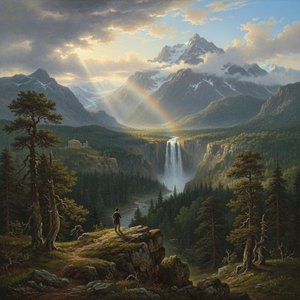
통계 정보View of an Idyllic Village
 Romanticism
 66.0 x 95.0 cm
 Crocker Art Museum
 더 보기
더 보기
수제 유화 복제품
원하는 크기와 액자로 주문 제작되는, 작가들이 직접 캔버스에 손으로 그린 유화 작품입니다. ( 프린트 판매로 전환 디지털 이미지로 전환)




































작품의 원본 비율을 유지하는 미리 설정된 크기 중에서 선택하세요.

특정 프레임이나 공간에 맞도록 직접 크기를 입력할 수 있습니다. 선택하신 크기가 원본 이미지의 비율과 일치하지 않는 경우, 작품을 자르거나 추가적인 손으로 그린 요소를 사용하여 그림을 확장합니다. 제작 시작 전 승인을 위해 디지털 목업을 보내드립니다.
화면 미리 보기는 실제 자르기 또는 확장을 반영하지 않습니다. 최종 구성은 목업을 통해서만 정확하게 확인하실 수 있습니다.
맞춤 크기 제작도 가능하지만, 원본 비율을 유지하기 위해 사전 정의된 목록에서 크기를 선택하시는 것을 권장합니다.
주문 후 AllPaintingsStore.com 팀에서 상세 안내를 위해 고객님께 이메일을 보내드리며, 미리보기 시안을 제공해 드립니다.


 유리 옵션은 110cm 미만 크기에서만 선택 가능합니다.

View of an Idyllic Village
재현 기법
복제본 크기
-


최종 결제 금액
$ 258
유사한 작품들


작가 약력
Gustave Courbet: A Revolutionary of the Real
Jean Désiré Gustave Courbet, born in Ornans, France, on June 10, 1819, and tragically dying in La Tour-de-Peilz on December 31, 1877, was more than just a painter; he was a catalyst. A pivotal figure in the transition from Romanticism to Realism, Courbet fundamentally challenged artistic conventions of his time, rejecting idealized beauty for an unflinching portrayal of everyday life and the realities of the working class. His bold choices—subject matter, technique, and unwavering commitment to depicting the world as he saw it—left an indelible mark on the course of art history, influencing generations of artists to come.
Courbet’s early life was steeped in a pragmatic sensibility. Born into a prosperous farming family, his father, Eléonor-Régis Courbet, recognized his son's artistic talent and, defying societal expectations, supported his ambition to pursue painting. This familial encouragement provided the foundation for Courbet’s independent spirit and unwavering dedication to his craft. He initially studied law in Paris, but quickly abandoned this path, immersing himself entirely in the world of art. His early training involved meticulous copying of masterworks at the Louvre, a process he viewed as essential for understanding technique and composition – a deliberate contrast to the Romantic emphasis on originality.
The Salon, France’s premier annual exhibition, served as Courbet's primary venue for showcasing his work. However, the Salon jury proved stubbornly resistant to his increasingly radical style. His paintings were repeatedly rejected due to their unconventional subject matter and lack of adherence to academic standards. This rejection, rather than discouraging him, fueled his determination to forge a new path. He famously declared that he would only paint what he could see, rejecting the idealized landscapes and mythological scenes favored by the establishment.
The Rise of Realism and Courbet’s Vision
Courbet's artistic vision was rooted in a deep empathy for the marginalized and overlooked members of society. He deliberately chose subjects that were typically ignored by mainstream artists – rural laborers, peasants, and scenes of everyday life. His most celebrated works, such as *A Burial at Ornans* (1849-50) and *The Stone Breakers* (1863-64), are monumental in scale and profoundly moving in their depiction of the harsh realities faced by the working class. These paintings were not intended to be sentimental or romanticized; instead, they presented a stark and uncompromising view of poverty, labor, and social inequality.
*A Burial at Ornans*, for instance, depicts a village funeral with an astonishing lack of idealization. The figures are rendered in meticulous detail, their faces etched with grief and weariness. The painting’s sheer size—over 10 feet by 8 feet—further emphasizes the importance of the event and the collective nature of mourning. Similarly, *The Stone Breakers* portrays two elderly laborers engaged in backbreaking work, their bodies worn down by years of toil. Courbet's deliberate choice to depict these subjects on a grand scale challenged the traditional hierarchy of artistic subject matter, elevating the lives of ordinary people to the level of historical or mythological narratives.
Courbet’s approach extended beyond mere subject matter; he also revolutionized painting technique. He employed a direct and unmodulated brushstroke, rejecting the smooth, polished surfaces favored by academic painters. His colors were often muted and earthy, reflecting the tones of the landscapes and subjects he depicted. He sought to capture the essence of his subjects with immediacy and honesty, eschewing elaborate detail or decorative effects.
Major Works and Lasting Influence
Courbet’s oeuvre is remarkably diverse, encompassing landscapes, seascapes, portraits, still lifes, and historical scenes. However, several works stand out as particularly significant contributions to the Realist movement: *The Stone Breakers*, already mentioned, remains one of his most iconic paintings; *Olympia* (1863), a provocative nude that scandalized Parisian society with its unflinching gaze and rejection of conventional beauty standards; *Wheatfield with Crows* (1890), a brooding landscape imbued with an unsettling sense of foreboding; and, of course, *A Burial at Ornans*, which remains a testament to his commitment to depicting the realities of everyday life.
Courbet’s influence on subsequent generations of artists is undeniable. He paved the way for Impressionism by challenging traditional notions of representation and advocating for a more direct and subjective approach to painting. Artists like Édouard Manet, Claude Monet, and Pierre-Auguste Renoir were all deeply influenced by Courbet's radical ideas and techniques. Furthermore, his emphasis on social realism inspired movements such as Social Realism in the 20th century.
A Legacy of Authenticity
Gustave Courbet’s legacy extends far beyond his individual paintings. He fundamentally altered the relationship between art and society, demonstrating that art could be a powerful tool for social commentary and political engagement. His unwavering commitment to depicting the world as he saw it—without embellishment or idealization—established a new standard of artistic integrity. Courbet’s insistence on painting “what one sees” continues to resonate with artists today, reminding us of the importance of authenticity, honesty, and a deep connection to the subject matter.
Despite facing considerable opposition during his lifetime, Courbet's work gradually gained recognition after his death. Today, he is celebrated as one of the most important figures in modern art—a revolutionary who dared to challenge convention and redefine the boundaries of artistic expression.

alexander hieronymus van de sande bakhuyzen
1819 - 1895 , Netherlands
주요 정보
- Artistic Movement Or Style: Realism
- Artists Or Movements Influenced By This Artist:
- Impressionism
- Cubism
- Artists Who Influenced This Artist:
- Velázquez
- Ribera
- Date Of Birth: June 10, 1819
- Date Of Death: December 31, 1877
- Full Name: Gustave Courbet
- Nationality: French
- Notable Artworks:
- A Burial at Ornans
- The Stone Breakers
- Olympia
- Place Of Birth: Ornans, France
관련 기사 더 보기

낭만 풍경화의 황홀! 예술사에 빛난 10대 걸작 탐구 | 와후아트
낭만주의 시대, 예술혼을 불태운 10대 풍경화 걸작! 터너부터 프리드리히까지, 시대를 초월하는 아름다움을 와후아트에서 만나보세요. 고흐의 색채와 코로의 섬세함이 당신의 공간에 영감을 더합니다. 지금 바로 와후아트에서 명품 미술 작품을 감상하고 구매하세요!
Evoking Nature's Sublime: A Comprehensive Exploration of 19th-Century Landscape Painting
Explore the captivating world of 19th-century landscape painting! Discover renowned artists like Friedrich & Monet, key movements, and find the perfect artwork to bring nature's serenity into your home. Expert insights at AllPaintingsStore.

존 컨스터블 대표작 25선: 영국 풍경화의 거장, 자연과 감성을 담은 명화 컬렉션 | AllPaintingsStore
존 컨스터블 대표작 25선을 만나보세요. 영국 풍경화 거장의 자연주의 회화, 데담 밸리의 아름다움과 헤이 웨인의 정취를 담은 명화를 감상하세요. AllPaintingsStore에서 고품질 예술 작품 복제본을 소장하고 특별한 인테리어를 완성해보세요. 지금 바로 컬렉션을 탐험하세요!

Capturing Nostalgia: The Timeless Allure and Art History of Village Scene Landscapes
Explore the profound beauty of village scene art. From Impressionist light to pastoral realism, discover how timeless landscapes capture nostalgia through expert artistry and historical depth. Perfect for collectors seeking evocative, museum-quality landscape inspirations.

Golden Light & Dutch Skies: The Timeless Magic of Dutch Golden Age Landscapes
Discover the breathtaking beauty of Dutch Golden Age landscapes. Explore the mastery of light, chiaroscuro, and 17th-century realism through an expert art history lens, celebrating the enduring legacy of the Dutch Masters for discerning collectors and art lovers.

