


 미리보기
미리보기
 공유하기
공유하기 공유하기
공유하기
 상세 정보
상세 정보

 다운로드
다운로드
 유사 작품
유사 작품 X-레이
X-레이 슬라이드 쇼
Orphans

 더 보기
더 보기
지클레 / 아트 프린트
빠른 제작과 다양한 마감 옵션을 제공하는 박물관 품질의 지클레이 또는 캔버스 프린트. ( 손으로 그린 그림 구매 이미지 구매)




































작품의 원본 비율을 유지하는 미리 설정된 크기 중에서 선택하세요.

특정 프레임이나 공간에 맞춰 직접 치수를 입력하실 수 있습니다. 선택하신 사이즈가 원본 이미지의 비율과 일치하지 않을 경우, 작품을 크롭(자르기)하거나 이미지를 대칭 또는 단색 채우기로 확장하여 제작합니다. 제작 시작 전, 최종 확인을 위해 디지털 목업이 전송됩니다.
화면상의 미리보기는 실제 크롭이나 확장 상태를 반영하지 않으므로, 최종 구도는 오직 목업을 통해서만 정확하게 확인하실 수 있습니다.
맞춤 사이즈 제작도 가능하지만, 원본 비율을 유지하기 위해서는 사전 정의된 목록에서 치수를 선택하시는 것을 권장합니다.


 유리 옵션은 110cm 미만 크기에서만 선택 가능합니다.

Orphans
지클레 / 아트 프린트
복제본 크기
-


최종 결제 금액
$ 64
유사한 작품들


작가 약력
Béla Kontuly: Weaver of Dreamscapes and Hungarian Symbolism
Béla Kontuly (1904-1983), a name perhaps less familiar than some of his contemporaries, remains a profoundly evocative figure in the history of Hungarian art. Born in Miskolc, Hungary, into a family with a strong artistic lineage – his father was a renowned sculptor – Kontuly’s journey as an artist was shaped by both rigorous academic training and a deeply personal, almost mystical approach to painting. His work transcends simple categorization, blending elements of Surrealism, Symbolism, Romanticism, and even touches of Expressionism, creating images that linger in the memory long after viewing. Kontuly wasn't merely depicting scenes; he was translating emotions and spiritual experiences onto canvas, crafting worlds imbued with a quiet intensity and symbolic weight.Early Life and Artistic Formation
Kontuly’s artistic education began at the Academy of Fine Arts in Prague, followed by studies at the prestigious Academy of Fine Arts in Budapest under the tutelage of István Réti and Andor Dudits. These formative years instilled a solid technical foundation while simultaneously exposing him to the prevailing artistic currents of the time. Crucially, his scholarship to the Hungarian Academy in Rome between 1928 and 1930 proved pivotal. This immersion in Italian art – particularly the works of the Baroque masters – profoundly influenced his style, introducing him to dramatic lighting, rich textures, and a heightened sense of emotional intensity. His time in Rome was not solitary; he shared this experience with his wife, Hajnalka Fuchs, fostering a collaborative artistic spirit that undoubtedly shaped their individual approaches.A Style Defined by Emotion and Symbolism
Kontuly’s distinctive style is immediately recognizable through its evocative use of color, dramatic lighting, and symbolic imagery. He frequently employed muted palettes – often dominated by blues, grays, and browns – to create a sense of melancholy and introspection. His compositions are rarely straightforward; instead, they unfold with a deliberate ambiguity, inviting the viewer to engage in a process of interpretation. Recurring motifs—orphans, solitary figures, landscapes bathed in twilight—suggest themes of isolation, memory, and the search for meaning. His paintings aren’t simply representations of reality but rather explorations of the inner landscape of the human soul. A prime example is “Orphans,” an oil painting depicting two women and a doll, a poignant image that speaks volumes about loss, vulnerability, and the enduring power of childhood memories.Major Works and Artistic Commissions
Throughout his career, Kontuly produced a substantial body of work encompassing landscapes, still lifes, portraits, and significant mural commissions. He is particularly celebrated for his frescoes adorning several important Hungarian churches and civic buildings. The intricate details and symbolic richness of these murals—including those in the Vác Cathedral, Hermina út Chapel, and St. Anne’s Church in Víziváros—demonstrate Kontuly's mastery of technique and his ability to imbue architectural spaces with profound spiritual meaning. His work on the staircase of Szeged University and the Domonkos Church on Thököly út further cemented his reputation as a leading figure in Hungarian art. The “Announcement of the Golden Bull” fresco in Székesfehérvár’s town hall is considered one of his most ambitious and visually arresting achievements.Legacy and Historical Significance
Béla Kontuly's artistic legacy lies not only in the beauty of his individual works but also in his contribution to the development of Hungarian art during a period of significant social and political change. His work reflects both the anxieties and aspirations of a nation grappling with its identity after World War I and the subsequent rise of communism. While often overshadowed by more commercially successful artists, Kontuly’s paintings continue to resonate with viewers today due to their profound emotional depth and enduring symbolic power. He remains an important figure in Hungarian Surrealism, a testament to his unique vision and his ability to capture the complexities of the human experience through the language of art. His influence can be seen in subsequent generations of Hungarian artists who followed in his footsteps, carrying forward his legacy of evocative imagery and profound symbolism.
bela kontuly
1904 - 1983 , Hungary
주요 정보
- Artistic Movement Or Style: Surrealism, Hungarian Painting
- Artists Or Movements Influenced By This Artist:
- Novocento
- Romantic/Baroque
- Artists Who Influenced This Artist:
- István Réti
- Andor Dudits
- Date Of Birth: 1904
- Date Of Death: 1983
- Full Name: Béla Kontuly
- Nationality: Hungarian
- Notable Artworks:
- Saint Sebastian
- Orphans
- Banks Of The Danube At Winter
- Place Of Birth: Miskolc, Hungary
관련 기사 더 보기

The Enduring Legacy of Oil on Canvas: Technique, History & Aesthetic Impact
Explore the rich history & techniques of oil painting – from Renaissance masters to Impressionism. Discover pigments, layering methods, and why this timeless medium endures. Expert insights for artists & art enthusiasts.
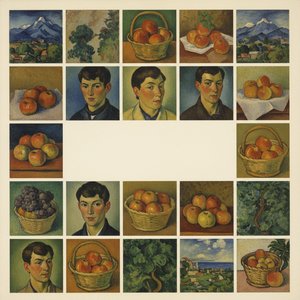
폴 세잔 명작 25선: 시대를 초월하는 예술과 공간의 미학 | AllPaintingsStore
폴 세잔의 시대를 초월하는 명작 25점을 만나보세요. 인상주의를 넘어 후기 인상주의를 개척한 화가의 예술 세계와 정물화, 풍경화 속 숨겨진 이야기를 AllPaintingsStore에서 감상하세요. 고품질 아트 프린트와 캔버스 액자로 공간에 예술을 더해보세요! 지금 바로 컬렉션을 탐험하세요.

The Soul of Impressionism: Why Oil on Canvas Captures Eternal Light and Timeless Emotion
Discover the enchanting alchemy of Impressionism. Explore how the mastery of oil on canvas, through glazing and impasto, captures eternal light and emotion. Perfect for lovers of Monet and Van Gogh seeking the profound depth of hand-painted fine art.

Oil on Board Masters: 10 Paintings That Redefined Art | AllPaintingsStore
Explore 10 legendary 'Oil on Board' masterpieces by Van Gogh, Monet & more! Discover art history, iconic styles like Impressionism, and find museum-quality reproductions to elevate your home decor. Explore the full collection online at AllPaintingsStore.com.

Silent Narratives: Exploring the Enduring Appeal of Still Life Painting Across Centuries
Explore the rich history of still life painting with AllPaintingsStore. Discover Dutch Masters, decode vanitas symbolism & learn about collecting timeless art. Expert insights and museum-quality reproductions.



